Description
Introduction
Designed for practical home cultivation, Sunrise Cannabis Seeds suit growers who want a lively aroma, steady plant structure, and consistent results from sprout to cure. Consumers often describe clear, functional cannabis that avoids heaviness, with daytime weed effects that fit daytime routines. Potency will always depend on phenotype, inputs, and post-harvest handling, but many gardens land in a moderate THC range while still keeping citrus-forward terpenes intact when drying is slow and controlled.
Origin and Lineage
Sunrise Cannabis Seeds are presented as a modern hybrid selection bred for vigor, uniform branching, and dependable flower development in typical home setups. The exact parentage is kept proprietary to protect breeding work, yet experienced growers often notice a sativa-leaning lift early in bloom that transitions into hybrid density as buds finish. This balance supports repeatable marijuana runs without the wide variability that can show up in less-stabilized lines.
Growth Difficulty and Grow Guide
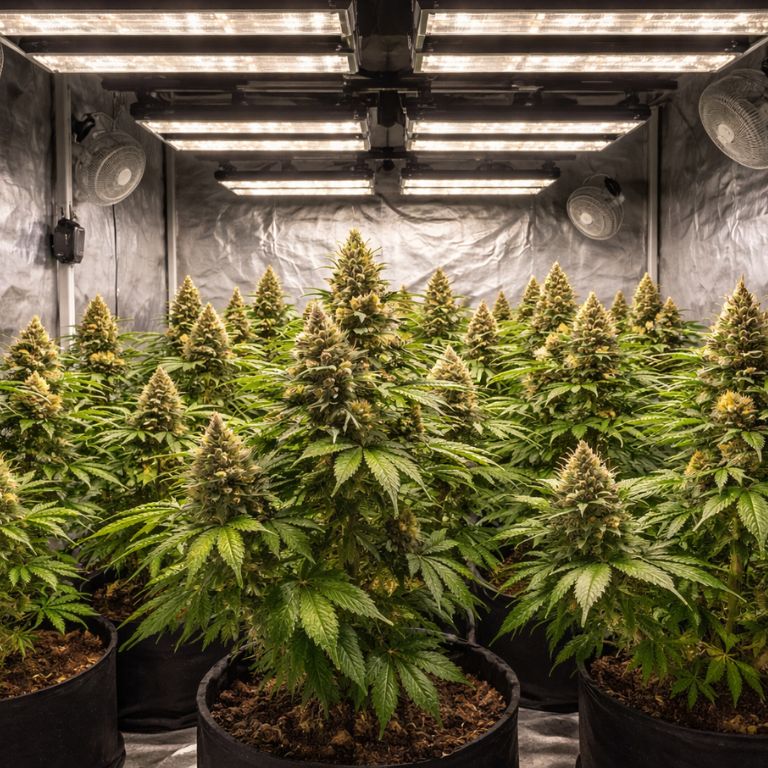
Most home cultivators consider Sunrise a beginner-friendly cannabis strain when temperature, humidity, and irrigation are kept consistent. Indoors, Sunrise Cannabis Seeds respond well to low-stress training—experienced cultivators report that early topping and gentle tie-downs keep growth even without stalling young weed plants. For an indoor tent grow, steady light intensity, strong circulation, and a breathable medium usually deliver stable growth; outside, outdoor warm-climate cultivation performs best with full sun, good spacing, and protection from prolonged cold nights.
Nutrients and Equipment
Sunrise typically rewards a steady, balanced feeding plan: a complete base nutrient, sensible calcium/magnesium support when needed, and a gradual transition into bloom rather than heavy additive stacking. Regular pH checks and consistent watering intervals help prevent swings that can dull terpene expression or slow growth. In an indoor tent grow, a reliable exhaust system, carbon filtration, and oscillating fans often provide more value than extra supplements, and they also support mildew prevention by keeping leaves dry and air moving.
Flowering Phase
During bloom, Sunrise commonly builds a dense trichome layer along the upper branches, especially when the canopy is even and nighttime temperatures stay steady. Many phenotypes finish within an 8–10 week flowering window, but ripeness is best confirmed by trichome maturity rather than calendar days; Sunrise Cannabis Seeds are typically selected for this planning-friendly pace. In late flower, tight humidity control and active airflow support mildew prevention and help marijuana buds stay clean as they gain weight.
Harvest
Harvest timing is best guided by trichomes, pistil change, and the shift from “green” plant scent to a fuller cured aroma. When cut at peak maturity, the dense trichome layer often dries into dense, sparkling weed that trims efficiently and cures evenly. Under strong indoor lighting, growers frequently report medium-to-high yields (often around 400–550 g/m²), while outdoor plants in outdoor warm-climate cultivation can produce larger totals; in both settings, the goal is to finish cleanly inside the 8–10 week flowering window.
Common Challenges
Sunrise is cooperative, but environmental swings can still cause problems—especially high humidity late in bloom or inconsistent watering that disrupts nutrient uptake. Even for a beginner-friendly cannabis strain, overfeeding is a common mistake, so gradual increases and close observation of leaf tips are safer than “pushing” the plant. Strong circulation, sensible defoliation, and a proactive approach to mildew prevention are key to keeping cannabis flowers fresh as density builds.
Additional Tips
For uniform tops and better light coverage, growers often rely on low-stress training from early vegetative growth onward, adjusting in small steps instead of making big bends late. Experienced gardeners note that this approach keeps vigor high and makes the strain feel like a true beginner-friendly cannabis strain in day-to-day management. If maximizing flavor is the priority, avoid overdrying, keep cure temperatures moderate, and let jars breathe briefly in the first week so bright terpene notes stay vivid in the final marijuana flower.
Germination Time
Most healthy seeds crack in 24–72 hours under warm, lightly moist conditions, though storage quality and handling can shift timing. Direct-to-medium germination can reduce taproot disturbance, while the paper-towel method can work well when cleanliness is strict and moisture is even. Once seedlings stand, moderate light and a calm watering rhythm help weed starts build roots before stronger feeding begins.
Wellness
Many consumers describe daytime weed effects that suit creative work, light social settings, or outdoor activity when dosing remains modest. Because results often fall in a moderate THC range, some users find the experience easier to pace than with ultra-high-THC options, though sensitivity varies widely. For marijuana newcomers, the safest approach is to start low, wait to assess effects, and increase gradually—especially with edibles.
CBD Levels
Sunrise is typically THC-forward with minimal CBD presence, so it is not positioned as a high-CBD option. In many lab-tested batches, CBD is modest (often under 1%), which keeps the experience closer to classic recreational cannabis. Still, flower that lands in a moderate THC range and is properly cured can feel more balanced for some users, and verified testing is the most reliable way to confirm cannabinoid content.
Appearance
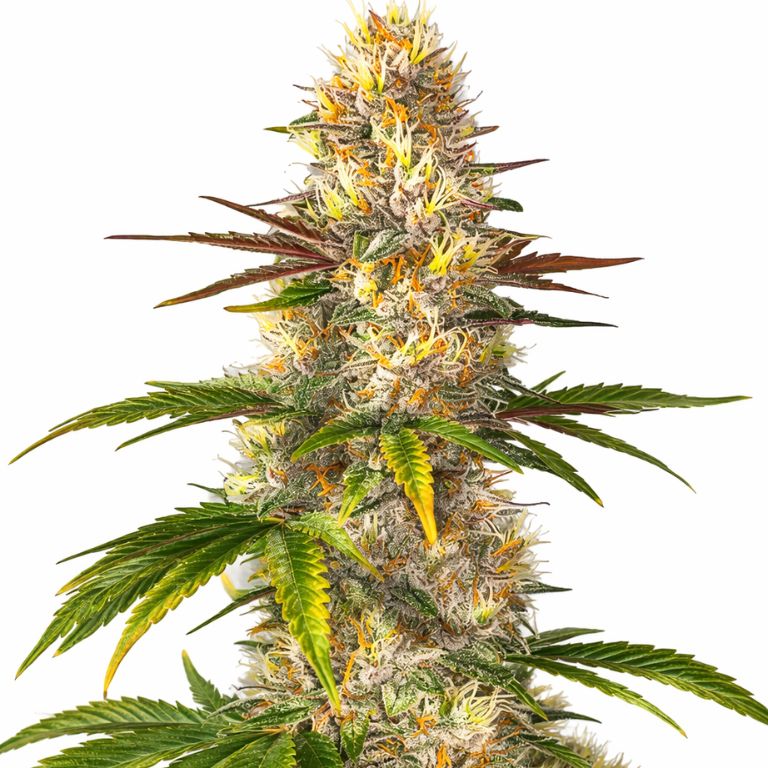
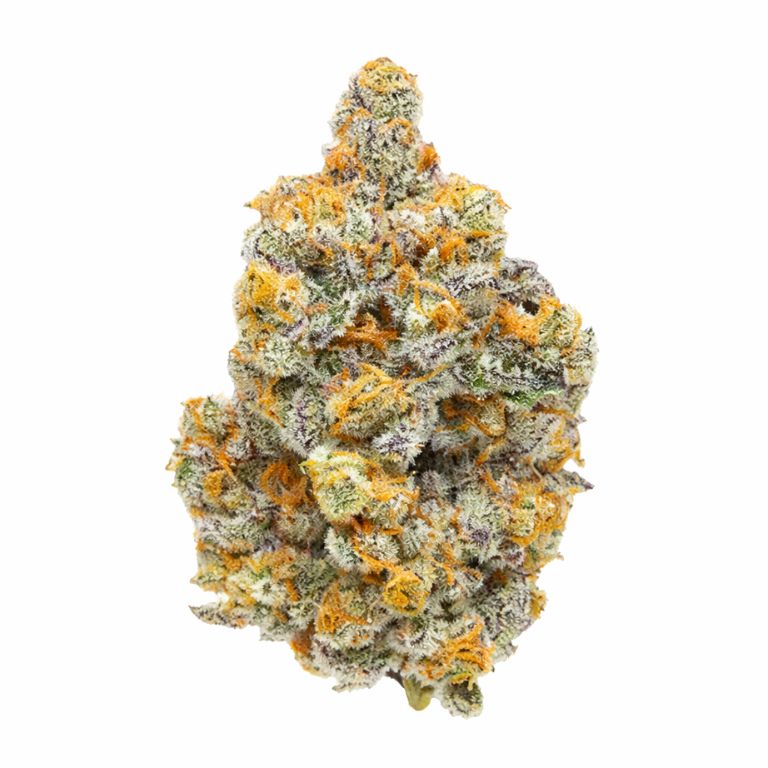
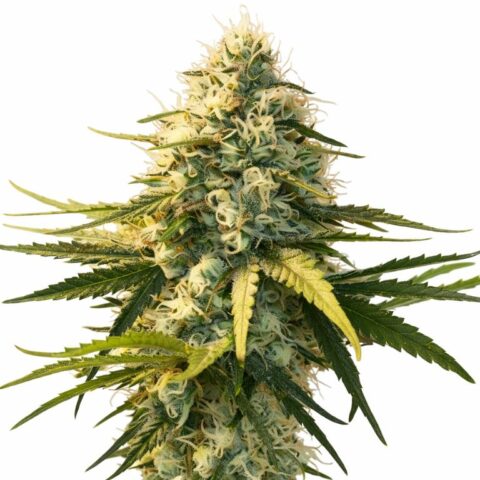
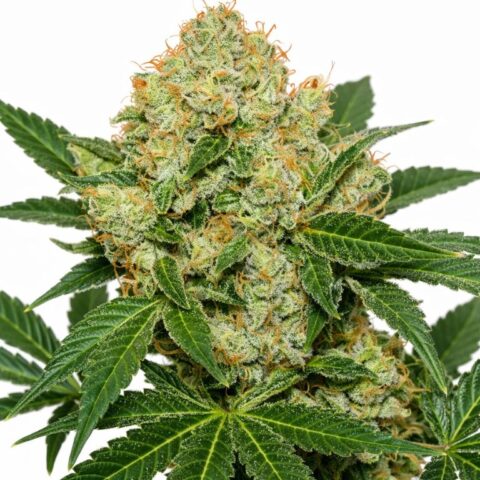
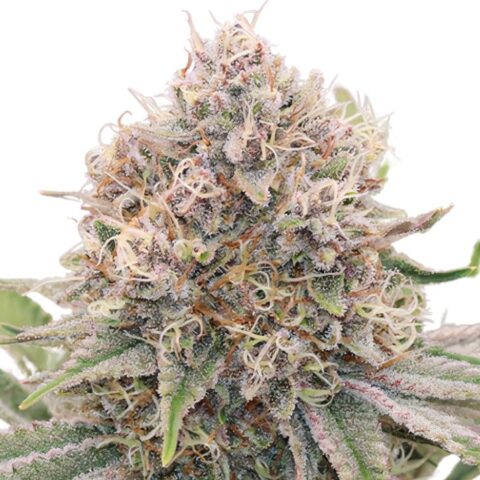
Well-grown Sunrise flowers often show tight calyx stacking, lively pistils, and a frosty surface that intensifies as harvest approaches. A pronounced dense trichome layer is common when light distribution is even and the plant is not forced through harsh stress late. Careful drying and handling help preserve the shine and structure so weed buds stay attractive and intact in the jar.
Plant Height
Sunrise usually finishes medium-to-tall, with the biggest stretch in the first two to three weeks after the flip to bloom. In an indoor tent grow, low-stress training keeps the canopy flat and protects headroom while encouraging strong lateral branching for better light use. Outdoors, staking is recommended in windy spots, and in outdoor warm-climate cultivation growers often plan for a bit more stretch by starting training early.
Aroma
Aroma is often the standout trait, opening with bright zest and a clean herbal lift that develops further after curing. Fans of expressive profiles often seek citrus-forward terpenes because the top notes remain vivid when drying is slow and humidity is controlled. Good airflow during dry-down also prevents mustiness and keeps the marijuana bouquet crisp.
Flavor
On the palate, Sunrise commonly mirrors the nose, with a bright profile that stays smooth after a patient cure. When stored correctly, citrus-forward terpenes can remain noticeable for weeks, especially when jars are kept cool and out of direct light. Overdrying is the most frequent reason weed flavor flattens, so a steady cure schedule and stable storage matter.
In Conclusion
For growers who want reliability without sacrificing personality, Sunrise Cannabis Seeds offer a practical route from seed to jar with modern aroma and clean structure. The combination of daytime weed effects, frosty resin coverage, and an 8–10 week flowering window makes planning easier for both indoor cannabis gardens and outdoor runs. With disciplined environment control, thoughtful training, and a careful cure, this cultivar can reward growers with a bright, repeatable marijuana experience.

Reviews
There are no reviews yet.