Description
Introduction
Snow Monster Cannabis Seeds are designed for growers who want visually frosty cannabis flowers with a calm, end-of-day style experience. Rather than leaning on hype, this variety is best understood through how it performs in a real garden: steady branching, predictable bud set, and a finish that rewards careful climate control. Experienced cultivators report that stable humidity, clean watering habits, and consistent airflow help the plant express its best resin and aroma. For shoppers browsing marijuana or weed genetics, the notes below focus on practical cultivation traits—what tends to happen in the tent, greenhouse, and cure jar—so expectations stay realistic.
Origin and Lineage
Snow Monster Cannabis Seeds are typically discussed as a modern hybrid selected for resin production and reliable indoor performance, though exact parentage can differ depending on breeder history and phenotype selection. Professional growers often judge lineage by repeatable signals: how quickly seedlings establish, how evenly plants feed across a run, and whether the canopy stays manageable under strong light. In side-by-side gardens, subtle differences can appear in stretch, color, and final density, so keeping simple notes from week to week helps identify the most consistent keeper for a given cannabis setup.
Growth Difficulty and Grow Guide
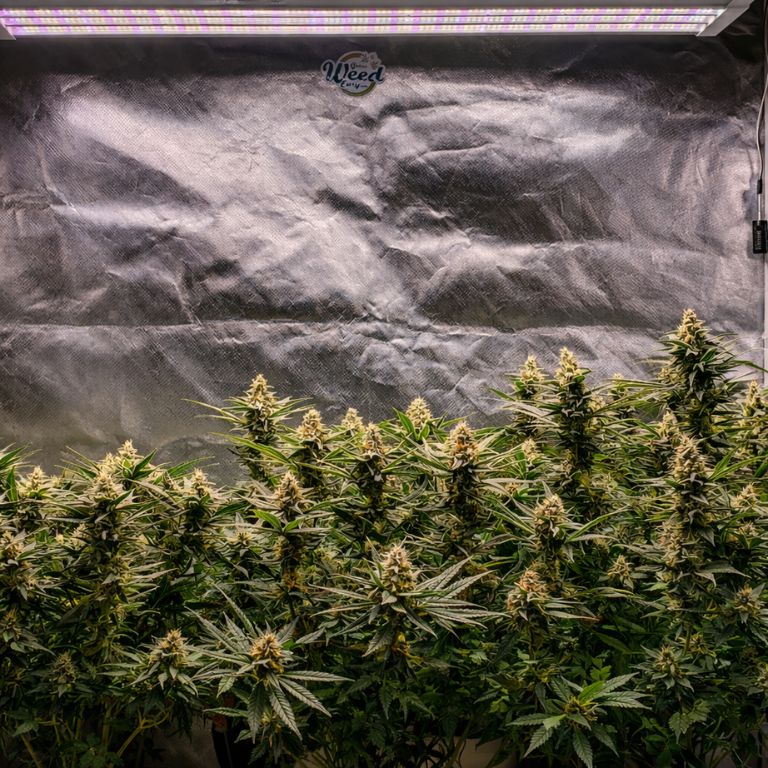
Most home growers will find the learning curve moderate, with the best results coming from steady routines instead of drastic swings. A Snow Monster grow guide approach that many experienced gardeners follow is straightforward: build the root zone first, top once or twice, then spread branches gradually for even light exposure. This variety often shows a controlled stretch phenotype when irrigation and light intensity remain consistent, making it easier to manage weed plants in tents. Light defoliation and gentle support stakes are usually enough to keep airflow moving and bud sites well lit without stressing the plant.
Nutrients and Equipment
Balanced feeding typically protects aroma and burn quality better than pushing maximum EC. Many indoor LED cultivation tips start with measurement: monitor pH and EC, watch leaf color, and match nutrient strength to light intensity and plant size. Reliable essentials include a quality pH/EC meter, strong oscillating fans, and a dehumidifier sized to the room, since cannabis flowers dislike stagnant air. In soil or coco, many growers keep nitrogen moderate into early bloom and avoid late-flower salt buildup, which can dull flavor in marijuana and weed harvests.
With stable climate and a healthy canopy, indoor yields are often described as medium-to-high for the plant’s size (commonly around 350–550 g/m²), while greenhouse and outdoor runs vary widely with season length and management.
Flowering Phase
In bloom, Snow Monster Cannabis Seeds often tighten into firm clusters once the canopy is level and light reaches both tops and mid-branches. Most growers notice dense cola formation from mid-flower onward, especially after lower growth is cleaned up for airflow. Indoors, many growers report a typical bloom window of about 8–9 weeks, while greenhouse and outdoor plants may take longer depending on nights and sunlight. Some runs show cool-night color expression in the final weeks when nights are slightly cooler (within safe ranges), adding deeper tones without stalling ripening. A cold-weather finish—cooler, drier late-flower conditions—can help flowers stay firm and fragrant while reducing the chance of moisture-related issues.
Harvest
Harvest decisions for Snow Monster Cannabis Seeds are best guided by trichome maturity and overall plant posture rather than a fixed calendar. When dense cola formation is achieved, some growers harvest tops first and give lower sites a few extra days for a more even final jar. A cold-weather finish in the last stretch can keep buds dense, while good airflow and gentle handling protect high terpene resin glands during cutdown. Even with mold-resistant flower structure, drying should be slow and controlled. After the dry, a small-batch curing process—airtight storage with periodic airing—helps smooth smoke and preserve aroma in cannabis, marijuana, and weed use.
Common Challenges
Most setbacks come from environment and watering habits, not from the plant being delicate. Indoor LED cultivation tips like preventing hot spots, keeping proper fixture distance, and maintaining steady airflow above and below the canopy can reduce leaf stress. Mold-resistant flower structure helps, but it is not a guarantee; dense gardens still need humidity control and selective defoliation to prevent mildew. Overfeeding is another common issue—dark, glossy leaves and burnt tips often signal excess salts. Backing off nutrients and improving irrigation timing usually restores balance before bud quality is affected.
Additional Tips
Consistency is the quiet advantage for growers running repeatable cycles. A Snow Monster grow guide routine that includes simple recordkeeping—watering volume, runoff readings, and canopy notes—makes troubleshooting faster. Indoor LED cultivation tips such as rotating containers, checking leaf temperature, and maintaining under-canopy airflow often improve uniformity without adding complexity. If height is a concern, the controlled stretch phenotype is easiest to maintain when training is done early and gradually, rather than all at once. These small habits help cannabis gardens finish cleaner and make marijuana or weed harvests more predictable.
Germination Time
With proper warmth and moisture balance, most viable seeds sprout quickly. Many growers see taproots within 24–72 hours in starter plugs or paper-towel methods, though some seeds can take up to a week depending on storage and handling. The key is oxygen: media should be moist, not saturated, so roots can breathe. Once germinated, gentle transplanting and mild early light prevent stress while seedlings establish. A steady start often translates into stronger cannabis structure and better flowering performance later.
Wellness
Many adult consumers describe the experience as calming and end-of-day friendly, though response varies by dose, tolerance, and setting. Where testing is available, THC is often reported in the mid-to-upper range (commonly in the high teens to low twenties), so new consumers should start low and wait for full onset. This description is educational and does not make medical claims; anyone using cannabis for wellness goals should rely on local laws, lab-tested products, and qualified guidance. From a cultivation standpoint, smoothness is often improved by proper drying and curing rather than chasing extreme potency in marijuana or weed.
CBD Levels
This variety is generally treated as THC-forward, with CBD commonly reported as low where lab data is available. Because cannabinoid expression can shift with phenotype and growing conditions, numbers should be viewed as ranges rather than guarantees. For shoppers specifically seeking higher-CBD marijuana, a cultivar bred for cannabidiol dominance is usually a better fit. In many cannabis gardens, stable late-flower conditions and careful post-harvest handling influence comfort and perceived effects as much as the chemistry itself.
Appearance
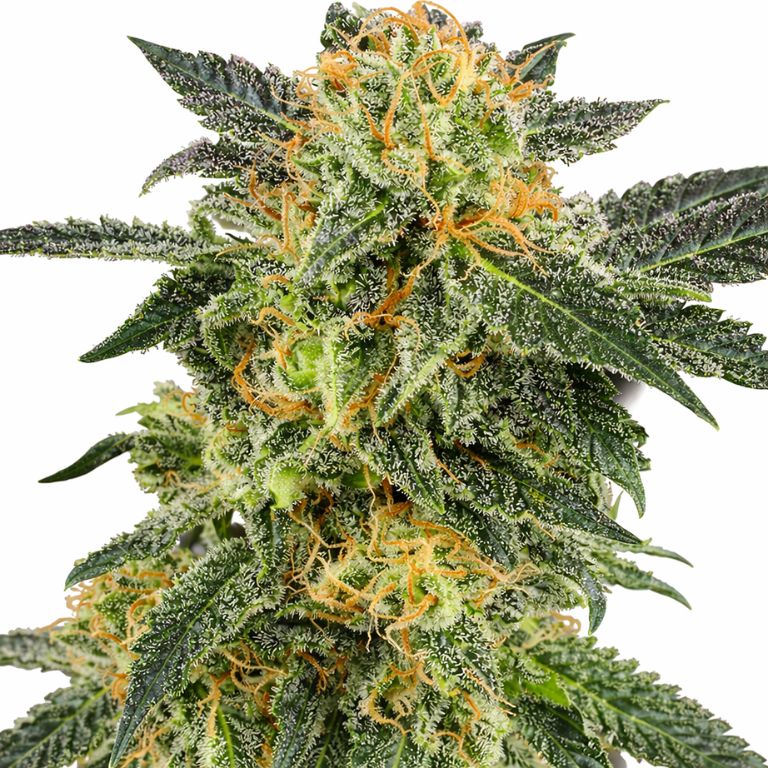
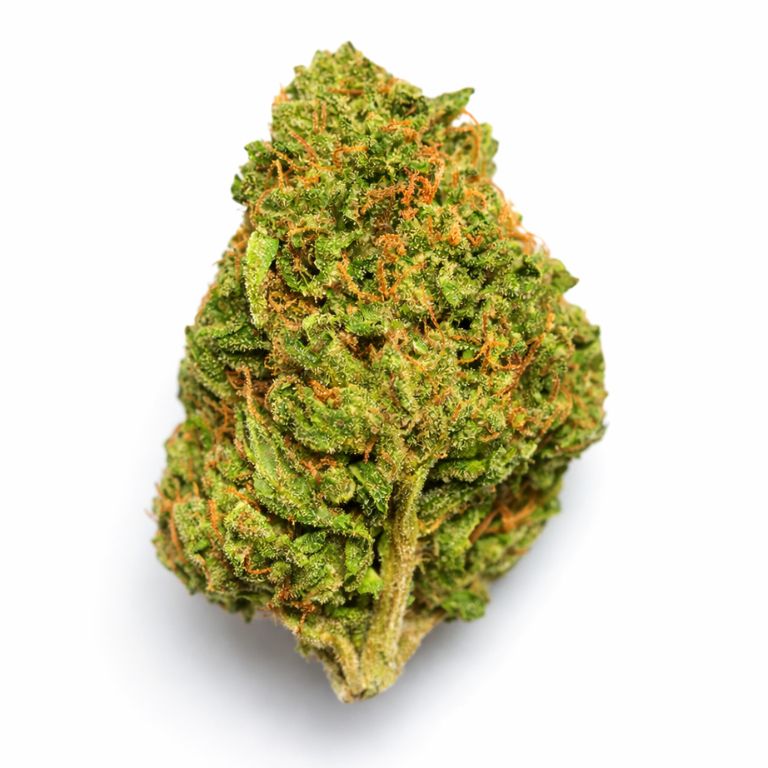
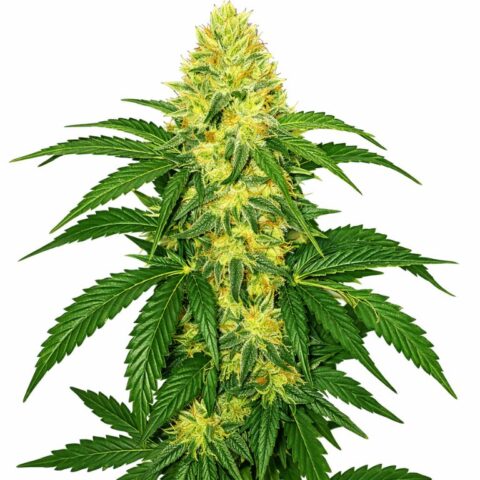
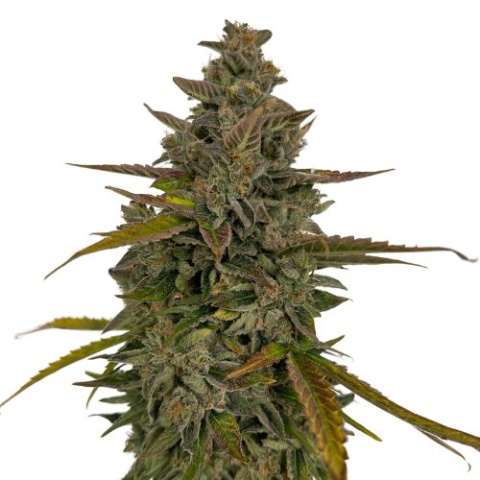
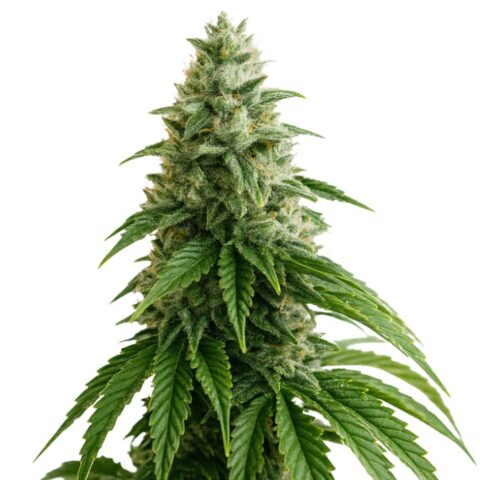
Well-grown buds tend to look compact and heavily sugared, with frosty trichome coverage visible across calyxes and sugar leaves. Dense cola formation can create tight clusters that trim efficiently, especially when airflow and light penetration are maintained through bloom. Some phenotypes show cool-night color expression as purples deepen late in flower, while others stay bright green with orange pistils. Regardless of color, clean drying and careful handling keep cannabis buds photogenic and help marijuana or weed buyers recognize quality.
Plant Height
Indoors, plants commonly stay in a short-to-medium range when topped and trained early, which suits tents and small rooms. A controlled stretch phenotype helps keep tops even under LEDs and reduces the risk of light stress at the highest points of the canopy. Outdoors or in greenhouses, longer vegetative time can increase final size, so spacing and support should be planned ahead. For growers managing cannabis height, gradual training and consistent light schedules usually outperform heavy pruning in both marijuana and weed cultivation.
Aroma
Aroma usually intensifies from mid-flower into late bloom as resin builds on the surface. High terpene resin glands often become more noticeable as buds mature, so odor control is important for indoor marijuana rooms. Frosty trichome coverage can correlate with a louder bouquet, but temperature spikes and overdrying can still flatten scent. Some gardens also notice cool-night color expression alongside sharper terpene definition when conditions remain stable. Gentle handling and steady humidity help preserve cannabis aroma through cure, keeping weed and marijuana flower closer to its fresh profile.
Flavor
Flavor is influenced heavily by drying speed and storage, not just how the plant smells at harvest. A small-batch curing process supports smoother smoke or vapor by reducing chlorophyll harshness while protecting high terpene resin glands from degrading. Many users describe a sweet-herbal taste that stays cleaner when weed is stored airtight, away from heat and light. For growers, patience during cure is often the difference between a sharp, grassy cannabis note and a more rounded marijuana finish.
In Conclusion
Snow Monster Cannabis Seeds can suit growers who want strong visual appeal and dependable garden behavior without relying on extreme techniques. When managed well, frosty trichome coverage and mold-resistant flower structure support attractive, resilient buds, while a cold-weather finish can help preserve aroma near harvest. Following a Snow Monster grow guide mindset—steady inputs, early training, and careful observation—tends to produce the most repeatable results. Finally, a small-batch curing process is often what turns a good cannabis harvest into a great one, keeping marijuana and weed flower smooth and aromatic.

Nathalie Parker –
This high felt like you just woke up one morning and saw that it snowed last night.
Caleb Sandoval –
I loved everything about this website. No complains here.
Anahi Wise –
Like this strain.
Anabelle Figueroa –
Good for planning and starting projects.
Georgia Perry –
Nice mellow finish.
Amare Bradley –
Wow this is truly amazing.
Kenna Greene –
Feels good just to stay up and watch funny videos .
Bryanna Griffith –
Luv &✌
Tiara Pollard –
Helps you with creativity in my opinion.
Lexi Wheeler –
I will be trying this again.
Ralph Nichols –
Super great high!
Rory Mathews –
Very good strain hits you very good.
Alan Sonnenberg –
Totally mentally invigorating strain
Ryan Strouse –
Smell was incredible along with look in bud
Larry Moore –
Very sedating when smoking & munchies soon after
Anthony Fleig –
Starting with the aroma… very sweet
Scott Brisbin –
you can feel the body high relaxing your muscles while smoke
Dominick Condoleo –
Very delicious, and fast acting.
Julianna delesha –
Love it
Jeremy Hutchinson –
Not my favorite strain though
charles atkinson –
I really enjoyed it.
Arthur Torres –
This is more of a nighttime strain IMO it makes me sleepy and wake up refreshed.
Daniel Herrmann –
I found myself very social and energetic.
Joel Wasankari –
Classic Strain.
chase Hammond –
Recommended Highly for simply always delivering a great package of a strain.
Calvin ovry –
3.5 / 5 stars
William Armstrong –
Makes me feel extremely uplifted, and chill.
Tomas George –
Good body high!
Martha Sheppard –
Yeah, this is some pretty amazing stuff…
Kaelyn Walsh –
For me it relaxes my muscles a bit, relaxes my body quite well
Jamiya Mosley –
What a great combination of qualities
Daniela Reilly –
Happy, almost “fun”