
Description
Introduction
Sasquatch cannabis seeds are geared toward growers who want a rugged, terpene-rich marijuana cultivar that still finishes with tidy structure in a home setup or a sheltered garden bed. This THC-dominant hybrid is typically selected for dependable growth and a flavorful finish, which suits shoppers comparing cannabis, marijuana, and weed by real performance rather than hype. Many hobbyists begin with a Sasquatch strain grow guide to plan training, airflow, and spacing early, then let the plant show its shape before committing to heavier pruning.
Origin and Lineage
The breeding background is offered as a proprietary selection, but the practical traits are easy to verify in the grow space: strong early vigor, a branchy frame, and terpene-forward resin production that becomes most obvious in the final weeks. Growers who have run it beside other modern weed genetics often report it tolerates small swings in temperature and feed without losing pace. That consistency makes it a sensible pick for marijuana gardeners who want predictable structure and repeatable flower quality.
Growth Difficulty and Grow Guide
For most home growers, Sasquatch cannabis seeds land in the moderate difficulty range—approachable for newer cultivators, yet rewarding for anyone who likes dialing in technique. The cultivar responds well to controlled canopy management through topping, gentle tie-downs, and even spacing of tops to keep light distribution consistent. In cooler regions, cultivators often describe it as a cold-night resilient cultivar when evenings dip, provided the root zone stays warm and irrigation is not excessive. Experienced cultivators report that consistent airflow and early training do more for final bud density than chasing aggressive feed schedules.
Nutrients and Equipment
A balanced feed plan tends to outperform aggressive dosing, especially when terpene-forward resin production is the priority. Many growers pair an indoor LED grow recipe with stable pH/EC monitoring, clean drainage, and steady air exchange to keep cannabis plants moving through veg without stress. Useful basics include a hygrometer, oscillating fans, and a trellis for support—simple equipment that helps prevent humid pockets and keeps the garden easier to manage week to week.
Flowering Phase
In bloom, Sasquatch cannabis seeds are commonly associated with frosty calyx stacking and fast resin coverage when temperature, light, and moisture stay steady. Indoor gardeners often target an 8–10 week flowering window, then confirm readiness by checking trichomes (milky with some amber for a more settling finish). Because late-flower humidity control matters as buds swell, experienced growers keep airflow moving through the canopy and avoid watering late in the dark cycle to reduce lingering moisture inside the buds.
Harvest
Harvest timing is usually guided by trichome maturity, aroma intensity, and how the plant “finishes” in the final days. When grown with good light penetration and clean airflow, Sasquatch cannabis seeds can show medium-to-heavy yield potential while still drying down evenly. Taken at mostly milky trichomes with a small amber mix, many consumers describe a balanced head-and-body effect that starts clear and becomes warmer later. Slow drying and a patient cure help preserve pine-herbal aroma notes and keep the buds tasting clean rather than harsh.
Common Challenges
The most common challenges are predictable: early stretch, humidity spikes, and overfeeding late in veg. Controlled canopy management helps prevent lanky tops and shaded lower sites, while late-flower humidity control reduces the risk of moisture lingering inside thick colas. Outdoors, wind and cold snaps can test branches, yet many growers say this cold-night resilient cultivar holds up well when staked early and kept away from soil splash after rain—small steps that protect weed quality near the finish.
Additional Tips
Growers aiming for repeatable results often keep the routine simple: train early, maintain steady irrigation, and avoid big temperature swings that slow root uptake. A practical Sasquatch strain grow guide usually recommends measuring solution strength periodically rather than “feeding by feel,” especially in coco or other soilless media. When using an indoor LED grow recipe, moderate intensity with strong circulation often tightens node spacing and helps the canopy stay manageable without forcing the plant into stressful corrections later.
Germination Time
Under clean, warm conditions, seeds commonly crack in 24–72 hours, with seedlings emerging in roughly 3–7 days depending on method. Consistent warmth and lightly moist media help early roots establish, which is especially helpful if the first week includes cooler nights—one reason growers appreciate a cold-night resilient cultivar once plants are established. Whether starting cannabis, marijuana, or weed seeds in plugs, paper towel, or direct media, cleanliness and stable moisture are the biggest drivers of uniform starts.
Wellness
This cultivar is generally chosen for THC-forward sessions rather than CBD-focused routines. In well-grown examples, users often report a balanced head-and-body effect that feels upbeat at first and more grounding later, though individual response varies with dose, setting, and tolerance. Responsible adult use is essential—especially for anyone new to stronger marijuana varieties—so starting low and waiting for full onset remains the most reliable approach to finding a comfortable experience.
CBD Levels
Sasquatch is typically categorized as low-CBD cannabis, with CBD often reported below 1% in THC-dominant hybrids depending on phenotype and lab testing. That makes it a better fit for shoppers prioritizing classic marijuana potency over cannabidiol-forward outcomes. Results can vary, so consumers who need precise ratios should look for verified testing whenever available and consider how different terpene profiles can influence the perceived intensity of weed effects.
Appearance
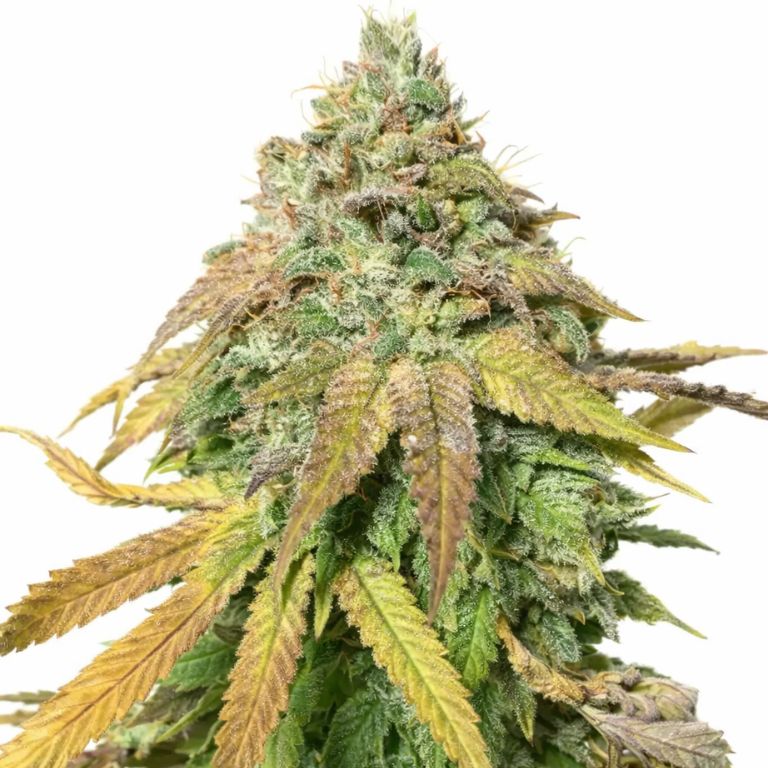
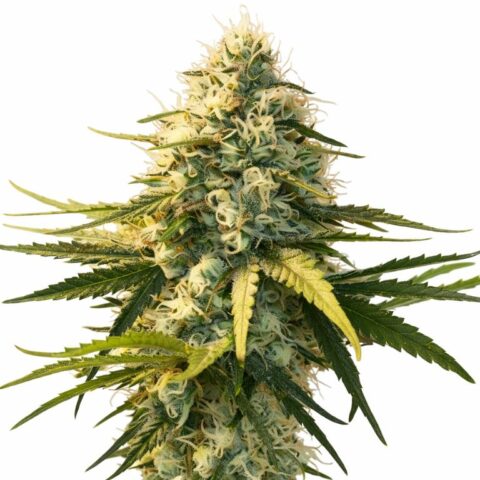
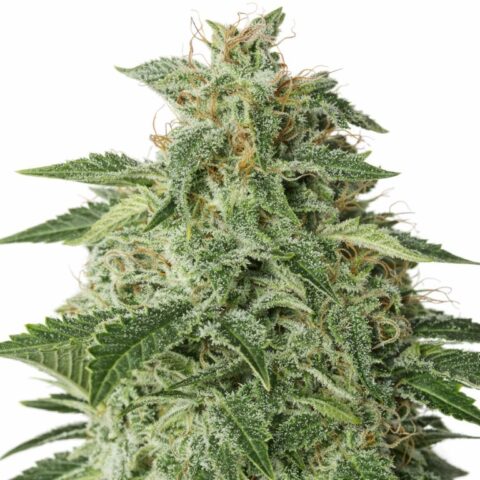
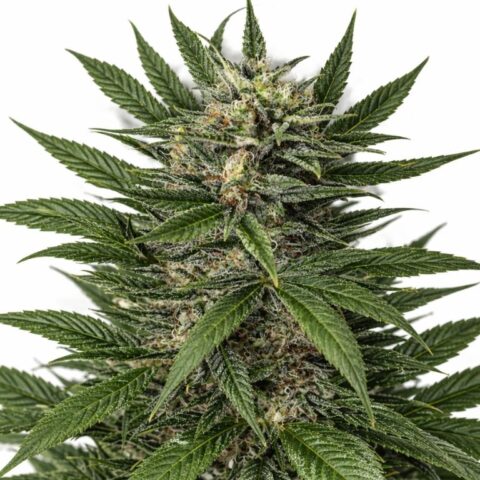
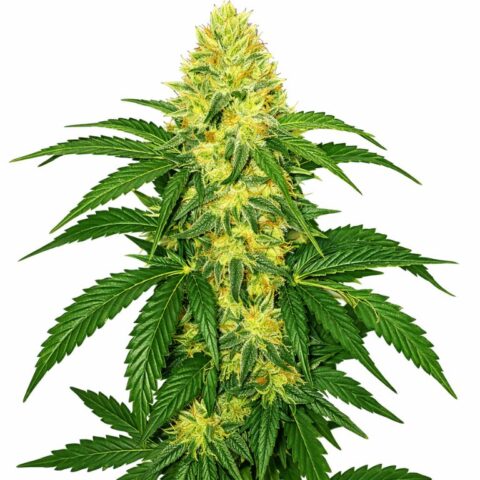
Plants commonly develop medium-long branches and tight flower sites that support frosty calyx stacking as harvest approaches. Under strong lighting, resin coverage can look “sugared,” while mature pistils stand out against darker leaf tones and heavily frosted bracts. Growers who prioritize neat structure often find controlled canopy management helps each top finish evenly and improves overall bag appeal across both indoor cannabis runs and outdoor beds.
Plant Height
In many setups, the plant finishes medium to tall, with stretch influenced by container size, light intensity, and training choices. Indoors, topping early and keeping the canopy level typically prevents runaway height and improves light use across the garden. Outdoors, given full sun and steady moisture, the same plant can express medium-to-heavy yield potential with strong lateral branching and well-filled colas—especially when spacing allows air to move through the marijuana canopy.
Aroma
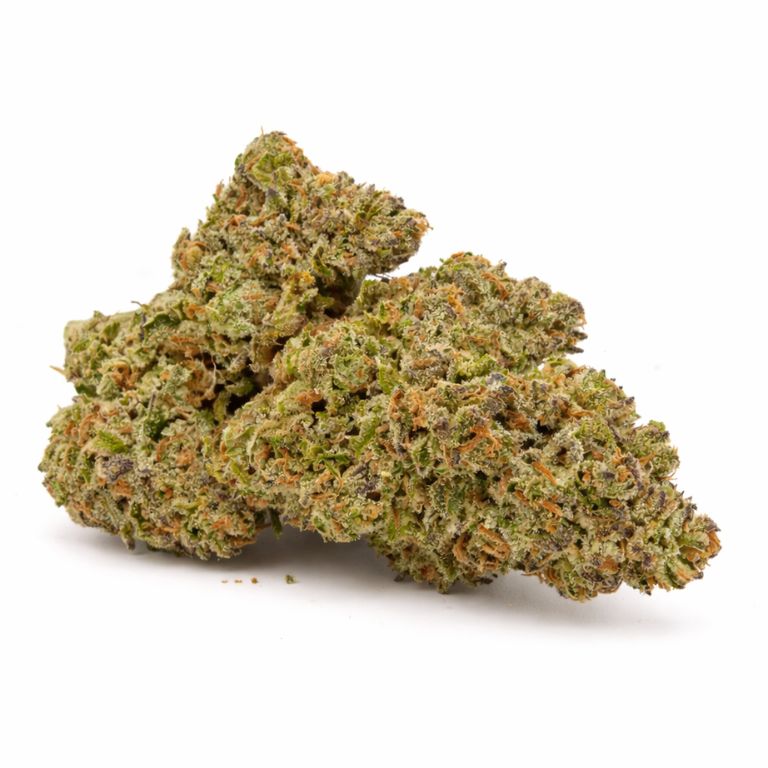
The scent is often described as fresh and conifer-leaning, with pine-herbal aroma notes that sharpen during late bloom and become clearer after cure. Grow rooms usually benefit from odor control, because the aroma can build quickly as flowers mature and resin increases. Keeping air moving through the canopy and drying slowly helps the final profile stay clean rather than musty, which many weed consumers associate with better handling and a more careful finish.
Flavor
On the palate, many describe a crisp, outdoorsy profile that mirrors the nose—bright, slightly earthy, and clean on the finish. When cured properly, pine-herbal aroma notes translate into a smoother smoke or vapor experience that stays flavorful without tasting “green.” Gentle handling during trim also helps preserve frosty calyx stacking structure, so buds remain intact and presentable, which matters to cannabis buyers who care about appearance as much as potency.
In Conclusion
Sasquatch cannabis seeds suit growers who want a THC-dominant option with medium-to-heavy yield potential and a characterful terpene profile. With solid basics—steady feeding, clean airflow, and late-flower humidity control—many gardens produce aromatic flowers with terpene-forward resin production that holds up well in the jar. For cultivators who enjoy training, a Sasquatch strain grow guide and an indoor LED grow recipe pair naturally with this cultivar, and the balanced head-and-body effect remains a common reason people seek it out.

Reviews
There are no reviews yet.