Description
Introduction
Built for growers who prefer modern genetics with predictable structure, RS11 Cannabis Seeds suit both small home gardens and tightly managed cultivation rooms. Experienced cultivators report that this weed performs best when the canopy stays level and the environment remains steady, because repeated heat or humidity swings can mute the terpene-rich hybrid character. When the crop is handled carefully from flower through cure, many buyers notice a fruit-and-fuel bouquet that blends sweet fruit with a soft gas note—a profile that tends to appeal to cannabis fans who like dessert sweetness without losing depth.
Origin and Lineage
RS-11 is widely referenced as “Rainbow Sherbet #11,” and multiple strain references describe it as a Pink Guava × OZK cross that often presents as an indica-leaning hybrid. Because it is typically sold as a photoperiod seed pack, outcomes can vary slightly by selection and environment even when the name is consistent. Many growers connect its terpene-rich hybrid reputation to profiles commonly reported as limonene-, caryophyllene-, and linalool-forward, which helps explain the sweet-meets-gas descriptions in many reviews.
Growth Difficulty and Grow Guide
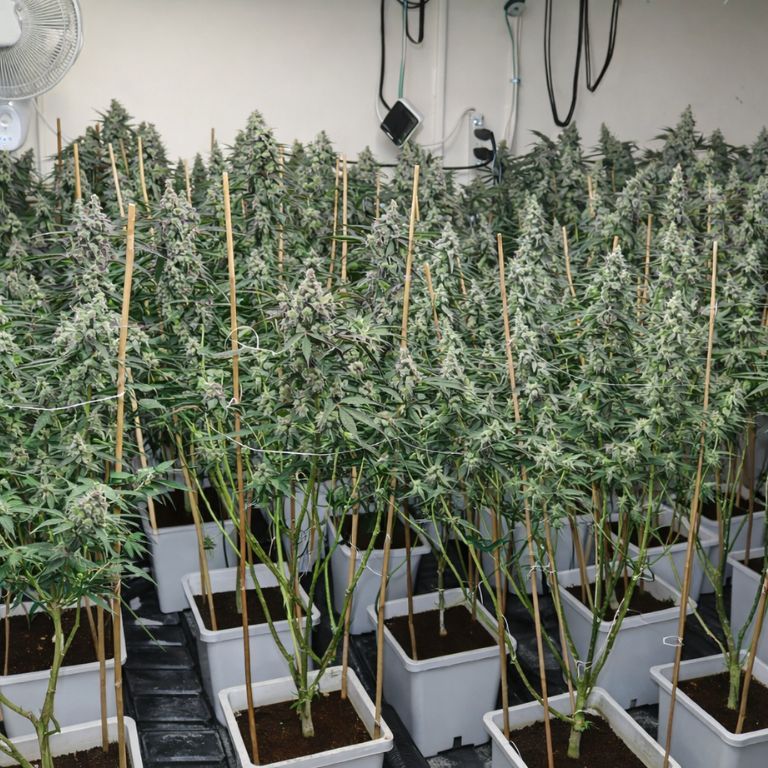
Most growers place this variety in the moderate range: approachable, but it rewards consistency. A practical RS11 grow schedule emphasizes steady irrigation, realistic light intensity, and early canopy shaping so the plant does not stretch unevenly after the flip. beginner-friendly training—such as topping once or twice, soft tie-downs, and selective leaf removal—often produces a more even canopy than heavy late defoliation, especially in indoor marijuana gardens where airflow can be restricted by dense foliage. Consistent climate targets and sensible spacing help branches hold weight later in bloom.
Nutrients and Equipment
A complete base nutrient program typically performs better than aggressive “more is better” feeding, particularly once bloom begins and uptake becomes sensitive to swings. Growers often run this photoperiod seed pack with stable pH, moderate EC, and consistent wet–dry cycles, then adjust only when leaf posture and color show a clear need. Strong air exchange, circulation fans, and a dehumidifier sized for bloom support late-flower humidity control, while greenhouse cultivation tips like timed venting and proactive pruning help prevent warm, damp pockets from forming in protected environments. For most setups, reliable meters and steady irrigation habits matter more than extra additives for maintaining healthy cannabis roots.
Flowering Phase
Many cultivation guides place indoor bloom in an 8–10 week flowering window, with outdoor plants commonly finishing around mid-to-late October depending on latitude and weather. During this period, growers running RS11 Cannabis Seeds often benefit from an RS11 grow schedule that prioritizes consistent watering and canopy airflow, helping the plant stack resin-heavy colas without softening near the end. late-flower humidity control becomes more important as buds tighten, and growers commonly lower room humidity and increase airflow late in bloom to protect density and aroma. Avoiding last-minute stress helps keep terpene expression cleaner in cannabis flower.
Harvest
Harvest timing is best guided by trichome maturity and overall plant fade, but many outdoor growers still plan around an October finish to avoid late-season storms. When RS11 Cannabis Seeds are taken at peak ripeness, resin-heavy colas tend to hold their shape through drying, and sweet notes are more likely to carry into cure. A clear drying and curing protocol—cool temperatures, steady airflow, and stable humidity—helps marijuana buds stay smooth and aromatic rather than sharp. After cure begins, many cultivators keep jar conditions stable and avoid frequent “burp” overdoing, since slow, consistent curing often preserves weed flavor best.
Common Challenges
Most problems show up as environment issues rather than genetics: pockets of still air, humidity spikes, or inconsistent irrigation that slows uptake. late-flower humidity control is the priority wherever flowers are tight, and beginner-friendly training should remain gentle so stems are not damaged during stretch. Indoors, weed odor can intensify quickly once flowers swell, while outdoors a sudden wet week late season can increase mold pressure and force earlier decisions even if the cannabis looks close to perfect. When issues appear, it usually pays to correct airflow, temperature, and watering rhythm before changing the feed.
Additional Tips
Small habits often decide the final quality more than any single additive. greenhouse cultivation tips such as early staking, pruning for airflow, and checking night humidity can keep production consistent in protected outdoor settings, while beginner-friendly training works best when started early—before branches harden and resist shaping. Many cultivators aim for a medium-tall canopy that stays evenly lit, because uniform tops typically finish more consistently and cure more evenly across the plant. For growers chasing aroma, keeping late flower calm (no big swings, no harsh pruning) often protects the final jar quality.
Germination Time
Under warm, clean conditions, many growers see emergence in 24–72 hours, though cooler rooms can extend that window. Because this photoperiod seed pack performs best when started with root health in mind, an RS11 grow schedule that emphasizes moisture control (damp, not soaked) reduces damping-off and early stalls. Whether the project is a compact indoor weed run or a small backyard cannabis garden, steady warmth, clean tools, and patience during the first week are the most reliable success factors. Once seedlings establish, gradual increases in light and airflow tend to build sturdier stems.
Wellness
User reports commonly describe RS-11 as calming with a clear mental tone, which is why it is often treated as an option for low-demand afternoons or evenings. Many consumers describe a balanced experience that can feel uplifting early and more relaxing later, although responses to marijuana depend on dose, tolerance, and individual biology. Anyone using weed for wellness goals should follow local laws, start low, and avoid combining cannabis with activities that require full attention. For new consumers, a smaller amount and a slower pace often prevents an overly intense experience.
CBD Levels
Most summaries describe RS-11 as THC-forward with low CBD, often reported under 1%, though some sources list around the 1% range depending on selection. That profile generally means the experience is driven more by THC and aroma compounds than by high-CBD balance, so cautious dosing matters for newer marijuana users. For people seeking non-intoxicating weed options, a different cannabis profile is usually a better fit. As with any cultivar, lab results vary by grower and harvest timing, so testing is the only way to confirm exact cannabinoid numbers.
Appearance
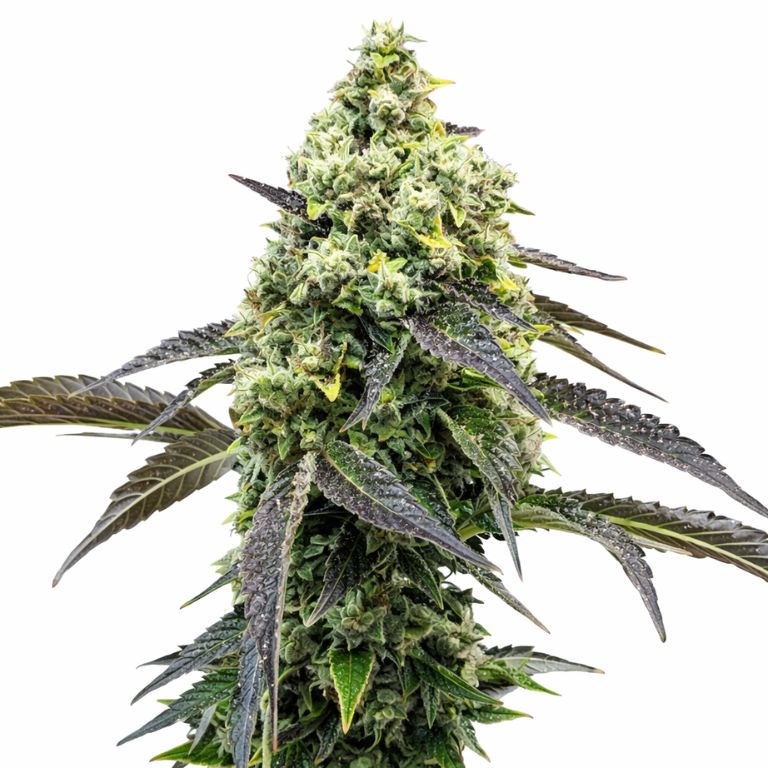
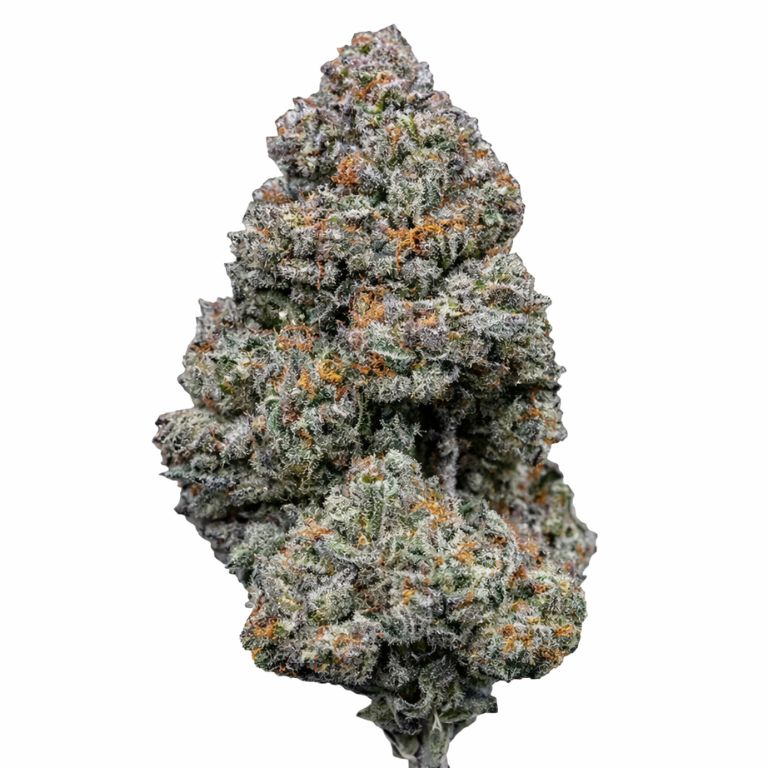
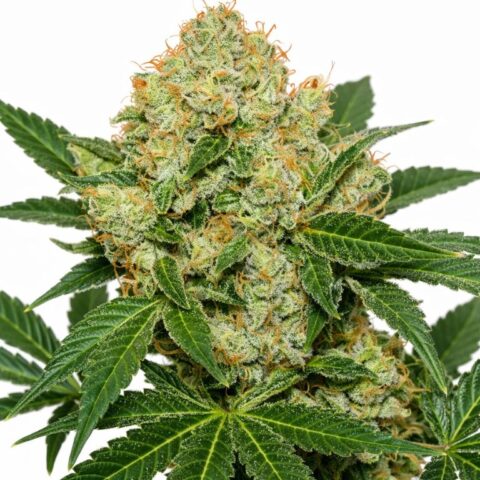
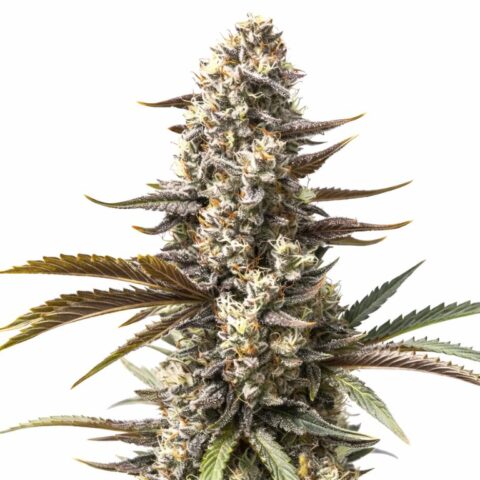
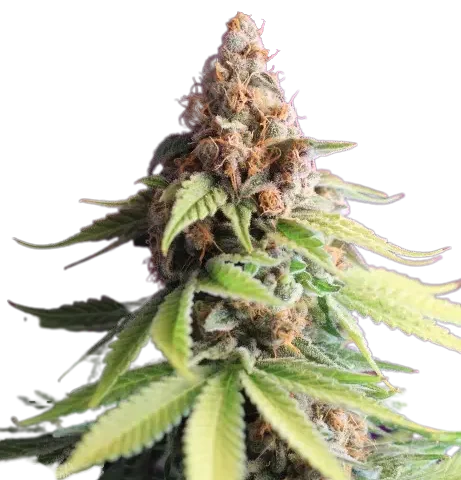
In well-managed gardens, RS11 Cannabis Seeds can produce dense, frosty flowers with color that ranges from bright green to deeper purple when nights are cooler. Many growers describe strong trichome coverage that gives cannabis buds a “sugared” look, and resin-heavy colas can feel firm when dried correctly. A medium-tall canopy often helps top flowers finish with more uniform density, and a careful trim plus clean curing conditions helps marijuana buds keep their shape and shelf appeal. That combination of frost and structure is a common marker of quality.
Plant Height
Many grow references describe indoor plants as medium height—often around 90–120 cm with training—while outdoor plants can reach roughly 150–200 cm with long veg time and full sun. For cultivators shaping a medium-tall canopy, topping and support netting are common approaches to keep weed plants from leaning as flowers gain weight. Outdoors, greenhouse cultivation tips like controlled ventilation and support staking can help manage height, wind stress, and late-season moisture. Final size is still heavily influenced by veg duration, root volume, and how consistent the climate stays.
Aroma
Aromatically, RS-11 is frequently described as sweet and fruity with a gassy, slightly earthy undertone, and that contrast is what many people mean by a fruit-and-fuel bouquet. A disciplined drying and curing protocol preserves volatile top notes, while excess heat during drying can flatten the scent quickly. In indoor marijuana grows, carbon filtration is often used for discretion, while outdoor weed gardens benefit from strong airflow that keeps flowers drier in late season. After curing starts, the aroma commonly deepens over the first couple of weeks in the jar.
Flavor
On the palate, many users describe candy-like sweetness layered with berry or citrus, followed by a soft gas note on the finish. The terpene-rich hybrid lineage is often credited for the layered taste, and the fruit-and-fuel bouquet tends to read cleaner after cure than immediately after drying. In cannabis flower, the most consistent flavor usually comes from steady feeding, minimal late stress, and a slow dry that protects the plant’s aromatic compounds. For marijuana consumers, that careful finish often translates to smoother smoke and a more persistent aftertaste compared with rushed-dried weed.
In Conclusion
RS11 Cannabis Seeds fit growers who want modern genetics capable of producing dense, aromatic cannabis with a recognizable sweet-meets-gas signature. Across widely published strain summaries, THC is often reported in a broad range (commonly from the high teens into the 20s, and sometimes higher depending on selection), with CBD typically low—so responsible use and dose awareness matter for marijuana consumers. With a consistent environment, an orderly canopy, and a strict drying and curing protocol, growers can reasonably aim for attractive weed flowers that cure into a smooth, flavorful result.

Reviews
There are no reviews yet.