Description
Introduction
This Panama offering is aimed at growers who enjoy bright, classic marijuana character and a clear, upbeat finish. Panama Cannabis Seeds are often chosen by people who want a more traditional sativa-leaning weed experience, with room for aroma to develop during curing. Many buyers specifically seek energetic daytime effects from this style of cannabis, especially when they want a clear head with minimal heaviness. For shoppers comparing packs, a panama sativa seed pack can be a practical starting point because it tends to show strong vigor when the basics—light, airflow, and watering—are handled well.
Origin and Lineage
Panama Cannabis Seeds are typically described as sativa-forward genetics inspired by older tropical lines, selected for fragrance and an uplifting effect. While exact parent plants are not always disclosed in every breeding program, the goal is usually the same: stable growth, strong resin on the calyxes, and a terpene profile that still feels sun-bright even when cultivated indoors. Experienced cultivators report that these plants reward patient training and steady conditions more than frequent, dramatic changes, which is useful knowledge for anyone learning to grow cannabis at home.
Growth Difficulty and Grow Guide
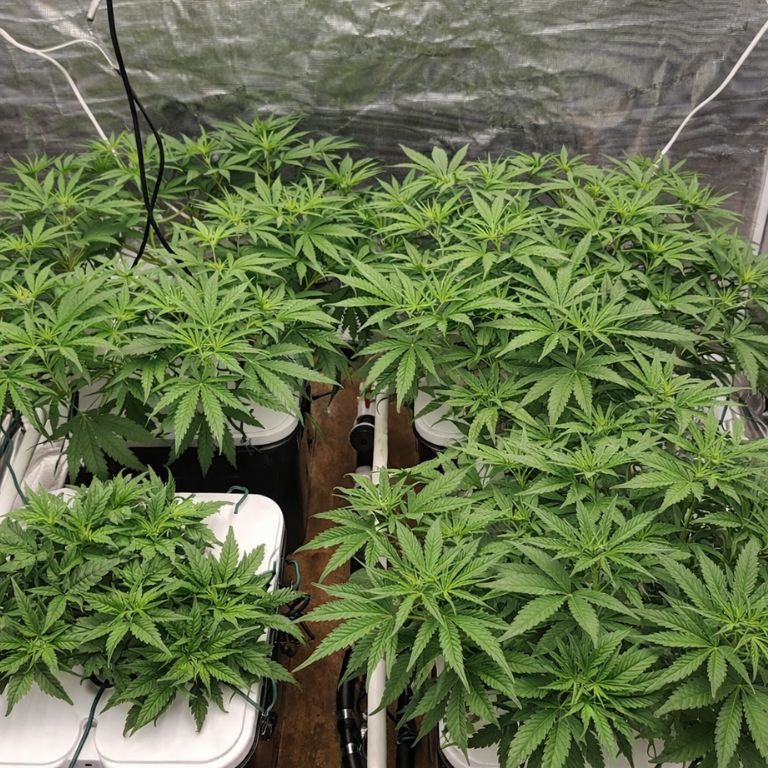
This variety is usually considered moderate to grow: forgiving enough for attentive beginners, but it performs best when the environment stays consistent. Because tall stretch growth can show up after the light schedule is changed, many indoor growers plan height early and use indoor scrog training to spread branches and keep an even canopy. Outdoors, warm climate outdoor grow conditions help the plant finish cleanly, while cooler nights can slow final ripening. When selecting a panama sativa seed pack, growers generally do best with steady watering, good airflow, and a calm approach to training.
Nutrients and Equipment
A balanced feeding plan tends to be the safest approach—moderate nitrogen in vegetative growth, then a gradual shift toward bloom nutrition as flowers form. Panama-leaning plants often prefer steady EC and careful pH, especially in hydro or coco, where swings can show quickly in leaf posture. Strong airflow, a reliable exhaust fan, and a simple dehumidifier during late flower can protect cannabis buds as they swell. Clean measuring tools and a consistent routine usually matter more than chasing “maximum” numbers, particularly for home marijuana gardens.
Flowering Phase
Panama Cannabis Seeds commonly take longer than many modern hybrids, so growers should expect a long-flowering sativa schedule and plan space accordingly. During early bloom, tall stretch growth may continue for a couple of weeks, and light training helps keep tops at an even distance from the fixture. As flowers stack, an airy cola structure can appear, which many growers like because it improves airflow through the canopy. Most gardens see the best finish when nights stay stable and humidity is kept in check to protect developing weed flowers.
Harvest
Because this is a long-flowering sativa, harvest timing is best judged by trichomes and overall ripeness rather than a single calendar date. Indoors, many growers target roughly 10–12 weeks of bloom, while outdoor plants may finish later depending on latitude and weather. In warm climate outdoor grow setups, the plant can produce larger branches and heavier total yield, but careful support is helpful in windy areas. A slow dry and a controlled cure protect aroma and keep marijuana flowers smooth, especially for people who value flavor over raw potency.
Common Challenges
The most common setbacks are environmental: heat spikes, high humidity, and uneven airflow around developing buds. An airy cola structure can reduce risk compared with very tight flowers, but it still needs good circulation to prevent moisture pockets. Nutrient stress can also show up if feeding changes too quickly, especially late in bloom when the plant is finishing. Regular inspections, gentle defoliation, and stable conditions usually prevent problems before they become serious for indoor weed growers.
Additional Tips
Growers who want the best structure often top early, then use indoor scrog training to guide branches outward instead of letting the plant climb straight up. Outdoors, warm climate outdoor grow planning—good sun exposure, wide spacing, and consistent irrigation—often improves both aroma and finish. Many experienced gardeners also note that a lighter touch in the final weeks (less nitrogen, steady humidity, and no sudden changes) helps the plant ripen evenly and keeps the final cannabis jar more fragrant.
Germination Time
With clean water and warm temperatures, most seeds sprout in about 24–72 hours, though some may take a bit longer depending on storage and method. Many growers start in a lightly moistened medium and transplant once the seedling is stable to avoid stalling. Gentle early handling supports a stronger root system, which can make later training and flowering more predictable. Keeping the first week simple—warmth, moisture, and light airflow—usually produces the healthiest start for marijuana seedlings.
Wellness
This cultivar is usually selected for energetic daytime effects that feel clear and social rather than sleepy. Many users describe a quick mental lift followed by a calm, steady body feel, which can suit daytime tasks when used responsibly. Because the low cbd profile is common in THC-forward marijuana varieties, new consumers often start with smaller amounts and adjust slowly. Individual responses to cannabis vary, and local laws and personal tolerance should always guide use.
CBD Levels
Most reports describe a low cbd profile, often under 1%, with the focus placed on THC and terpene expression. Cannabinoid numbers can vary by phenotype, grow style, and harvest timing, so it is best to treat any percentage as a typical range rather than a guarantee. For buyers who want meaningful CBD, another cultivar may be a better fit. For those seeking classic weed strength, the profile is often described as high-teens to low-20s THC potential when grown and cured well.
Appearance
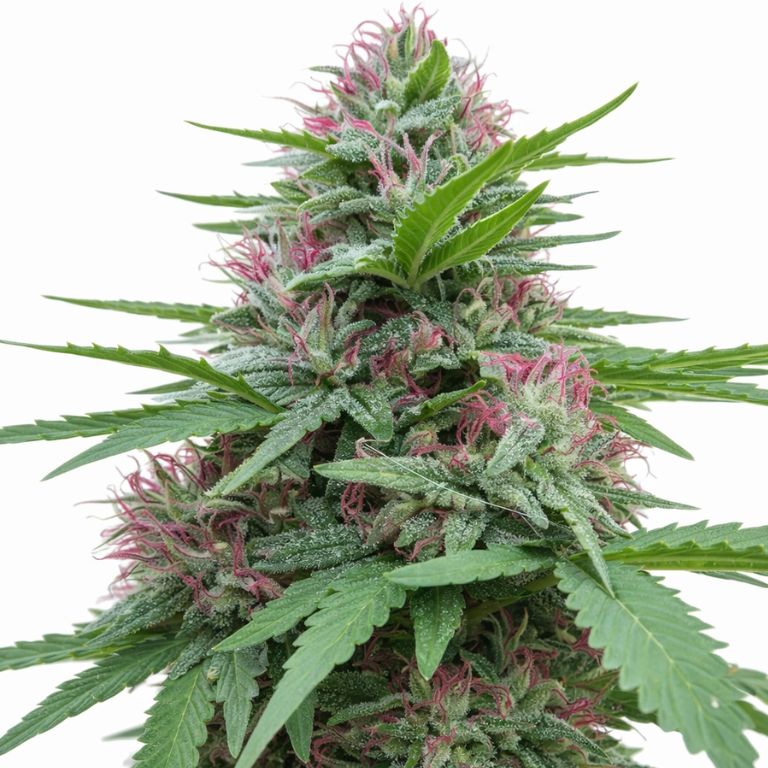
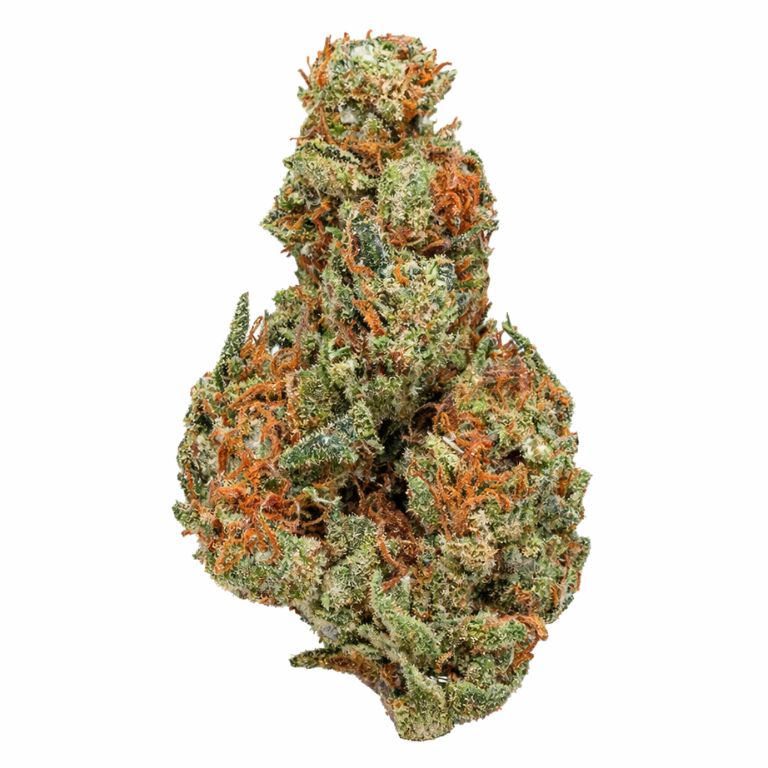
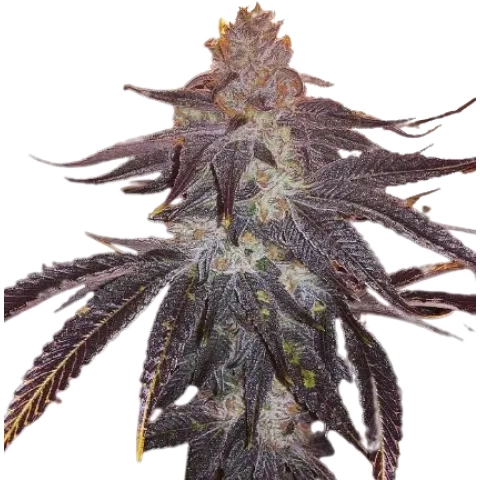
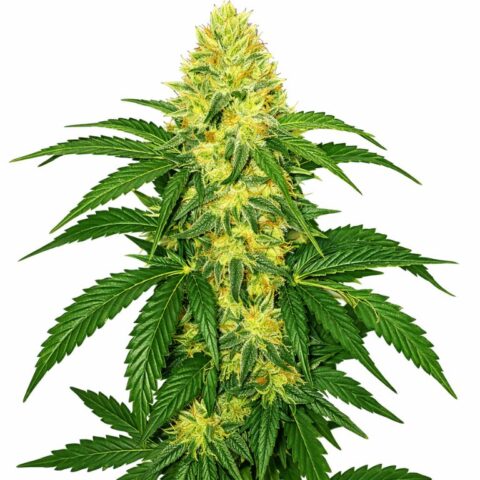
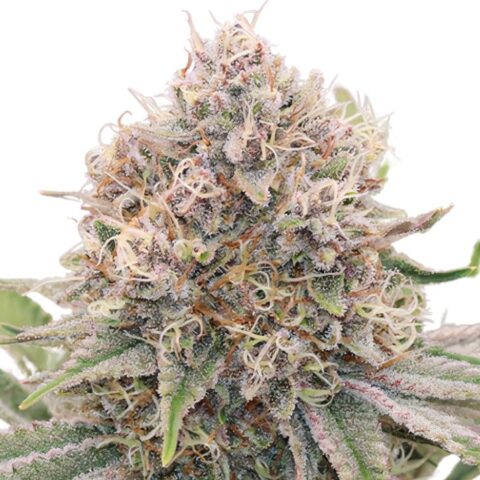
Plants commonly finish with bright green flowers, noticeable trichome sparkle, and contrasting pistils that deepen in color as the plant matures. An airy cola structure is often part of the look, especially in gardens with strong light and good airflow. Many growers also notice that sugar leaves carry resin heavily, making trimming a bit sticky but rewarding for bag appeal. A careful cure helps the buds tighten slightly and keeps the overall presentation clean for cannabis photography.
Plant Height
Panama can run medium to tall depending on veg time and training, and tall stretch growth is a key trait to plan for. Indoor growers often control size with indoor scrog training, early topping, and a timely flip to bloom. Outdoors, plants can become much larger with full sun and root space, so spacing and support matter. Managing height is less about forcing the plant and more about shaping it early so light reaches the whole canopy and weed sites develop evenly.
Aroma
Panama Cannabis Seeds are known for fragrance that leans tropical and spicy, with many gardens developing a tropical haze aroma as flowers mature. Alongside that, citrus-spice flavor cues often show up in the scent, especially after the first week of curing. When the room is dialed in, the tropical haze scent can become more layered—sweet on the top end, sharper underneath—so carbon filtration is recommended indoors. Proper drying protects these terpenes and keeps the cannabis smell crisp rather than grassy.
Flavor
After curing, many users describe a bright taste that matches the nose, with citrus-spice flavor up front and a lightly herbal finish. Some batches also carry a tropical haze aroma on the exhale, especially when buds are dried slowly and stored properly. A steady cure in glass, with occasional burping early on, helps preserve the most delicate notes and keeps harshness down. As with most marijuana flowers, flavor is best when the plant was not rushed at the end.
In Conclusion
For growers who want a classic sativa-leaning experience, Panama Cannabis Seeds can be a strong choice, especially when patience is built into the schedule. A panama sativa seed pack is often purchased by people chasing energetic daytime effects without a heavy, sedating finish, and the low cbd profile fits that THC-forward style. When grown with a long-flowering sativa timeline, the plant can reward the garden with a lively tropical haze aroma and a clean, citrus-spice flavor that stands out in the weed jar.

Melani Fitzpatrick –
Phenomenal resin production on these!
Oakleigh Walton –
They look like frosted mini-trees.
Mira Winters –
It can also put you right to sleep if you’re not careful.
Deandre Ingram –
Recommend for anyone looking for a strong body high.
Katie Meadows –
My tolderance level is super high already!!!
Wayne Zhang –
It gave me a good, energizing high that left me feeling euphoric and relaxed.
Sarai Marks –
The plants I grew were medium-sized and sturdy, making the growing experience enjoyable.
Raphael Lee –
Love the strain.
Jaiden Wilkinson –
It smells and tastes amazing!!
Michelle Banks –
Giggly goose over here.
Kane Ingram –
Love this strain.
Terrance Burton –
Grew it for 4 yrs. Great for indoor grows
Caleb Connell –
Seems like a good choice for sleep
John Alessi –
My appetite has increased
Benjamin Wright –
Really nice strain!
Mark Walch –
Great hybrid effects
Amos Johnson –
Sativa dominant, but has a good body high to go along.
Christopher Kantz –
relax an mellow
Jonathan Collett –
Wonderful strain.
Patrick Schlecht –
Definitely a smoke that will energize and yet provide relaxation.
Edward Conte –
oh my, what a happy buzz.
Jesse Childs –
so good
Charles McCarthy –
Very intense high
Edward Zipp –
I enjoy this strain.
Jeremiah Cardwell –
the best
Michael Vinci –
Kills all anxiety.
Kimberly M Geisler –
It’s aight
Jayden Ewing –
It’s great but the dry mouth is a bitch.
Bethany Simpson –
This is by far ONE of my fav.
Derrick Dominguez –
Makes me talkative and happy
Francisco Gardner –
The taste is absolutely fantastic
Sonny Cherry –
it’s smooth and tastes mostly how it smells.