Description
Introduction
Nutter cannabis seeds are positioned for growers who want a modern weed cultivar with a rich nose and a balanced grow cycle that fits many home setups. In the garden, they are often treated like high THC photoperiod seeds that reward consistency rather than constant intervention, and many growers keep notes early because the first few weeks strongly influence structure. Those starting from scratch benefit from simple weed seed germination tips—stable warmth, clean handling, and gentle moisture—before the plant ever sees intense light. When the plant is dialed in, experienced cultivators often describe an earthy vanilla aroma that becomes more noticeable as flowers mature.
Origin and Lineage
Breeding details can vary by seed lot and phenotype, so this variety is best understood by how it performs rather than by a single “one-line” family tree. Growers typically report a steady, dependable start that makes selection easier, especially when tracking vigor and early branching patterns. In many gardens, Nutter cannabis seeds are chosen by people who prefer predictable structure and straightforward training options rather than finicky plants that demand constant correction.
Growth Difficulty and Grow Guide
This cultivar is commonly approached as a moderate-difficulty marijuana grow: manageable for newer growers who follow a plan, and enjoyable for experienced hands who like shaping plant structure. A solid Nutter strain grow guide usually focuses on early root health, consistent light intensity, and keeping the canopy even, since indoor canopy management can make a noticeable difference in both airflow and bud set. Many phenotypes also present as a compact marijuana plant, which can be helpful in tents, smaller rooms, or discreet corners of a greenhouse.
Nutrients and Equipment
Feeding should be built around steady progression rather than big swings—healthy cannabis tends to respond best to routine, measurable inputs. Many growers treat this as a cultivar that likes a clean base nutrient line, plus careful monitoring of EC and pH as the plant ramps up. Because it’s often grown like high THC photoperiod seeds, lighting quality and canopy coverage matter; a stable environment and reliable exhaust setup usually outperform extra additives. Good airflow, a simple hygrometer, and a consistent watering schedule often do more for success than chasing complicated supplements.
Flowering Phase
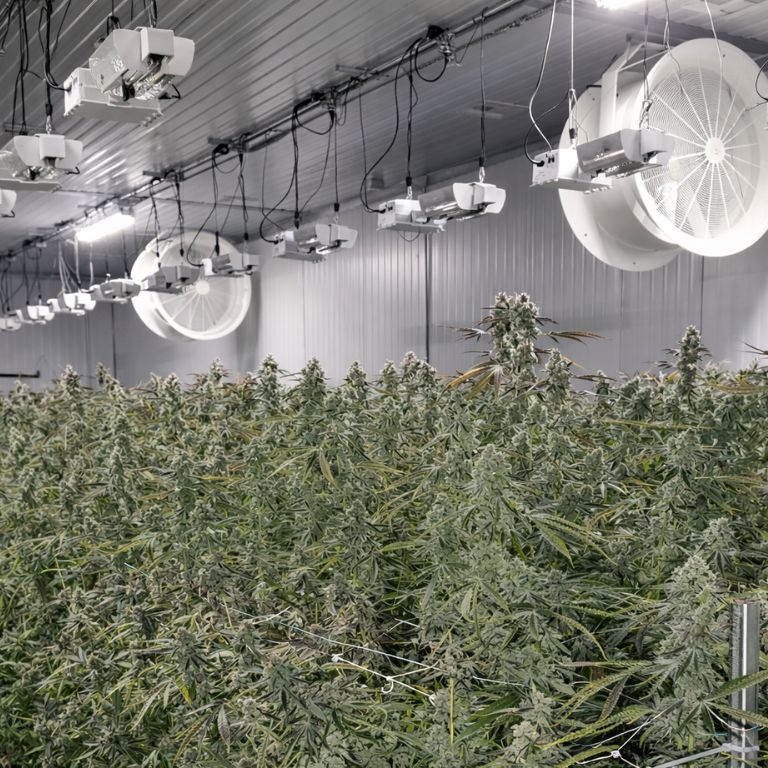
Flower development generally rewards patience: a steady environment and gradual changes tend to produce tighter, better-formed cannabis buds. When indoor canopy management is handled well, light reaches more sites evenly, and growers often see smoother ripening across the plant. Many treat the cultivar as high THC photoperiod seeds and avoid stressing it late in flower, focusing instead on calm conditions that support resinous bud production and good terpene retention.
Harvest
Harvest timing is best decided by visible maturity cues rather than the calendar alone, especially when different phenotypes finish at different speeds. Growers looking for peak texture and scent usually harvest when flowers are fully formed, trichomes look mature, and the plant has slowed its final push. At that point, resinous bud production tends to be most obvious, and many growers chasing evening relaxation effects prefer to harvest when the plant’s expression feels deeper and more settled. For careful planning, Nutter cannabis seeds are often selected by cultivators who want a harvest window they can manage without rushing.
Common Challenges
The most common setbacks tend to be environment-related rather than genetics-related: inconsistent watering, poor airflow, or humidity swings can reduce flower quality. A compact marijuana plant can be an advantage, but it also means crowded growth if it’s not trained early, so spacing and pruning matter. For growers aiming for a low odor grow strategy, it’s important to remember that “low odor” is relative—terpenes still develop—so carbon filtration and negative pressure are still the practical solution, especially during late flowering.
Additional Tips
A simple routine beats constant tweaking: keep notes, change one variable at a time, and watch how the plant responds over 5–7 days. Many growers use a Nutter strain grow guide as a checklist—root health, structure, airflow—rather than as strict rules, and they keep applying weed seed germination tips to future runs by saving what worked (temperature, moisture, and handling). If odor control is a priority, plan equipment early and treat it as part of a reliable low odor grow strategy, not an afterthought.
Germination Time
Germination speed depends on freshness, storage, and technique, but many cannabis seeds sprout within a few days when conditions are stable. Clean water, gentle warmth, and patience are the keys, and beginners do best when they follow the same weed seed germination tips each time rather than switching methods mid-process. Once the seed cracks and shows a healthy taproot, keeping the medium lightly moist (not soaked) helps reduce early stress and supports a strong start.
Wellness
Many consumers describe effects in a way that fits relaxed evenings: a calmer body feel paired with a more settled mood, depending on dose and tolerance. Those seeking evening relaxation effects often prefer moderate intake and a slower ramp-up, especially with stronger marijuana varieties. As with any weed product, individual response varies; responsible use means starting low, staying hydrated, and avoiding activities like driving if impairment is possible.
CBD Levels
This cultivar is typically treated as a THC-forward option, with CBD commonly reported as low, though exact cannabinoid results depend on phenotype and how the plant is grown. Growers who choose high THC photoperiod seeds usually do so for stronger psychoactive potential rather than CBD-rich outcomes. For accurate cannabinoid numbers, the most trustworthy approach is third-party lab testing of the finished cannabis flower.
Appearance
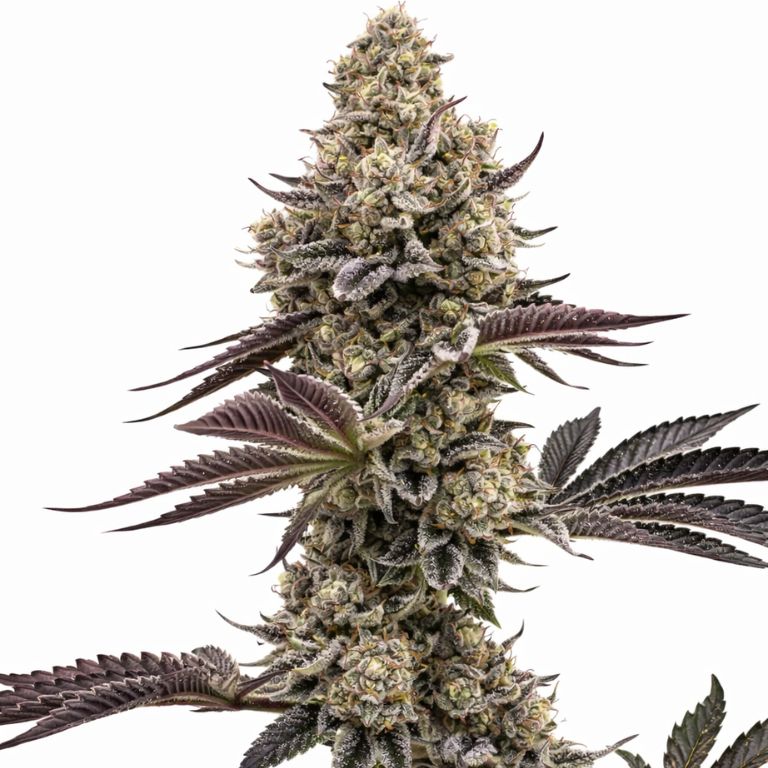
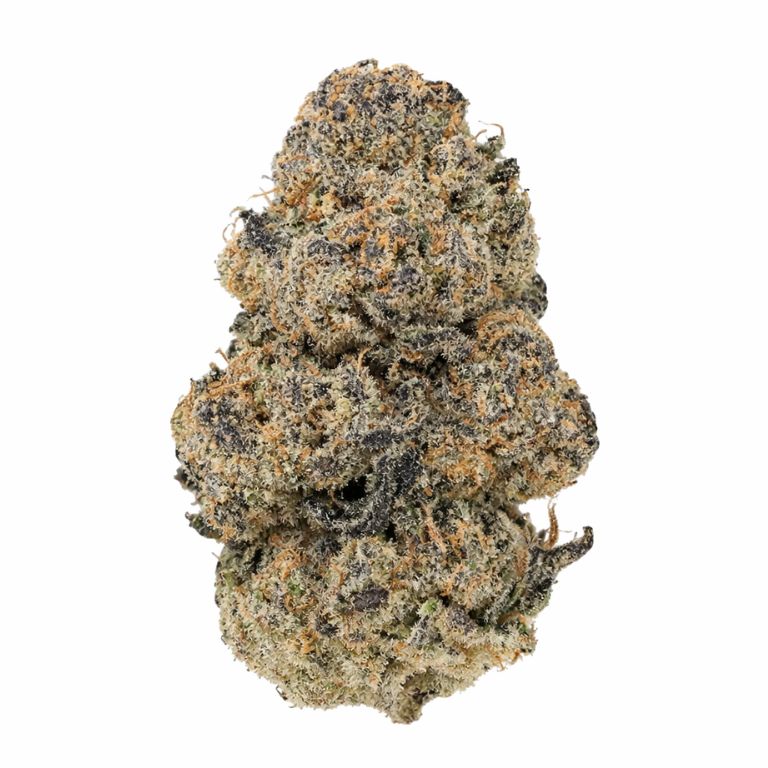
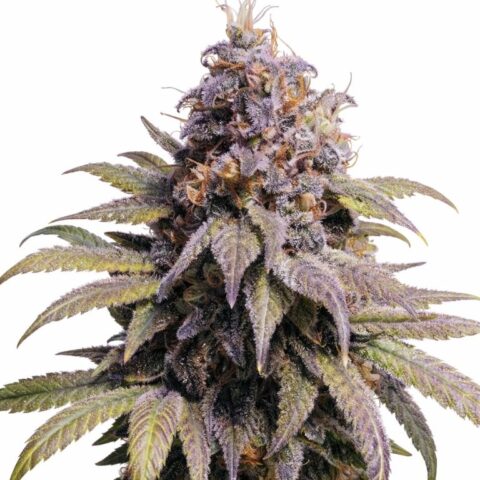
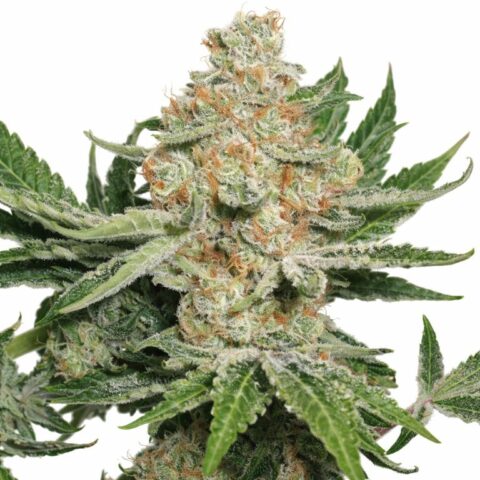
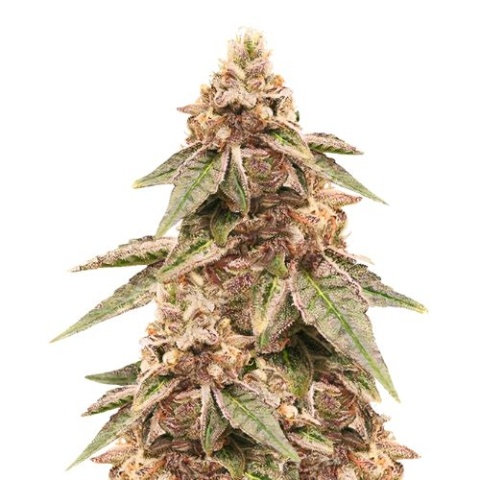
Buds often develop a dense, well-stacked look when the plant is trained and fed consistently, especially in controlled indoor settings. Many growers note that flower structure tightens as maturity approaches, and resinous bud production becomes easier to see as trichomes build across calyxes and sugar leaves. Careful drying and curing typically preserve the best bag appeal and help the buds keep their full character.
Plant Height
In many indoor grows, this variety can present as a compact marijuana plant, especially when trained early and kept in a stable vegetative routine. Plant height can still vary by phenotype, pot size, and light intensity, so topping, low-stress training, and selective pruning are common choices. For best results, indoor canopy management helps keep the top growth even, prevents shading, and improves airflow around developing weed flowers.
Aroma
Aroma often starts mild and becomes stronger as flowering progresses, especially in the final weeks when terpene output peaks. Growers frequently report an earthy vanilla aroma with deeper undertones, and those prioritizing a low odor grow strategy usually plan filtration early because late-flower scent can be stubborn. Proper drying with steady airflow helps maintain the aroma without turning it harsh.
Flavor
Flavor often mirrors the smell when curing is done correctly, with smoother hits and clearer character after enough time in jars. Many describe a sweet-leaning, dessert-like impression that fits a dessert terpene profile, and some phenotypes keep an earthy vanilla aroma on the palate even after exhale. With careful curing, the dessert terpene profile tends to come through more clearly and can feel more refined rather than sharp.
In Conclusion
For growers who want a reliable weed project with flavorful rewards, Nutter cannabis seeds offer a practical path that suits both careful beginners and detail-driven cultivators. A consistent Nutter strain grow guide helps keep the run predictable, while smart feeding and calm conditions can support resinous bud production without unnecessary complications. Those who value a dessert terpene profile and evening relaxation effects often appreciate this cultivar most when it’s grown patiently and cured properly, and a planned low odor grow strategy can make the entire experience easier in indoor spaces.

Reviews
There are no reviews yet.