Description
Introduction
Mothers Helper cannabis seeds are positioned for growers who want a balanced plant that’s practical to manage and pleasant to enjoy. Many home cultivators choose Mothers Helper feminized seeds when they’re aiming for a medium THC hybrid that feels clear-headed yet still takes the edge off, making it useful cannabis for busy schedules. Finished buds are often described as smooth, with an herbal berry flavor that leans fresh and botanical rather than syrupy. For buyers shopping marijuana or weed genetics with everyday usability in mind, this cultivar is usually evaluated by its steadiness from sprout to harvest—not hype.
Origin and Lineage
Mother’s Helper is widely described as a true hybrid that blends a dessert-leaning, cocoa-scented tropical sativa influence with a Northern Lights #5–style indica backbone. Because different selections exist, growers may see phenotypes that lean slightly brighter or slightly heavier, but most reports point to a middle-of-the-road expression. Rather than chasing a single “official” story, experienced gardeners often judge lineage by behavior: moderate stretch after the flip, layered bud sites, and a finish that can feel uplifting without feeling racy. This mix is one reason the strain is frequently recommended to people who want versatile weed for multiple times of day.
Growth Difficulty and Grow Guide
In most home setups, Mothers Helper cannabis seeds are considered beginner-friendly with a little canopy management. A low stress training setup works well here: topping once, bending branches outward, and keeping an even surface helps turn one plant into many equal bud sites. When space is limited, a light net can increase scrog tent yield by keeping tops at the same height and preventing shaded “dead zones.” Experienced cultivators report that gentle, consistent training beats aggressive pruning, especially in smaller tents where recovery time matters.
Nutrients and Equipment
Mother’s Helper usually responds best to steady inputs rather than dramatic feeding changes. In soil or coco, many growers keep nitrogen moderate during vegetative growth and transition gradually to bloom nutrition while monitoring runoff and leaf tone. A low stress training setup is easier to maintain with simple tools: soft plant ties, a basic trellis, and a dependable oscillating fan to keep air moving around developing flowers. Odor control is typically handled with an inline fan and carbon filter, and stable temperature/humidity control tends to matter more than chasing the most intense light.
Flowering Phase
Indoors, Mothers Helper cannabis seeds commonly finish in roughly 8–9 weeks after the light change, with many rooms landing around 55–65 days depending on phenotype and environment. During this window, dialing in airflow and spacing is essential for mold prevention in bloom, particularly once flower density increases and night humidity can creep upward. Growers who train early often see stronger scrog tent yield because light reaches more tops evenly instead of concentrating on a single dominant cola. From a buyer-intent perspective, this is the phase where consistency shows: stable conditions usually translate into cleaner aroma and a smoother smoke.
Harvest
Outdoor gardens often come down in mid-autumn, while indoor growers typically harvest based on trichome maturity rather than a calendar day alone. For many home tents, scrog tent yield improves when branches are supported before they droop, because airflow and light penetration stay consistent through the finish. A gentle dry at moderate temperature and humidity helps preserve nuanced scent better than rushing, especially for cultivators who prefer clean-burning marijuana flower. After drying, a patient cure for terpene retention can keep the terpene profile lively and reduce the sharpness that sometimes shows up in fast-dried weed.
Common Challenges
Most problems come from environment swings rather than genetics. Overwatering and high night humidity can raise risk during dense flower formation, so growers usually focus on airflow, spacing, and selective leaf removal that improves circulation without stripping the plant. If conditions run damp, mold prevention in bloom becomes a priority: keep extraction steady, avoid wetting flowers during maintenance, and prevent large temperature drops after lights-out. Nutrient-wise, heavy salts late in flower can mute flavor and increase harshness, so gradual adjustments and observation typically outperform last-minute corrections.
Additional Tips
Training early is the simplest “multiplier” for this plant, especially for growers who want uniform development across the canopy. A low stress training setup—tuck and tie in early veg, then minor leveling after stretch—often creates a clean layout without turning the grow into a constant project. Small details like leaf-surface airflow, clean intakes, and avoiding overcrowding support mold prevention in bloom and reduce the odds of pests settling in hidden pockets. In use, many consumers describe it as functional daytime weed when dosing is conservative and hydration is maintained.
Germination Time
Most fresh seed lots sprout in 24–72 hours in warm, moist, oxygen-rich conditions, although some seeds can take up to a week depending on storage and handling. Mothers Helper feminized seeds are typically started with a simple approach: lightly damp medium (not soaked), stable warmth, and minimal disturbance once the taproot appears. After sprouting, gentle light and careful watering help seedlings establish roots before any training begins. For new growers, patience in the first week often prevents the slow starts that come from overwatering or overhandling.
Wellness
Consumers often describe effects that begin with a lift in mood and motivation, then settle into a calm body buzz that doesn’t immediately pull the user into the couch. That profile is why it’s frequently discussed as functional daytime weed—many people report it feels social and task-friendly in small doses. As a medium THC hybrid, it can still feel strong for lower-tolerance users, so a “start low, go slow” approach is the safest rule of thumb. Any wellness use should follow local laws and personal medical guidance, and it is best avoided before driving or operating equipment.
CBD Levels
Across public strain references, CBD is generally described as present but not dominant, with most phenotypes testing in a low-to-moderate range compared with CBD-focused cultivars. In a medium THC hybrid, CBD may contribute to a smoother overall feel for some users, but results vary based on phenotype, harvest timing, and individual sensitivity. Shoppers looking for a balanced marijuana option often evaluate cannabinoid content alongside terpene profile rather than relying on one number alone. Lab results can differ between grows, so the most reliable approach is to treat cannabinoid content as a range, not a guarantee.
Appearance
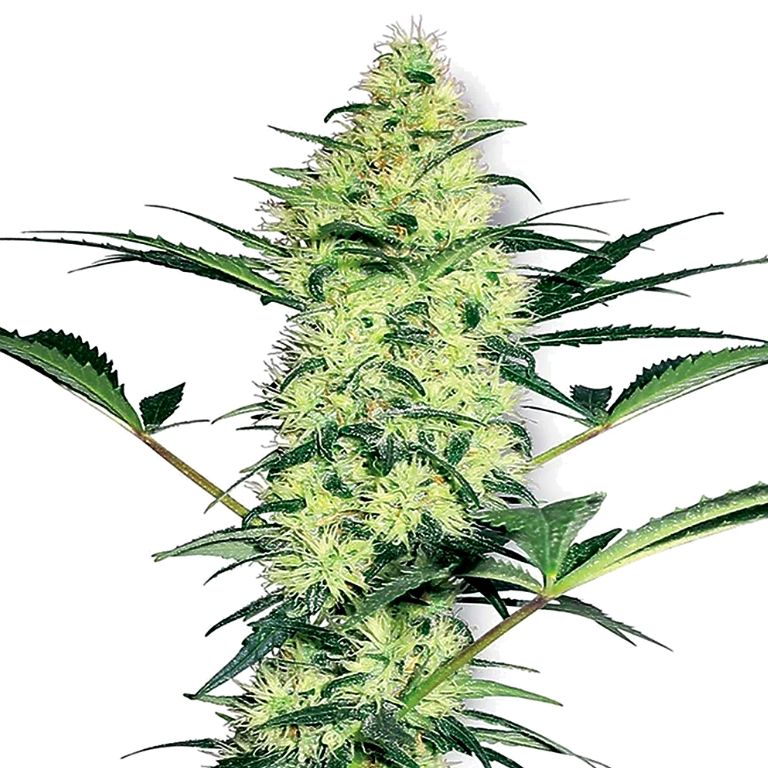
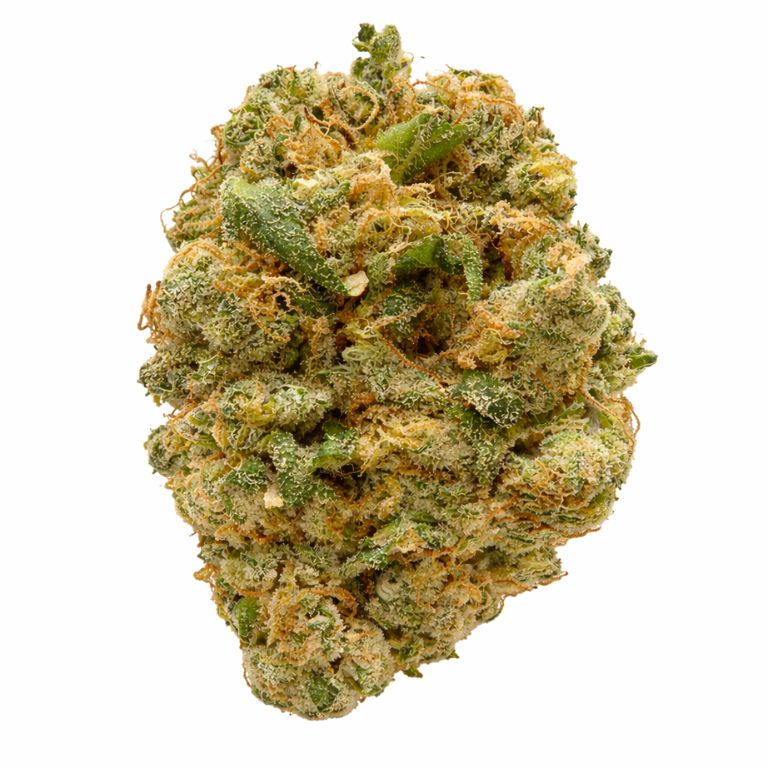
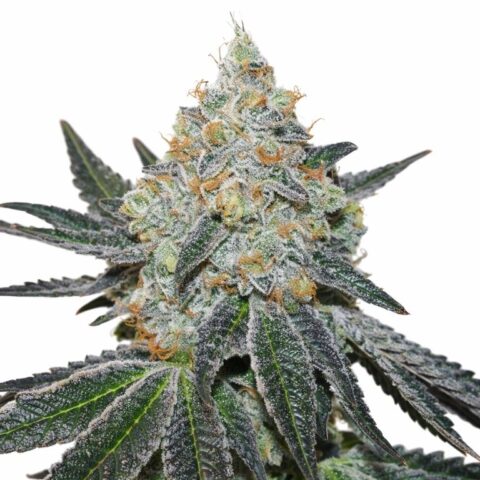
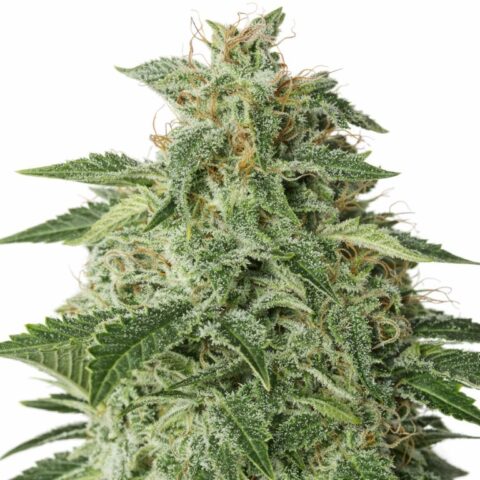
Well-grown flowers typically show a thick trichome layer that gives buds a frosted, matte look under light. Calyxes often stack into chunky clusters, with pistils that darken as maturity approaches and sugar leaves that sparkle with resin. In trimmed cannabis buds, the structure usually looks compact and “finished” rather than wispy, especially when lighting and nutrition are kept stable. Bag appeal tends to be strongest when the dry is slow and handling is gentle.
Plant Height
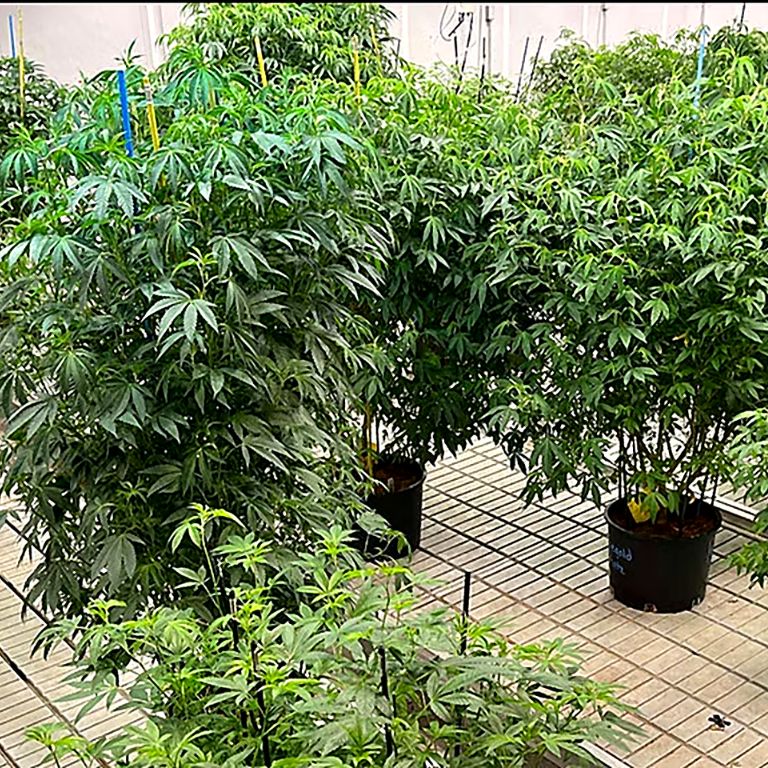
Plant height is usually manageable indoors, but the strain can stretch after the flip, especially in warmer rooms or under high-intensity lighting. Most growers keep it under control with early topping and lateral training, which also helps distribute light across more bud sites. Outdoors, it can become taller and broader with a longer season, so spacing and support matter in windy areas. For many home cultivators, it’s a flexible weed plant that adapts well to both tents and garden beds.
Aroma
In late flower and after curing, Mothers Helper cannabis seeds are often associated with a layered scent that mixes forest herbs, light citrus, and a mellow sweetness. Many tasters describe a sweet tea aroma that becomes clearer once buds are properly dried and stored away from heat and excess oxygen. The aromatic impression can shift with phenotype, but the overall direction is usually “clean and herbal” rather than sharply skunky. For cannabis growers who value scent quality, steady airflow and controlled humidity late in bloom do more than any additive.
Flavor
On inhale, the profile often leans herbal and gently sweet, with an herbal berry flavor that reads smooth in vapor. Some batches also carry the same sweet tea aroma into the exhale, especially when the cure is handled slowly. A steady cure for terpene retention helps maintain these finer notes instead of letting the taste flatten into generic “green” cannabis. Many users report the flavor pairs well with a relaxed mindset and a gradual calm body buzz when used responsibly.
In Conclusion
For growers prioritizing consistency, Mothers Helper cannabis seeds offer a practical balance of structure, timing, and an approachable effect profile. Mothers Helper feminized seeds can be a smart pick for home gardens that value predictable training response and straightforward finishing. The terpene experience—anchored by sweet tea aroma and an herbal berry flavor—stays most vivid with a patient cure for terpene retention and stable environmental control during bloom. For many consumers, it lands as functional daytime weed with a steady calm body buzz when dosing is moderate and setting is comfortable.


Luisa Curry –
These seeds turned me into a successful home grower.
Briggs Wilkinson –
The germination rate was exceptional – every seed sprouted!
Macy Byrd –
Pleasant mood, no paranoia, no couch-lock.
Cristian Morris –
Be careful with this if you are new to MM, it could be a little much.
Genesis Jacobson –
My brother and I both use this strain to medicate for a number of medical conditions.
Legacy Perkins –
I highly recommend it to all MMJ patients.
Sage Hill –
I officially love this strain.
Osvaldo Day –
My friends and I describe this as a “happy giggly” kind of high.
Reagan Meyers –
Its relaxing and uplifting
Dahlia Mosley –
Perfect for boosting creativity
Donald Howell –
Nice strain
Baylee Casey –
Top shelf I agree
arvid sadler –
Really put me in another world.
Kwaman Estes –
Felt amazing
Jon Titherington –
Possibly my favorite strains.
LeRoy Ellington –
That distinct taste.
Patrick Coyne –
Smells very chemical, but has very nice effects.
Fayth Smith –
I remember getting hungry.
Ken flickinger –
Best strain for anxiety ever
Manuel Rios –
100% would recommend you try it.
Roger Collins –
I have never had something put me to sleep more easily than this.
Tony Ybarra –
Good
Nigel Butler –
Smoke this strain as a concentrate. It does wonders for my back and ankle issues.
Jacey Drake –
Very aromatic.
Cali Montes –
Stuffs great
Lilliana Simpson –
Like it
Davion Stevens –
Perfect for replacement of pain meds!