Description
Introduction
Melonade is a lively, fruit-forward option built for growers who want an uplifting daytime vibe without sacrificing bag appeal. RKS presents Melonade cannabis seeds as a modern choice for cannabis gardens where aroma and structure matter just as much as potency. Customers who buy Melonade seeds online are typically chasing bright citrus notes, yet seasoned cultivators also appreciate how quickly the plant shows its personality in early veg. When the environment stays steady, this weed can finish with clean, fragrant buds that cure into a confident, crowd-pleasing profile.
Origin and Lineage
Across major strain references, Melonade is most often described as a sativa-dominant hybrid linked to Lemon Zkittlez and Lemon Tree genetics, though some directories list closely related Lemonade-family inputs depending on breeder history. Because naming conventions vary in marijuana culture, it is safest to treat the parentage as “commonly reported,” while focusing on the traits that remain consistent from run to run. Those traits match a sativa-leaning hybrid cannabis style: bright citrus-fruit expression, a clear, social lift, and a plant that responds well to training for a tidy canopy.
Growth Difficulty and Grow Guide
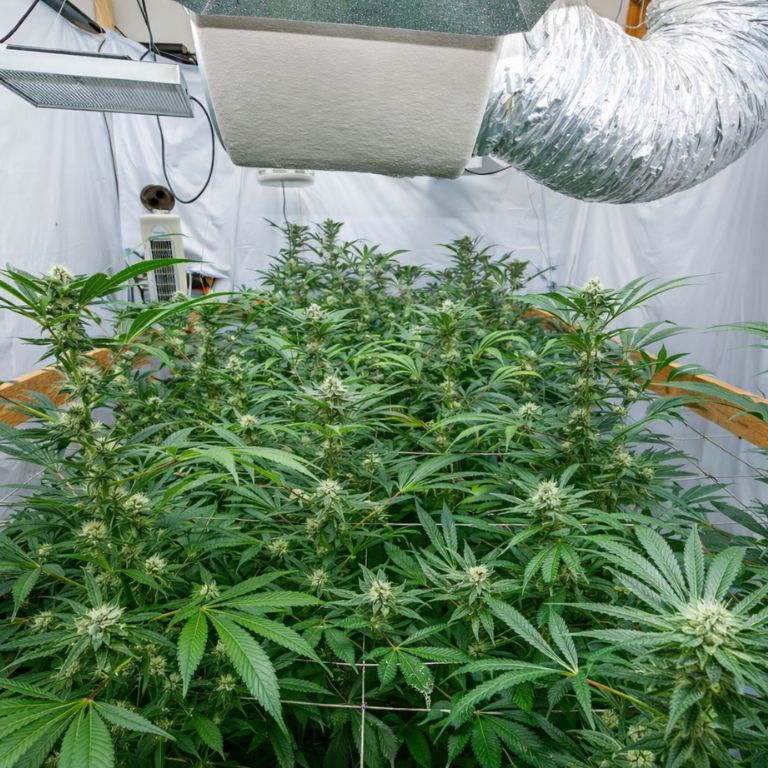
Most growers place Melonade in the “intermediate-friendly” category: it is not fragile, but it does reward attention to airflow and canopy management. Early topping and gentle plant bending help keep node spacing even, which supports more uniform light distribution and reduces larfy lower sites. In RKS trial grows, cultivators report that this weed responds well to low-stress training once the plant is established. Under strong LEDs, Melonade indoor yield tends to improve when a flat canopy is maintained and the root zone is kept consistently moist—not wet, not dry. With basic discipline, Melonade cannabis seeds can perform reliably for hobby growers and small-scale production rooms alike.
Nutrients and Equipment
A simple, balanced feed schedule usually works best—steady nitrogen through vegetative growth, followed by a gradual shift toward bloom nutrition once flower sites are established. An EC meter and accurate pH management protect the root zone and help the plant express terpenes instead of correcting deficiencies late in the cycle. Experienced cultivators emphasize that the Melonade terpene profile holds up best when the grow avoids aggressive “pushes” and focuses on consistent hydration and oxygenation. In both cannabis and marijuana cultivation, good airflow, clean intakes, and adequate dehumidification are often the most valuable “equipment upgrades.”
Flowering Phase
During early bloom, Melonade often stretches before stacking into dense clusters that build frost week by week. In well-controlled rooms, Melonade cannabis seeds usually respond best to steady light intensity and consistent night temperatures. Many sources place Melonade flowering time around 9–10 weeks for photoperiod expressions, though environment and phenotype can shift that window slightly. Keeping VPD in a comfortable range supports resin development, and that is where resin-heavy cannabis buds begin to show their full shine. When dialed in, the lemon-melon flavor becomes more defined late in flower, and Melonade indoor yield can stay strong without sacrificing aroma.
Harvest
Harvest is best guided by trichome maturity: mostly cloudy with a small percentage of amber tends to preserve an energetic effect while still delivering satisfying depth. This timing also helps lock in terpenes before they dull, especially for growers aiming to keep the sweet citrus weed aroma loud after curing. For outdoor gardens, planning the Melonade outdoor harvest around dry weather is crucial—wet mornings and heavy dew can raise mold risk on dense tops. Many cultivators schedule their final week around gentle watering and strong airflow so resin-heavy cannabis buds dry evenly and keep their texture.
Common Challenges
The most frequent problems come from late-flower humidity, uneven irrigation, or overfeeding that slows ripening. Dense colas can trap moisture, so airflow and leaf thinning are practical tools rather than optional extras. Another common issue is impatience: chopping early can mute aroma, while harvesting far too late can flatten the uplifting character. Since Melonade flowering time varies slightly by phenotype, tagging plants and tracking pistil and trichome changes is more reliable than counting days. If magnesium demand rises under intense light, a modest cal-mag supplement can help keep leaves productive without pushing excess salts.
Additional Tips
Keeping notes—stretch, aroma shifts, and feeding response—helps growers repeat their best results and identify standout phenotypes. A trellis or simple SCROG net can improve light coverage while keeping the canopy easy to manage during the final push. For growers who buy Melonade seeds online, the most consistent wins often come from avoiding constant tweaks and instead locking in stable temperature and humidity targets. Because Melonade flowering time can shift slightly by phenotype, keeping a simple calendar alongside visual checks helps avoid guesswork. Because this is a sativa-leaning hybrid cannabis, early training pays off by preventing tall tops from shading the middle of the plant. Outdoors, staking and wind protection can also make a noticeable difference as harvest approaches.
Germination Time
Most viable cannabis seeds will crack within 24–72 hours when kept warm, lightly moist, and well oxygenated. Many growers prefer a short soak followed by a starter plug or seedling mix, minimizing handling once the taproot shows. Starting Melonade feminized marijuana seeds is straightforward when cleanliness and patience are prioritized; overly wet media is a common mistake that slows early growth. As soon as the seedling stands, gentle airflow and moderate light help build sturdy stems—an important foundation for strong weed plants later in the cycle.
Wellness
Consumers commonly describe Melonade as upbeat and motivating, with a heady lift that stays functional for daytime routines and social settings. That effect profile fits a sativa-leaning hybrid cannabis experience, especially when dosage is kept modest. Reported potency commonly lands in the 20–25% THC range, while CBD is often listed below 1%, though cannabinoid content can vary by phenotype, cultivation, and testing lab. The approachable lemon-melon flavor can make the smoke or vapor feel smooth, but responsible use still matters: start low, go slow, and follow local marijuana laws.
CBD Levels
Most public strain listings describe Melonade as low in CBD, frequently under 1%, which means effects are typically THC-led rather than CBD-forward. Anyone growing at home should treat cannabinoid numbers as estimates until a specific harvest is lab tested. RKS notes that the Melonade terpene profile—often described with citrus-leaning compounds alongside myrcene and caryophyllene—may shape the subjective experience as much as raw THC alone. For growers selecting Melonade cannabis seeds, a stable dry and cure is one of the easiest ways to preserve the plant’s chemistry after harvest.
Appearance
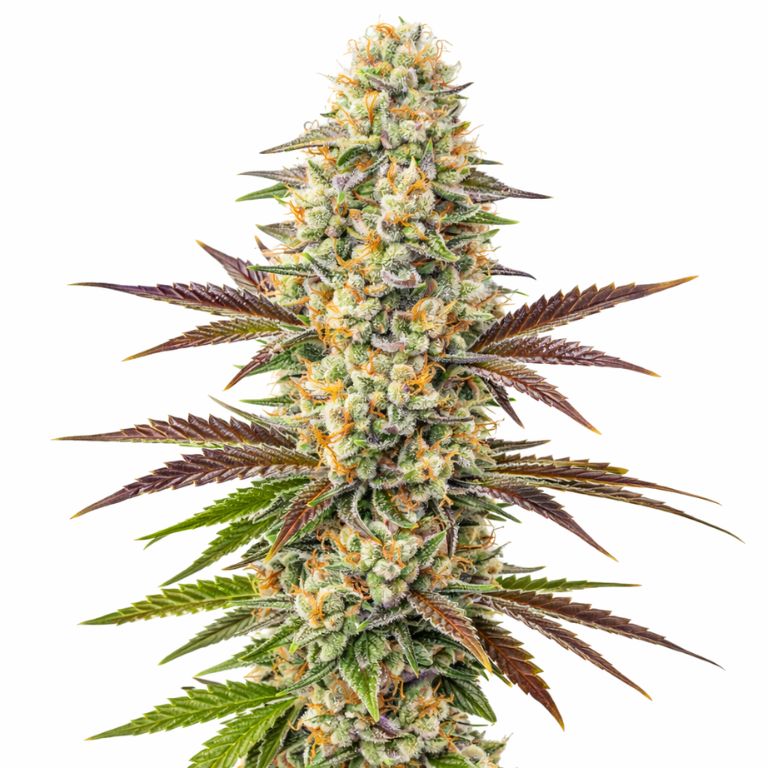
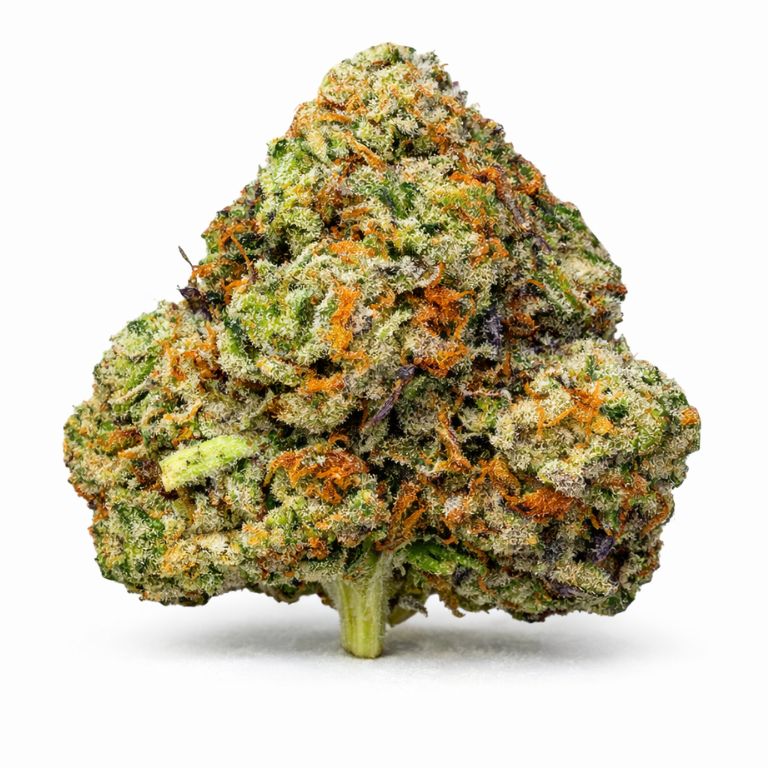
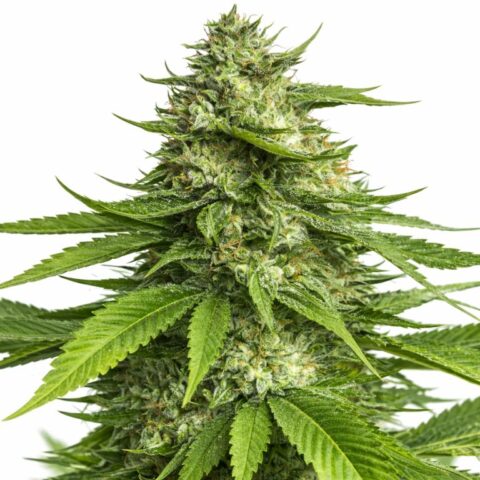
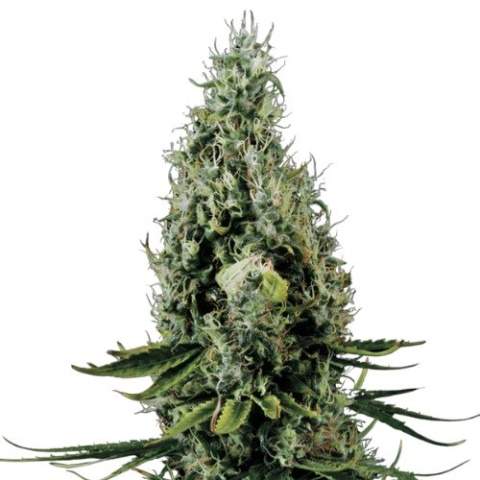
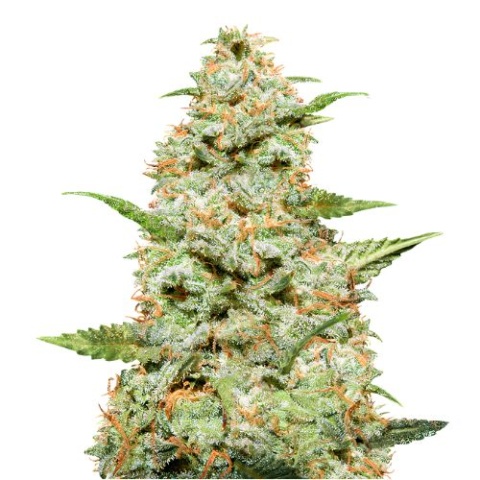
Well-finished flowers are typically medium-dense with bright pistils and a thick trichome coat that looks almost sugar-dusted. Color can range from fresh lime greens to deeper emerald tones, with occasional darker highlights when nights cool late in bloom. This is where resin-heavy cannabis buds stand out: the surface often feels tacky, and the trim can be notably sticky. Growers aiming to maximize Melonade indoor yield should avoid heavy late nitrogen that keeps leaves too dark and can slow the final fade. A controlled dry protects terpene intensity and keeps cannabis buds from turning harsh.
Plant Height
Plant height is strongly shaped by training and container size, but many growers report a medium-to-tall structure that can be guided easily indoors. Without topping, the plant can stretch, so early canopy work helps keep lighting efficient and buds uniform. Outdoors, additional root space can increase vigor and influence how quickly plants finish, so monitoring ripeness is important when timing a Melonade outdoor harvest. Gardeners starting Melonade feminized marijuana seeds often find that consistent light schedules and steady feeding reduce variability between plants.
Aroma
The nose is typically fruit-citrus first, followed by a sweeter melon note and a light herbal edge that becomes louder during the cure. When dried slowly and stored correctly, the sweet citrus weed aroma can stay vivid without turning sharp or grassy. Growers frequently describe the Melonade terpene profile as layered rather than one-dimensional, which is why this strain is popular with cannabis fans who value scent as much as strength. In marijuana rooms, carbon filtration is recommended—odor can build quickly once flowers begin to harden.
Flavor
On the palate, many users describe a sweet-tart citrus inhale with a mellow fruit finish that lingers pleasantly after exhale. The cleanest expression usually comes from steady drying and a patient cure rather than any last-minute additives. For shoppers who buy Melonade seeds online, it helps to know that the lemon-melon flavor is most pronounced when plants are harvested at peak resin maturity and dried in stable conditions. A smooth burn and bright taste are signs the weed was cured properly, with chlorophyll fully broken down.
In Conclusion
RKS positions Melonade cannabis seeds as a terpene-driven, daytime-friendly option that pairs approachable cultivation with standout jar appeal. When handled carefully, the sweet citrus weed aroma remains bold, and the plant’s structure stays manageable with basic training and climate control. Gardeners planning a Melonade outdoor harvest should prioritize airflow and dry weather windows, while indoor growers can focus on canopy uniformity and steady root-zone conditions. For customers choosing Melonade feminized marijuana seeds, consistent environmental discipline is the fastest path to repeatable results.

Reviews
There are no reviews yet.