Description
Introduction
Malawi Gold is widely discussed as a classic sativa with a bright, clear-leaning character, and many cannabis and marijuana gardeners value it for its long-run vigor and distinctive aroma. Within grow circles, Malawi Gold Cannabis Seeds are usually chosen by people who want to study old-school genetics rather than chase short-cycle weed harvests. These Malawi Gold grow notes often emphasize steady environmental control and patient finishing, because this cultivar tends to reward careful hands more than rushed schedules.
Origin and Lineage
Historically, Malawi Gold is associated with traditional cultivation in Malawi and is commonly described as a landrace-type sativa shaped by local selection over time. In educational terms, it is often referenced as an East African sativa landrace, meaning its traits were stabilized through repeated growing, saving, and replanting in a consistent region. Growers who focus on sun-grown Malawi cultivation often point to that long local history when explaining why the plant expresses strong stretch and a highly aromatic flower profile.
Growth Difficulty and Grow Guide
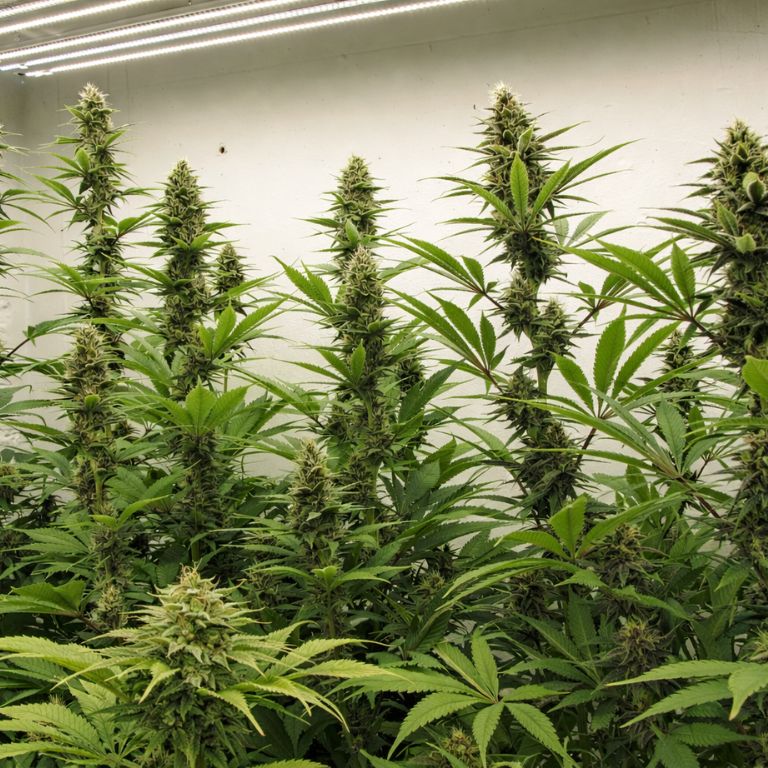
Most guides place Malawi Gold in the intermediate-to-advanced range because it can grow tall quickly and needs planning for structure, airflow, and light distance. For indoor rooms, tall-plant indoor management usually starts early with topping, tie-downs, or a screen; outdoors, warm-climate canopy training helps keep branches open and sun exposure even. When set up well, Malawi Gold Cannabis Seeds can produce consistent development in both cannabis and weed gardens, especially where day-to-night swings and humidity are kept stable.
Nutrients and Equipment
Feeding strategies often work best when they stay moderate and consistent, with careful attention to irrigation rhythm and root oxygenation. Many Malawi Gold grow notes recommend avoiding overly heavy bloom inputs and instead using balanced minerals, plenty of calcium and magnesium when needed, and a slow taper late in flower. Practical equipment for marijuana cultivation includes strong extraction, steady circulation fans, and branch support to prevent late-stage leaning as buds lengthen.
Flowering Phase
The bloom period is typically defined by early stretch followed by gradual stacking, so training should be finished before flowers become dense. Because it is an extended sativa flowering window, growers often plan more calendar time than with compact hybrids, and they watch plant posture and resin development rather than a single date. With steady conditions, Malawi Gold Cannabis Seeds can form spear-shaped cannabis flowers that lengthen and harden over many weeks, a structure that experienced weed growers often recognize immediately.
Harvest
Harvest decisions are best made by trichome maturity and terpene intensity, since individual plants can finish at different speeds even under the same lights. During sun-grown Malawi cultivation, careful timing can help preserve the top notes while avoiding a premature cut that leaves flowers underdeveloped. When properly finished, spear-shaped cannabis flowers tend to cure into a fragrant, resin-forward jar, and Malawi Gold Cannabis Seeds are often discussed for that classic sativa presentation.
Common Challenges
The biggest challenge is controlling height and spacing, particularly after the light cycle changes, because the plant can keep stretching longer than many marijuana varieties. In small rooms, tall-plant indoor management may require repeated tie-downs and strategic defoliation to keep airflow moving through the canopy. Another common issue is patience: the extended sativa flowering window can tempt growers to harvest early, which often reduces aroma clarity and overall effect in weed flower.
Additional Tips
Many cultivators treat gentle training as a season-long habit: small adjustments, frequent observation, and minimal shock tend to outperform aggressive interventions. In warm regions, warm-climate canopy training paired with consistent watering can prevent hot spots and keep leaves functional through late bloom. These Malawi Gold grow notes also often mention that stable drying conditions and a long cure can elevate the final aroma and smoothness for cannabis use.
Germination Time
Most viable seeds sprout within a few days when warmth, moisture, and oxygen are balanced, but slower starts can happen depending on storage and handling. A clean starter medium, light watering, and gentle temperatures help seedlings establish without stress that can follow them through the full run. For marijuana and weed growers, the goal is uniform early growth so later training and nutrition changes are easier to manage.
Wellness
User reports often describe an uplifting, mentally active experience that many people prefer for daytime settings rather than late-night use. Because some lines are discussed as a high-THC marijuana phenotype, cautious dosing is important, especially for newer cannabis consumers. The minimal-CBD weed profile is also a frequent talking point, so individuals who prefer a more CBD-balanced feel may want to consider alternatives.
CBD Levels
Across many informal references, Malawi Gold is generally treated as low in CBD, and most discussions focus more on terpene character and overall potency than on cannabidiol. Some growers describe certain selections as a high-THC marijuana phenotype, which can align with stronger perceived intensity when the plant is fully matured and cured. As a result, the minimal-CBD weed profile is often emphasized in educational strain summaries rather than any expectation of therapeutic CBD content.
Appearance
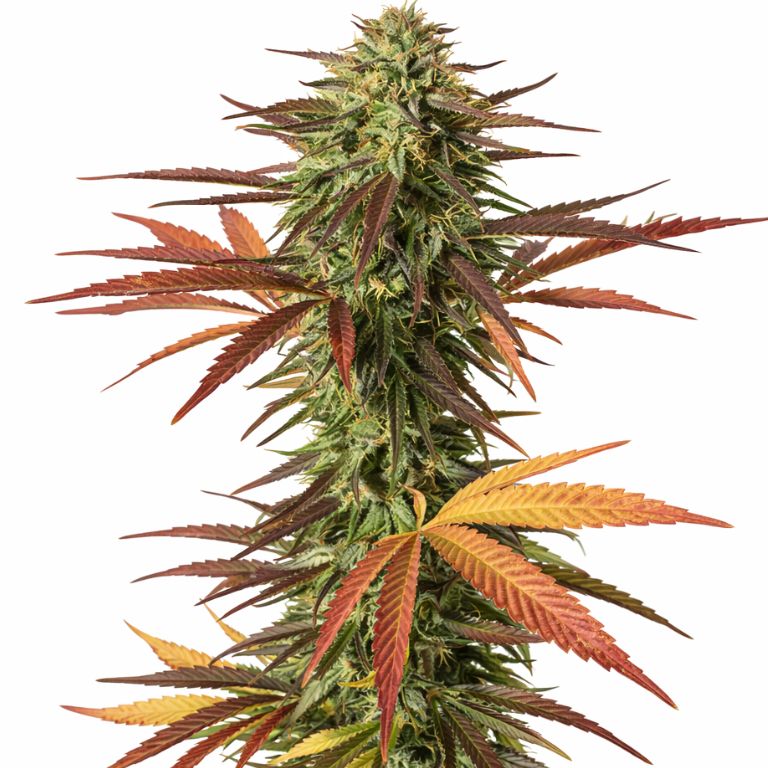
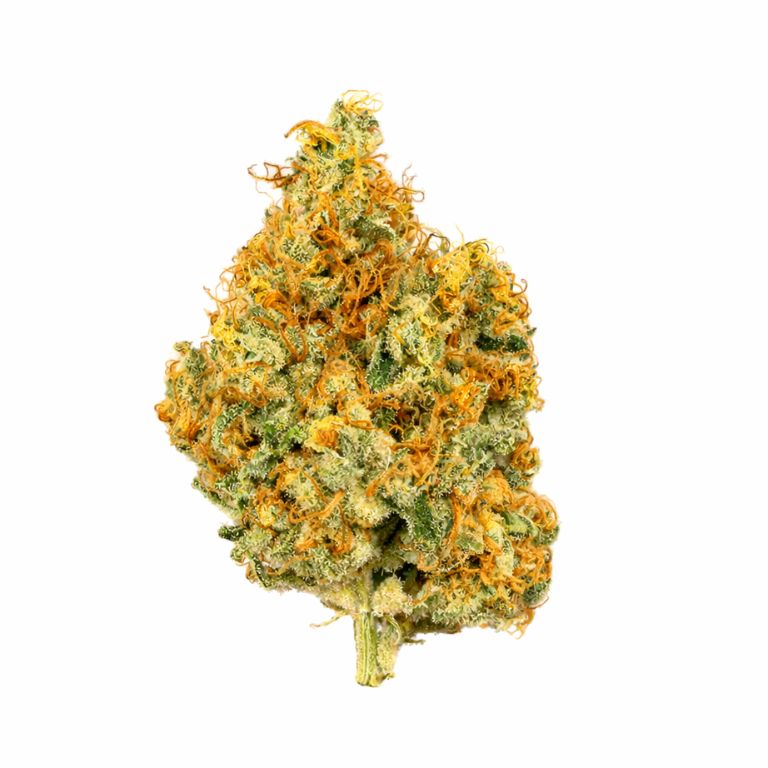
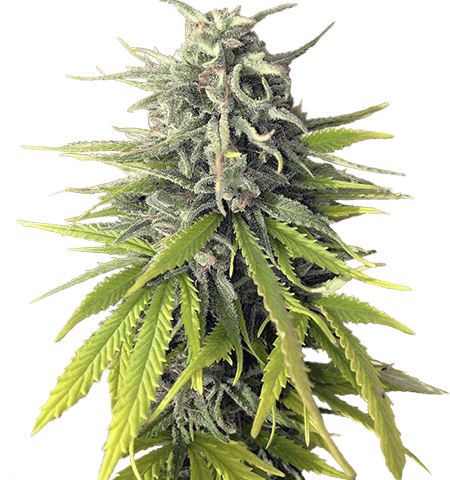
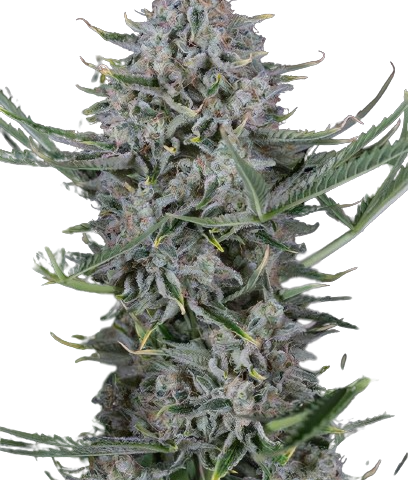
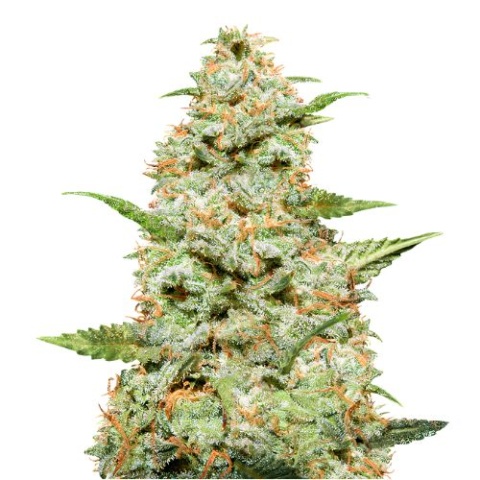
Flowers are often described as longer and more tapered than dense, round indica buds, with visible trichomes that build late into the cycle. When the plant is allowed to finish properly, spear-shaped cannabis flowers can show stacked calyxes and a refined, sativa-leaning silhouette. Many growers connect that look to an East African sativa landrace background, where open structure and aromatic expression were selected over many seasons.
Plant Height
This cultivar is known for vigorous vertical growth, so space planning matters as much as feeding or lighting. In tents, tall-plant indoor management typically includes early topping and continued bending to keep the canopy at a workable height. Outdoors, warm-climate canopy training can redirect that vigor into wider branching, especially when plants are set up with strong support and consistent sun exposure.
Aroma
Aroma is frequently reported as layered and bright, often blending sweet fruit tones with woody or incense-like depth. Well-cured flowers may show a citrus-incense terpene profile that becomes clearer after a slow dry and a patient cure, rather than a rushed process. Growers who practice sun-grown Malawi cultivation often stress that stable late-flower temperatures help protect volatile terpenes in cannabis.
Flavor
Flavor commonly follows the nose, with sweetness and citrus-like lift supported by earthy, resinous undertones. Many people describe a citrus-incense terpene profile that can linger on the palate, especially when the cure is extended and moisture is kept consistent. For weed connoisseurs, that same profile can feel sharper or smoother depending on drying speed, jar burping habits, and the final water activity of the cannabis flower.
In Conclusion
As an educational cultivar profile, Malawi Gold is best understood as a long-run sativa project that rewards planning, training, and careful finishing. Malawi Gold Cannabis Seeds are often chosen by those interested in an East African sativa landrace story, an extended sativa flowering window, and a clear citrus-incense terpene profile. When grown and cured responsibly, many discussions still note a high-THC marijuana phenotype alongside a minimal-CBD weed profile, which supports mindful consumption for marijuana and weed users.

Reviews
There are no reviews yet.