Description
Introduction
Key Lime Pie cannabis seeds are bred for growers who want a dessert-forward plant with predictable structure and terpenes that stay lively after curing. As a dessert weed cultivar, it is typically described as mellow and balanced, with a smooth finish that many cannabis users find easy to revisit. Experienced cultivators report that consistent temperature, steady airflow, and sensible feeding make a bigger difference than chasing extreme numbers. Across legal markets, shoppers often search for marijuana that tastes like citrus pastry rather than sharp fuel, and this selection is aimed at that preference.
Origin and Lineage
Key Lime Pie is widely discussed as a cookie-family selection, valued for pairing sweet pastry notes with bright citrus overtones. The RKS breeding team offers it as key lime pie feminized genetics so growers can plan runs without unwanted males and expect consistent flower set. Gardeners chasing the signature citrus cookie terpene profile often see the best expression when plants are not overfed and when late-flower humidity stays controlled. Like many modern weed lines, phenotype variation is possible, but the sweet-and-citrus direction is the core expectation.
Growth Difficulty and Grow Guide
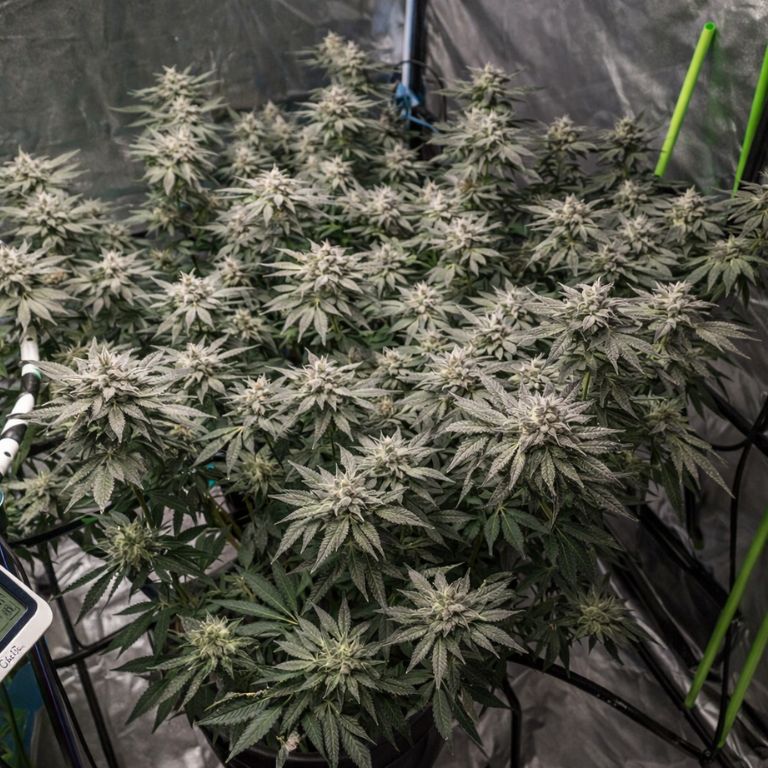
This cultivar is best approached as a beginner friendly photoperiod: straightforward for attentive growers, but still responsive to training and environment. In indoor rooms, indoor scrog training helps flatten the canopy, improve light distribution, and keep weed plants from stretching into hot fixtures. Outside, outdoor container gardening is practical in changeable weather because pots can be moved and the root zone warms quickly in spring. When starting a run from Key Lime Pie cannabis seeds, most growers do well with gentle early training, stable watering habits, and avoiding sharp swings in EC or temperature.
Nutrients and Equipment
A light-to-moderate feed schedule usually performs better than aggressive boosters, especially after the first weeks of vegetative growth. Many experienced cultivators prefer a stable base nutrient with measured calcium and magnesium, then adjust slowly rather than “chasing” leaf color. Because cannabis terpenes are easily dulled by stress, adequate airflow, a clean extraction setup, and a reliable pH/EC meter often have more impact than brand-specific additives. Simple equipment choices—quality lighting, steady ventilation, and a consistent medium—support healthier marijuana growth and fewer issues later in bloom.
Flowering Phase
Flowering commonly finishes in roughly 8–10 weeks indoors, with outdoor timing influenced by latitude and the onset of cooler nights. During bloom, indoor scrog training can be maintained with gentle tucking to keep bud sites in peak light, which often improves density. Growers frequently notice frosted trichome buds building most heavily in the final third of flowering when temperatures are stable and humidity is kept in a safe range. With Key Lime Pie cannabis seeds, letting resin mature and keeping late-flower airflow strong usually translates into better flavor and a more even effect profile.
Harvest
Timing is typically guided by trichome maturity: many growers aim for mostly cloudy heads with a small portion turning amber for a balanced outcome. With dialed lighting and a healthy canopy, indoor harvests are often reported around 450–550 g/m², while long outdoor seasons can reach roughly 500–700 g per plant in favorable conditions. In this window, lime zest aroma can become especially pronounced, and careful handling helps prevent terpene loss. Outdoor growers using outdoor container gardening often appreciate the ability to shelter plants during late storms, reducing mold risk on dense cannabis flowers; well-managed gardens also tend to show frosted trichome buds clearly at harvest.
Common Challenges
The biggest risk late in the cycle is moisture trapped inside tight flowers, so dehumidification and airflow should not be treated as optional. Even a beginner friendly photoperiod can struggle if branches are overcrowded, because stagnant air invites botrytis and can flatten aroma. Overfeeding is another common mistake; pushing PK too hard may cause nutrient imbalance and reduced uptake, which can weaken marijuana plants rather than strengthen them. A simple routine—measured irrigation, stable temperatures, and regular canopy checks—usually prevents the most common weed-growing setbacks.
Additional Tips
Many growers improve uniformity by topping once, then using indoor scrog training early and sticking with gentle adjustments rather than late, heavy defoliation. For those learning the strain, treating it as a beginner friendly photoperiod pays off: keep notes, change one variable at a time, and prioritize stable root-zone conditions. During the final two weeks, modestly lower humidity and steady air exchange help preserve terpenes without stressing the plant. Across a range of setups, consistent lighting and patience in drying produce more reliable cannabis buds than frequent experimentation.
Germination Time
Most seeds open within 24–72 hours when kept warm (about 22–25°C) and lightly moist in a sterile starter medium. To protect key lime pie feminized genetics, growers typically handle sprouts by the shell or cotyledons and avoid saturating the plug, which can starve the root of oxygen. Once the taproot is established, moderate light and steady humidity help prevent stretching and keep early marijuana growth compact. Clean technique at this stage reduces losses and sets up healthier weed plants for the weeks ahead.
Wellness
Users often describe the effect as easing into the body while maintaining enough mental ease for social settings, especially at moderate doses. For some, that experience aligns with stress relief effects, though outcomes vary with tolerance, setting, and consumption method. As a dessert weed cultivar, it is commonly chosen by people who prefer sweet, citrus-leaning cannabis rather than sharp fuel profiles. This information is educational and intended for adults where local law permits; anyone sensitive to THC should start low and allow time for onset.
CBD Levels
Lab reports for this cultivar are typically THC-forward with CBD often reported below 1%, making it a poor fit for buyers who need high-CBD flower. Across many consumer reports and dispensary listings, THC is commonly described in the high-teens to mid-20% range, though actual results depend on phenotype and testing. Even so, many people find the overall balance comfortable when harvested at the right window, and some associate that balance with stress relief effects. For consumers using weed for wellness goals, reputable lab testing and consistent labeling are the most trustworthy guides.
Appearance
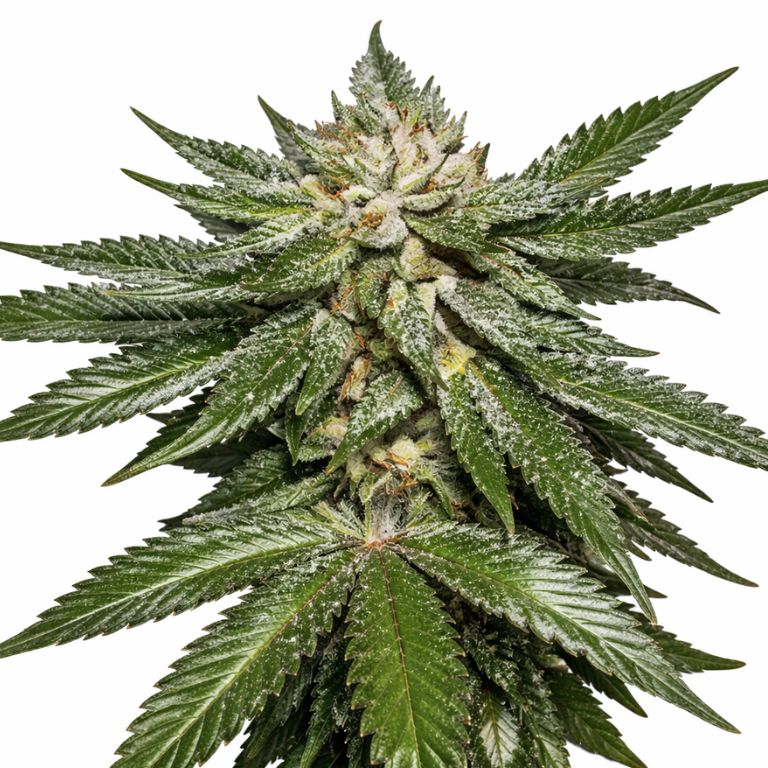
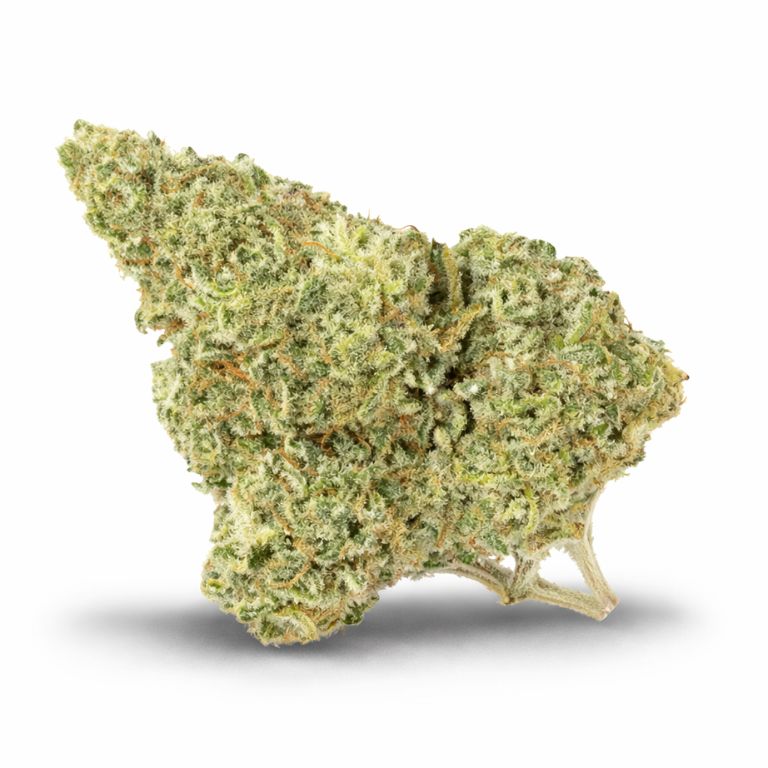
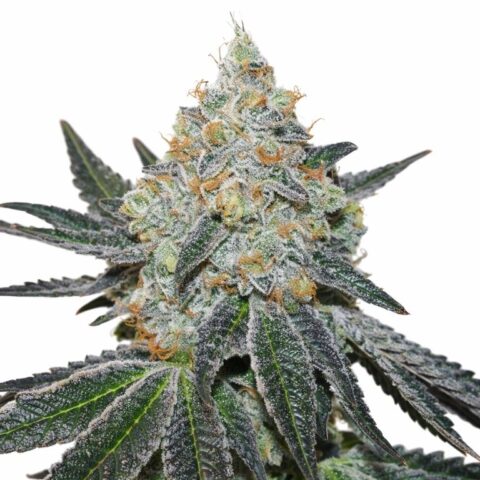
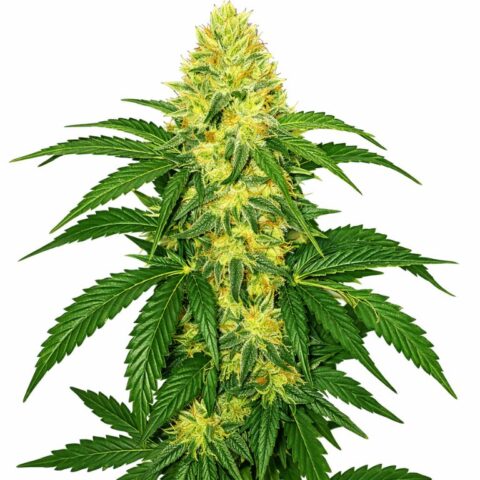
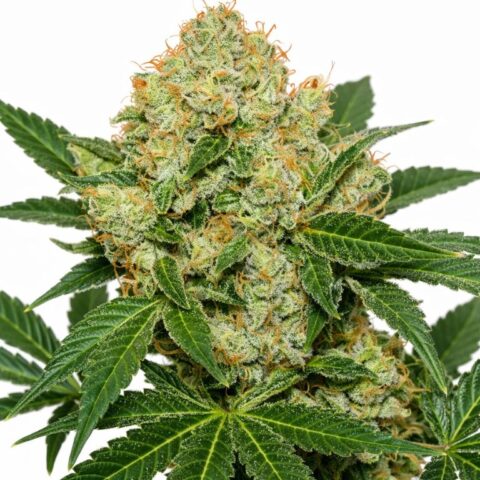
Flowers tend to form tight clusters with bright pistils and a thick resin layer that catches light even before curing. In healthy grows, frosted trichome buds can be obvious across the tops, signaling strong resin production and a sticky trim. Color usually leans light-to-medium green, though cooler nights may bring purple shading on sugar leaves in some phenotypes. Once dried and jarred, the cannabis buds often look dense and polished, with a structure that holds up well through handling.
Plant Height
Indoors, plants commonly finish around 90–140 cm depending on veg time and training intensity, while outdoor examples can reach 150–200 cm in long, warm seasons. Growers who prefer outdoor container gardening can keep size more compact by limiting pot volume and shaping early branch structure. In tighter indoor rooms, a short veg with careful canopy management keeps marijuana plants in the ideal light zone and reduces heat stress. Matching plant size to the space is one of the easiest ways to improve weed yields without changing genetics.
Aroma
The scent often opens with bright citrus and sweet pastry, then deepens as flowers mature and curing begins. A well-run dry and cure usually preserves the citrus cookie terpene profile, with the sharpest notes lingering in the jar rather than fading away. Many batches also carry a distinct lime zest aroma, plus a warm bakery undertone that some describe as cookie crust flavor. Because cannabis aroma travels easily, filtration and room ventilation help with discretion and prevent terpenes from being stripped by excessive heat.
Flavor
On inhale, the smoke is often creamy and sweet, with lime brightness that stays present through the exhale. When cured properly, the citrus cookie terpene profile shows clearly, and the finish can lean into cookie crust flavor without becoming harsh. Some users describe the aftertaste as clean and pastry-like, a profile that fits dessert-style marijuana without the heavy “chemical” edge found in some weed cultivars. Gentle combustion temperatures and a steady cure are commonly reported to preserve the most flavor.
In Conclusion
For buyers comparing modern genetics, Key Lime Pie cannabis seeds offer a practical balance of cultivation control and dessert-style terpene expression. The bouquet can combine lime zest aroma with bright pastry-and-citrus terpenes, and the smoke may carry cookie crust flavor that supports the overall dessert weed cultivar reputation. The breeder presents it as key lime pie feminized genetics, and some consumers say the experience can align with stress relief effects when used responsibly. With careful drying and a patient cure, Key Lime Pie cannabis seeds can deliver consistent cannabis quality that feels both approachable and refined.

Tessa Dudley –
These seeds are for you if you prioritize quality. The best seeds I’ve ever put my hands. Highly-recommend!
Royal Russo –
Very beginner friendly. My friend who is a beginner tried them and he had the best experience growing them. Truly a game changer.
Vincenzo Daniel –
Once I got home and tried this, instantly felt relaxed.
Joy Arroyo –
Highly recommended to anyone with a chronic illness suffering from insomnia.
Alberto Schneider –
Very good stuff
Delaney Glenn –
would recommend for any time of the day.
Zaid Christian –
Gave me more of a body high.
Maia Barton –
Relaxed and euphoric
Erin Ramirez –
I can’t get enough of this.
Karlee Dunlap –
This strain will definitely get your creative juices flowing and put you in a great mood.
Damari Banks –
It made me very talkative, giggly, and focused.
Olivia Strickland –
I am more engaged in the moments/situations.
Jonathan Ashley –
Best legal weed I’ve bought so far…
Charles Brittle –
I love it for chronic migraine relief.
Thaddeus Rozema –
My number 1
Ronald Clinton –
Heavy hitter.
Roger Reynolds –
Very mellow and earthy.
Austin Webb –
good stuff..
Laurie Heiss –
it’s amazing the high is almost instant by second exhale
Roszina Martin –
This strain is a god send.
Joshua Racalla –
Not only does it put me in a fantastic euphoric mood it also wipes away my bone pain almost instantly. I wish I had it every day.
Daniel Barbara –
relaxing body high.
Caroline Bostwick –
FANTASTIC !!!!
Gary Edwards –
This is an amazing strain!
Andy Amos –
Great strain You will absolutely want more, and never be disappointed!
William Lyons –
It gives total satisfaction.
Raymond Emerson –
slight anxiety but very euphoric.
Ethan Holloway –
A strain for tuning in to thoughts with more clarity and less stress.
Tessa Dawson –
My favourite strain!
Kenley Le –
This strain boosts creativity, mood, and certainly appetite.
Sienna Erickson –
Help migraines
Jazmin Jones –
I like it