Description
Introduction
For shoppers comparing fruit-leaning genetics, Grape Guava cannabis seeds is positioned as a modern option that stays grounded in real grow-room results. The profile is often described with a clear tropical fruit aroma, a smooth dessert-style flavor, and balanced hybrid effects that can feel uplifting at lighter servings and more settling at higher doses. Across indoor and outdoor settings, the line is frequently recommended as beginner-friendly genetics because it tends to tolerate routine training and measured feeding without dramatic swings, helping growers focus on fundamentals rather than constant troubleshooting.
Origin and Lineage
This cultivar is typically presented as a fruit-forward hybrid developed to merge grape sweetness with guava-bright character, prioritizing stability over mystery. Within the Royal King catalog, the breeding goals emphasized dependable branching, predictable stretch, and terpene direction that holds up through drying and curing—traits that matter for growers who want repeatable cannabis outcomes. Exact parent selection can vary between breeding projects and phenotypes, but Grape Guava cannabis seeds is generally described as a vigorous, aromatic line selected for consistent garden behavior rather than novelty alone.
Growth Difficulty and Grow Guide
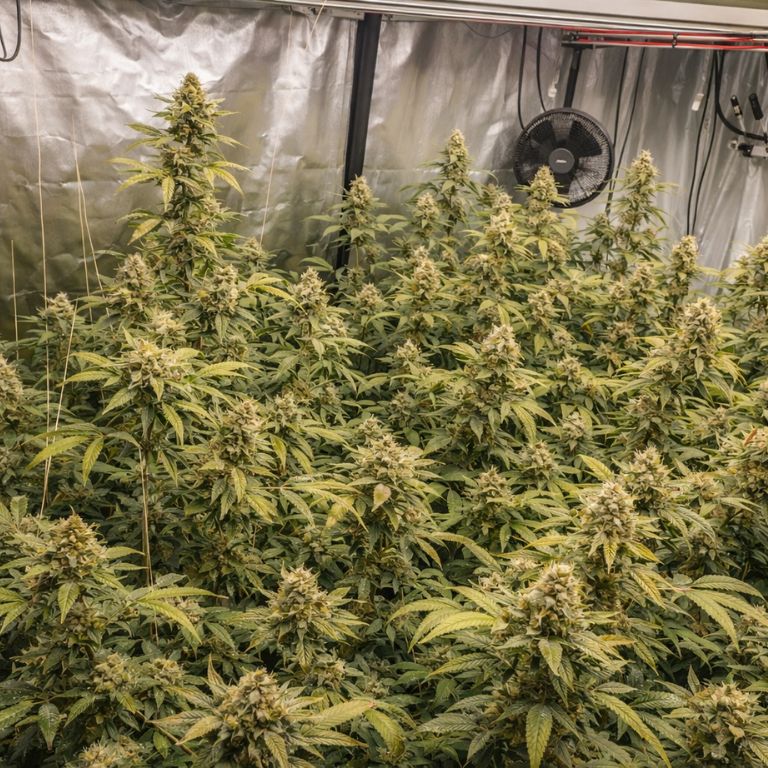
Gardeners often find the vegetative phase easy to steer, especially in an indoor tent grow where temperature, airflow, and light intensity remain consistent. In warm or changeable climates, an outdoor greenhouse run can buffer rain and humidity swings while still delivering strong light. Experienced cultivators report that low-stress training started early helps open the canopy, reduce shade, and keep growth even across branches—useful for improving airflow and simplifying later defoliation. When flowering is initiated (often by switching light schedules indoors or seasonal cues outdoors), plants usually develop sturdy branching that supports flowering weight.
Nutrients and Equipment
A straightforward nutrition plan usually performs best: a balanced base feed, modest calcium–magnesium support under LED lighting, and careful attention to pH for consistent uptake. For an indoor tent grow, many growers rely on fabric pots, an EC/ppm meter, and a hygrometer to keep the root zone oxygenated and the canopy in a safe humidity range. Oscillating fans and a carbon filter are practical upgrades once terpene output increases, while clean irrigation tools reduce the risk of root issues. Rather than chasing complicated additives, consistent watering habits and stable environment controls tend to produce better marijuana quality and cleaner weed taste.
Flowering Phase
Once bloom begins, buds typically thicken week by week, and growers often notice dense resin production building on sugar leaves and calyxes as the plant matures. The finish usually lands in a medium flowering window—commonly around 8–10 weeks—though phenotype and environment can shift timing slightly. Many cultivators taper nitrogen after early flower and focus on steady potassium, sulfur, and micronutrient balance to protect terpene expression. When the canopy is managed well and humidity stays controlled, Grape Guava cannabis seeds can reward patience with tighter structure and a more polished final aroma.
Harvest
Trichome inspection remains the most dependable harvest cue, especially for growers aiming to keep the smoke smooth and the effects balanced. Many aim to cut near the end of the medium flowering window once most trichomes look cloudy and a smaller share turns amber. Yield depends on veg time and environment, but for Grape Guava cannabis seeds growers commonly report roughly 400–550 g/m² indoors and 500–900 g per plant outdoors when lighting, root space, and season length are favorable. A slow dry (cool, dark, and gently ventilated) followed by a patient cure helps preserve terpenes, keeps weed aroma bright, and reduces harshness.
Common Challenges
Because aromatic cultivars can pack tight flowers, late-bloom airflow and humidity control matter; stagnant conditions increase the risk of mold and muted terpenes. Overfeeding may show up as leaf tip burn or clawing, so it’s wise to reduce strength before symptoms compound. Although the line is often framed as beginner-friendly genetics, beginners still benefit from monitoring vapor-pressure deficit and avoiding overwatering—two issues that frequently slow root health and diminish marijuana fragrance. Regular scouting for pests and prompt removal of stressed leaves can protect cannabis flower quality through the finish.
Additional Tips
For higher efficiency, a gentle topping strategy paired with branch support can distribute light and improve overall bud set. When planning an outdoor greenhouse run, staking early helps prevent branch splits once flowers gain weight. Many growers pair selective leaf removal with low-stress training to keep the plant’s interior open, reducing humidity pockets and improving uniformity at harvest. Small, consistent adjustments—rather than sudden swings—are usually the fastest way to learn how a cannabis cultivar behaves and to dial in results from run to run.
Germination Time
Healthy seeds often crack within 24–72 hours under warm, moist conditions, but some take longer depending on storage and handling. A clean starter plug or lightly damp paper towel can work well as long as the seed stays warm and never sits in pooled water. Once the taproot emerges, transplant promptly into a light medium to avoid stalling and to protect delicate root hairs. Early stability supports vigorous cannabis seedlings and helps young marijuana plants avoid the slow start that can reduce final weed yield.
Wellness
User reports commonly describe balanced hybrid effects that begin with a clear, sociable headspace and settle into gentle physical comfort as the session progresses. Strength can vary by phenotype, lighting, and curing, so it helps to think in terms of moderate THC potency—often perceived in the high-teens to low-20s THC range in capable grows—rather than assuming every harvest will feel identical. For cannabis consumers who want functional daytime use, smaller servings can feel focused; for evening use, a larger dose may feel more relaxing. As with all marijuana products, individual tolerance and setting strongly shape how weed feels.
CBD Levels
This cultivar is generally presented as THC-leaning, with CBD usually remaining low across typical expressions (often well under 1%). The overall experience is better predicted by terpene balance and individual tolerance than by CBD contribution alone. For shoppers who prefer noticeable cannabidiol content, a dedicated CBD-rich cannabis variety is likely a better fit. Here, the emphasis remains on aroma, flavor, and an experience consistent with moderate THC potency rather than a therapeutic CBD-forward profile.
Appearance
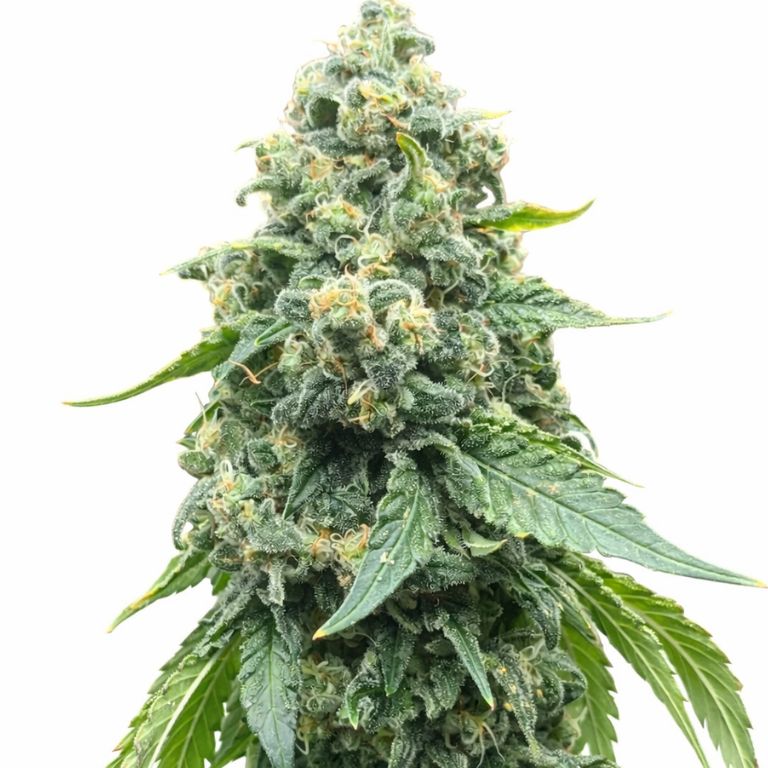
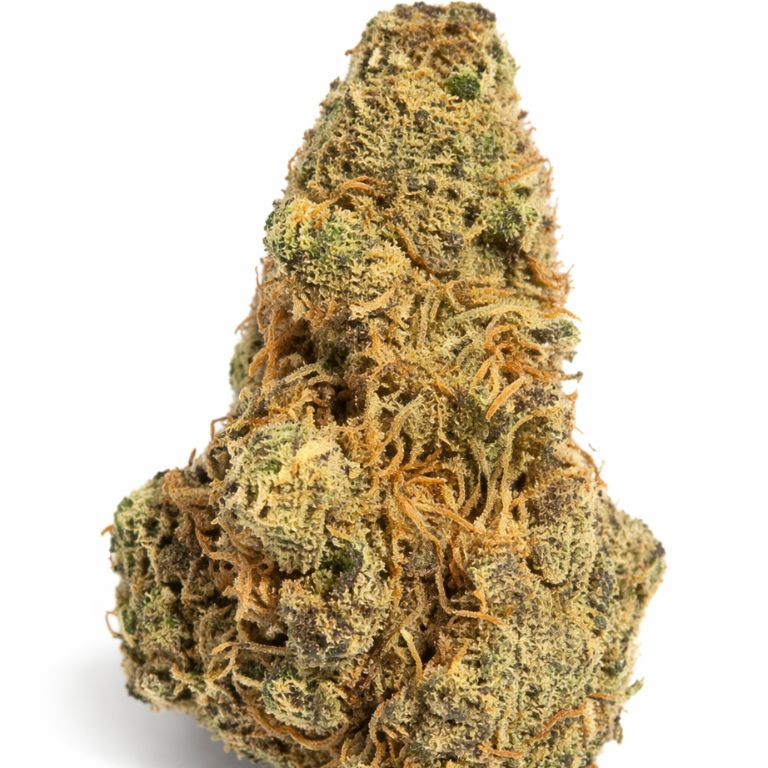
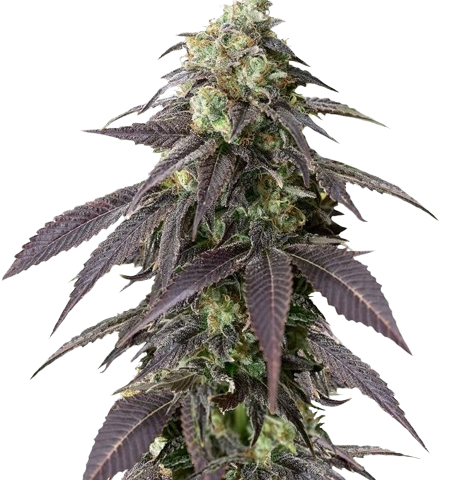
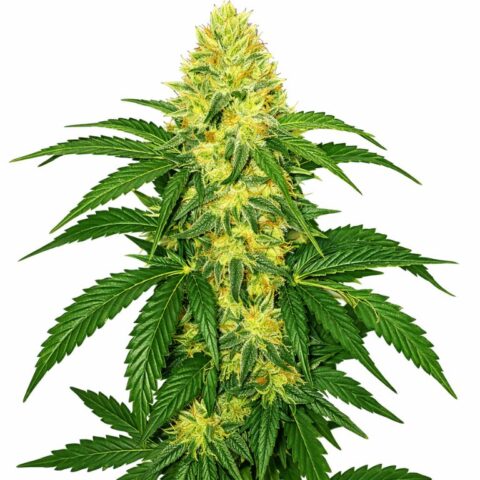
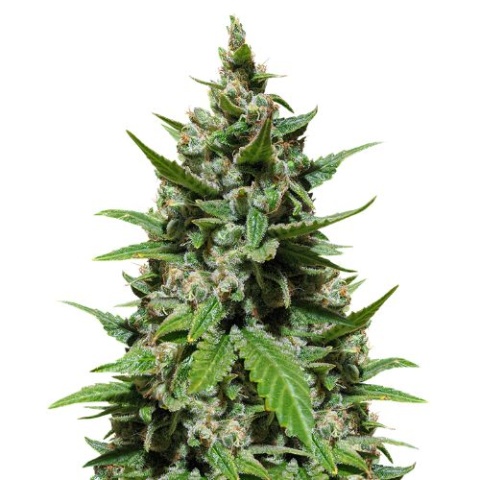
In good conditions, buds often form compact clusters with bright pistils and a sticky, frosty surface. Growers frequently attribute the “sugared” look to dense resin production that continues to build late in flower, especially when temperatures remain stable and plants are not overfed at the finish. Color can range from vivid green to deeper purple tones when nighttime temperatures drop, but structure generally stays dense. Careful trimming and curing help cannabis buds keep their sheen and reduce the grassy notes that can show up when drying is rushed.
Plant Height
Indoors, many growers report medium stature—often around 90–140 cm—depending on veg duration, pot size, and light intensity. Outdoors, plants can stretch taller and wider with a longer season and strong root volume, so spacing and support become more important. Consistent low-stress training is a practical way to keep height controlled while increasing lateral branching and light capture across the canopy. This also makes weed plants easier to inspect for pests and easier to harvest cleanly, especially when a tight footprint limits access.
Aroma
During late bloom and early cure, the bouquet commonly reads sweet and bright, with a recognizable tropical fruit aroma that can hint at grape candy, guava nectar, and faint floral spice. Odor control is recommended indoors because terpene output can climb quickly once buds bulk up. A slow cure often softens sharper edges and makes the smell rounder and more “finished,” which many marijuana consumers interpret as smoother smoke. Store weed in airtight containers away from heat and light to keep aromas stable between sessions.
Flavor
On the palate, many growers and users describe a creamy, dessert-style flavor that balances grape sweetness with a tangy, guava-like edge. Flavor tends to be strongest when plants are not pushed with heavy late feeding and when drying is kept slow and controlled. Cannabis enthusiasts who chase terpene nuance often notice the profile stays distinct without harshness after a proper cure. For marijuana connoisseurs, the taste can remain present from the first draw to the final inhale, and weed smoke often feels cleaner when ash burns light and even.
In Conclusion
As a fruit-leaning option, Grape Guava cannabis seeds is most often chosen for its tropical fruit aroma, a pleasant dessert-style flavor, and balanced hybrid effects that suit a wide range of preferences. Growers seeking beginner-friendly genetics can appreciate the predictable structure, while experienced hands can refine results through environment, timing, and careful drying. The cultivar’s medium flowering window and visible dense resin production tend to reward consistency, whether the setup is an indoor tent grow or a seasonal outdoor greenhouse run. With realistic expectations and steady fundamentals, this cannabis line can deliver flavorful marijuana harvests and enjoyable weed sessions that feel polished rather than flashy.

Reviews
There are no reviews yet.