Description
Introduction
Cherry Chem cannabis seeds are built for growers who want a cherry-leaning top note wrapped in classic “Chem” pungency. This photoperiod hybrid is commonly chosen by people who enjoy loud cannabis jars without sacrificing workable plant structure. Many home gardeners describe an even, responsive canopy that suits small tents as well as a spare room setup for marijuana. Across multiple runs, cultivators often point to the Cherry Chem aroma notes—sweet fruit, sharp fuel, and a faint herbal edge—and they also appreciate the balanced Cherry Chem flavor notes that carry from dry room to cure.
Origin and Lineage
Cherry Chem was developed to combine fruit-forward expression with the unmistakable bite associated with Chem-style genetics, selected for sturdy branching and consistent bud set. Because “Cherry” and “Chem” labels can be applied to different parent lines across the market, phenotype variation is normal; what tends to stay consistent is a loud, oily resin and a noticeable gas note. In practice, the Cherry Chem terpene profile leans sweet on the front end and more solvent-like on the finish, and many growers say the Cherry Chem aroma notes become brighter when nighttime temperatures drop slightly late in flower.
Growth Difficulty and Grow Guide
For most hobbyists, Cherry Chem cannabis seeds land in the “intermediate” lane: vigorous enough to recover from training, but demanding steady watering habits and a clean environment. In grow logs, the Cherry Chem grow difficulty improves when plants are kept in stable temperature and humidity ranges with strong airflow. Experienced cultivators report that Cherry Chem training techniques—topping once, gentle branch tie-downs, and light defoliation—help keep bud sites evenly lit and reduce moisture pockets as flowers swell.
Nutrients and Equipment
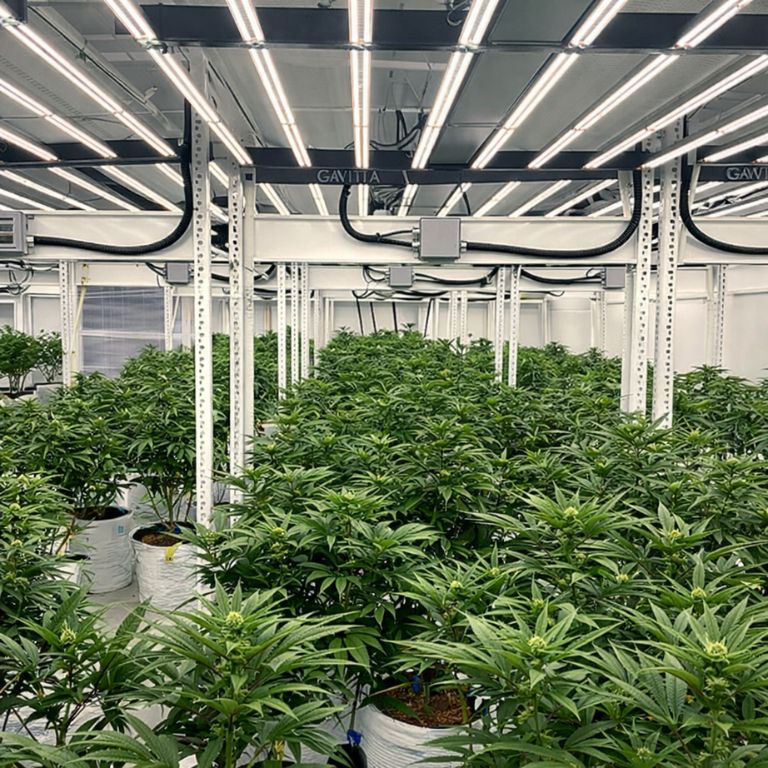
A straightforward feeding strategy works best, especially under LEDs where calcium and magnesium demand can climb. Growers typically do well with a complete base nutrient, modest bloom support, and a simple microbial program rather than heavy additives. Overfeeding late in bloom can mute aroma, so many cultivators taper nitrogen early and focus on consistent pH. With that approach, an above-average Cherry Chem indoor yield is frequently reported in coco, living soil, and well-aerated peat blends.
Flowering Phase
After the flip to 12/12, plants often stretch for the first two to three weeks before shifting into heavy flower set and rapid trichome development. The Cherry Chem flowering schedule commonly falls in an 8–10 week window, with readiness best judged by calyx swelling and trichome maturity rather than dates alone. In full sun or a dialed indoor room, the Cherry Chem outdoor yield can be strong, and Cherry Chem cannabis seeds tend to reward steady airflow with tighter flowers and better resin coverage.
Harvest
Harvest quality improves when timing is guided by ripeness and aroma instead of calendar targets. Many growers aim for mostly milky trichomes with a small percentage of amber, then dry slowly to protect volatile terpenes. When the finish is dialed in, the Cherry Chem indoor yield can noticeably increase, and tracking the Cherry Chem flowering schedule from run to run makes future planning easier. Outdoors, the Cherry Chem outdoor yield improves when plants are protected from late-season rain and given enough spacing for air movement—especially when Cherry Chem cannabis seeds are grown in larger containers or well-prepped beds.
Common Challenges
The biggest risks show up late in bloom: dense flowers can trap humidity and invite botrytis if airflow is weak. Another common issue is pushing too much nitrogen through the transition, which can delay ripening and soften aroma. In most setups, these problems are avoided with canopy spacing, conservative late feeding, and a dehumidifier when needed. Handled that way, the Cherry Chem grow difficulty stays manageable even for growers who are still building their routine.
Additional Tips
To maximize aroma, many cultivators slightly lower night temperatures in the final two weeks and avoid foliar sprays once buds tighten. Keeping notes on the Cherry Chem terpene profile—how scent shifts from week six to cure—helps identify standout phenotypes for future cycles. Grow diaries frequently recommend Cherry Chem training techniques such as gentle trellising and removing lower growth to improve airflow, and they note that the Cherry Chem grow difficulty drops when irrigation is consistent and runoff stays within target ranges.
Germination Time
Most seeds crack within 24–72 hours when kept warm, humid, and not overly saturated. Paper towel methods, starter plugs, and direct sowing can all succeed as long as temperature remains stable and the medium stays lightly moist. Early root vigor is worth prioritizing because it supports later plant performance and helps avoid early stalls. For that reason, some growers track early behavior alongside later Cherry Chem indoor yield outcomes and record Cherry Chem CBD content observations by phenotype.
Wellness
Consumers often describe Cherry Chem as starting mentally bright before settling into a calmer, grounded body feel, though experiences differ by dose and tolerance. It’s wise to start low and go slow, especially with potent weed or when mixing with other products. Testing varies by phenotype and cultivation style, but the Cherry Chem THC range is often discussed as robust, which aligns with its reputation for strong effects. Most lab panels also suggest the Cherry Chem CBD content stays low, so this marijuana option is usually chosen for THC-led experiences rather than cannabidiol-forward use.
CBD Levels
Cherry Chem is typically selected for resin and aroma rather than high-CBD expression. In many phenotypes, the Cherry Chem CBD content remains minimal, and the cannabinoid balance is driven primarily by THC. Reliable sellers will publish lab results when available, and growers should remember that environment and harvest timing can shift the numbers. As a general guide, the Cherry Chem THC range is often reported from the high teens into the mid-20s, with outliers possible on either side.
Appearance
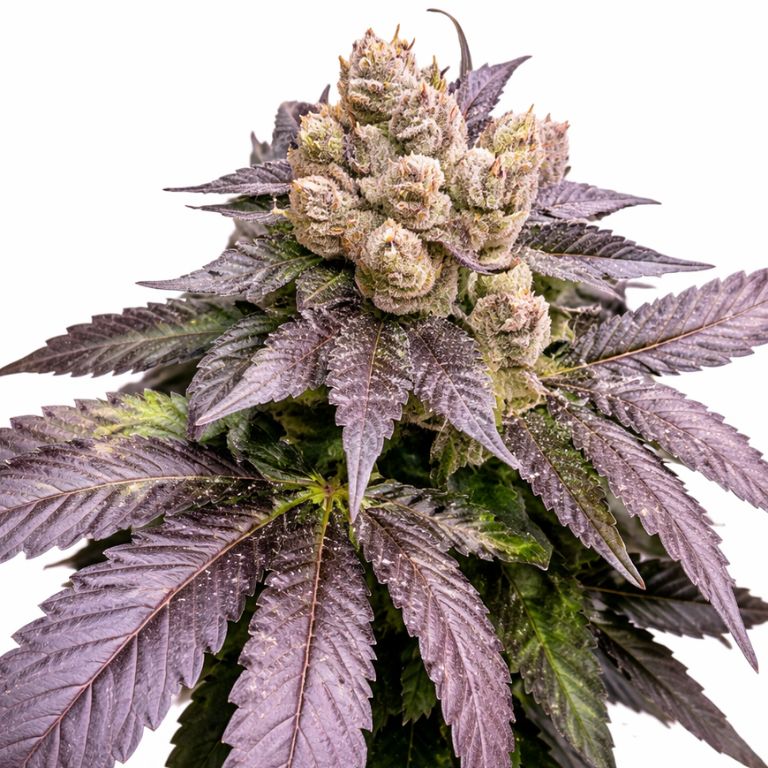
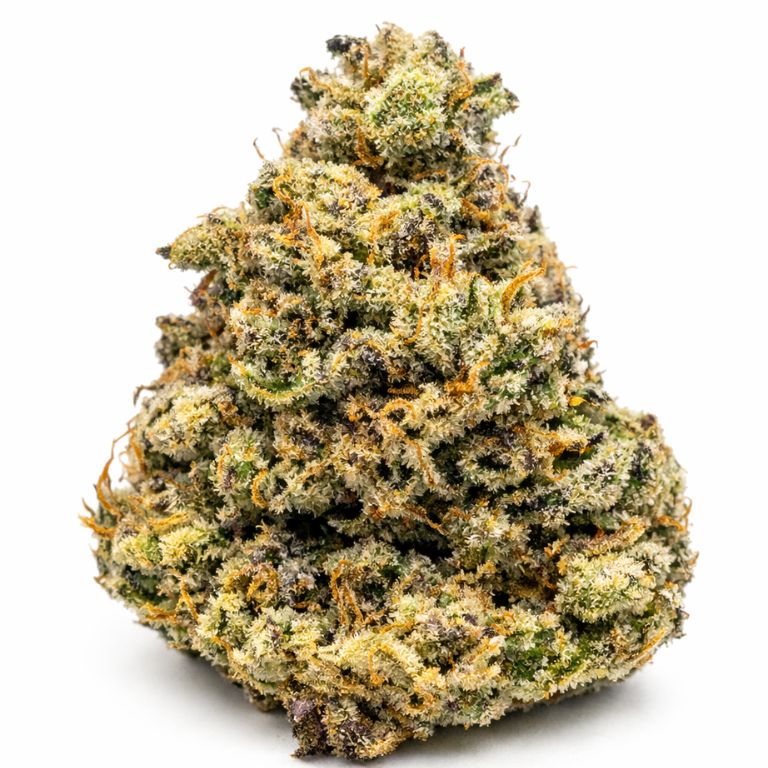
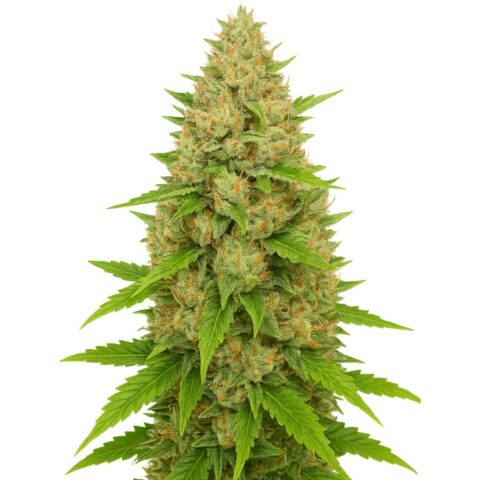
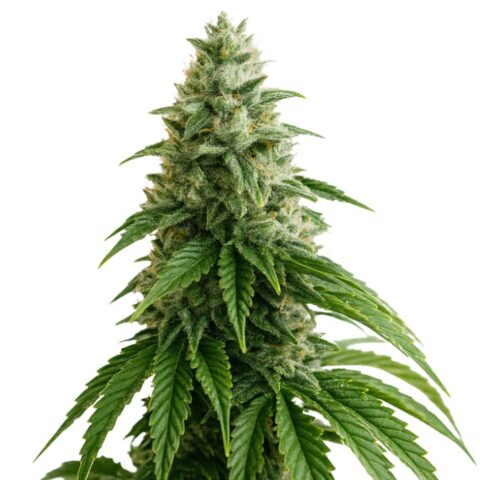
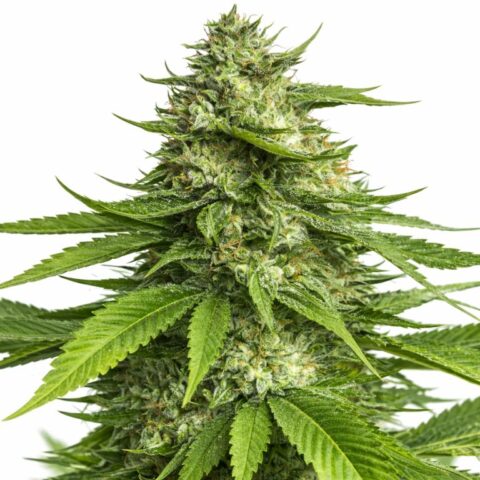
Flowers commonly form as chunky, tapered buds with tight calyx stacking and a heavy trichome coat that can look frosted under bright light. Color may range from deep green to purple accents, especially with cooler nights, and pistils often finish orange to rust. The sticky surface and prominent oil glands reflect the Cherry Chem terpene profile that many growers associate with strong flavor retention after cure. In cured cannabis, the bag appeal is typically high thanks to resin density and consistent structure.
Plant Height
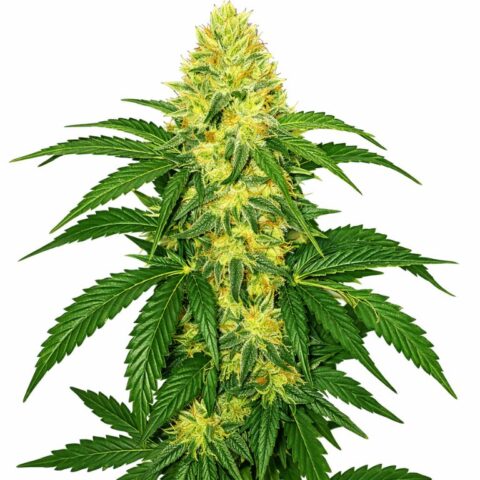
Indoors, plants often finish at a manageable medium height with training, while untrained specimens can stretch noticeably after the flip. Outdoors, full sun and ample root space can produce larger plants with thicker branching and higher bud site count. When growers apply Cherry Chem training techniques, they can control canopy height while improving light penetration and airflow. That combination frequently supports a stronger Cherry Chem outdoor yield without turning the plant into an unmanageable weed tree.
Aroma
In bloom, the nose mixes sweet cherry with sharp fuel and a faint herbal bite that intensifies as trichomes mature. During drying, cooler temperatures and steady air exchange help preserve the fruit edge; excess heat tends to leave only “gas” behind. Well-cured jars showcase the Cherry Chem aroma notes most clearly, and many users feel the Cherry Chem THC range hits hardest when aroma is fully preserved and the cure is complete.
Flavor
On inhale, the profile often starts with sweet-and-sour cherry, followed by chemical gas and a lightly earthy finish. Smoothness improves with a slow dry and longer cure, which reduces chlorophyll harshness and lets terpenes settle. Properly cured cannabis tends to deliver the Cherry Chem flavor notes in layered waves, shifting between fruit and fuel across the exhale. Many users describe the aftertaste as clean and lingering rather than sugary.
In Conclusion
For growers who want a cherry-forward, gassy cultivar with practical garden behavior, Cherry Chem cannabis seeds are a reliable choice in the RKS catalog. Consistency comes from stable environment control, patient drying, and letting the plant signal readiness. Following the Cherry Chem flowering schedule cues—while still checking trichomes—helps preserve terpene complexity and avoid harvesting too early. Done well, the final jar delivers the signature Cherry Chem flavor notes that cannabis fans look for when they want flavorful, potent marijuana and well-cured weed.

Reviews
There are no reviews yet.