Description
Introduction
Built for modern flavor seekers, this cultivar is known for a sharp nose, fast resin production, and an energetic edge that many cannabis customers look for in today’s market. When grown from Cheetah Piss cannabis seeds, the plant often develops a bright, attention-grabbing citrus diesel aroma as flowers mature. It is widely treated as a high-THC hybrid, so new marijuana users are better served by starting low and learning their personal tolerance. In lighter sessions, many consumers report a balanced daytime lift that feels functional rather than heavy, while still delivering a noticeable finish. Potency reports vary, but many samples land in the high-teens to mid-20s THC range when cultivation and curing are handled well.
Origin and Lineage
Cheetah Piss is typically discussed as a contemporary, trend-era cultivar built from dessert-leaning and fuel-leaning influences, with different selections circulating depending on breeder and region. Rather than relying on rumor, practical growers judge the line by how it behaves from seedling through cure: vigor, branching, flower density, and whether aroma stays bold after drying. Well-kept stock shows stable feminized genetics with uniform early growth and consistent flower set across a batch. For buyers who want repeatable results from Cheetah Piss cannabis seeds, that consistency matters more than stories, because it translates into more predictable planning and fewer surprises in the room.
Growth Difficulty and Grow Guide
In practical terms, the plant is approachable for most home growers who already understand basic environment control. Indoors, results improve when growers prioritize indoor canopy management—keeping tops even, opening airflow paths, and avoiding shaded humidity pockets where pests and mildew can start. Outdoors, the same concept applies: shape the plant early, support branches before bloom weight arrives, and keep the root zone consistently moist without waterlogging. A steady temperature range, strong air exchange, and a simple, consistent IPM routine usually do more for final quality than any single “hack,” especially for marijuana gardens where odor and humidity can swing fast.
Nutrients and Equipment
A moderate, balanced feeding plan typically produces the cleanest flavor: steady nitrogen in vegetative growth, then a gradual transition into bloom nutrition without abrupt swings. Many cultivators supplement calcium and magnesium only as needed and avoid chasing maximum EC if the goal is terpene clarity. Using late-flower support—a measured bloom finish paired with stable pH—can help maintain density and resin without pushing the plant into stress. Helpful gear includes a reliable exhaust fan, carbon filtration, a dehumidifier sized for the room, and a simple EC/pH setup so inputs stay consistent run to run. This is often where good weed becomes great weed.
Flowering Phase
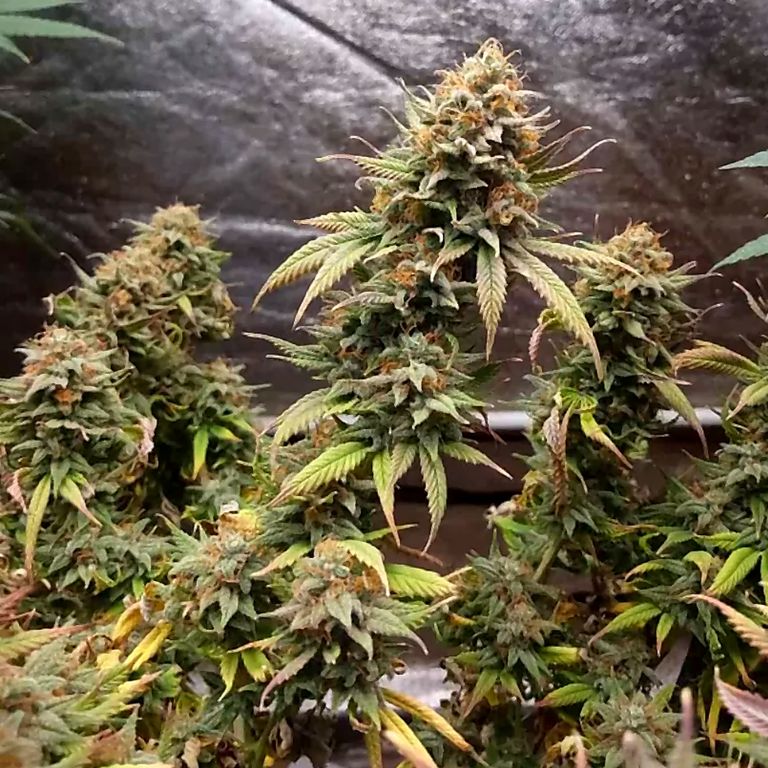
After the light schedule changes, most phenotypes show a compact flowering stretch that stays manageable in tents, especially when paired with continuing indoor canopy management during the first two weeks of bloom. Flower sites often stack and develop resin-heavy colas with a sticky surface that makes gloves and sharp scissors useful tools. Many growers running Cheetah Piss cannabis seeds keep late-flower support consistent rather than aggressive, because stable inputs tend to preserve aroma and avoid late stress. In many indoor gardens, flowering commonly finishes in roughly 8–10 weeks, with small shifts depending on phenotype and climate.
Harvest
Timing is best chosen by trichome maturity rather than a calendar date: mostly cloudy heads with a measured portion of amber usually matches the balanced effect profile many consumers prefer. When harvested at peak ripeness, resin-heavy colas dry into dense tops that hold their structure and carry scent into the jar. Those aiming for bag appeal buds often slow-dry in darkness with gentle airflow, then cure in airtight containers while keeping humidity in a safe range to protect terpenes.
With Cheetah Piss cannabis seeds, clean handling is part of the job—avoid over-squeezing flowers during trimming, since trichomes bruise easily. Yield is often described as medium to above-average, especially when light intensity, airflow, and root health stay consistent from mid-bloom onward.
Common Challenges
The most common setbacks are environmental rather than genetic: high humidity can invite mold in dense flowers, and overly hot rooms can evaporate terpenes before the crop is even cut. Overfeeding is another frequent issue—pushing salts too hard may dull flavor and reduce the intensity associated with a true Cheetah Piss terpene profile. Keeping late-flower support steady (instead of escalating week after week) helps avoid nutrient stress that shows up as burnt tips, clawing, or stalled aroma. In practice, the “fix” is usually boring but effective: improve airflow, keep leaf surfaces dry, and maintain stable day/night conditions so the plant doesn’t swing between stress and recovery.
Additional Tips
Training is usually rewarded. Early topping, selective lower-site cleanup, and light defoliation can improve light penetration and reduce the chance of moisture lingering deep in the canopy. Experienced cultivators report that gentle tie-downs and an even top line make later maintenance easier, especially in smaller tents where hotspots form quickly. With a compact flowering stretch, trellis netting can be installed before weight arrives, preventing late-stage branch lean and broken stems. As flowers build and density increases, revisit indoor canopy management by removing only what blocks airflow, not every leaf that looks large—over-defoliation can slow development and reduce final density.
Germination Time
Most seeds sprout in two to five days in warm, moist conditions, though cooler rooms can extend the window. Paper towel, starter plugs, or lightly moistened soil can all work, as long as the medium stays damp—not soaked—and the taproot is handled gently. Starting from stable feminized genetics makes planning simpler, but seedlings still need mild light, clean water, and gradual airflow to harden up. Once true leaves appear, increase intensity slowly and begin light feeding only after the plant has clearly established itself. This patient start often leads to sturdier stems and a smoother transition into vegetative growth for cannabis plants.
Wellness
Reported effects often begin with a bright, social edge and transition into a calmer body feel as time passes. Because it is commonly regarded as a high-THC hybrid, individual responses can vary widely by tolerance, dose, and setting. In moderate amounts, many consumers describe a balanced daytime lift that pairs well with creative tasks or light activity, while heavier use may feel more couch-leaning. As with any weed product, responsible use matters—especially for those sensitive to THC, and anyone who prefers a gentle experience should treat this one with respect. The most consistent feedback is that controlled dosing brings out the “clearer” side of the experience.
CBD Levels
Most selections are bred for THC-forward performance, so CBD content is usually low compared with CBD-focused varieties. Actual cannabinoid ratios depend on phenotype, cultivation method, and harvest timing, and lab testing remains the only reliable way to confirm content. Shoppers who need CBD-dominant flower should choose verified results instead of relying on strain names or anecdotes. For typical cannabis consumers seeking potency and strong aromatics, this cultivar is generally positioned as a THC-led option.
Appearance
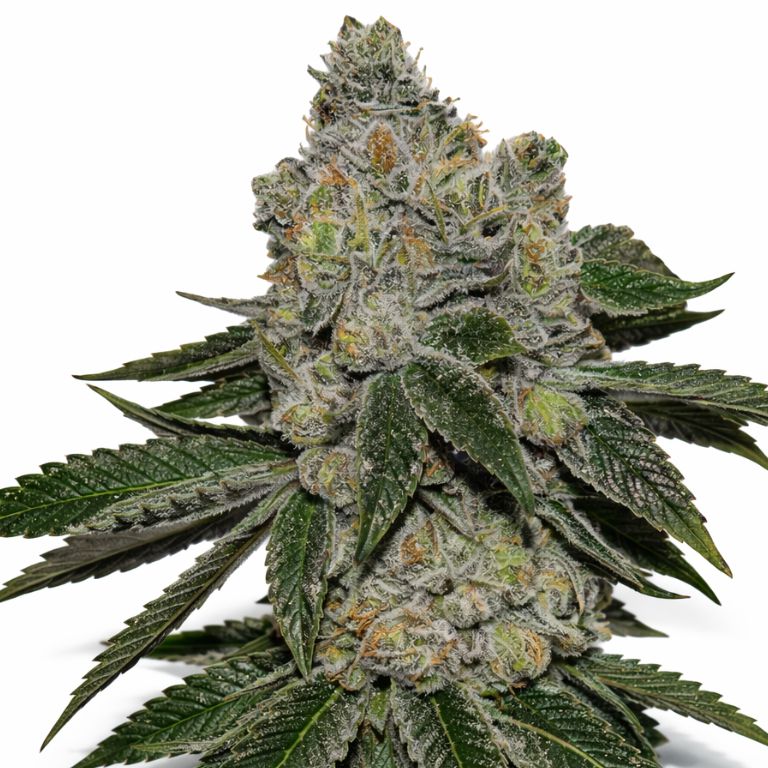
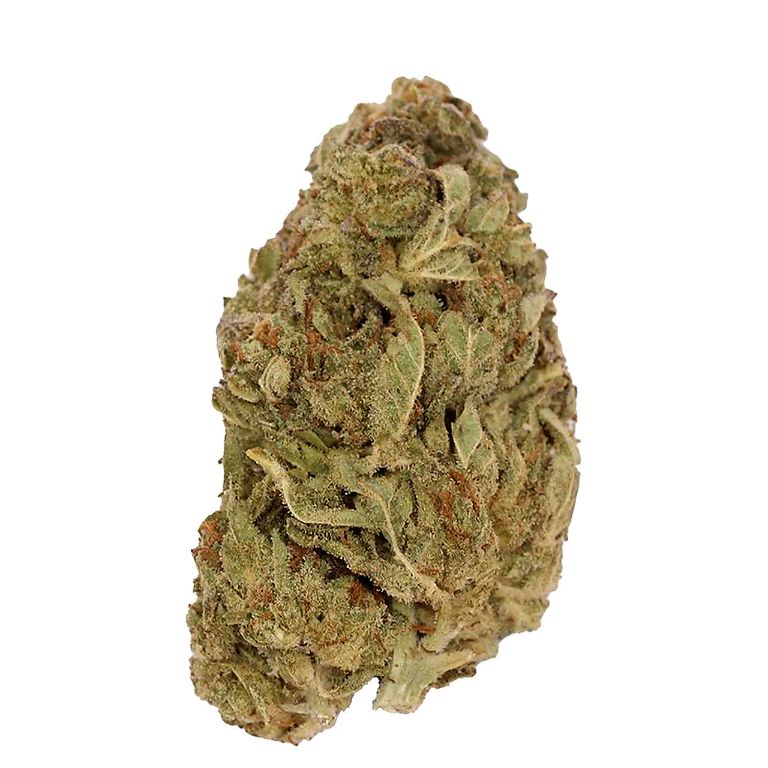
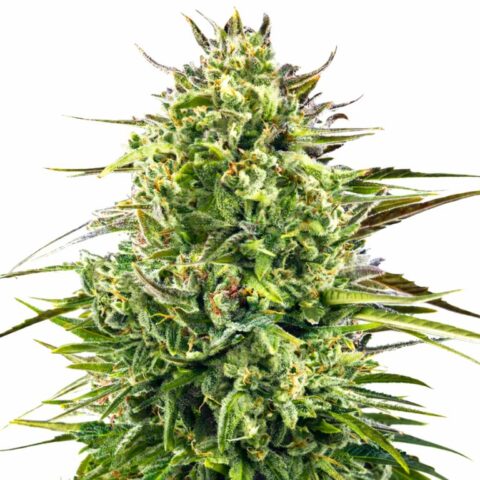
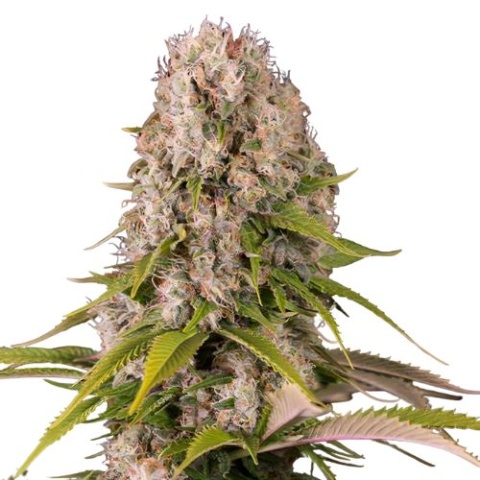
When finished well, the flower often cures into bright green to lime-leaning buds with heavy trichome frosting and occasional purple flecking when nights run cool. Many plants produce resin-heavy colas that trim into neat, photogenic tops with strong shine under light. For growers selling or gifting, the structure can translate into strong jar presentation, and careful curing turns that look into bag appeal buds without a dry, brittle texture. Minimizing rough handling during trimming helps preserve intact heads and keeps the final product looking “fresh” rather than scuffed. Good environmental control also supports tighter calyx development and a more premium finish.
Plant Height
Indoors, plant height is typically manageable when training starts early and light intensity is sufficient to keep node spacing tight. The compact flowering stretch is helpful in tents, but growers should still plan for some vertical gain after the flip, especially if vegetative time runs long or light intensity is low. Outdoors, size can increase with large containers and long seasons, so staking and wind protection may be necessary. In both cases, consistent light, good airflow, and stable root-zone moisture are the practical levers that keep growth controlled and productive.
Aroma
The bouquet is often loud and sharp, led by a citrus diesel aroma with funky, slightly sour undertones that intensify late in bloom and during curing. In properly dried flower, the Cheetah Piss terpene profile can stay room-filling, so odor control is important for indoor cannabis gardens. Gentle trimming and a slow cure help preserve volatile compounds; rushed drying is a common reason the scent flattens. Many fans describe the nose as modern fuel-citrus rather than candy-sweet, which makes it stand out in a jar lineup and signals that cure quality really matters.
Flavor
Flavor generally follows the nose: bright citrus up front, a fuel-leaning middle, and a lingering tang on the finish. When the cure is handled patiently, the Cheetah Piss terpene profile often translates into a cleaner, more layered smoke or vapor with less harshness. Growers who deliver bag appeal buds through slow drying typically avoid chlorophyll bite, which lets the true weed flavor come through. For many marijuana consumers, the appeal is that the taste stays bold even in smaller sessions, provided the flower wasn’t dried too fast or stored too warm.
In Conclusion
For growers who want a contemporary cultivar that leans hard into aroma, resin, and potency, Cheetah Piss cannabis seeds can be a strong choice. The line’s stable feminized genetics support consistent runs, while the signature citrus diesel aroma offers a clear identity from garden to jar. Treated as a high-THC hybrid, it tends to suit experienced users or those who dose thoughtfully, and many describe a balanced daytime lift when consumed in moderation.
With steady environment control, disciplined feeding, and patient drying, the outcome is a sharp, modern cannabis profile that stands out without needing hype. This profile is prepared for the RKS catalog and focuses on practical grow outcomes rather than hype.


Reviews
There are no reviews yet.