Description
Introduction
Appleberry cannabis seeds are bred for growers who want a fruit-leaning hybrid that stays orderly in the garden and finishes with dense, resinous flowers. The plant usually remains manageable in a tent yet can still stack well-formed cannabis buds when lighting, airflow, and irrigation are consistent. Many gardeners describe the cured weed as smooth and flavorful, with effects that feel calming without becoming overly sedating. In either soil or coco, this cultivar performs best when watering is disciplined, runoff is monitored, and the root zone is allowed to breathe between feedings.
Origin and Lineage
Seed lines sold under the “Appleberry” name are typically selected for bright fruit character paired with a classic relaxing backbone, and breeders may keep exact parental selections private. The Appleberry terpene profile is often described as orchard fruit layered with soft herbal and creamy tones. Late in bloom, many growers notice an Appleberry sweet apple aroma that becomes louder as resin glands mature. After a slow dry and a patient cure, the marijuana character often reads clean and fresh rather than sharp, with a mellow sweetness that carries into the jar.
Growth Difficulty and Grow Guide
This variety is generally approachable for newer growers who can keep temperature, humidity, and light intensity stable. A practical Appleberry indoor grow setup starts with strong ventilation, gentle air movement across the canopy, and a consistent watering rhythm that avoids saturated media. Experienced cultivators report that Appleberry low stress training helps create an even top line and reduces shaded lower growth, improving bud development across the plant. Because Appleberry feminized photoperiod seeds let the grower choose veg length, plant size can be tailored to the room, and many prefer a simple “train, recover, repeat” rhythm over aggressive pruning.
Nutrients and Equipment
During vegetative growth, moderate feeding often outperforms an aggressive nutrient push, especially for gardeners still learning how their medium behaves. For an Appleberry indoor grow setup, many growers rely on fabric pots, a reliable EC/pH meter, and oscillating fans to keep leaves dry and transpiration steady. A balanced base nutrient plus calcium and magnesium support can help maximize vigor without tipping into burn, and some growers add silica for sturdier stems. When the root zone stays healthy and salts are managed through sensible watering practices, Appleberry yield per plant tends to rise alongside overall flower density.
Flowering Phase
After the light cycle changes, the plant often shows moderate stretch followed by steady bud set and fast resin build. The Appleberry flowering window is commonly around eight to nine weeks, though cooler rooms can extend ripening slightly. During this stage, Appleberry THC potential is frequently reported in the high-teens to low-20s depending on phenotype and cultivation skill, so stress management matters. Many growers find Appleberry cannabis seeds perform best in bloom when nitrogen is tapered gradually, humidity is controlled, and heavy defoliation is avoided late, helping the plant focus on ripening rather than recovery.
Harvest
Harvest decisions are best made by trichome maturity and overall plant health rather than by a single calendar date. Appleberry harvest timing is commonly chosen when most gland heads are cloudy with a smaller portion turning amber, supporting rounded effects and strong flavor retention. In well-managed rooms, Appleberry yield per plant can be competitive for a compact hybrid, especially when the canopy is even and light is not wasted on empty space. Growers often note that Appleberry cannabis seeds preserve sweetness best when plants are dried slowly (not rushed with high heat), then cured with regular jar burps to stabilize moisture and aroma.
Common Challenges
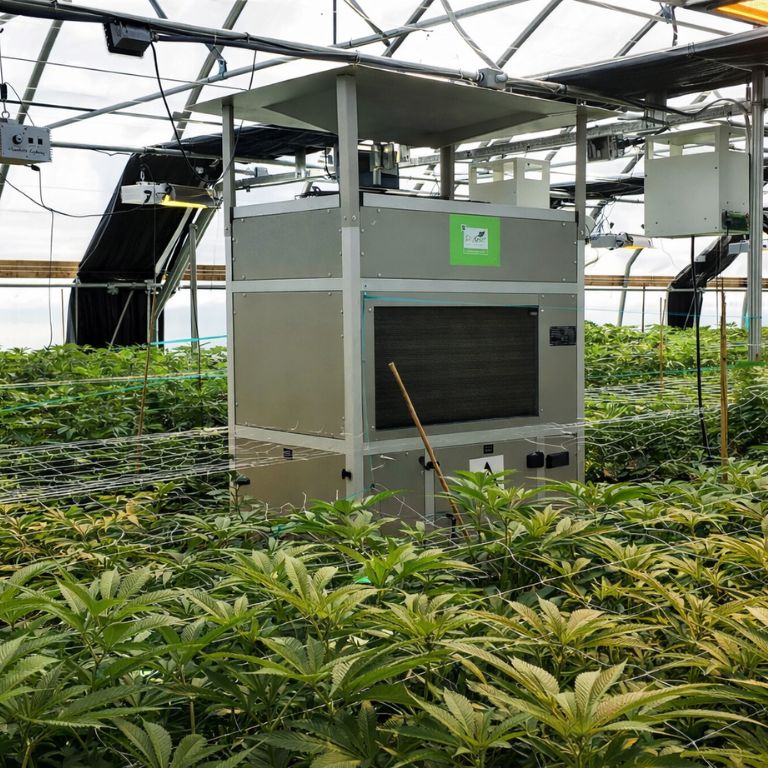
The biggest risks for this cultivar are the same ones that affect many dense-flowering weed plants: high humidity, overwatering, and salt buildup in the medium. Late-bloom moisture can increase the chance of bud rot, so steady dehumidification and a light but consistent defoliation routine are helpful. Appleberry low stress training can reduce microclimates by opening the canopy and improving airflow between branches. As with any cannabis grow, periodic leaf checks for mites or thrips, sticky traps, and clean intake filtration can prevent small problems from becoming crop-wide setbacks.
Additional Tips
Small, repeated adjustments usually beat major interventions, particularly once flowering is underway. Appleberry low stress training works best when started early in veg and maintained with gentle tie-downs, keeping tops at a similar height for uniform light exposure. Many growers also report that the Appleberry flowering window feels more predictable when the crop is kept within a stable VPD range and irrigation is timed to allow a sensible dry-back between feeds. Outdoors, choosing a sunny site with consistent airflow and using simple supports (stakes or soft ties) can reduce branch stress as buds gain weight.
Germination Time
Under warm, moist conditions, most seeds crack within 24–72 hours, though cooler rooms can slow emergence. Clean starter plugs or a paper towel method both work as long as the medium stays damp rather than soaked, reducing the risk of damping-off. When starting Appleberry feminized photoperiod seeds, many growers transplant once the first true leaves appear to avoid stalling early growth. With even seedlings and consistent early care, Appleberry harvest timing becomes easier to predict later in the season because flowering and ripening tend to proceed more uniformly across the canopy.
Wellness
Consumers often choose this weed variety for evenings or low-pressure days because it tends to promote body ease while keeping the mind relatively clear at moderate doses. Appleberry THC potential can feel stronger than expected for some users, so starting low and waiting before increasing is a sensible approach. For shoppers looking for non-intoxicating ratios, Appleberry CBD trace is typically minimal, and most experiences are driven by THC and terpene synergy rather than meaningful CBD content. Cannabis affects everyone differently, so responsible use, hydration, and avoiding mixing with alcohol are practical harm-reduction habits.
CBD Levels
Across grow reports and typical lab outcomes shared in legal markets, CBD is usually present only in small amounts for this cultivar. Appleberry CBD trace is commonly below 1%, although exact numbers vary by phenotype, cultivation method, and testing laboratory. For buyers comparing Appleberry cannabis seeds across catalogs, this generally places the plant in the classic high-THC category rather than a CBD-forward option. Customers who require consistent medical ratios should rely on verified certificates of analysis in their region and treat any non-tested figures as general guidance rather than a guarantee.
Appearance
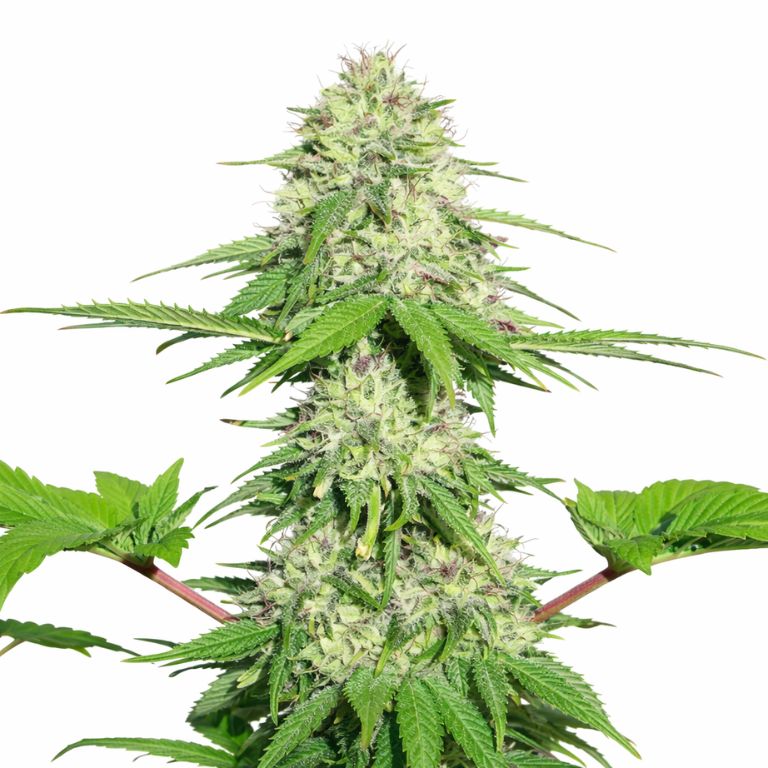
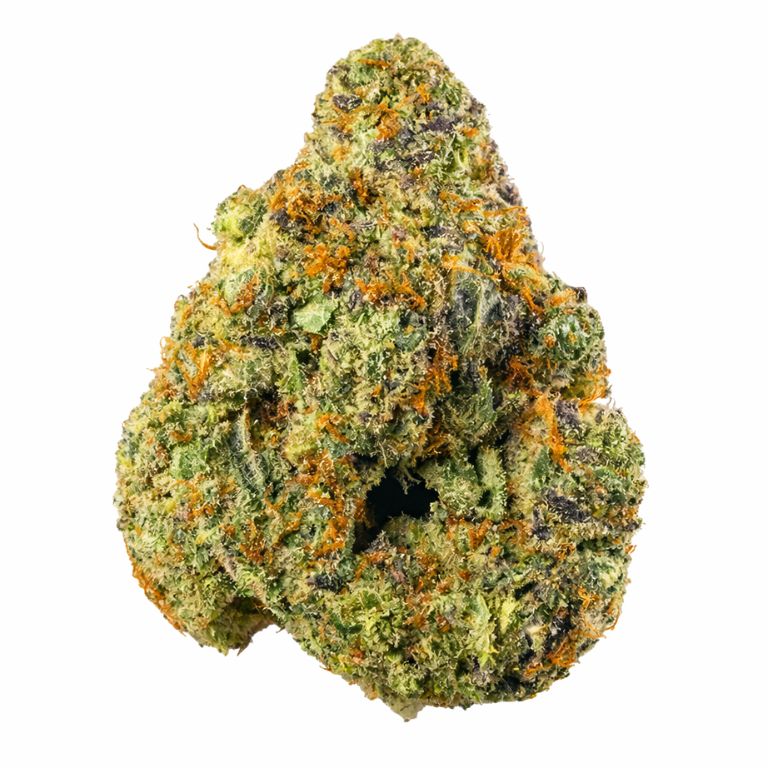
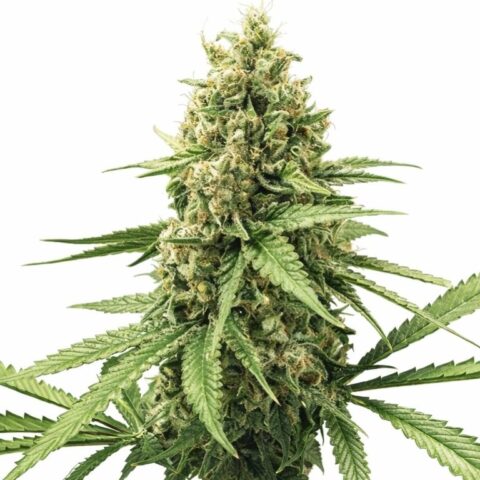
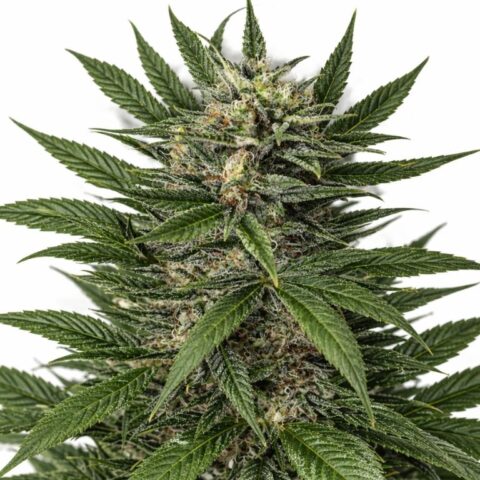
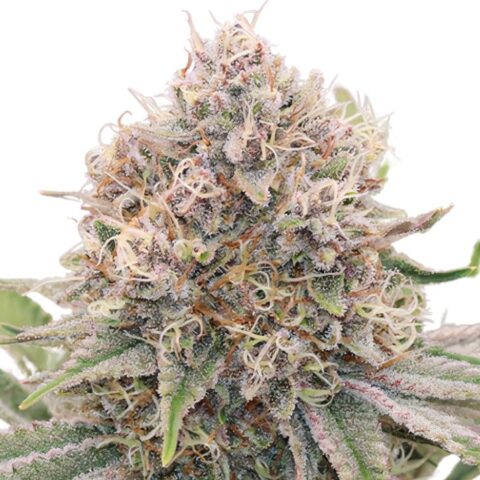
Plants often develop sturdy branching with moderate node spacing and flowers that harden during the final weeks of bloom. Buds are commonly dense, with visible trichome coverage that gives a frosted look under strong light, and a calyx-heavy structure that trims clean when conditions are correct. The Appleberry terpene profile often shows up in bag appeal as well, with bright fruit notes intensifying as resin production peaks. While color can vary, some phenotypes display warmer pinkish hues or subtle purple accents when nights run cooler, especially when nutrition remains balanced.
Plant Height
Indoors, finished height often falls in the 90–130 cm range, with larger plants possible if vegetative time is extended. Outdoors, the plant can reach 150–200 cm in warm climates with a long season and ample root space. A thoughtfully planned Appleberry indoor grow setup helps manage stretch through training, pot size choices, and careful light distance. Because the Appleberry flowering window is relatively moderate, growers can balance size and finish time by choosing when to flip while still maintaining enough leaf mass to power healthy bud formation.
Aroma
Late in bloom and during curing, the Appleberry sweet apple aroma is the signature—often described as crisp fruit with a soft creamy edge. Many jars also reveal light herbal notes that become more defined after a couple of weeks of curing. The Appleberry terpene profile tends to read clean and fresh rather than sharp or gassy, which makes it popular with consumers who prefer refined cannabis scents. Strong odor control is still recommended in indoor rooms, as the fragrance can be persistent when plants are handled or when humidity rises during late flower.
Flavor
When dried slowly and cured patiently, the smoke or vapor often delivers fruit notes reminiscent of apple candy and berry skin, followed by a gentle earthiness on the finish. The Appleberry sweet apple aroma frequently translates directly to taste, while rushed drying can mute sweetness and bring forward harsher plant tones. Many users find the effects pair well with evening relaxation, but dosing matters; Appleberry THC potential can be noticeable even to regular cannabis consumers. Lower-temperature vaporization and a longer cure can highlight the sweet top notes and keep the finish smooth.
In Conclusion
Appleberry cannabis seeds suit growers seeking compact plants, vivid fruit character, and a balanced hybrid effect that fits many routines. Appleberry feminized photoperiod seeds give gardeners control over veg length so plant size can match the space and the season. With steady airflow, sensible feeding, and careful Appleberry harvest timing, growers can protect terpenes and improve overall bag appeal. While Appleberry CBD trace remains low, the cultivar can still deliver satisfying effects and a clean finish, and Appleberry yield per plant is often strongest when the canopy is even, the root zone stays oxygenated, and drying is done slowly enough to preserve aroma.

Aiden Martin –
The vegetative growth phase of these plants was lightning-fast, setting the stage for a robust flowering period.
Harper Davis –
Artisanal breeding!
Wren Rodriguez –
I’m amazed by how quickly seeds sprouted! Within just a few days, I had healthy little seedlings ready to grow. It’s a testament to the quality of these seeds.
Harleigh Villanueva –
The aroma of these seeds is truly something special. It’s like walking through an orchard filled with ripe apples and berries. Can’t wait to experience the flavor!
Teagan Sims –
These cannabis seeds offer a wellness experience unlike any other. The balanced effects provide relief from both physical discomfort and mental stress, making it a staple in my daily routine.
Jaylee Knox –
Impressed with the CBD levels in these cannabis seeds. It’s rare to find a strain that offers such therapeutic benefits alongside a delightful flavor profile. Definitely stocking up on more seeds!
Cara Ross –
Received my cannabis seeds and couldn’t be happier with their appearance. The unique marbled exterior and intricate patterns make them a true work of art.
Keira McCormick –
The moderate plant height of these cannabis seeds makes them perfect for my indoor grow setup. They’re thriving without taking up too much space. Can’t wait to see them flower!
Giovanna Walker –
The aroma of this strain fills the room with its sweet and earthy fragrance. It’s a sensory experience from the moment you open the package.
Mikayla Gregory –
These cannabis seeds deliver on their promise of a complex flavor profile. Each puff is a journey through layers of fruity sweetness, earthy undertones, and subtle spice. It’s a taste sensation!
Juniper Page –
The visual appeal of these cannabis seeds is stunning. From their small to medium size to their marbled exterior, they’re a beautiful addition to any collection.
Ellen Spencer –
Highly recommend!
Ghy Ross –
I LOVED growing this outside in my garden
Halena Bailey –
If you are a fan of appleberry weed, then you should try growing it on your own
Gie Robertson –
One of the more satisfying strains
Adde Wright –
If you buy online, you can expect your seeds to arrive in a matter of days! Very fresh too.
Chana Kerr –
Bud is very tasty and a fantastic
Houston Petersen –
Amazing for pain
Sara Santos –
Good for sleep and relaxing.
Lucille Huber –
goood strain to pick you up for a little then bring you down to some heavy sleep . good stuff 🙂
Cassidy Robinson –
Love this…
Izabelle Gutierrez –
Super quick head high.
Shea Atkinson –
Great body vibes!
Lane Hart –
I’m able to go out and be a social butterfly or I can lay in bed, watch TV / read and doze off easily.
Makhi Wilkerson –
Produces mass crystals every time.
James Rose –
10/10 recommend
Steve Headlee –
Awesome!!!
Norris Levy –
this is very strong smelling and it kept me on my feet all day.
Randy Kimball –
Best shit ever!!!!!!!!!!!!!!!!!!!!!!!!!!!
Debra Eyler –
it’s a wonderful strain..
Gabriel Fuentes –
Love is an understatement! Best strain for my ptsd and anxiety.
ryan west –
Just an amazing first experience.
april wedgburrow –
This is definitely one of my favorites.
Justin Lumbard –
Two hits leaves you stoned for hours.
Jack Sherren –
Very euphoric, and creative
Ashley Betson –
Doesn’t has a great taste but it packs a punch
Brad Bowerman –
Amazing.
Judith Loiselle –
9 outta 10
Jack Hares –
Def get if you can!!
Deb Phelps –
Everything about this bud is great.
ANDREW DEUSEN –
Blocks my pain
Eric Bennett –
Extremely portent and great strain for the day.
Mitchell Curtis –
Melts away my migraines.
Jeff Morrison –
Absolutely amazing.
Sean Baker –
Try it. You will have an amazing time no matter what.
Sean Baker –
Try it. You will have an amazing time no matter what…
Jesus Hill –
Good smoke