Description
Introduction
Apple Mintz cannabis seeds are designed for growers who want a flavorful, modern hybrid that combines potency with striking bag appeal. The Apple Mintz strain is widely recognized for its dense, frosty flowers and dessert-like aroma that hints at sweet fruit and cool mint. Offered as feminized marijuana seeds, this line helps legal cultivators maximize productive plants while minimizing the need to remove males. Built on premium weed genetics, the variety performs reliably in tents, small rooms, and carefully selected outdoor spaces, giving hobbyists and experienced gardeners alike a chance to produce top-shelf cannabis at home.
Origin and Lineage
While specific breeder recipes can vary, the Apple Mintz strain typically descends from dessert-forward hybrids selected for both terpene richness and a balanced head-to-body effect. Breeders have focused on combining flavorful parents that already tested well as high THC cannabis, then refining offspring for structure and stability. The resulting hybrid usually expresses a compact but productive frame suited to controlled environments, yet it can also adapt to a well-prepared outdoor cannabis garden in suitable climates. This careful selection process supports consistency from seed to seed, helping growers plan their gardens with greater confidence.
Growth Difficulty and Grow Guide
For most home gardeners, Apple Mintz cannabis seeds fall into the intermediate category, rewarding attentive care without demanding advanced techniques. Because they are feminized marijuana seeds, cultivators can devote their energy to training, canopy management, and environment instead of sexing plants. In an indoor weed grow, these plants respond well to topping and gentle low-stress training, which encourages multiple main branches and an even light footprint. Basic marijuana cultivation skills—such as maintaining stable temperatures, moderating feeding, and monitoring pH—are usually enough to keep this hybrid on track from early vegetative growth through pre-flower.
Nutrients and Equipment
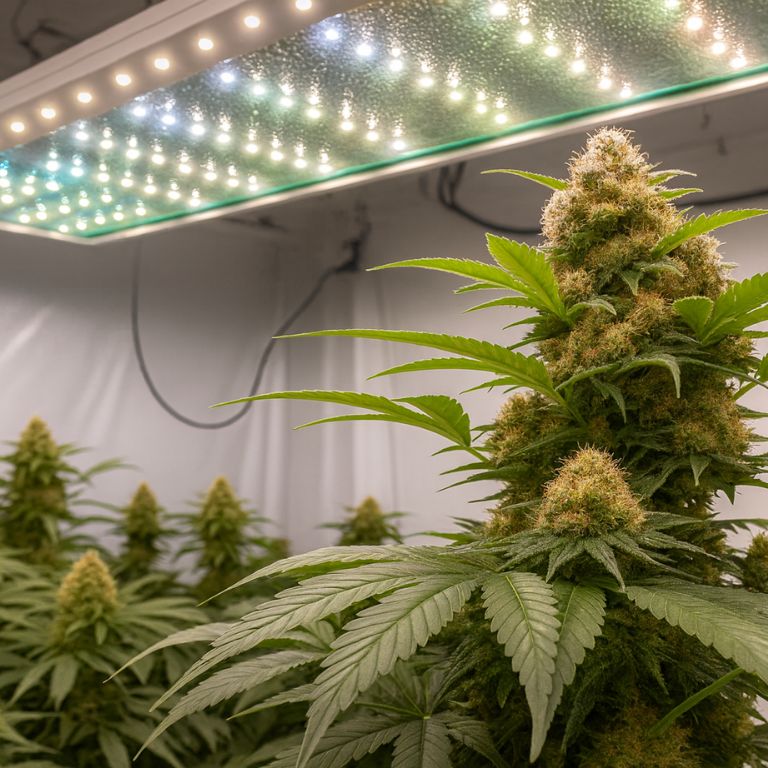
In an indoor weed grow, cultivators typically pair this hybrid with full-spectrum LED or HID fixtures that deliver strong light intensity without excessive heat. These premium weed genetics respond best to a balanced nutrient program that favors moderate nitrogen in veg, then shifts toward phosphorus and potassium as flowering progresses. Many growers prefer using buffered coco or well-aerated soil mixes that allow for precise control of nutrient strength and drainage. Reliable airflow, carbon filtration, and environmental controllers help protect the crop, especially since lighting suited for high THC cannabis often drives rapid growth that can stress plants if humidity and temperature are not managed carefully.
Flowering Phase
As Apple Mintz cannabis seeds transition into bloom, growers usually notice a steady stretch followed by rapid stacking of plump flowers along each branch. The cultivar often displays characteristics associated with high THC cannabis, including thick trichome coverage and a strong, evolving aroma that becomes more pronounced each week. Even in a compact indoor weed grow, colas can become quite hefty, making early staking or netting a good idea. As resin production peaks, sticky Apple Mintz buds take on a sugar-coated appearance, signaling that harvest is approaching and environmental control—particularly humidity—should remain a priority.
Harvest
In a well-situated outdoor cannabis garden, plants typically finish in the mid to late fall window, depending on local conditions and the specific phenotype. Indoors, many growers find that the hybrid reaches maturity within a standard eight- to nine-week flowering period when trichomes have turned mostly cloudy with some amber. Careful timing lets Apple Mintz buds reach their ideal mix of potency, aroma, and smoothness, making the most of weeks spent in bloom. A slow dry followed by a patient cure preserves nuanced flavors and maintains the visual quality that many consumers associate with top-shelf marijuana.
Common Challenges
Like many dense, resin-rich hybrids, this cultivar can be vulnerable to high humidity and stagnant air, particularly late in bloom. Those new to marijuana cultivation sometimes underestimate how quickly powdery mildew or bud rot can appear in crowded tents, so regular pruning and canopy thinning are important. Overfeeding can also lead to tip burn or lockout, especially in smaller containers where salts accumulate quickly. Consistent observation is vital for growers who rely on their harvest, and this is especially important for medical marijuana patients who depend on predictable results from one cycle to the next.
Additional Tips
Growers who keep detailed notes on feeding schedules, environmental settings, and final yields often see steady improvement with each run of this hybrid. Simple steps such as elevating pots, improving airflow below the canopy, and defoliating selectively help light reach lower sites and reduce microclimates. In an outdoor cannabis garden, simple staking or trellising protects branches from wind and the weight of ripening colas. Taking time to learn how the plants respond to different training methods, irrigation intervals, and nutrient strengths helps support long-term marijuana cultivation success, allowing the premium weed genetics to express full aroma, color, and resin potential.
Germination Time
When handled correctly, feminized marijuana seeds from this line usually crack within a few days, provided they are kept warm, slightly moist, and protected from direct light. Many growers favor simple methods such as lightly moistened paper towels, starter plugs, or small cups of seedling soil with gentle watering from below. Once taproots emerge, seeds are placed into their initial containers without excessive handling, giving them a strong start. Recording germination dates and early observations helps cultivators compare different batches and refine their approach for future runs, building experience with how this hybrid responds in the first week of life.
Wellness
From reports in legal markets, many consumers describe the Apple Mintz strain as offering a balanced combination of heady uplift and soothing body ease, making it well-suited to evenings and relaxed social settings. Flowers grown from Apple Mintz cannabis seeds may deliver a potent experience, so new users are encouraged to start with modest portions and increase slowly. The comfortable, mood-brightening effects are often appealing to recreational cannabis users who want a strain that feels indulgent without becoming overwhelmingly sedative. Some medical marijuana patients report that this hybrid slots neatly into their evening routine, always within the guidelines of local regulations and any professional medical advice they receive.
CBD Levels
This variety is generally bred as a THC-forward hybrid, with CBD content expected to remain relatively low compared to dedicated CBD strains. While exact percentages depend on phenotype and growing conditions, the cannabinoid profile typically aligns with contemporary recreational marijuana flowers that emphasize strong psychoactive effects and rich terpene expression. Consumers who prefer a more balanced experience sometimes pair this cultivar with separate CBD-rich products, such as tinctures or edibles, allowing them to tailor their intake. As always, lab-tested products and clear labeling give buyers the best insight into potency and composition.
Appearance
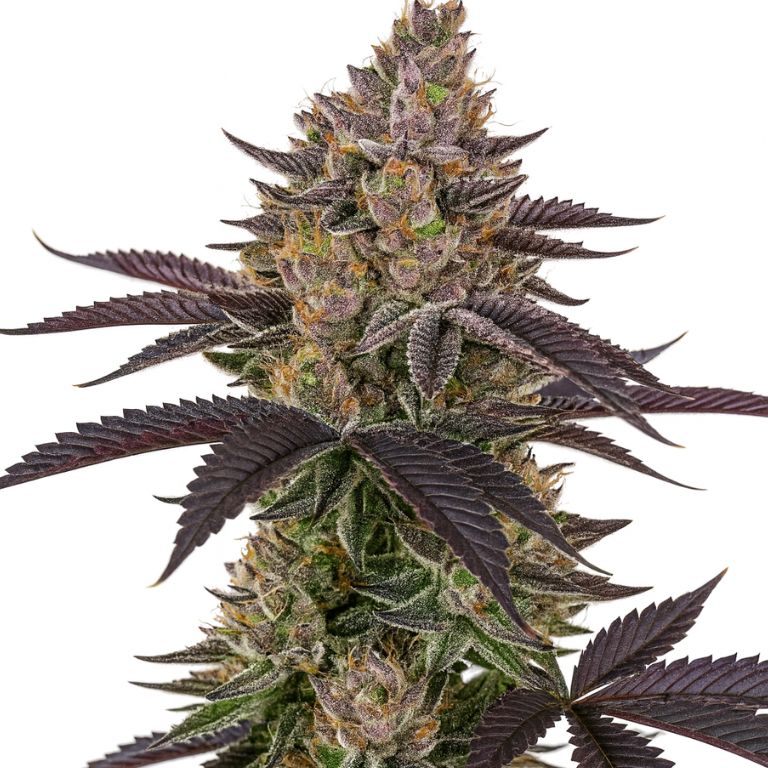
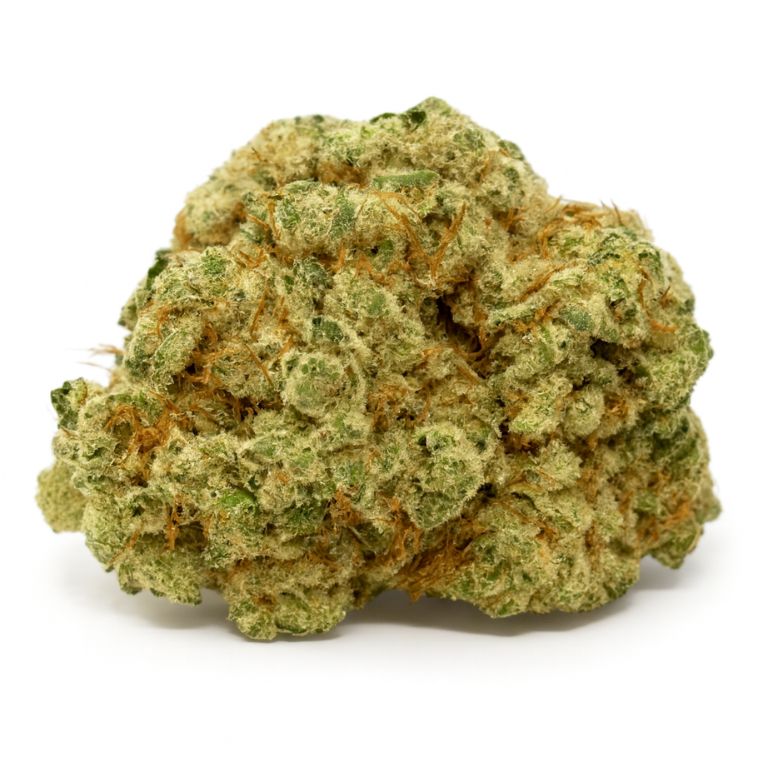
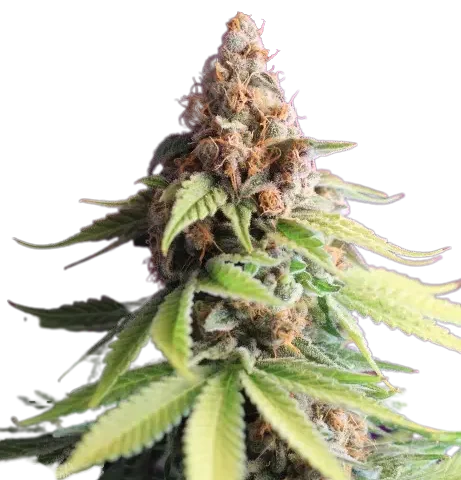
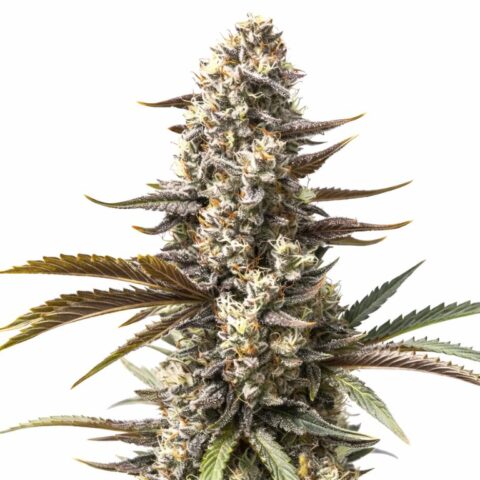
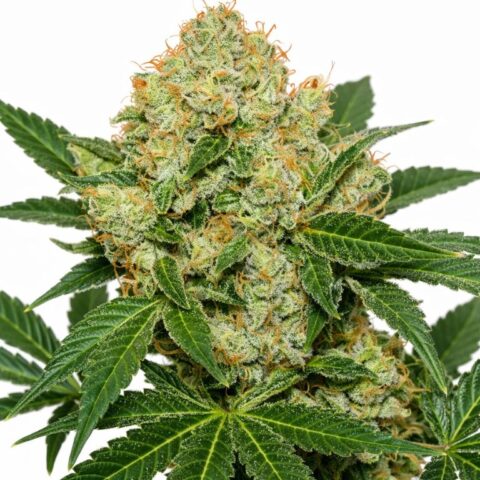
At maturity, plants from this line develop thick, spire-like colas that showcase dense calyx formation and generous trichome coverage. Under good lighting, mature Apple Mintz buds display vibrant shades of green with occasional purple highlights, often wrapped in a blanket of frosty resin that gives them a sugar-dusted look. Fine orange pistils weave through the flowers, providing visual contrast and hinting at the strain’s complex terpene profile. Well-grown specimens have strong bag appeal, looking at home in high-end jars and dispensary displays where structure, color, and resin content all signal careful cultivation.
Plant Height
In most setups, this hybrid reaches a medium height, making it adaptable to a range of legal growing spaces. Indoors, a reasonable vegetative period combined with topping or low-stress training helps maintain a manageable canopy while encouraging multiple dominant branches. Plants usually show sturdy lateral growth, allowing them to fill a tent or small room without excessive vertical stretch. Outside, where root space and sunlight are more abundant, individuals may grow taller and fuller, but they still tend to stay more compact than classic long-limbed sativas. This predictable stature is helpful for growers who must plan around limited ceiling height or privacy concerns.
Aroma
Aromatically, the cultivar leans heavily into its dessert-inspired character. As flowering progresses and resin production increases, the room often fills with notes reminiscent of sweet apple, cool mint, and subtle vanilla layered over traditional earthy cannabis undertones. The scent can become quite intense in enclosed spaces, so effective carbon filtration is recommended for discretion. The aroma is one of the main reasons many recreational cannabis users seek out this hybrid, as it brings a confectionary quality to the garden long before harvest and curing are complete.
Flavor
On the palate, this hybrid carries forward many of the same impressions found in its scent. Smooth draws often reveal flavors of baked apple, creamy sweetness, and a refreshing mint accent, supported by gentle earth and spice on the exhale. The combination creates a dessert-like profile that appeals equally to recreational cannabis users and those who simply enjoy nuanced, flavorful weed. Some medical marijuana patients who value taste as part of their routine note that the strain’s smooth smoke or vapor makes it an enjoyable option for measured evening use, provided they remain mindful of its potency.
In Conclusion
For growers seeking a modern hybrid that balances flavor, potency, and visual appeal, Apple Mintz cannabis seeds offer a compelling choice. This cultivar performs reliably in both small indoor setups and carefully managed outdoor sites, provided core environmental needs are met and basic cultivation practices are followed. With its dessert-style aroma, dense resin-coated flowers, and comfortable, evening-friendly effects, it can hold a special place in the gardens and jars of enthusiasts who appreciate thoughtfully bred marijuana varieties. When approached with patience, good recordkeeping, and respect for local law, this hybrid can become a dependable cornerstone of any personal weed collection.

Reviews
There are no reviews yet.