Description
Introduction
Amsterdam Cannabis Seeds bring the spirit of the European coffee shop scene into the home garden, offering growers a curated selection of stable marijuana genetics. Designed for those seeking reliable Amsterdam marijuana seeds, this collection balances potency, flavor, and yield across a range of photoperiod varieties. Many cultivators choose these feminized weed seeds when they want dependable female plants that produce dense, resinous cannabis buds rather than wasted male growth. As a high THC cannabis strain collection, it is aimed at growers who appreciate strong effects alongside rich terpene profiles. For shoppers comparing marijuana seeds for sale online, this line provides a versatile option for both new and experienced cultivators looking to grow quality cannabis at home.
Origin and Lineage
Developed to reflect the classic character of Dutch cannabis culture, these seeds are inspired by the long-standing reputation of Amsterdam as a global hub for marijuana breeding. Many Dutch cannabis seeds trace their heritage back to landrace varieties from regions such as Afghanistan, Thailand, and Mexico, and this line follows that tradition with carefully selected parent stock. Sourced through a professional cannabis seed bank environment, the genetics are chosen for stability, uniform growth patterns, and consistent resin production. Growers who enjoy exploring some of the best weed strains from Europe will recognize familiar traits such as fast flowering, dense bud structure, and strong, uplifting effects. While individual phenotypes may vary, the overall lineage is built for reliability and performance in modern cannabis gardens.
Growth Difficulty and Grow Guide
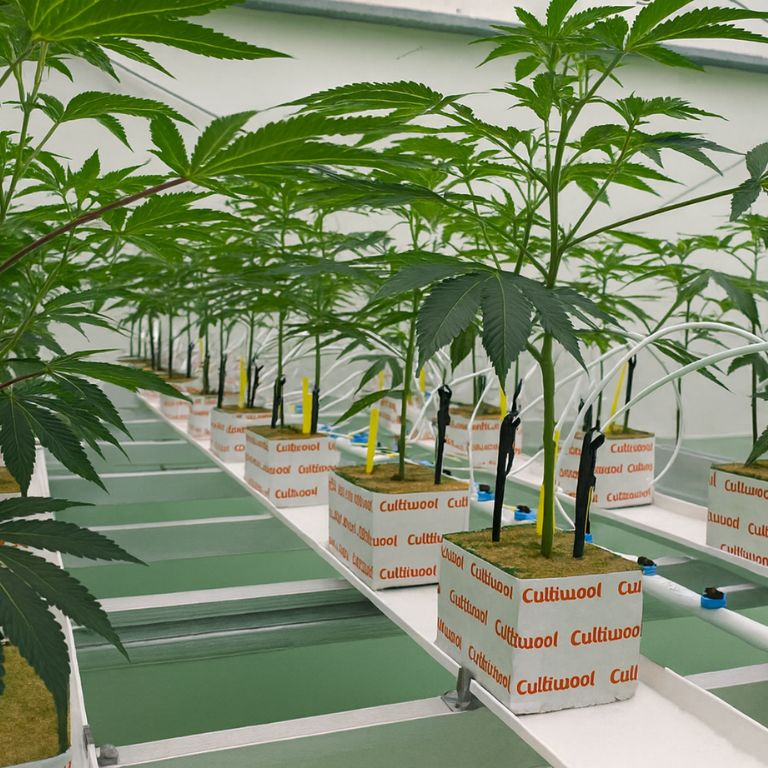
Overall grow difficulty ranges from easy to moderate, making Amsterdam Cannabis Seeds a practical choice for hobbyists willing to follow basic cultivation guidelines. Gardeners searching for Amsterdam marijuana seeds that adapt well to different environments will find that these genetics can thrive in soil or hydro setups with proper care. In a controlled indoor marijuana grow, plants respond well to training techniques such as topping and low-stress training, helping to manage canopy height and maximize light penetration. Growers planning outdoor weed cultivation in mild, temperate climates often report sturdy plants with good resistance to wind and variable weather. While not a beginner friendly cannabis option in every case, attentive new growers who monitor humidity, nutrients, and airflow can still achieve healthy, productive marijuana plants.
Nutrients and Equipment
To get the most from these genetics, cultivators typically rely on a balanced nutrient program tailored to the plant’s life cycle, including a gentle start for seedlings and increased phosphorus and potassium during flowering. Growers who have worked with other Dutch cannabis seeds often note that these plants respond well to quality base nutrients, supplemented with calcium and magnesium when using reverse osmosis water or coco coir. Whether using organic inputs or mineral-based formulas, feeding should be moderate rather than aggressive to avoid nutrient burn on sensitive leaves. Experienced growers who source their genetics from a reputable cannabis seed bank usually pair them with reliable equipment such as full-spectrum LED lighting, carbon filters for odor control, and oscillating fans to maintain steady airflow. Simple monitoring tools for pH and EC help keep the root zone stable, promoting vigorous growth and robust marijuana plants.
Flowering Phase
Once the plants transition into the flowering phase, Amsterdam Cannabis Seeds generally develop thick clusters of buds coated in trichomes within eight to ten weeks, depending on phenotype and grow conditions. In an indoor marijuana grow, cultivators often reduce humidity and increase airflow during this stage to prevent mold while encouraging dense bud formation. Many growers choose to run these feminized weed seeds under a consistent 12/12 light cycle, allowing the plants to focus energy on producing heavy cannabis flowers with strong aroma. In regions that support outdoor weed cultivation, the flowering period typically finishes by early autumn, provided plants are started early enough in the season. Close attention to support stakes or netting during late flower can help prevent branches from bending or breaking under the weight of maturing marijuana buds.
Harvest
At harvest time, growers working with Amsterdam Cannabis Seeds often look for milky to amber trichomes as a visual cue that resin production has peaked. Those who selected Amsterdam marijuana seeds for their strong effects usually aim for a slightly higher proportion of cloudy trichomes to preserve potency and bright, cerebral qualities. In outdoor weed cultivation, timing the chop before heavy autumn rains can help protect the crop from bud rot and other moisture-related issues. Many cultivators prefer a gentle, slow dry in a dark, well-ventilated space followed by careful curing in airtight containers to preserve terpenes and smooth out the smoke. When handled with patience and attention, the final cannabis flowers typically offer robust flavor and high-quality buds suitable for personal use or sharing within legal frameworks.
Common Challenges
While these marijuana genetics are generally forgiving, growers may still encounter common challenges such as overwatering, nutrient imbalances, and pest pressure. Heavy feeding can lead to burnt leaf tips and clawing, particularly in smaller pots or high-EC hydroponic systems, so gradual adjustments are recommended. Excess humidity can create conditions for powdery mildew or botrytis, especially in dense canopies common to compact weed plants. Integrated pest management, including regular inspections and the use of beneficial insects or gentle foliar sprays, helps keep pests like spider mites and fungus gnats under control. By responding quickly to early warning signs, cultivators can maintain plant health and protect overall cannabis yield.
Additional Tips
Experienced cultivators often suggest starting these feminized weed seeds in smaller containers before transplanting, allowing the root system to establish without risk of overwatering. For those exploring beginner friendly cannabis options, simple techniques like topping once or twice and lightly bending branches can improve light distribution without adding significant complexity. Maintaining a consistent environment—stable temperatures, moderate humidity, and gentle air movement—supports steady growth from seedling through harvest. Some growers also prefer to keep detailed notes on feeding schedules, pH readings, and plant responses, creating a personal reference for future cannabis cycles. Over time, this careful observation helps refine techniques and unlock the full potential of each phenotype in the garden.
Germination Time
Under suitable conditions, these marijuana seeds typically germinate within 24 to 72 hours, though some growers report slightly longer times depending on temperature and moisture levels. Cultivators comparing marijuana seeds for sale often choose to pre-soak seeds in clean, room-temperature water for several hours before placing them between damp paper towels or directly into starter cubes. While this line is accessible even to those new to growing, treating it as a beginner friendly cannabis project still requires patience and gentle handling during the early stages. Seedlings should be kept warm, with adequate but not excessive moisture, to encourage strong taproot development and prevent damping-off. Once the first true leaves appear, young cannabis plants are ready to receive mild light and a very light nutrient solution.
Wellness
In terms of wellness-oriented use, this high THC cannabis strain collection is generally associated with strong, fast-acting effects that many adult consumers describe as relaxing, uplifting, or creatively engaging. Individual responses vary widely, and factors such as personal tolerance, consumption method, and environment all shape the experience. Some people report using cannabis from these plants in the evening to unwind after a long day, while others prefer small doses for social settings or artistic activities. Because products derived from high-THC marijuana can feel intense for some individuals, new users are often advised to start low and increase slowly. Anyone considering cannabis for specific health concerns should consult a qualified healthcare professional and follow local regulations regarding marijuana use.
CBD Levels
Although exact lab results may vary by phenotype and growing conditions, these genetics are generally bred with THC prominence in mind rather than elevated CBD content. Compared to some of the best weed strains developed specifically for balanced or high-CBD profiles, this line typically produces flowers with low CBD, often below one percent. Growers focused on CBD-rich marijuana may wish to pair this variety with dedicated CBD strains in the garden to cover a wider range of cannabinoid preferences. Regardless of ratios, proper drying and curing help preserve sensitive cannabinoids and terpenes, contributing to a more nuanced and enjoyable cannabis experience. Understanding the cannabinoid profile of each harvest can help adult consumers make informed choices about how and when they use their weed.
Appearance
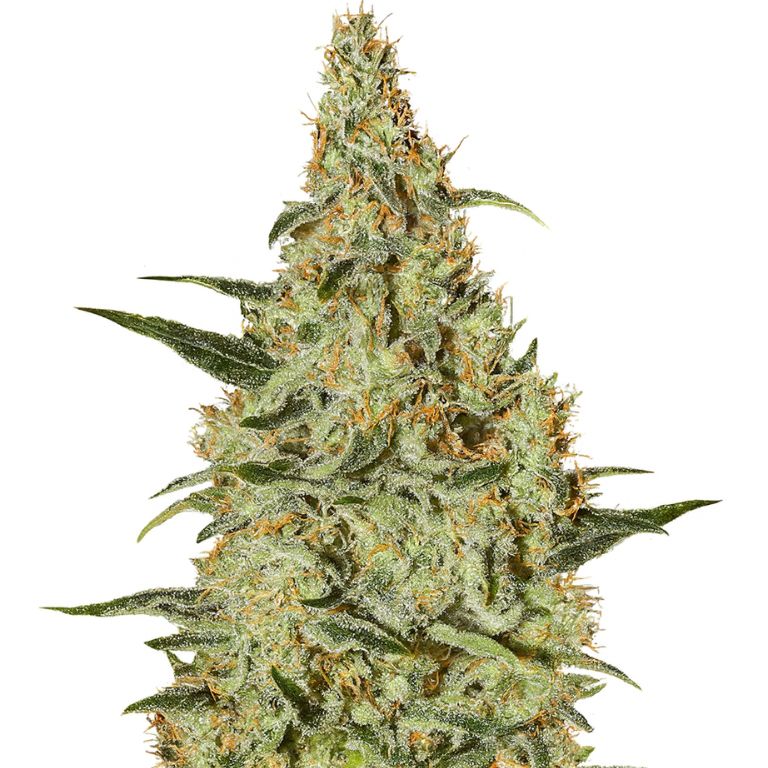
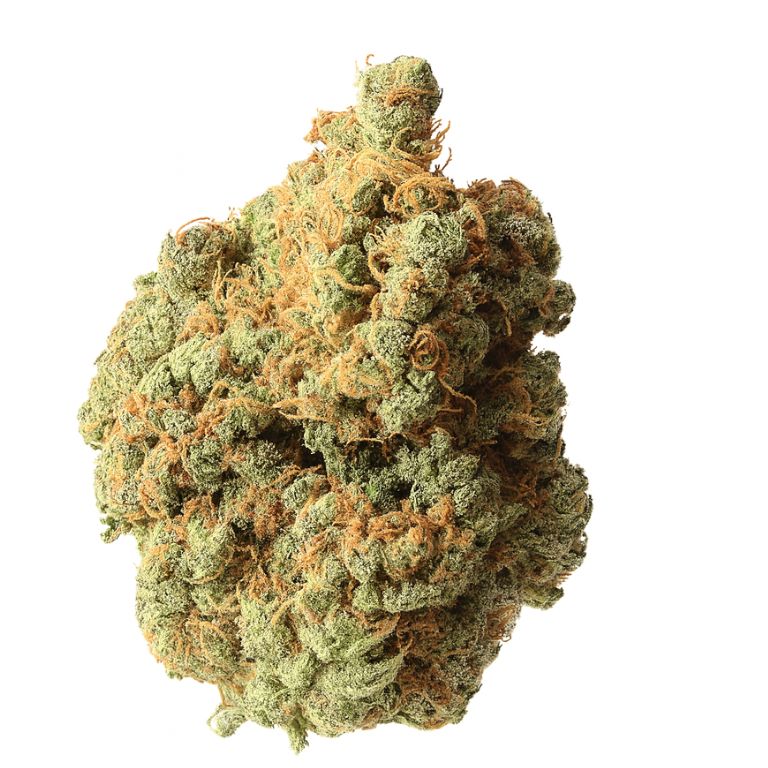
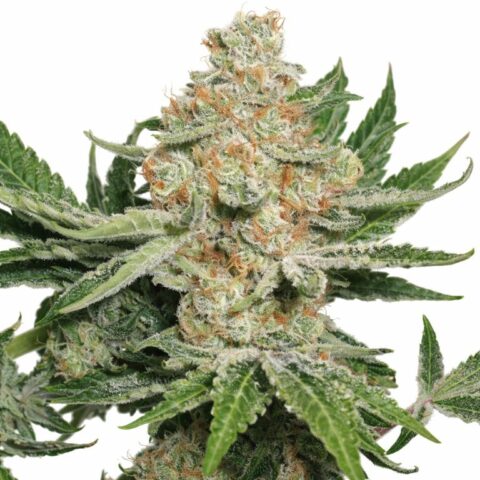
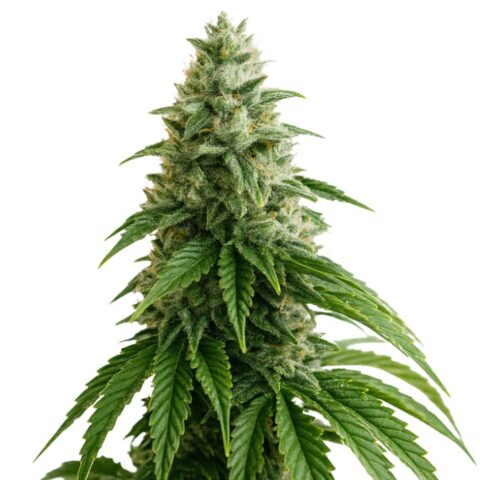
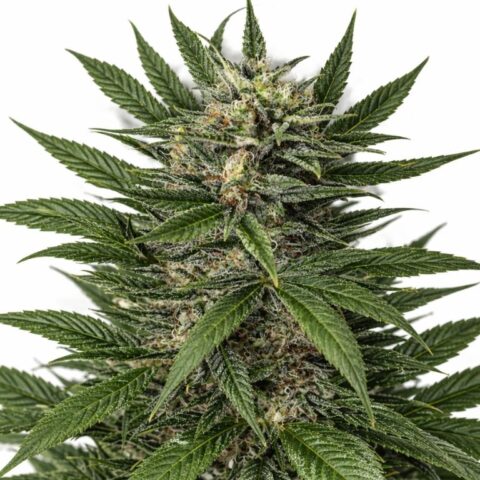
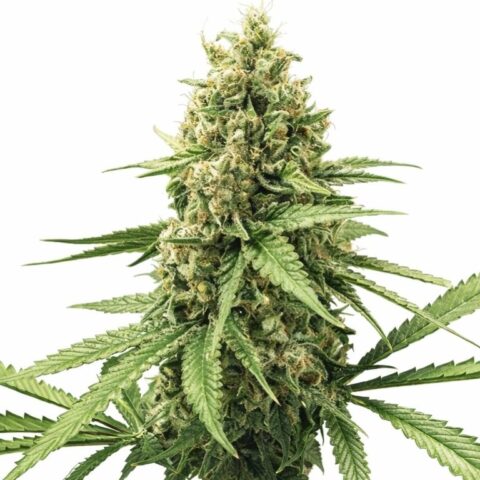
Mature plants from this line often display classic Amsterdam-style aesthetics, with medium to large colas stacked along sturdy branches and sugar leaves coated in a frosty layer of trichomes. Many growers familiar with Dutch cannabis seeds notice distinct visual traits such as tight bud formation and vibrant green hues that may be accented by orange or rust-colored pistils. Under optimal conditions, the flowers can take on a slightly glossy look due to heavy resin production, signaling strong potential for potent dried buds. Fan leaves tend to be broad to hybrid in shape, reflecting the mixed lineage behind the genetics. When properly trimmed, the finished cannabis buds typically have a bag appeal that stands out in jars or storage containers.
Plant Height
Plant height will vary depending on phenotype, pot size, and training methods, but most growers report medium stature plants that are easy to manage in tents or smaller grow spaces. In a well-managed indoor marijuana grow, plants can often be kept between 80 and 120 centimeters by combining topping with low-stress training or a simple screen-of-green layout. Outdoors, where root space and sunlight are more abundant, plants may stretch taller while still maintaining a compact, bushy profile that supports multiple bud sites. Regular pruning of lower growth that receives limited light helps the plant concentrate energy on top colas and mid-level branches. This balance between manageable height and generous bud production makes the strain suitable for both discreet gardens and more spacious cannabis plots.
Aroma
Aroma is one of the standout features of this marijuana line, with many growers noting a complex scent profile that can include earthy, spicy, and slightly sweet notes. Depending on phenotype and curing technique, some plants may lean toward herbal or pine-like tones, while others offer hints of citrus, floral accents, or a subtle fuel character. The fragrance tends to intensify during late flowering and especially after the buds are properly dried and cured. Good odor control is essential in indoor weed setups, and carbon filters or sealed drying spaces are recommended where discretion is important. When stored correctly, the terpene profile remains expressive for months, contributing to a rich sensory experience each time a jar is opened.
Flavor
On the palate, flowers from this high THC cannabis strain range typically deliver a full-bodied flavor that mirrors their aromatic complexity. Many adult consumers describe smooth, dense smoke or vapor with layers of earth, spice, and gentle sweetness, sometimes complemented by subtle citrus or herbal notes. Proper curing is critical to avoiding harshness and unlocking the more delicate flavors that might otherwise be overshadowed by chlorophyll or excess moisture. Whether enjoyed in traditional joints, vaporizers, or glassware, the taste profile is often cited as one of the reasons growers return to these marijuana genetics season after season. For those who value both potency and enjoyable flavor, this combination of traits makes the harvested weed especially satisfying.
In Conclusion
In conclusion, Amsterdam Cannabis Seeds provide a versatile option for cultivators seeking reliable performance, strong effects, and classic Dutch-style flavor profiles. For shoppers browsing marijuana seeds for sale, this line stands out as a well-rounded choice that can adapt to a range of indoor and outdoor setups when paired with attentive care. Backed by the kind of selection process expected from a professional cannabis seed bank, the genetics are aimed at growers who appreciate consistency from seed to harvest. Fans of some of the best weed strains from Amsterdam will recognize familiar traits in the garden and in the jar, from dense, resinous buds to pronounced aroma and flavor. With thoughtful planning, careful environmental control, and respect for local laws, growers can enjoy a rewarding cannabis experience season after season.

Reviews
There are no reviews yet.