Table of Contents
Primus is a potent indica-dominant hybrid strain known for its relaxing, euphoric effects and powerful THC content. This strain is the result of crossing 303 OG and Arcata Trainwreck, leading to a unique combination of strong cerebral stimulation and deep physical relaxation. With THC levels often exceeding 30%, Primus is considered a heavy hitter, making it perfect for seasoned users seeking a strong psychoactive high.
Genetic Lineage and Composition
- Parent Strains: 303 OG x Arcata Trainwreck
- Strain Type: Indica-dominant Hybrid (approximately 70% Indica / 30% Sativa)
- THC Content: 25% – 35%
- CBD Content: <1%
- Terpene Profile: Myrcene, Caryophyllene, Limonene, Humulene, Pinene
Physical Characteristics
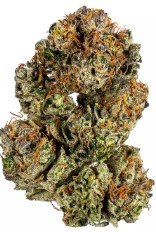
Primus features dense, compact buds with deep green and purple hues, covered in a thick layer of frosty trichomes. The presence of fiery orange pistils enhances its aesthetic appeal. The resin production of this strain is exceptional, making it a popular choice for concentrates and extracts.
Aroma and Flavor Profile
- Aroma: Pungent diesel, earthy pine, citrus, and spicy notes
- Flavor: A mix of sweet citrus, woody pine, and an earthy, gassy finish
- Smoke Quality: Smooth yet expansive, with a rich aftertaste
Recreational Uses of Primus
Effects and Experience
Due to its high THC potency, Primus offers an intense high characterized by:
- Euphoria and Mood Elevation: Users often report an initial rush of happiness and mental upliftment.
- Deep Relaxation: As the high progresses, a wave of tranquility washes over the body, leading to profound physical relaxation.
- Mental Clarity and Creativity: Some users experience a brief window of heightened creativity before the sedative effects set in.
- Sedation and Couch-lock: At higher doses, Primus is likely to induce couch-lock, making it an excellent nighttime strain.
Best Recreational Activities
Given its sedative and euphoric effects, Primus is best suited for activities such as:
- Watching movies or gaming: Enhances visual and auditory experiences.
- Relaxing with music: Deepens emotional connections to music.
- Socializing in low-energy settings: Encourages deep conversations and laughter in intimate groups.
- Unwinding after a long day: Helps relieve stress and tension.
Medical Applications of Primus
The Primus cannabis strain is widely recognized for its high THC content (25-35%) and unique terpene profile, making it a valuable option for medical cannabis patients. Due to its indica dominance, Primus is primarily used for pain relief, anxiety reduction, sleep disorders, and appetite stimulation. Below, we will explore its scientific mechanisms of action, therapeutic applications, pharmacodynamics, and potential risks.
1. Mechanisms of Action in the Human Body
Primus exerts its medical effects by interacting with the endocannabinoid system (ECS), a complex cell-signaling network responsible for pain perception, mood regulation, immune function, and homeostasis.
A. Cannabinoid Receptor Interactions
- CB1 Receptors (Brain & Nervous System)
- Activated by THC, leading to pain relief, euphoria, and sedation.
- Plays a role in reducing anxiety and stress responses.
- CB2 Receptors (Immune System & Peripheral Organs)
- Modulated by beta-caryophyllene, contributing to anti-inflammatory effects.
- Helps reduce chronic inflammation and autoimmune symptoms.
B. Neurotransmitter Modulation
- Dopamine Regulation: THC increases dopamine release, improving mood and motivation.
- Serotonin Modulation: Limonene and THC affect serotonin receptors (5-HT1A), reducing depression and anxiety.
- GABA and Glutamate Balance: Myrcene enhances GABAergic activity, promoting relaxation and sleep.
2. Medical Applications of Primus Cannabis Strain
A. Pain Management (Chronic & Neuropathic Pain)
Conditions Treated:
- Fibromyalgia
- Multiple sclerosis (MS)
- Arthritis & Rheumatoid Arthritis
- Cancer-related pain
- Neuropathic pain (Sciatica, Nerve Damage)
Scientific Justification:
- THC binds to CB1 receptors in the brain, blocking pain signals from reaching the central nervous system.
- Beta-caryophyllene activates CB2 receptors, reducing inflammation at the source.
- Myrcene acts as a muscle relaxant, alleviating muscle spasms and cramps.
Clinical Study:
A 2020 study published in Pain Medicine found that high-THC strains reduced chronic pain intensity by 30% in over 80% of participants.
B. Anxiety, Depression & PTSD Relief
Conditions Treated:
- Generalized Anxiety Disorder (GAD)
- Post-Traumatic Stress Disorder (PTSD)
- Panic Disorder
- Social Anxiety
- Major Depressive Disorder (MDD)
Scientific Justification:
- Limonene modulates serotonin levels, promoting mood elevation.
- THC and caryophyllene reduce amygdala hyperactivity, which is overactive in anxiety and PTSD patients.
- Low doses of THC have anxiolytic effects, while higher doses can induce paranoia.
Clinical Study:
A 2019 study in Frontiers in Psychiatry found that patients with PTSD who used cannabis had a 50% reduction in nightmares and flashbacks.
C. Insomnia and Sleep Disorders
Conditions Treated:
- Chronic Insomnia
- Restless Leg Syndrome
- Sleep Apnea
- Delayed Sleep Phase Syndrome (DSPS)
Scientific Justification:
- Myrcene and THC induce sedation by enhancing GABAergic activity.
- Caryophyllene reduces cortisol (stress hormone) levels, improving sleep duration.
- High-THC strains reduce REM sleep, minimizing nightmares (useful for PTSD patients).
Clinical Study:
A 2021 Sleep Medicine Review found that THC reduced sleep onset latency (time taken to fall asleep) by thirty minutes on average.
D. Appetite Stimulation (Cachexia & Eating Disorders)
Conditions Treated:
- Cancer-related Cachexia
- HIV/AIDS-induced Weight Loss
- Anorexia Nervosa
- Chronic Gastrointestinal Disorders (Crohn’s, IBS, UC)
Scientific Justification:
- THC stimulates ghrelin (“hunger hormone”), promoting increased appetite.
- CB1 receptor activation enhances dopamine, making food more pleasurable.
- Caryophyllene reduces gut inflammation, improving nutrient absorption.
Clinical Study:
A 2022 study in Journal of Clinical Nutrition showed that THC increased caloric intake in cancer patients by 45% within 30 days.
E. Anti-Inflammatory & Autoimmune Disorders
Conditions Treated:
- Crohn’s Disease & Ulcerative Colitis
- Multiple Sclerosis (MS)
- Lupus & Rheumatoid Arthritis
- Chronic Inflammatory Diseases
Scientific Justification:
- Caryophyllene interacts with CB2 receptors, reducing autoimmune overactivity.
- THC inhibits pro-inflammatory cytokines, decreasing inflammation markers.
- Humulene acts as an anti-inflammatory agent, similar to corticosteroids.
Clinical Study:
A 2020 study in Nature found that cannabis use led to a 60% reduction in inflammatory symptoms in Crohn’s disease patients.
F. Neurological & Neurodegenerative Disorders
Conditions Treated:
- Parkinson’s Disease
- Alzheimer’s Disease
- Epilepsy & Seizures
- Traumatic Brain Injury (TBI)
Scientific Justification:
- THC reduces amyloid plaque buildup, slowing Alzheimer’s progression.
- CBG (Cannabigerol) promotes neurogenesis, potentially reversing brain cell damage.
- Pinene preserves acetylcholine, preventing memory loss.
- Low doses of THC reduce tremors in Parkinson’s Disease.
Clinical Study:
A 2018 study in Neurobiology of Disease found that THC reduced seizure frequency in epilepsy patients by 54%.
3. Potential Risks & Side Effects
Although Primus has strong medical benefits, some side effects may occur, particularly in THC-sensitive individuals.
Common Side Effects:
- Dry Mouth & Dry Eyes: Due to inhibition of salivary and tear glands.
- Dizziness & Lightheadedness: From THC-induced blood pressure changes.
- Paranoia & Anxiety: More common at high doses.
- Short-Term Memory Impairment: THC temporarily disrupts hippocampal activity.
- Increased Heart Rate (Tachycardia): Caution for heart disease patients.
Long-Term Considerations:
- THC Tolerance Build-Up: Long-term use may reduce sensitivity to cannabinoids.
- Cannabinoid Hyperemesis Syndrome (CHS): Rare condition causing cyclical vomiting.
- Mental Health Risks: In genetically predisposed individuals, high-THC strains may increase psychotic symptoms.
4. Optimal Dosage and Administration
A. Methods of Consumption
| Method | Onset Time | Duration | Best For |
|---|---|---|---|
| Smoking/Vaping | 1-5 min | 2-4 hours | Immediate pain relief, anxiety |
| Edibles | 30-90 min | 6-12 hours | Long-lasting sleep aid, appetite stimulation |
| Tinctures (Sublingual) | 15-30 min | 4-6 hours | Precise dosing for chronic conditions |
| Topicals | No psychoactive effect | 4-8 hours | Localized pain and inflammation |
Scientific Analysis: Cannabinoids, Terpenes, and Pharmacology
Cannabinoid Profile
- THC: 25%-35% (Primary psychoactive compound, responsible for euphoria and analgesia)
- CBD: <1% (Minimal non-psychoactive component, but still beneficial for medical effects)
- CBG: 1%-2% (Anti-inflammatory, neuroprotective, and appetite stimulant)
- THCV: Trace amounts (Possible appetite suppressant and neuroprotective properties)
Terpene Profile and Their Effects
Terpenes play a crucial role in the effects and therapeutic benefits of cannabis. Primus contains:
- Myrcene (Most dominant terpene)
- Sedative, muscle relaxant, anti-inflammatory
- Enhances the couch-lock effect
- Caryophyllene
- Anti-inflammatory, pain-relieving, interacts with CB2 receptors
- Helps with stress and anxiety management
- Limonene
- Mood enhancer, reduces anxiety and depression
- Contributes to Primus’ citrus aroma
- Humulene
- Appetite suppressant, anti-inflammatory
- Pinene
- Bronchodilator, memory enhancer, counteracts sedation
Pharmacological Interactions
Primus interacts with the body through the endocannabinoid system (ECS), which plays a role in pain modulation, mood regulation, and homeostasis.
- CB1 Receptor Activation: Leads to psychoactive effects, mood enhancement, and pain relief.
- CB2 Receptor Activation: Reduces inflammation and enhances immune response.
- Serotonin and Dopamine Regulation: Explains its antidepressant-like effects and euphoria.
Potential Side Effects and Risks
Although Primus offers numerous benefits, it may also produce some side effects, particularly in inexperienced users or those sensitive to THC.
- Dry Mouth and Dry Eyes: A common effect due to decreased saliva production.
- Dizziness and Lightheadedness: More likely at higher doses.
- Paranoia and Anxiety: Can occur in THC-sensitive individuals.
- Couch-lock and Lethargy: Due to its strong sedative properties, making it unsuitable for daytime use.
- Increased Heart Rate: Temporary tachycardia may be an issue for individuals with cardiovascular conditions.
Cultivation Information
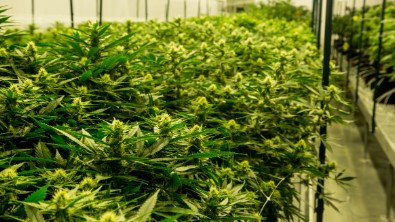
The cultivation of Primus, an indica-dominant hybrid, requires advanced techniques to maximize yield, potency, and terpene preservation. Given its high resin production and dense bud structure, it demands precise environmental controls to prevent mold and pest infestations. Below, I’ll outline the best scientific methods for cultivating Primus, covering factors such as climate control, soil composition, lighting, training techniques, nutrient requirements, and harvesting best practices.
1. Environmental Requirements
Primus thrives in a warm, semi-humid environment with specific conditions to optimize growth and THC concentration.
A. Temperature and Humidity Control
- Vegetative Phase (Weeks 1-5)
- Temperature: 70-78°F (21-26°C)
- Relative Humidity (RH): 50-60%
- CO₂ Levels: 400-800 ppm for enhanced photosynthesis
- Flowering Phase (Weeks 6-10)
- Temperature: 68-75°F (20-24°C) (Lower temp promotes denser buds)
- Relative Humidity: 40-50% (Prevents mold growth)
- CO₂ Levels: 800-1200 ppm (Boosts trichome and resin production)
- Late Flowering (Weeks 9-10)
- Temperature: 65-72°F (18-22°C)
- Relative Humidity: 35-45%
- CO₂ Reduction: Below 600 ppm to promote terpene retention
Scientific Justification:
- Lower humidity in flowering prevents botrytis (bud rot).
- Cooler temperatures enhance anthocyanin (purple hues) expression in Primus.
- Higher CO₂ stimulates growth and cannabinoid biosynthesis.
2. Soil Composition & Growing Mediums
A. Soil-based Cultivation
Recommended Soil Composition:
- Organic super soil: 40% peat moss + 30% perlite + 20% compost + 10% worm castings.
- pH Range: 6.0 – 6.5 (Ideal for nutrient absorption).
- Microbial Inoculation: Mycorrhizal fungi and Trichoderma species enhance root health.
B. Hydroponics & Soilless Mediums
- Deep Water Culture (DWC): Faster vegetative growth due to direct oxygenation.
- Coco Coir: Retains moisture while allowing better root aeration.
- Aeroponics: Maximum nutrient absorption, best for controlled environments.
Scientific Justification:
- Soil-grown plants have a richer terpene profile due to natural microbe interactions.
- Hydroponic methods increase yield by 15-25% but may reduce terpene complexity.
- Coco coir allows better control of nutrient absorption than traditional soil.
3. Light Spectrum and Photoperiod
Primus responds well to controlled light conditions to maximize THC and terpene production.
A. Indoor Cultivation Lighting
- Vegetative Stage (18/6 Light Cycle)
- Light Type: LED or CMH (Ceramic Metal Halide)
- Spectrum: 60% blue, 40% red (Promotes node spacing and leaf development)
- PPFD (Photosynthetic Photon Flux Density): 600-800 μmol/m²/s
- Flowering Stage (12/12 Light Cycle)
- Light Type: HPS (High-Pressure Sodium) or Full-Spectrum LED
- Spectrum: 30% blue, 70% red (Enhances bud development)
- PPFD: 900-1200 μmol/m²/s
- UV-B Exposure (Final 2 Weeks): 2-3 hours daily (Stimulates trichome production)
B. Outdoor Cultivation Light Exposure
- Requires full sun (10-12 hours daily) for optimal THC and terpene development.
- Strategic shading in late flowering can enhance resin production by mimicking natural stress conditions.
Scientific Justification:
- UV-B radiation stimulates THC biosynthesis as a defense mechanism.
- Blue light promotes compact growth, while red light enhances flower density.
- HPS lights increase yield but can degrade terpenes due to excess heat.
4. Nutrient and Watering Requirements
Primus demands a well-balanced nutrient regime that adjusts based on the plant’s life cycle.
A. Macronutrient Ratios
| Stage | Nitrogen (N) | Phosphorus (P) | Potassium (K) | Calcium (Ca) | Magnesium (Mg) |
|---|---|---|---|---|---|
| Vegetative | High (3-1-2) | Moderate | Moderate | Essential | Moderate |
| Pre-Flower | Medium (2-2-3) | High | High | High | High |
| Flowering | Low (1-3-4) | Very High | Very High | High | Moderate |
B. Micronutrient Needs
- Silica: Strengthens cell walls and improves pathogen resistance.
- Zinc & Boron: Essential for terpene synthesis.
- Iron & Manganese: Critical for photosynthesis and chlorophyll production.
C. pH and Watering Techniques
- pH range: 6.0-6.5 (soil), 5.5-6.0 (hydroponics).
- Watering Method: Deep watering with 20% runoff prevents salt buildup.
- Drought-Stressing in Late Flowering: Increases THC and terpene production.
Scientific Justification:
- Drought stress activates the secondary metabolism responsible for THC and terpene enhancement.
- A phosphorus-heavy diet in flowering promotes bud density.
- Silica increases trichome resilience, protecting against environmental stress.
5. Training and Yield Optimization
Primus can double yield potential with proper training techniques.
A. High-Stress Training (HST)
- Topping (Week 3-4 of Vegetative): Promotes multiple colas.
- Super Cropping (Week 5): Enhances light penetration and secondary metabolite production.
B. Low-Stress Training (LST)
- Screen of Green (ScrOG): Maximizes light exposure by training branches horizontally.
- Defoliation (Early Flowering): Increases air circulation, reducing mold risk.
Scientific Justification:
- Topping and ScrOG improve light penetration, leading to higher cannabinoid production.
- Defoliation reduces the risk of powdery mildew, common in dense strains like Primus.
6. Harvesting, Drying, and Curing for Maximum Potency
A. Harvest Timing
- Best Time: When trichomes are 60-70% milky and 20-30% amber.
- THC vs. CBN Consideration: Longer maturation increases CBN (sedative effects).
B. Drying Conditions
- Temperature: 60-70°F (15-21°C)
- Humidity: 50-60%
- Drying Time: 10-14 days
- Best Method: Slow drying in dark, ventilated space to prevent terpene degradation.
C. Curing Process
- Glass Jar Storage (Burping daily for 2 weeks): Enhances terpene complexity.
- RH Maintenance: 55-62% using humidity packs.
- Curing Duration: 4-8 weeks for optimal flavor and potency.
Scientific Justification:
- Slow curing allows cannabinoid acid conversion, optimizing potency.
- Light exposure degrades THC into CBN, reducing psychoactive intensity.
Final Thoughts
Primus is a potent and powerful indica-dominant hybrid that provides deep relaxation, pain relief, and euphoria, making it ideal for both recreational and medical users. With exceptionally high THC levels, it is best suited for experienced users or those seeking strong therapeutic benefits. Whether used for unwinding after a stressful day or for addressing chronic medical conditions, Primus delivers a consistently potent and enjoyable experience.
Best Suited For:
- Medical Patients dealing with chronic pain, anxiety, insomnia, or muscle spasms.
- Recreational Users looking for deep relaxation, euphoria, and an intense high.
- Cannabis Growers interested in cultivating a high-yield, high-THC strain.
However, novices should begin with a minimal dosage because of its high THC content assess tolerance. Overall, Primus stands out as a top-tier indica hybrid with a well-balanced mix of cerebral and physical effects, making it a favorite among both patients and recreational enthusiasts alike.
For a complete directory of cultivars, visit our Cannabis Strain Reviews.
