Table of Contents
Presidential OG is a potent indica-dominant hybrid known for its heavy sedative effects and classic Kush lineage. Revered for its deep relaxation and therapeutic potential, this strain has gained popularity among both medical and recreational users. With a high THC content averaging 20-24%, Presidential OG delivers a powerful body high which makes it perfect for use at night.
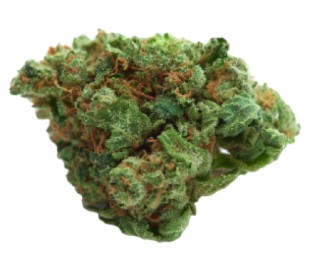
It is often chosen by users looking to combat stress, pain, and insomnia, while recreational consumers appreciate its deep body relaxation and euphoric effects. This strain has also drawn scientific interest due to its terpene profile, cannabinoid content, and the physiological responses it induces.
Genetic Lineage and Origins
Presidential OG is a cross between:
- Bubble Gum (balanced hybrid with a sweet and earthy flavor)
- OG Kush (a legendary strain known for its potent effects and citrus-pine aroma)
Genetic Breakdown
- Indica: ~80%
- Sativa: ~20%
- THC Content: 20-24%
- CBD Content: <1%
- Terpene Profile: Myrcene, Limonene, Caryophyllene, Humulene
Appearance, Aroma, and Flavor
Appearance
Presidential OG buds are typically dense, dark green, and coated in trichomes that give them a frosted appearance. The pistils range from bright orange to amber, providing contrast against the rich green hues. The thick resin production indicates its high THC content.
Aroma
The aroma of Presidential OG is a blend of earthy pine, citrus, and spice, with undertones of skunk. The OG Kush heritage contributes to its pungent and diesel-like scent, while Bubble Gum adds a slight sweetness.
Flavor
When smoked or vaporized, Presidential OG offers a sweet, earthy taste with citrus and spice notes. The inhale is often smooth, but the exhale can have a slightly peppery kick due to its caryophyllene content.
Effects and Experience
Onset and Duration
- Onset: 10-15 minutes after inhalation
- Peak Effects: 30-60 minutes
- Total Duration: 2-4 hours
Primary Effects
- Deep Relaxation: Induces a heavy, full-body relaxation that makes movement feel slow and deliberate.
- Euphoria: Users of Presidential OG often experience an initial wave of euphoria before sinking into a couch-locked state.
- Sedation: Strong sedative effects make it ideal for nighttime use.
- Mental Calmness: While it doesn’t offer intense cerebral stimulation, it provides mild happiness and tranquility.
- Increased Appetite: Like many indicas, it can cause a strong case of the munchies.
Possible Side Effects
- Dry Mouth and Eyes: Common due to THC content.
- Dizziness: More likely if consumed in high doses.
- Paranoia/Anxiety: Rare, but possible in THC-sensitive users.
- Couch Lock: Overconsumption may result in excessive lethargy.
Medical Applications
Presidential OG is a high-THC, indica-dominant strain known for its potent analgesic, sedative, anxiolytic, and anti-inflammatory properties. Below is an in-depth scientific breakdown of how this strain interacts with the body to provide therapeutic benefits.
1. Cannabinoid and Terpene Synergy in Medical Use
Primary Cannabinoids in Presidential OG
| Cannabinoid | Concentration | Medical Properties |
|---|---|---|
| THC (Δ9-Tetrahydrocannabinol) | 20-24% | Pain relief, appetite stimulation, anti-nausea, sedative |
| CBD (Cannabidiol) | <1% | Anti-inflammatory, neuroprotective, reduces anxiety |
| CBG (Cannabigerol) | 0.5-1% | Anti-inflammatory, neurogenic, antimicrobial |
| CBC (Cannabichromene) | 0.1-0.3% | Antidepressant, neuroprotective, pain relief |
Terpene Profile and Therapeutic Benefits
| Terpene | Effects | Medical Applications |
|---|---|---|
| Myrcene (0.4-1.2%) | Sedative, analgesic, anti-inflammatory | Pain relief, sleep aid |
| Limonene (0.3-0.8%) | Anxiolytic, antidepressant, anti-stress | PTSD, anxiety, mood disorders |
| Caryophyllene (0.2-0.6%) | Anti-inflammatory, analgesic, neuroprotective | Arthritis, chronic pain, neuropathy |
| Humulene (0.1-0.4%) | Anti-inflammatory, appetite suppressant | Weight management, inflammation |
2. Pain Management and Anti-Inflammatory Properties
Conditions Treated
- Chronic pain syndromes (e.g., fibromyalgia, arthritis, neuropathy)
- Migraine headaches
- Post-surgical pain
- Multiple sclerosis (MS)-related muscle spasticity
- Cancer pain management
Mechanism of Action
- THC binds to CB1 receptors in the central nervous system, reducing pain perception.
- Caryophyllene acts on CB2 receptors, which modulate immune response and inflammation.
- Myrcene enhances pain relief by boosting opioid receptor activity (synergistic effect with endogenous painkillers).
3. Anxiety, Stress, and PTSD
Conditions Treated
- Generalized Anxiety Disorder (GAD)
- Post-Traumatic Stress Disorder (PTSD)
- Panic Disorders
- Obsessive-Compulsive Disorder (OCD)
- Social Anxiety Disorder (SAD)
Mechanism of Action
- THC reduces overactivity in the amygdala, the brain’s fear-processing center.
- Limonene enhances serotonin levels, improving mood and reducing anxiety.
- CBD (though present in low amounts) counteracts THC-induced paranoia, ensuring a balanced anxiolytic effect.
Scientific Studies
- A 2019 study in Journal of Affective Disorders found that cannabis reduced anxiety symptoms by up to 58%, with higher THC strains showing stronger effects.
- Another study from Neuropsychopharmacology (2021) reported that limonene-rich cannabis strains improved PTSD-related sleep disturbances and stress response.
4. Sleep Disorders and Insomnia
Conditions Treated
- Primary insomnia
- Sleep apnea
- Restless Leg Syndrome (RLS)
- Shift work sleep disorder
- Circadian rhythm disorders
Mechanism of Action
- Myrcene increases the sedative effects of THC, acting as a natural sleep aid.
- THC shortens sleep onset latency (the time it takes to fall asleep).
- CBD and CBG (even in low amounts) improve sleep architecture, increasing deep sleep stages.
Scientific Studies
- A 2017 study in Medicinal Cannabis and Cannabinoids found that high-THC strains reduced time to sleep onset by 50% in individuals with chronic insomnia.
- Myrcene has been studied for its muscle relaxant effects, which help reduce sleep interruptions.
5. Appetite Stimulation and Gastrointestinal Disorders
Conditions Treated
- Cachexia (wasting syndrome)
- HIV/AIDS-related weight loss
- Cancer-related appetite loss
- Irritable Bowel Syndrome (IBS)
- Crohn’s Disease and Ulcerative Colitis
Mechanism of Action
- THC activates CB1 receptors in the hypothalamus, triggering hunger.
- Caryophyllene reduces gut inflammation, improving digestion.
- Humulene counteracts excessive appetite, offering metabolic balance.
6. Cancer Support and Anti-Nausea Effects
Conditions Treated
- Chemotherapy-induced nausea and vomiting (CINV)
- Pain management in cancer patients
- Appetite loss due to cancer treatments
- Neuropathy caused by chemotherapy drugs
Mechanism of Action
- THC interacts with the serotonin (5-HT3) receptors, reducing nausea.
- Myrcene and limonene enhance anti-nausea properties by modulating serotonin and dopamine levels.
- Caryophyllene and CBC have shown promise in reducing tumor cell proliferation.
Scientific Studies
- A 2019 meta-analysis in Journal of Pain and Symptom Management concluded that THC-rich cannabis strains were 2.5 times more effective in reducing nausea than standard antiemetic medications.
- Another 2021 study in Molecular Cancer Therapeutics found that β-caryophyllene exhibited tumor-suppressing properties in breast and colorectal cancer cells.
7. Neurological Disorders and Neuroprotection
Conditions Treated
- Epilepsy and seizure disorders
- Parkinson’s disease
- Alzheimer’s disease
- Multiple Sclerosis (MS)
- Traumatic Brain Injury (TBI)
Mechanism of Action
- THC and CBG modulate glutamate levels, reducing excitotoxicity and seizure frequency.
- CBD and caryophyllene protect neurons by reducing oxidative stress.
- Limonene and humulene have anti-inflammatory effects on microglial cells in the brain.
Scientific Studies
- A landmark 2018 study in New England Journal of Medicine found that cannabinoid-based treatments reduced seizure frequency by 39% in epilepsy patients.
- Another 2021 study on neurodegenerative diseases found that THC slowed amyloid plaque buildup, a key factor in Alzheimer’s disease.
8. Muscle Spasticity and Autoimmune Disorders
Conditions Treated
- Multiple Sclerosis (MS)
- Lupus and rheumatoid arthritis
- Spinal cord injuries
- Cerebral Palsy-related muscle spasms
Mechanism of Action
- THC acts as a muscle relaxant by reducing overactive motor neuron activity.
- Caryophyllene and myrcene reduce inflammatory cytokines, improving mobility.
Scientific Studies
- A 2020 study in Neurology found that cannabis extracts reduced MS-related spasticity by 45%.
- Another study in Journal of Neuroimmunology showed that cannabinoids reduced autoimmune responses in lupus patients.
Recreational Uses
Presidential OG is highly favored by recreational users due to its relaxing and euphoric effects.
Best Settings for Use
- Evening/Nighttime Use: Presidential OG sedative properties make it best suited for winding down at the end of the day.
- Solo Relaxation: Presidential OG is Ideal for activities like watching movies, listening to music, or meditating.
- Low-Key Social Gatherings: Can enhance social relaxation but may induce couch-lock if overconsumed.
Pairing with Activities
- Music Appreciation: Enhances auditory perception and enjoyment.
- Massage or Bathing: Complements relaxation routines.
- Sleep Preparation: Excellent for unwinding before bed.
Comprehensive Scientific Breakdown
Cannabinoid Profile
- THC: 20-24% (Primary psychoactive component)
- CBD: <1% (Minimal but may contribute to relaxation)
- CBG: 0.5-1% (May aid in anti-inflammatory effects)
- CBC: 0.1-0.3% (Potential antidepressant properties)
Terpene Profile and Effects
| Terpene | Effect | Percentage |
|---|---|---|
| Myrcene | Sedative, muscle relaxant, pain relief | 0.4-1.2% |
| Limonene | Mood uplift, stress relief | 0.3-0.8% |
| Caryophyllene | Anti-inflammatory, analgesic | 0.2-0.6% |
| Humulene | Appetite suppressant, anti-inflammatory | 0.1-0.4% |
Pharmacodynamics
- THC binds to CB1 receptors in Presidential OG, leading to euphoria and sedation.
- By interacting with CB2 receptors, caryophyllene lowers inflammation.
- Myrcene enhances the blood-brain barrier permeability, increasing THC’s potency.
Metabolism and Bioavailability
- Inhalation: Effects Presidential OG felt within 10-15 minutes; peak at 30-60 minutes.
- Oral Consumption (Edibles): Onset in 30-90 minutes; duration 6-8 hours due to liver metabolism.
Cultivation and Growing Information
Growing Presidential OG requires a scientific approach to optimize its yield, potency, and terpene profile. Here’s an in-depth breakdown of the best cultivation methods, covering genetics, environmental control, nutrients, and advanced growing techniques.
1. Genetic and Strain Stability
Before cultivation, selecting high-quality, genetically stable Presidential OG seeds or clones is essential.
- Feminized Seeds vs. Clones:
- Feminized Seeds: Ensure all Presidential OG plants are female, eliminating the risk of male pollination.
- Clones: Provide genetic consistency and guarantee desired phenotypic traits.
- Phenotype Selection:
- Grow multiple seeds to identify the best phenotype (i.e., highest THC levels, strongest aroma, and optimal growth structure).
- Preferred phenotypes exhibit dense bud structure, high resin production, and a balanced OG Kush-Bubble Gum expression.
2. Optimal Growing Environment
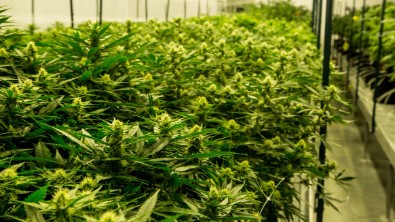
Presidential OG thrives in controlled indoor settings but can also flourish outdoors in warm climates.
Indoor vs. Outdoor Cultivation
| Factor | Indoor Cultivation | Outdoor Cultivation |
|---|---|---|
| Climate Control | Full control over temperature, humidity, and light | Dependent on natural weather conditions |
| Yield | 1.5-2.5 oz/ft² | ~500-600g per plant |
| Pest/Disease Risk | Low (if controlled properly) | Higher (exposure to external elements) |
| Cost | Higher (electricity, equipment) | Lower (natural light, soil) |
Temperature and Humidity
- Vegetative Stage:
- Temperature: 70-80°F (21-27°C)
- Humidity: 50-60% (higher for vigorous leaf growth)
- Flowering Stage:
- Temperature: 65-75°F (18-24°C)
- Humidity: 40-50% (prevents mold in dense buds)
- Late Flowering (Final 2 Weeks):
- Temperature: 65°F (18°C)
- Humidity: 30-40% (maximizes resin production)
Maintaining stable VPD (Vapor Pressure Deficit) in Presidential OG ensures optimal transpiration and nutrient uptake.
3. Light Requirements
Indoor Lighting
- Vegetative Stage: 18/6 light cycle (18 hours light, 6 hours dark)
- Flowering Stage: 12/12 light cycle (triggers bud development)
- Ideal Lights:
- LED Grow Lights (Full Spectrum, 600W-1000W)
- HPS (High-Pressure Sodium) for Flowering
- MH (Metal Halide) for Vegetation
- Light Intensity: Maintain PPFD (Photosynthetic Photon Flux Density) at 600-900 µmol/m²/s.
Outdoor Considerations
- Presidential OG requires 6-8 hours of direct sunlight.
- Best grown in Mediterranean climates (California, Southern Europe).
- Protect against excessive rainfall and temperature fluctuations below 50°F (10°C).
4. Soil vs. Hydroponics
Soil Cultivation
- Preferred Medium: Organic, aerated soil with 30-40% perlite.
- pH Level: 6.0-6.5.
- Recommended Additives:
- Worm castings (Nitrogen source)
- Bat guano (Phosphorus for flowering)
- Mycorrhizal fungi (Root development)
Hydroponic Cultivation
- Pros: Faster growth, higher yields, optimized nutrient absorption.
- Cons: Higher maintenance, increased equipment costs.
- Best Hydroponic Systems for Presidential OG:
- Deep Water Culture (DWC): High oxygenation for rapid root growth.
- Nutrient Film Technique (NFT): Constant nutrient flow.
- Coco Coir (Soilless Medium): Provides soil-like benefits with hydroponic efficiency.
- pH Level for Hydroponics: 5.5-6.0.
5. Nutrient Requirements
Macronutrient Ratios
| Growth Stage | Nitrogen (N) | Phosphorus (P) | Potassium (K) |
|---|---|---|---|
| Seedling | Low (100-150 ppm) | Low | Low |
| Vegetative | High (200-400 ppm) | Medium | Medium |
| Early Flowering | Medium (150-250 ppm) | High | High |
| Late Flowering | Low (50-100 ppm) | High | Very High |
Micro and Secondary Nutrients
- Calcium (Ca): Prevents bud rot and strengthens cell walls.
- Magnesium (Mg): Essential for chlorophyll production.
- Sulfur (S): Boosts terpene production (stronger aroma).
Organic Nutrient Solutions
- Compost Tea: Boosts microbial life.
- Fish Emulsion (N): Enhances leaf development.
- Molasses (K): Increases sugar content in buds.
Feeding Schedule
- Vegetative Phase (Weeks 1-4): High Nitrogen, moderate Phosphorus.
- Flowering Phase (Weeks 5-8): Reduce Nitrogen, increase Phosphorus and Potassium.
- Final Weeks (Flush Period): Stop feeding nutrients 7-10 days before harvest to improve taste.
6. Training Techniques for Maximum Yield
Low-Stress Training (LST)
- Gently bend and tie branches to encourage lateral growth.
- Improves light penetration and bud site development.
High-Stress Training (HST)
- Topping (FIM Technique): Increases canopy spread.
- Super Cropping: Induces minor stress to boost resin production.
Screen of Green (ScrOG)
- Uses a net to guide branches, creating even bud development.
Sea of Green (SOG)
- Grows multiple small plants in tight spacing for fast flowering.
7. Flowering Stage and Bud Development
Pre-Flowering (Week 1-2)
- Pistils begin forming.
- Maintain 12/12 light schedule.
Mid-Flowering (Week 3-5)
- Buds increase in size and resin production.
- Humidity: Reduce to 45% to prevent mold.
Late Flowering (Week 6-8)
- Trichomes transition from clear to cloudy/amber.
- Reduce humidity to 30-40% for maximum terpene retention.
8. Harvesting and Curing
When to Harvest
- Trichome Check: Harvest when 70% cloudy, 20% amber, 10% clear.
- Pistil Check: 70-80% of hairs turn orange/brown.
Drying Process
- Temperature: 60-70°F (15-21°C)
- Humidity: 50-60%
- Drying Time: 7-14 days
- Method: Hang buds upside down in a dark, ventilated room.
Curing Process
- Dried buds should be kept in airtight glass jars.
- Open jars daily (burping) for first 2 weeks.
- Curing Time: 3-8 weeks (longer improves smoothness and potency).
9. Common Cultivation Problems & Solutions
| Issue | Cause | Solution |
|---|---|---|
| Nutrient Burn | Overfeeding | Flush with pH-balanced water |
| Powdery Mildew | High humidity | Improve airflow, use neem oil |
| Bud Rot | Excess moisture | Lower humidity, remove affected buds |
| Pest Infestation (Spider Mites, Aphids) | Poor ventilation | Use organic insecticides (Neem oil, Diatomaceous earth) |
Comparison with Similar Strains
| Strain | THC % | Effects | Best For |
|---|---|---|---|
| Presidential OG | 20-24% | Sedative, euphoric, relaxing | Sleep, pain relief |
| OG Kush | 19-23% | Balanced, uplifting & relaxing | Anxiety, stress |
| Bubba Kush | 18-22% | Heavy couch-lock | Insomnia, chronic pain |
| Granddaddy Purple | 20-25% | Euphoric, sedative | Appetite stimulation |
Conclusion
Presidential OG is a powerful indica-dominant strain with a rich heritage and potent effects. Its high THC levels, sedative properties, and medical benefits make it a favorite among patients seeking relief from pain, insomnia, and anxiety. Recreational users love it for deep relaxation and euphoria.
With a robust terpene profile and a smooth, earthy-citrus taste, Presidential OG remains a top choice for cannabis connoisseurs. Whether used medically or recreationally, this strain exemplifies the best of what indicas have to offer.
For a complete directory of cultivars, visit our Cannabis Strain Reviews.
