How to Prepare Soil for Medical Cannabis Cultivation
Soil preparation is one of the most crucial steps in cultivating medical cannabis, as it directly affects plant health, potency, and overall yield. Unlike recreational growing, medical cannabis cultivation demands precision in ensuring the soil’s nutrient balance, microbial health, and pH levels are optimized to meet the needs of the cannabis plant. This guide will walk through every detail required for preparing soil for medical cannabis cultivation, focusing on maximizing the medicinal properties of the cannabis plants, excluding any recreational use or consumption methods.
1. Understanding the Role of Soil in Medical Cannabis Cultivation
In medical cannabis cultivation, soil is not just a medium for holding the plant in place—it is the life source from which the plant absorbs essential nutrients, water, and oxygen. The quality of the soil directly influences the chemical composition of cannabis plants, including the production of cannabinoids, terpenes, and other compounds critical for medical applications.
Soil preparation for medical cannabis must focus on:
- Potency Maximization: Ensuring the plant’s ability to produce high levels of therapeutic cannabinoids, such as CBD and THC, in a controlled manner.
- Chemical Purity: Avoiding contaminants such as heavy metals, pesticides, and synthetic chemicals that can harm patients.
- Microbial Health: Encouraging beneficial bacteria and fungi that aid in nutrient absorption and root health, improving the medicinal properties of the plant.
2. Key Components of Ideal Soil for Medical Cannabis
To ensure that cannabis plants develop optimally in medical cultivation, the soil should consist of several key components:
- Organic Matter: Organic matter, which contains degraded plant material, provides a slow-release source of nutrients while also improving soil structure. Compost, peat moss, and decomposed leaves are common sources.
- Minerals: Elements like nitrogen (N), phosphorus (P), and potassium (K), along with micronutrients such as magnesium, calcium, and sulfur, are critical for plant growth.
- Microbial Life: Beneficial bacteria and fungi degrade organic debris, making nutrients more accessible to plants.
- Water Retention and Drainage: Proper water retention is vital for nutrient absorption, but the soil must also drain well to prevent root rot and overwatering.
- Soil Aeration: The presence of air spaces in the soil ensures that roots receive oxygen, which is essential for healthy root development and nutrient uptake.
3. Soil Types and Their Suitability for Medical Cannabis
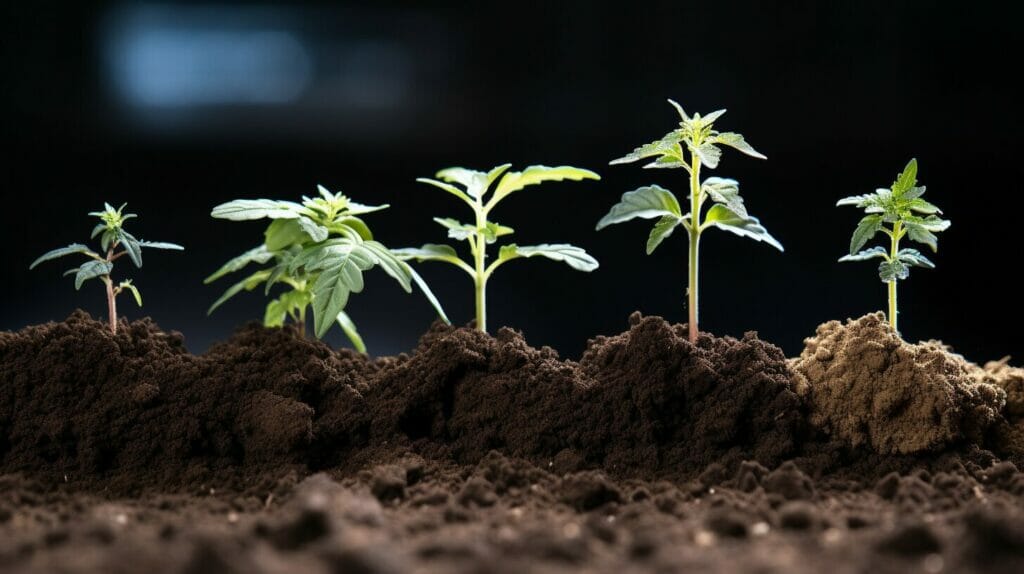
There are various types of soil, each with its advantages and disadvantages for growing medical cannabis:
- Loamy Soil: This is often considered the best soil for cannabis cultivation due to its balanced mixture of sand, silt, and clay. Loamy soil is fertile, well-draining, and has excellent water retention and aeration properties.
- Sandy Soil: While sandy soil provides good drainage, it can struggle to retain nutrients and moisture. It is often supplemented with organic matter and clay to improve its structure for medical cannabis.
- Clay Soil: This soil retains water and nutrients well but has poor drainage and aeration. It can be thick and tough to work with, but adding organic material can help with texture.
- Silty Soil: Silty soil is rich in nutrients and retains moisture well but often suffers from poor drainage and compaction. Mixing it with sand or perlite can help aerate it better for cannabis plants.
4. Soil Amendments: Organic vs. Inorganic
For medical cannabis cultivation, organic soil amendments are preferred as they provide long-lasting nutrient release and promote beneficial microbial life without introducing synthetic chemicals.
- Organic Amendments: These include compost, worm castings, bone meal, bat guano, and kelp meal. Organic amendments improve soil fertility naturally and provide a slow, steady release of nutrients.
- Inorganic Amendments: Although not preferred in medical cannabis cultivation due to potential contaminants, inorganic amendments like perlite, vermiculite, and sand can improve soil aeration and drainage.
5. The Importance of Microbial Life in Cannabis Soil
Healthy microbial life in the soil is crucial for the success of medical cannabis cultivation. Beneficial bacteria and fungus, including mycorrhizae and trichoderma, create symbiotic associations with cannabis roots, helping to break down organic debris into nutrients that the plants can absorb. These microbes also protect the plant from harmful pathogens.
To encourage microbial life:
- Use Organic Matter: Compost, worm castings, and other organic amendments provide a habitat for beneficial microbes.
- Avoid Synthetic Chemicals: Pesticides and synthetic fertilizers can kill beneficial microbes.
- Maintain Proper pH Levels: Most soil microbes thrive at a pH level of 6.0 to 7.0.
6. pH Management for Medical Cannabis Soil
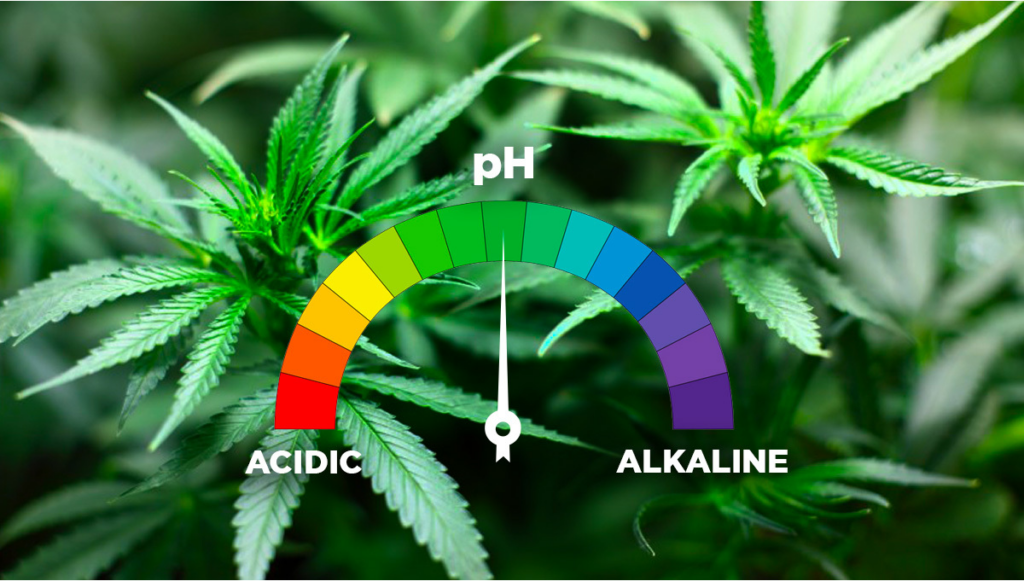
Maintaining the proper pH level in soil is crucial for cannabis plants to absorb nutrients effectively. For medical cannabis, the optimal pH range for soil is between 6.0 and 7.0. When the pH deviates from this range, nutrient lockout can occur, where the plant’s roots are unable to absorb essential nutrients.
How to Adjust pH Levels:
- To Raise pH: Add lime, wood ash, or dolomite.
- To Lower pH: Add sulfur, organic compost, or peat moss.
Regularly testing soil pH is necessary to ensure that your cannabis plants are in the optimal range for medicinal compound production.
7. Nutrient Requirements and Supplementation
Medical cannabis plants require a balanced and sustained supply of nutrients. Nitrogen (N), phosphorous (P), and potassium (K) are the three primary macronutrients, sometimes known as the N-P-K ratio. Additionally, secondary macronutrients like calcium, magnesium, and sulfur, along with micronutrients such as iron, manganese, zinc, and copper, are essential for optimal growth.
- Nitrogen (N) is critical during the vegetative stage for leaf and stem growth.
- Phosphorus (P) supports root development and flowering.
- Potassium (K) aids in overall plant health and helps regulate water uptake.
Organic Nutrient Sources:
- Nitrogen: Compost, worm castings, bat guano
- Phosphorus: Bone meal, rock phosphate
- Potassium: Wood ash, kelp meal
Nutrient deficiencies or excesses can negatively affect plant growth and the quality of cannabinoids, terpenes, and flavonoids. Testing the soil’s nutrient levels and supplementing with organic fertilizers is vital for ensuring optimal medicinal properties.
8. Soil Aeration and Drainage Techniques
Proper aeration permits oxygen to reach the cannabis plant roots, which is necessary for respiration and nutritional uptake. Likewise, effective drainage prevents water from saturating the roots and causing root rot. The following techniques can enhance soil aeration and drainage:
- Perlite: This volcanic glass helps to improve soil aeration and drainage when mixed into the soil.
- Vermiculite: While this retains more water than perlite, it can also enhance soil structure and aeration.
- Coco Coir: This coconut fiber offers excellent water retention and aeration properties, making it ideal for cannabis soil blends.
9. Testing Soil for Medical Cannabis Cultivation
Soil testing is crucial for ensuring your soil is nutrient-rich and has the proper pH for medical cannabis cultivation. A comprehensive soil test should measure:
- Nutrient Levels: Identify deficiencies or excesses of key nutrients.
- pH Levels: Ensure that the pH is within the optimal range for cannabis.
- Contaminants: Test for the presence of heavy metals, pesticides, or other toxins, which can compromise the medicinal quality of the cannabis plant.
You can either send soil samples to a professional laboratory or use at-home soil testing kits. Regular testing ensures that you can adjust nutrient levels or pH as necessary.
10. How to Sterilize and Sanitize Soil for Medical Cannabis
Sanitizing the soil ensures it is free from pathogens, pests, and weed seeds that could harm cannabis plants. This is particularly important in medical cannabis cultivation to prevent contamination.
Methods of Sterilization:
- Solarization: Covering the soil with clear plastic and exposing it to sunlight for several weeks can kill harmful microorganisms and pests.
- Heat Treatment: Heating the soil to 180°F (82°C) in an oven for 30 minutes can sterilize it, but this method may also kill beneficial microbes, so it should be used cautiously.
11. Composting for Medical Cannabis Soil Preparation
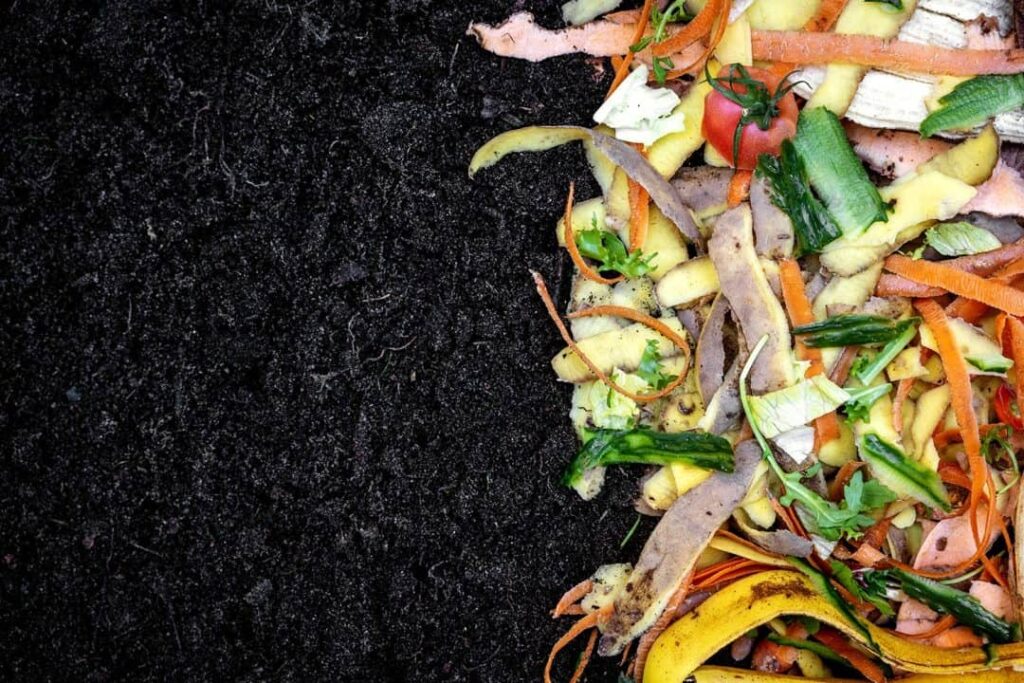
Composting is a good method for producing nutrient-dense soil for medical cannabis. By composting organic matter like vegetable scraps, leaves, and grass clippings, you create a natural fertilizer that enhances soil health and fertility.
Benefits of Compost:
- Enhances nutrient availability
- Improves soil structure
- Boosts microbial activity
Compost should be fully decomposed before it is used in medical cannabis cultivation to avoid introducing pathogens or harmful gases like ammonia into the soil.
12. Soil Reusability and Sustainability Practices
In medical cannabis cultivation, the ability to reuse soil not only lowers costs but also supports sustainable farming practices. However, reusing soil requires a careful approach to ensure that it remains healthy and fertile for subsequent cannabis crops.
Benefits of Reusing Soil in Medical Cannabis Cultivation
- Cost Efficiency: Reusing soil reduces the need for new soil purchases and minimizes the requirement for fertilizers and other soil amendments.
- Environmental Sustainability: Reusing soil helps reduce waste, supports soil biodiversity, and contributes to overall sustainability in cannabis farming practices.
- Soil Microbial Life Preservation: By reusing soil, beneficial microbial colonies, which support nutrient uptake and root health, remain intact.
Steps to Rejuvenate and Reuse Soil
- Remove Plant Material: After harvesting, remove roots, stems, and other plant debris from the soil to prevent diseases and pests from developing in future crops.
- Aerate the Soil: Use a garden fork or tiller to loosen compacted soil, improving air circulation and root penetration.
- Test Nutrient Levels: Before reusing the soil, test it for nutrient depletion. This helps determine whether additional amendments are necessary.
- Add Organic Amendments: Replenish depleted nutrients by adding compost, worm castings, or other organic fertilizers that slowly release essential elements back into the soil.
- Monitor pH Levels: Adjust the pH of the soil as needed to maintain an optimal range of 6.0–7.0 for cannabis growth.
- Introduce Fresh Microbial Life: Add compost tea, mycorrhizal fungi, or other microbial inoculants to restore the beneficial microorganisms that support nutrient absorption.
By following these steps, the soil remains a viable growing medium, ensuring that the medicinal properties of cannabis plants are not compromised.
13. Common Soil-Related Issues and How to Address Them
Soil-related problems can significantly impact the quality and yield of medical cannabis. Proper soil management helps to avoid these issues and ensures that the plants can produce the desired therapeutic compounds.
1. Nutrient Deficiencies
Nutrient deficiencies, such as nitrogen, phosphorus, or potassium imbalances, can lead to stunted growth, discoloration, and poor bud development.
Solution:
- Conduct soil tests regularly to identify deficiencies.
- To rectify nutrient imbalances, use organic fertilizers such as bone meal, fish emulsion, and compost.
- Apply foliar feeding to address acute deficiencies quickly.
2. Poor Drainage and Water Retention
Waterlogged soil can induce root rot, but too dry soil might impair nutrient uptake.
Solution:
- Add perlite, vermiculite, or sand to improve drainage.
- Use compost or coco coir to enhance water retention.
3. Soil Compaction
Compacted soil restricts root growth and limits oxygen access, reducing the plant’s ability to absorb nutrients.
Solution:
- Aerate the soil on a regular basis, loosening it using a fork or tiller.
- Incorporate organic matter to improve the soil’s structure and aeration.
4. pH Imbalance
An incorrect soil pH prevents cannabis plants from absorbing critical nutrients, even if they are present in the soil.
Solution:
- Test the soil pH frequently.
- Depending on the plant’s requirements, add lime to increase the pH or sulfur to decrease it.
5. Pests and Pathogens
Soil-borne pests and diseases, such as fungus gnats or root rot, can devastate cannabis crops.
Solution:
- Sanitize the soil using solarization or other sterilization methods before planting.
- Incorporate beneficial nematodes or predatory insects to control pests naturally.
- Maintain proper moisture levels to prevent fungal growth.
Restrictions on Growing and Using Cannabis in the Medical Field
Medical cannabis is highly regulated worldwide due to concerns about its psychoactive properties and potential misuse. Several restrictions are in place to ensure that its use remains strictly within the medical field.
1. Regulatory Approval
In many countries, cannabis can only be used medically if prescribed by a licensed physician and approved by relevant health authorities. Patients must have specific qualifying conditions such as chronic pain, epilepsy, or cancer.
2. Cultivation Licenses
Growing cannabis for medical purposes requires special licenses and permits. Licensed growers must adhere to strict regulations regarding seed-to-sale tracking, security, and testing to ensure product safety and consistency.
3. Cannabis as a Last Resort
In many cases, cannabis is prescribed only when other conventional treatments have failed. Physicians are required to exhaust alternative therapies before recommending medical cannabis. This “last resort” approach tries to reduce reliance on cannabis while ensuring that its usage is medically justified.
Monitoring THC Levels in Medications to Prevent Psychoactive Effects
The psychoactive compound in cannabis, THC (tetrahydrocannabinol), can cause cognitive impairment, anxiety, and other undesirable effects in patients. Therefore, strict monitoring of THC levels in medical cannabis products is crucial, particularly in treatments where high THC content is unnecessary or counterproductive.
1. THC Limits in Medications
Many countries enforce a legal limit on the amount of THC in medical cannabis products. For instance, CBD-dominant strains and medications often have very low THC levels, ensuring patients receive therapeutic benefits without psychoactive effects.
2. Regular Testing
Cannabis medications are routinely tested to ensure consistent THC levels. This testing helps avoid THC concentrations that could cause psychoactive reactions, which is especially important for vulnerable patients like children, seniors, or those with mental health issues.
3. Patient Monitoring
Healthcare providers monitor patients who are prescribed THC-containing cannabis to track their response and adjust dosages if necessary. This careful observation helps manage any potential psychoactive effects and ensures that the medication provides only the desired therapeutic outcome.
Conclusion
Preparing soil for medical cannabis cultivation is crucial for ensuring plant health, yield, and the medicinal quality of the cannabis. The soil’s quality and composition directly affect the potency and therapeutic benefits of the plants. Key factors such as nutrient content, pH balance, microbial activity, and soil texture must be managed to create an optimal environment for growth. Organic matter like compost and worm castings supports long-term soil fertility and promotes beneficial microbes, while proper water retention and drainage help prevent issues like root rot and ensure adequate moisture.
Proper soil preparation for medical cannabis also includes regular testing to monitor pH levels, nutrient availability, and the presence of contaminants. This ensures that the plants can absorb the necessary nutrients throughout their growth cycle, resulting in cannabis that meets the precise needs of patients seeking relief from various medical conditions. By maintaining the right soil conditions, cultivators can maximize the production of cannabinoids, terpenes, and other compounds critical for the therapeutic use of cannabis.
In addition to the technical requirements of soil preparation, medical cannabis cultivation and consumption are subject to tight laws. These restrictions are designed to ensure that cannabis is used solely for therapeutic purposes and that its psychoactive properties are tightly controlled. Medical cannabis is often considered a treatment of last resort, meaning it is only prescribed after conventional treatments have failed. This ensures that cannabis is used responsibly and exclusively in cases where its medical benefits outweigh potential risks.
Furthermore, one of the key issues with medical cannabis use is THC level monitoring. THC, the compound responsible for cannabis’s psychoactive effects, must be carefully monitored in medical formulations to prevent cognitive impairment and other unwanted side effects in patients. Regulations typically enforce limits on THC content, and regular testing is conducted to ensure that medications remain within these guidelines. This is particularly important in populations such as children, the elderly, or patients with mental health concerns, where psychoactive effects could pose a significant risk.
In conclusion, preparing soil and adhering to regulatory restrictions are two pillars of successful medical cannabis cultivation. Soil health directly influences the therapeutic potency of the plants, while regulatory frameworks ensure that cannabis is grown and used safely and responsibly. Together, these processes help to ensure the constant production of high-quality medical cannabis that fulfills the specific needs of patients without jeopardizing safety.
