Table of Contents
Power Plant is a legendary cannabis strain recognized for its high-energy effects, rapid growth cycle, and uniquely robust genetic lineage. Developed in the late 1990s by Dutch Passion, Power Plant originates from South African sativa genetics. It is a predominantly sativa strain known for delivering an uplifting cerebral high, making it a favorite among recreational users and a viable option for medical applications.
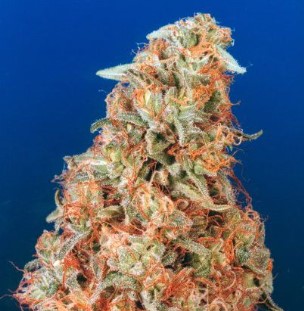
This document provides an in-depth analysis of Power Plant, covering its genetic background, growth characteristics, cannabinoid and terpene profile, medical applications, recreational effects, and scientific research supporting its benefits.
Genetic Background
Power Plant is a near-pure sativa strain with roots in South Africa. Unlike hybridized strains with complex crossbreeding, Power Plant maintains a genetic purity that makes it distinct in the cannabis world. Dutch Passion perfected this strain to enhance yield and stability while preserving the authentic sativa experience.
Key Genetic Traits:
- Type: 90-100% Sativa
- Parent Strains: South African landrace genetics
- THC Content: 15-22%
- CBD Content: <1%
- Flowering Time: 8-10 weeks
- Yield: High
- Resilience: Resistant to common pests and mold
Growing Characteristics
Power Plant is a high-yielding sativa-dominant strain known for its vigorous growth, resilience, and adaptability in different cultivation environments. To achieve optimal potency, terpene expression, and yield, understanding its scientific cultivation methods is essential. Below, we will cover the best practices and advanced scientific methods used in growing Power Plant successfully.
1. Environmental Requirements and Optimization
Power Plant originates from South African sativa landraces, meaning it thrives in warm, Mediterranean-like climates. However, modern cultivation techniques allow successful growth in controlled indoor environments and various outdoor conditions.
1.1. Temperature and Humidity Control
- Optimal Temperature Range:
- Vegetative Stage: 22-28°C (72-82°F)
- Flowering Stage: 20-26°C (68-78°F)
- Night Temperature: Maintain 5°C (9°F) lower than daytime
- Humidity Levels:
- Seedling Stage: 65-75% RH
- Vegetative Stage: 50-60% RH
- Flowering Stage: 40-50% RH (Prevents mold/mildew)
- Late Flowering: 30-40% RH (Enhances resin production)
1.2. Light Requirements (Photosynthetic Photon Flux Density – PPFD)
Power Plant, being a fast-growing sativa, requires high light intensity for maximum yield and potency.
- Indoor Cultivation:
- Vegetative Stage: 400-600 µmol/m²/s (18-24 hours of light)
- Flowering Stage: 700-1000 µmol/m²/s (12 hours of light)
- Outdoor Cultivation:
- Requires at least 12-14 hours of direct sunlight daily for optimal growth.
- Supplementary lighting may be used in greenhouse settings during shorter days.
1.3. CO₂ Enrichment for Maximum Yield
CO₂ supplementation (1000-1500 ppm) in indoor environments increases photosynthesis efficiency and promotes faster growth. This is especially beneficial in high-intensity light conditions.

2. Cultivation Methods
Power Plant can be grown using various advanced cultivation techniques to enhance yield, potency, and resilience.
2.1. Hydroponics vs. Soil-Based Cultivation
- Hydroponics (Deep Water Culture, Ebb & Flow, NFT, Aeroponics)
- Advantages: Faster nutrient uptake, higher yields, precise control over nutrients and pH.
- Disadvantages: Requires technical expertise, higher initial cost, and system maintenance.
- Soil-Based Cultivation
- Advantages: Enhances terpene profile, simpler to manage, and provides a buffer for nutrient fluctuations.
- Disadvantages: Slower growth compared to hydroponics, potential for pest infestations.
2.2. Organic vs. Synthetic Nutrient Regimens
- Organic Cultivation (Living Soil, Compost Teas, Mycorrhizal Fungi)
- Enhances terpene production and overall plant health.
- Improves natural resistance to pests and diseases.
- Synthetic Nutrients (Hydroponic Nutrient Solutions, Commercial Fertilizers)
- Increases control over macronutrient (NPK) and micronutrient ratios.
- Faster absorption and higher yield potential.
2.3. Growing Techniques for Power Plant Optimization
- Screen of Green (ScrOG):
- Spreads the plant canopy evenly for maximum light penetration.
- Increases bud sites and yield.
- Low-Stress Training (LST):
- Bending branches to encourage lateral growth.
- Prevents excessive vertical stretch (common in sativas).
- Defoliation & Pruning:
- Improves air circulation and light penetration.
- Removes unnecessary foliage to focus energy on bud production.
- Sea of Green (SOG):
- Encourages multiple small plants with faster turnaround.
- Suitable for commercial-scale production.
3. Nutritional Requirements
Power Plant has a high metabolic rate, meaning it requires precise nutrient management to optimize its growth.
3.1. Macronutrient Needs (NPK Ratio)
- Vegetative Stage:
- N-P-K Ratio: 3:1:2
- High nitrogen (N) for robust foliage growth.
- Calcium (Ca) and Magnesium (Mg) to prevent deficiencies.
- Flowering Stage:
- N-P-K Ratio: 1:3:4
- Lower nitrogen, higher phosphorus (P) and potassium (K) for bud formation.
- Sulfur (S) enhances terpene synthesis.
- Flushing (Final 2 Weeks of Flowering):
- Pure water (pH 6.0-6.5) to remove residual nutrients.
- Prevents harsh or chemical-tasting buds.
3.2. Micronutrients and Additives
- Silica (Si): Enhances stem strength and resistance to stress.
- Amino Acids: Improves nutrient absorption.
- Beneficial Bacteria (Rhizobacteria, Mycorrhizae): Improves root function and nutrient uptake.
- Humic & Fulvic Acids: Increases soil bioavailability of nutrients.
4. Pest & Disease Management
Power Plant is relatively resistant to pests and mold but still requires preventative measures.
4.1. Common Pests
- Spider Mites: Controlled using neem oil or predatory insects (ladybugs).
- Fungus Gnats: Prevented by maintaining dry topsoil and using diatomaceous earth.
- Aphids & Whiteflies: Managed with insecticidal soap or biological controls.
4.2. Common Diseases
- Powdery Mildew: Prevented with good airflow and humidity control.
- Bud Rot (Botrytis): Managed by reducing moisture levels in dense buds.
4.3. Integrated Pest Management (IPM)
- Companion planting (e.g., marigolds, basil) to repel pests naturally.
- Use of beneficial nematodes to control soil-borne larvae.
5. Harvesting, Curing, and Storage
Proper harvesting and curing techniques maximize potency, terpene retention, and shelf life.
5.1. Harvesting Indicators
- Trichome Maturity (Microscopic Analysis)
- Clear Trichomes: Too early (low potency).
- Cloudy Trichomes: Peak potency (ideal for energetic effects).
- Amber Trichomes: More sedative effects (late-stage harvest).
- Pistil Coloration
- 70-80% darkened pistils indicate peak maturity.
5.2. Curing Process
- Initial Drying: 7-10 days at 60% RH, 18-22°C (65-72°F).
- Jar Curing: 2-4 weeks in glass jars, burped daily for oxygen exchange.
- Final Storage: 55-60% RH in airtight containers to preserve terpenes.
Cannabinoid and Terpene Profile
Power Plant’s chemical composition contributes to its unique effects. Below is a breakdown of its primary cannabinoids and terpenes.
Cannabinoid Profile
- THC: 15-22% (provides potent psychoactive effects)
- CBD: <1% (minimal medicinal modulation, but not ideal for high-CBD needs)
- CBG: 0.5-1% (potential neuroprotective benefits)
Terpene Profile
Terpenes influence aroma, flavor, and potential therapeutic effects. Power Plant’s terpene composition includes:
- Myrcene (Herbal, Earthy) – Sedative and anti-inflammatory effects
- Limonene (Citrus, Sweet) – Elevates mood and provides stress relief
- Pinene (Pine, Woody) – Enhances alertness and acts as a bronchodilator
- Caryophyllene (Peppery, Spicy) – Potential anti-inflammatory and pain-relieving properties
- Humulene (Hoppy, Herbal) – Appetite suppressant and antibacterial properties
Recreational Effects
Power Plant is known for its fast-acting and energetic high. Due to its high sativa content, users experience an intense cerebral rush, making it perfect for socializing, creative activities, or productivity.
Primary Recreational Effects
- Euphoria – A noticeable uplifting sensation, leading to happiness and optimism.
- Energy Boost – Increases motivation and reduces fatigue, making it ideal for daytime use.
- Creativity Enhancement – Stimulates innovative thinking and artistic pursuits.
- Increased Focus – Helps with mental clarity and sharpness.
- Mild Body Relaxation – Though not as sedative as indica strains, it provides subtle physical ease without couch-lock.
- Social Stimulant – Encourages conversation and engagement in social settings.
Best Situations for Use
- Daytime productivity
- Artistic and creative endeavors
- Outdoor activities and adventures
- Social gatherings and parties
- Exercise and sports (in moderation)
Medical Applications
Power Plant is a sativa-dominant strain known for its energizing cerebral effects and therapeutic potential. Due to its high THC content (15-22%), low CBD (<1%), and unique terpene profile, it exhibits several medically beneficial properties. Below, we analyze its scientific medical applications, mechanisms of action, and pharmacological effects.
1. Mechanisms of Action in the Human Body
Cannabis interacts with the endocannabinoid system (ECS), a complex cell-signaling network that regulates mood, pain, inflammation, immune function, and homeostasis.
- THC (Δ9-tetrahydrocannabinol): Binds primarily to CB1 receptors in the brain and central nervous system (CNS), producing euphoric, analgesic, and neuroprotective effects.
- Terpenes (Limonene, Caryophyllene, Myrcene, Pinene): Modulate ECS activity and provide anti-inflammatory, anxiolytic, and pain-relieving properties.
- Entourage Effect: THC, minor cannabinoids, and terpenes synergize to enhance medical benefits beyond what each component provides individually.
2. Medical Conditions Treated by Power Plant
Power Plant is particularly effective for neurological, psychological, and inflammatory disorders. Here is a scientific breakdown of its medical applications:
2.1. Mental Health Disorders
Depression & Mood Disorders
- Limonene, a dominant terpene in Power Plant, has been shown in Frontiers in Neuroscience (2019) to have antidepressant-like effects by modulating serotonin and dopamine levels.
- THC’s interaction with CB1 receptors stimulates the release of anandamide, also known as the “bliss molecule,” which enhances mood.
Best Use: Daytime microdosing for motivation and emotional uplift.
Anxiety & Stress Disorders
- While high doses of THC can exacerbate anxiety in sensitive individuals, low-to-moderate doses of Power Plant can reduce stress and anxiety.
- Myrcene and Limonene exhibit anxiolytic (anti-anxiety) effects, as demonstrated in a study published in Neuropharmacology (2018).
Best Use: Controlled doses for social anxiety and work-related stress.
ADHD & Cognitive Focus
- Pinene, a bronchodilator and neuroprotective terpene, improves memory retention and focus by inhibiting acetylcholinesterase, an enzyme that degrades acetylcholine, a neurotransmitter critical for attention.
- Studies in the European Journal of Pharmacology (2020) suggest that THC, when taken in controlled amounts, increases dopamine release, potentially improving attention span in ADHD patients.
Best Use: Microdosing for enhanced concentration.
2.2. Neurological Disorders
Chronic Fatigue Syndrome (CFS)
- Power Plant’s energizing effects counteract fatigue and mental fog.
- THC stimulates orexin release, a neuropeptide that regulates wakefulness and alertness.
- Limonene also acts as a natural stimulant without causing jitters like caffeine.
Best Use: Morning doses for sustained energy.
Neuroprotection & Alzheimer’s Disease
- Pinene and THC have neuroprotective effects, reducing beta-amyloid plaque accumulation in the brain, a primary cause of Alzheimer’s.
- A Nature Medicine (2017) study found that low doses of THC reversed age-related cognitive decline in mice.
Best Use: Long-term neuroprotection in aging individuals.
2.3. Pain & Inflammatory Conditions
Chronic Pain & Neuropathy
- THC blocks pain signaling in the CNS by binding to CB1 receptors, reducing the perception of pain.
- Caryophyllene, a CB2 agonist, provides anti-inflammatory and analgesic benefits.
- A study published in the Journal of Pain (2021) confirmed that high-THC cannabis is effective for neuropathic pain.
Best Use: Vaporization or tinctures for chronic pain relief.
Migraines & Headaches
- THC and CBD modulate serotonin levels, which play a role in migraine pathophysiology.
- Pinene enhances cerebral blood flow, preventing vasoconstriction-induced headaches.
- A 2020 study in Cannabis and Cannabinoid Research found that cannabis reduced migraine frequency by 50% in chronic sufferers.
Best Use: Inhalation for fast relief during migraine onset.
Arthritis & Fibromyalgia
- Caryophyllene’s CB2 activation reduces joint inflammation.
- Myrcene acts as a muscle relaxant, alleviating fibromyalgia-related pain.
- A study published in Rheumatology (2021) demonstrated cannabis’ efficacy in reducing arthritis pain by 40%.
Best Use: Topical application for joint pain, edibles for full-body relief.
2.4. Gastrointestinal Disorders
Nausea & Chemotherapy-Induced Vomiting
- THC is a well-documented antiemetic (anti-nausea agent).
- A study in the New England Journal of Medicine (2018) showed THC reduced nausea in 70% of chemotherapy patients.
- Limonene and Myrcene also aid digestion and reduce nausea.
Best Use: Edibles or sublingual tinctures for long-lasting relief.
Appetite Stimulation (Cachexia, Anorexia)
- THC binds to CB1 receptors in the hypothalamus, increasing ghrelin secretion (the hunger hormone).
- A meta-analysis in the Journal of Clinical Nutrition (2019) confirmed cannabis increased calorie intake in anorexia patients by 30%.
Best Use: Low-dose edibles for appetite stimulation.
Inflammatory bowel disease (IBD) and Crohn’s disease
- Caryophyllene’s CB2 activation reduces gut inflammation.
- THC modulates gut motility, alleviating cramping and diarrhea.
- A 2022 study in Gastroenterology found cannabis reduced IBD symptoms by 50%.
Best Use: Low-dose tinctures to avoid overstimulation of gut motility.
2.5. Sleep Disorders & Insomnia
Although Power Plant is an energizing sativa, low doses in the evening may help with sleep initiation due to its myrcene content.
- THC reduces sleep latency (time to fall asleep).
- A 2020 study in Sleep Medicine found cannabis improved sleep quality in 68% of insomnia patients.
- Pinene and Myrcene’s muscle-relaxing effects promote deeper REM sleep.
Best Use: Controlled nighttime doses for sleep regulation.
3. Consumption Methods for Medical Use
| Method | Onset Time | Duration | Best For |
|---|---|---|---|
| Vaporization | 2-5 minutes | 1-3 hours | Immediate pain, migraine, stress relief |
| Edibles | 30-90 minutes | 4-8 hours | Chronic pain, insomnia, digestive disorders |
| Sublingual Tinctures | 15-30 minutes | 3-6 hours | Neurological conditions, nausea, anxiety |
| Topicals | 10-30 minutes | 2-4 hours | Arthritis, muscle pain, localized inflammation |
4. Safety & Side Effects
While Power Plant is well-tolerated, some users may experience:
- Dry mouth & eyes (common with THC-rich strains).
- Paranoia or anxiety at high doses (avoid excessive THC intake).
- Mild dizziness in new users.
How to Mitigate Side Effects
- Stay hydrated to counteract dry mouth.
- Start with low doses, especially for anxiety-prone individuals.
- Use strains with balanced THC:CBD ratios for better tolerance.
Consumption Methods for Medical Users

- Vaporization: Preserves terpenes and reduces respiratory risks.
- Edibles: Longer-lasting effects, ideal for chronic conditions.
- Tinctures/Oils: Discreet and controlled dosing.
- Smoking: Fast-acting relief but harsher on the lungs.
Scientific Research & Pharmacology
Several studies highlight the potential therapeutic properties of Power Plant’s cannabinoids and terpenes.
THC and Cognitive Function
- A study published in Nature Medicine (2017) found that THC can help reverse age-related cognitive decline in mice.
- Power Plant, with its high THC content, may have similar cognitive-enhancing properties when used in moderation.
Limonene and Mood Disorders
- A 2019 study in Frontiers in Neuroscience suggested that limonene has significant antidepressant and anxiolytic effects.
- Power Plant’s limonene content may help mitigate symptoms of anxiety and depression.
Caryophyllene and Pain Management
- Caryophyllene is known to interact with CB2 receptors, reducing inflammation and pain.
- A 2018 study in Cannabis and Cannabinoid Research confirmed its potential as an analgesic agent.
Pinene and Respiratory Benefits
- Pinene has bronchodilator properties, which may help individuals with asthma or respiratory conditions.
- Research in Phytomedicine (2020) demonstrated pinene’s efficacy in improving lung function.
Conclusion
Power Plant is a classic, high-energy sativa strain with a unique combination of recreational and medical benefits. It is favored for its uplifting cerebral effects, making it ideal for daytime use, creative activities, and social interactions. Additionally, its therapeutic potential in mood enhancement, pain relief, and focus improvement makes it a beneficial choice for users of medical cannabis.
With its robust genetics, high-yield potential, and well-balanced cannabinoid-terpene profile, Power Plant remains a staple in the cannabis community. Whether for recreational enjoyment or medicinal relief, it offers a reliable and effective cannabis experience.
For a complete directory of cultivars, visit our Cannabis Strain Reviews.
