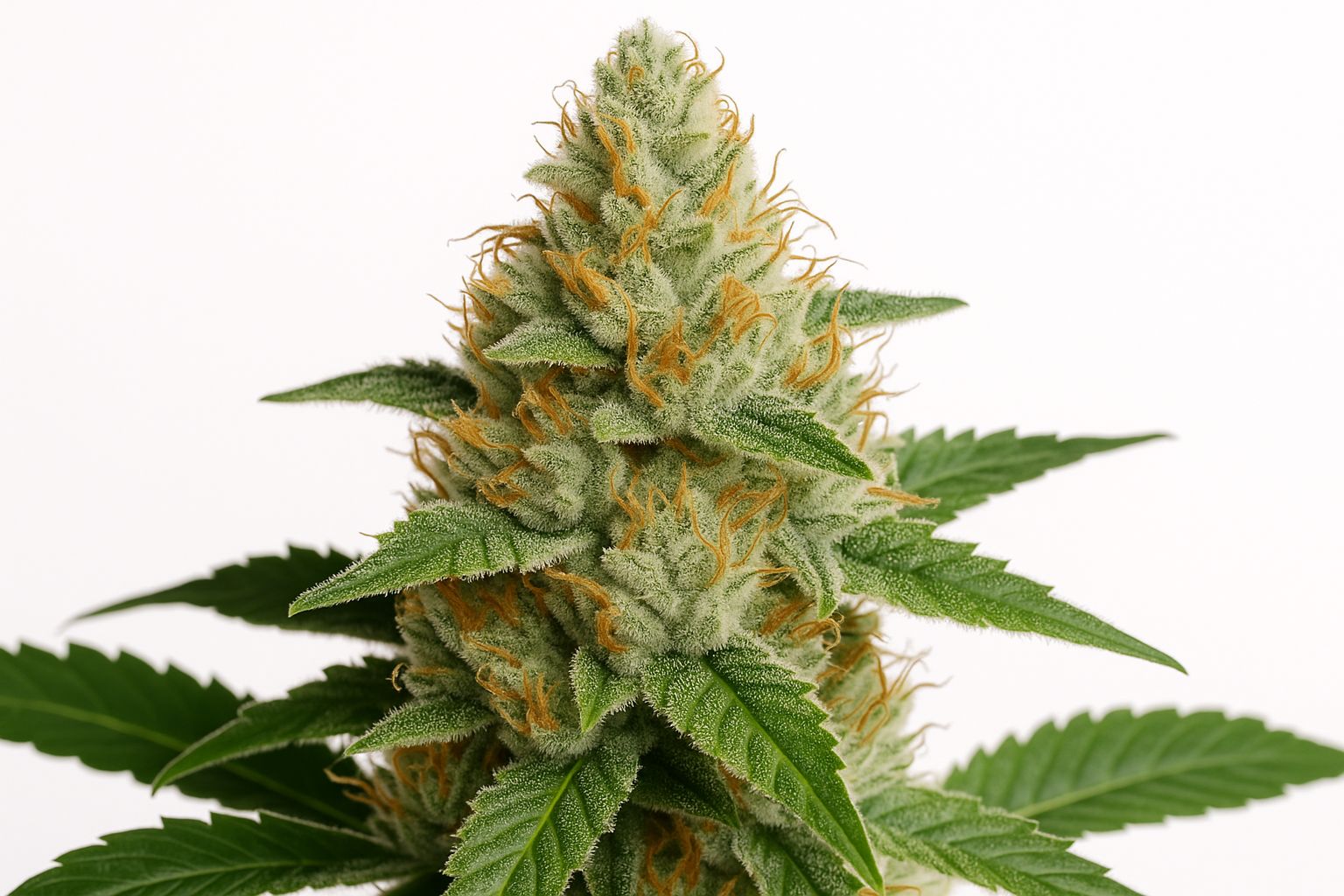
Potency and THC Levels in Cannabis: How I Grow for Consistency
When friends come over and try my latest harvest, the first thing they ask—usually after the second hit—is how strong is this weed. As a grower, that question pushes me to focus on potency and THC levels in cannabis just as much as yield or flavor.
Over the years I have learned that the jar strength people feel is not magic. It is the result of genetics, environment, nutrition, harvest timing, and how those buds are treated after the chop. Potency and THC levels in cannabis are absolutely influenced by what we do in the grow room.
In this guide I will share how I think about THC percentage, what I do in my setups to keep things consistent, and how I match high THC strains or low THC cannabis to different people’s needs—all from a cultivator’s perspective, not a medical one.
Understanding Potency And THC Levels In Cannabis
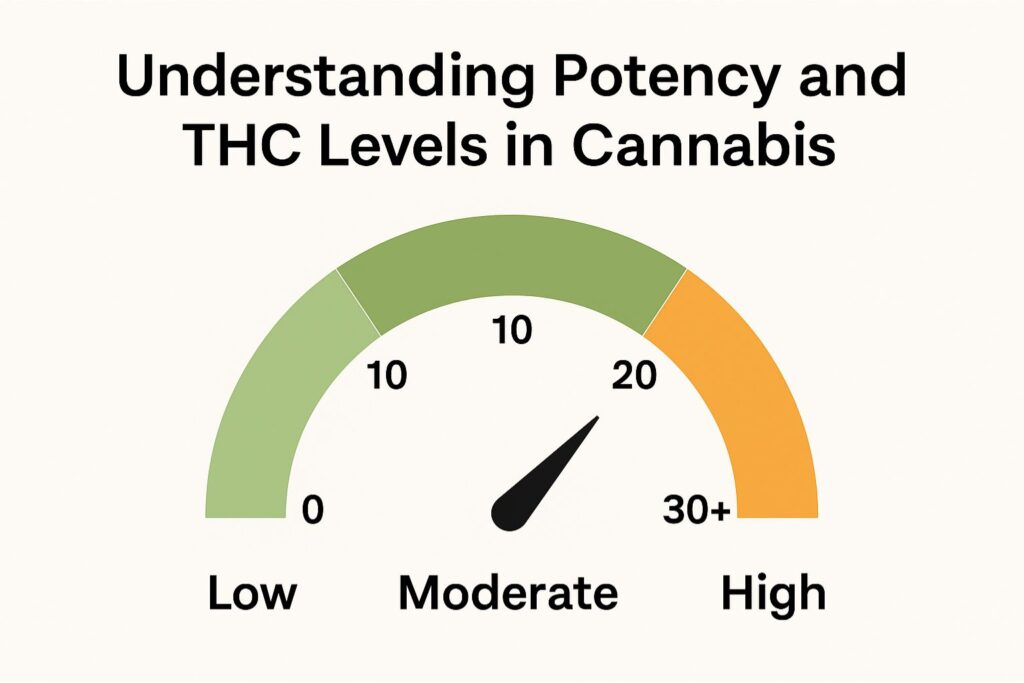
When growers talk about potency and THC levels in cannabis, we usually mean two things:
- How much delta-9-THC is present by weight (often shown as a THC percentage on lab labels).
- How that potency actually feels in a real joint, vape, or bowl.
THC is just one cannabinoid, but it is the main driver of the classic marijuana high. The higher the THC percentage, the more intense the psychoactive effect is likely to be for most people, though terpenes and other cannabinoids influence the ride.
Many people search “how strong is this weed” and expect a single number to tell the whole story. In practice, I have smoked batches with the same THC percentage that felt very different. Terpene profile, THC vs CBD ratio, and even how dry the flower is all play a role.
When I look at lab results, I pay attention to:
- THC percentage (for a rough idea of intensity)
- THC vs CBD ratio (to see whether CBD might soften the high)
- Major terpenes that shape the character of the effects
This gives me a fuller picture of potency and THC levels in cannabis than THC alone.
Genetics: The Ceiling For Potency
No matter how dialed-in your grow is, genetics set the ceiling for potency and THC levels in cannabis. You will not squeeze 30 percent THC out of a strain that was never bred for it.
Choosing high THC strains
If I want high THC strains for a run, I start at the seed-buying stage:
- I look for breeder descriptions and independent tests that consistently show higher THC percentage.
- I pay attention to long-running classics with a reputation for strong effects.
- I ask myself whether the people who will use this harvest actually enjoy very intense weed.
Because good genetics are so important, I am picky about where I shop. The best seed bank for THC in my book is not just the one advertising the biggest numbers; it is the one with realistic expectations, stable lines, and honest lab data when available. When I see inflated promises with little detail, I move on and look for another best seed bank for THC.
When low THC cannabis is the right choice
Sometimes I deliberately look for low THC cannabis genetics:
- For newer consumers who do not want to be overwhelmed
- For daytime use when I still need to be productive
- When I want to explore THC vs CBD balance in the garden
Breeders now offer cultivars that keep THC percentage modest while boosting CBD or other minor cannabinoids. Potency and THC levels in cannabis do not always have to be pushed to the max to make a strain worthwhile.
Seeds And Plant Type: Feminized, Auto, And Photoperiod
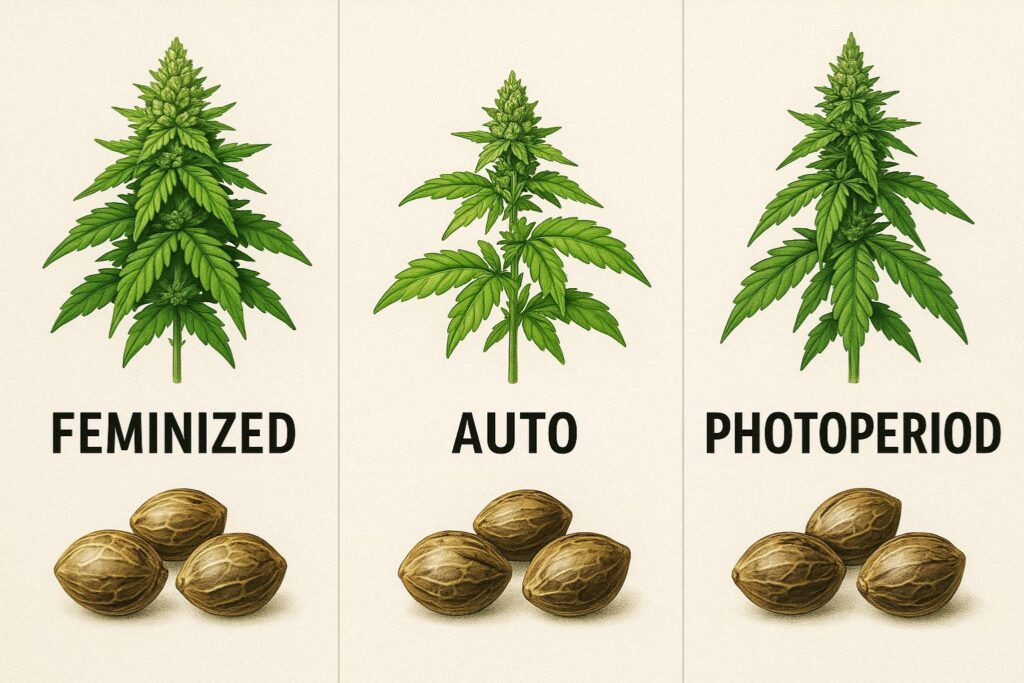
The kind of seed you start with influences how much control you have over potency and THC levels in cannabis.
Feminized cannabis seeds
Most of my rooms are filled with feminized cannabis seeds. They give me:
- No males to cull, so every plant has potential.
- Consistent plant structure for a sea-of-green or ScrOG.
- A good chance of hitting the breeder’s advertised THC percentage.
When I am chasing high THC strains, feminized cannabis seeds let me pack a tent with productive, resin-heavy plants without wasting time on males. Over multiple runs, I will select keeper mothers with the most consistent potency and flavor.
Autoflower cannabis seeds
Autoflower cannabis seeds are a different tool. I use them when:
- I want a faster crop cycle.
- I have limited vertical space.
- I want to tuck a few extra plants into a side area.
Autoflower cannabis seeds can still produce impressive potency and THC levels in cannabis, but they tend to be less forgiving. Because they flip to flower on their own after a few weeks, there is less time to fix early mistakes. If nutrition, watering, or light intensity are off, THC percentage may end up lower than the same genetics grown as photoperiods.
Environment: Grow-Room Factors That Influence THC Percentage
Even with great genetics, a sloppy environment can drag potency down. The way we control light, climate, and nutrition directly shapes potency and THC levels in cannabis.
Lighting and PPFD
Cannabis is a light-hungry plant. In my indoor rooms, I aim for:
- Veg: 300–500 µmol/m²/s PPFD
- Early flower: 600–700 µmol/m²/s PPFD
- Mid-to-late flower: 700–900 µmol/m²/s PPFD, depending on strain
When light levels are too low, plants often produce airy buds and lower THC percentage. When they are too high without enough CO₂, leaves bleach and stress, which can also hurt potency. I use a PAR meter to confirm intensity instead of guessing.
Temperature, humidity, and VPD
I keep a close eye on climate:
- Veg: 24–27°C with 60–70 percent RH
- Flower: 23–26°C, slowly dropping RH from 55 percent down to 45 percent near harvest
These targets keep vapor pressure deficit (VPD) in a healthy range for transpiration and resin production. If humidity spikes late, mold becomes a bigger threat and I might harvest early, sacrificing some potency and THC levels in cannabis to protect the crop.
Nutrition and EC
Nutrients also influence THC percentage. Plants that are severely overfed or underfed rarely hit their potential.
In coco, my typical EC range is:
- Veg: 1.2–1.6
- Flower: 1.6–2.0 at peak, tapering down before flush
I avoid chasing extreme numbers. Burnt tips and salt buildup can stress plants and divert energy away from resin production, which directly affects potency and THC levels in cannabis.
Stress: Helpful Techniques Vs Harmful Mistakes
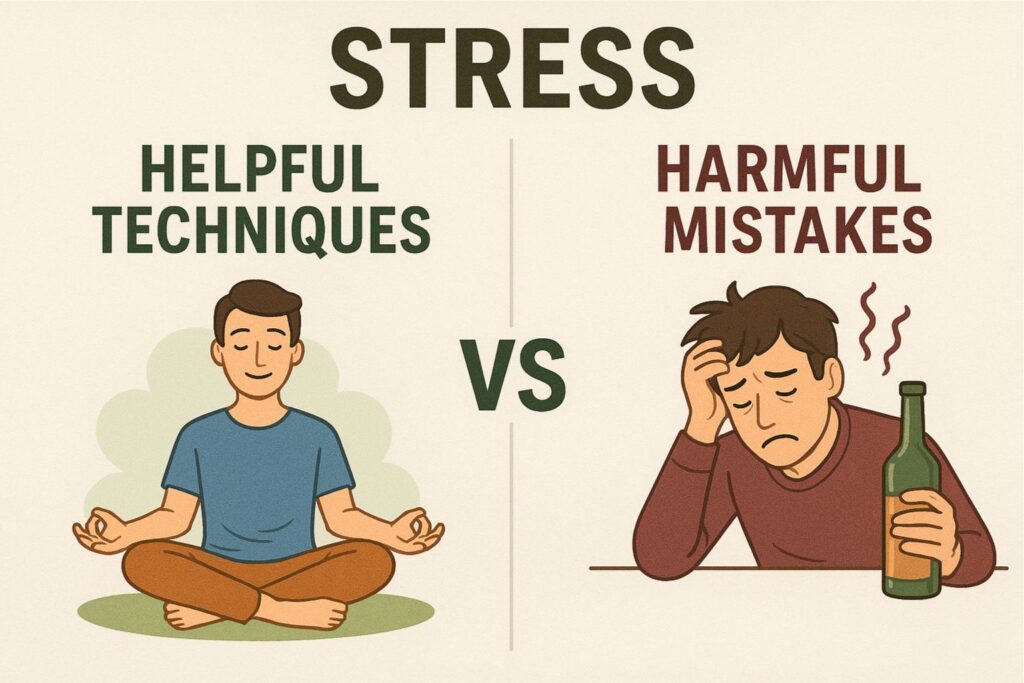
Some growers ask whether stressing plants boosts THC percentage. My experience is that mild, controlled stress can help, but chronic stress hurts.
Helpful:
- Topping and low-stress training early in veg
- Strategic defoliation to open up the canopy
- Gentle late-flower temperature drops to bring out color and terpenes
Harmful:
- Wild temperature swings
- Repeated underwatering or overwatering
- Severe nutrient burn or deficiencies
- Light leaks during flower
The more time plants spend fighting for survival, the less consistent potency and THC levels in cannabis will be at harvest.
Harvest Timing, Drying, And Curing For Maximum Potency
You can grow a perfect crop and still lose potency at the end if you rush the last steps.
Reading trichomes, not just the calendar
For most high THC strains, I target harvest when:
- Most trichomes are cloudy.
- Around 5–15 percent are amber.
- Very few are still clear.
Cutting too early often means lower THC percentage and a racier, less developed high. Waiting too long can oxidize THC into CBN, creating a sleepier feel and changing the balance of THC vs CBD and other cannabinoids.
Drying conditions
After chop, I hang whole plants or large branches in:
- 18–20°C temperature
- 55–60 percent relative humidity
- Total darkness
- Gentle, indirect air movement
This slow dry protects terpenes and keeps potency and THC levels in cannabis from degrading due to heat, light, or extreme dryness.
Curing in jars
Once small stems snap instead of bend, I:
- Trim buds and jar them loosely.
- Store jars around 60 percent RH using small humidity packs if needed.
- Burp daily for the first week, then every few days.
Over the first month of curing, the smoke smooths out and the character of high THC strains or low THC cannabis becomes more defined. Done properly, curing allows THC percentage and terpenes to stabilize instead of degrade.
How Cannabis Potency Testing Works
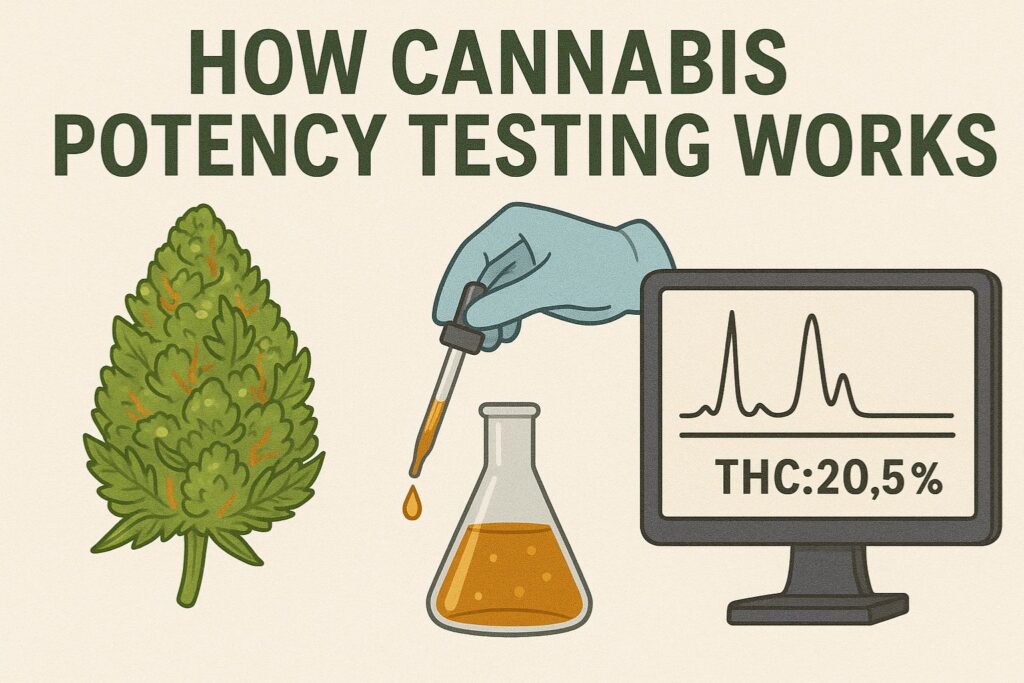
Most dispensary flower and many growers now use lab testing to get exact numbers for potency and THC levels in cannabis.
What labs actually measure
In cannabis potency testing, labs typically use HPLC (high-performance liquid chromatography) to measure:
- THC and THCA
- CBD and CBDA
- Sometimes other minor cannabinoids
The THC percentage printed on a label is often calculated from THCA plus any already-decarboxylated THC. Good cannabis potency testing will also show CBD so you can evaluate THC vs CBD ratios.
Sampling matters
From a grower’s perspective, cannabis potency testing is only as accurate as the sample you send. I make sure to:
- Mix buds from different parts of the plant or batch.
- Avoid sending only the biggest, frostiest cola.
- Store samples in a cool, dark place before shipping.
Otherwise, cannabis potency testing can overstate real-world potency and give a misleading picture of THC percentage across the whole harvest.
Matching Potency To Different People
Just because I can grow high THC strains does not mean I always should. Matching potency and THC levels in cannabis to the people who will use it is part of responsible cultivation.
THC vs CBD and the feel of the high
I grow different THC vs CBD profiles for different uses:
- High THC, minimal CBD: intense, fast-acting effects best for people with experience.
- Balanced THC vs CBD: gentler experience, often better for social or daytime use.
- Low THC cannabis with more CBD: mild head effects and more clarity.
By planning these profiles before germinating feminized cannabis seeds or autoflower cannabis seeds, I make sure each run has a purpose.
Indica vs sativa effects and real expectations
New consumers often ask about indica vs sativa effects as if plant shape alone decides everything. In reality, terpene profile and overall chemistry matter more than just indica vs sativa effects.
I have smoked short, bushy plants with very uplifting highs and lanky plants that felt heavy and sleepy. Still, indica vs sativa effects are a useful shorthand for marketing, so I use them cautiously and back them up with real user feedback.
Answering “how strong is this weed” honestly
When someone asks how strong is this weed, I combine:
- Lab-tested THC percentage where available
- My own experience and tolerance
- Feedback from a few trusted friends with different tolerance levels
This helps set honest expectations around potency and THC levels in cannabis instead of just bragging about big numbers.
FAQ About Potency And THC Levels In Cannabis
What is considered a high THC percentage?
In today’s market, anything around 20 percent THC or higher is usually seen as potent, while some high THC strains can test in the mid-20s. Remember that THC percentage is only a rough guide; two buds at the same number can feel very different depending on terpenes and THC vs CBD balance.
Are high THC strains always better?
Not necessarily. High THC strains can be great for experienced consumers who want intense effects, but they can overwhelm beginners. I keep both strong cultivars and low THC cannabis in my rotation so people can choose what fits their comfort zone and plans for the day.
How do I keep potency consistent from run to run?
Focus on:
- Stable genetics (start with reputable feminized cannabis seeds or autoflower cannabis seeds).
- Reliable lighting and climate control.
- A repeatable nutrient schedule with reasonable EC.
- Careful harvest timing, drying, and curing.
Tracking all of this helps you maintain consistent potency and THC levels in cannabis across multiple harvests.
Does outdoor weed have lower THC percentage than indoor?
Not always. Strong sunlight can support excellent potency and THC levels in cannabis, but outdoor grows are more exposed to stress, pests, and weather swings. Indoor setups give finer control, which makes it easier to hit the ceiling that genetics offer. With the right climate and care, outdoor plants can still rival indoor THC percentage.
How do I pick the best seed bank for THC?
I look for:
- Realistic advertised THC percentage, not impossible numbers.
- Stable, well-known lines with consistent feedback.
- Clear options for feminized cannabis seeds and autoflower cannabis seeds.
- Reliable shipping and customer support.
The best seed bank for THC is the one that delivers what it promises consistently, not the one shouting the loudest in ads.
Can curing increase potency?
Curing does not literally raise THC percentage, but it can improve how potency feels. A proper cure lets chlorophyll break down, moisture equalize, and terpenes develop, which can make high THC strains feel stronger, smoother, and more complex than hurried, harsh buds.
Why does my homegrown test lower than the dispensary version?
A few common reasons:
- Different pheno with a slightly lower ceiling for potency.
- Less optimized lighting, climate, or nutrition.
- Sending an unrepresentative sample for cannabis potency testing.
- Harvesting a bit early or drying too fast.
Dialing in those variables will help bring potency and THC levels in cannabis closer to what you see on commercial labels.
Closing Thoughts From The Grow Room
Potency and THC levels in cannabis are not a mystery once you pull the process apart. Genetics set the ceiling, environment and nutrition move you toward or away from that ceiling, and harvest/curing decide how much of that potential makes it into the jar.
Whether you are chasing high THC strains, exploring low THC cannabis, or balancing THC vs CBD profiles, start with solid feminized cannabis seeds or autoflower cannabis seeds from a reliable source. Track your climate, pay attention to your plants, and treat drying and curing like part of the grow—not an afterthought.
Do that, and the next time someone asks how strong is this weed, you will have more than a guess. You will have a repeatable process behind every answer.
