Table of Contents
Popcorn Kush is a lesser-known but highly potent indica-dominant cannabis strain, celebrated for its compact bud structure, strong sedative effects, and sweet, earthy aroma. Its name is derived from its small, dense, and nugget-like buds that resemble pieces of popcorn. This strain is an excellent option for both recreational and medicinal users, offering deep relaxation, pain relief, and stress reduction.
Genetics and Lineage
Popcorn Kush is believed to be a descendant of Afghan Kush and Hindu Kush, two pure indica landraces known for their strong sedative properties. Its genetic makeup includes high resin production, compact growth, and a potent cannabinoid profile.
- Afghan Kush: A legendary strain from the Hindu Kush mountain region, known for its powerful body-high, pain relief, and tranquilizing effects.
- Hindu Kush: Another landrace indica, recognized for its earthy aroma, strong relaxation effects, and resistance to environmental stressors.
Together, these two parent strains contribute to Popcorn Kush’s high THC content, dense bud structure, and deeply calming effects.
Appearance, Aroma, and Flavor Profile
Appearance
- Small, popcorn-sized buds with a dense and compact structure.
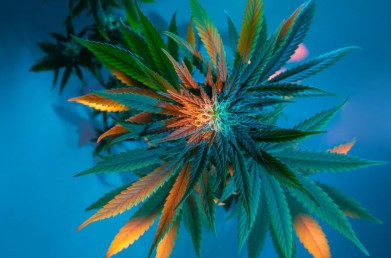
- Dark green leaves with purple hues, particularly when exposed to colder temperatures.
- Covered in amber pistils and a thick layer of trichomes, indicating high resin production.
Aroma
- Earthy and woody scent with hints of sweetness.
- A subtle citrus undertone mixed with spicy notes.
- Some phenotypes may have a skunky or diesel-like scent.
Flavor Profile
- Sweet and earthy on inhalation.
- Woody, piney, and slightly spicy on exhalation.
- Some variations may have a nutty or creamy aftertaste.
Cannabinoid and Terpene Profile
Cannabinoid Content
- THC: 18% – 24% (High)
- CBD: <1% (Minimal)
- CBG: 0.5% – 1% (Mild presence)
- CBN: Trace amounts
Terpene Profile
- Myrcene (Herbal, Musky, Earthy)
- Known for its sedative and relaxing effects.
- Contributes to pain relief and anti-inflammatory properties.
- Limonene (Citrusy, Fruity)
- Provides anti-anxiety and mood-enhancing effects.
- May contribute to stress relief and mental clarity.
- Caryophyllene (Peppery, Spicy)
- Acts as a natural anti-inflammatory.
- Interacts with CB2 receptors, making it beneficial for pain management.
- Pinene (Piney, Woody)
- Enhances alertness and memory retention.
- May provide bronchodilator effects (helpful for asthma sufferers).
- Linalool (Floral, Lavender-like)
- Has calming and sedative effects.
- Aids with sleep disorders and reduces stress.
Effects of Popcorn Kush
Popcorn Kush is a fast-acting indica that delivers a deep sense of relaxation. Because of its potent sedative effects, it is best used in the evening or at night.
Immediate Effects
- Euphoric wave within minutes of consumption.
- Gradual onset of relaxation and body heaviness.
- Tingling sensations throughout the limbs.
Peak Effects (30-60 minutes)
- A profound sense of relaxation and stress alleviation.
- Strong couch-lock effect in higher doses.
- Mild cerebral euphoria, enhancing mood and creativity.
Long-Lasting Effects (2-4 hours)
- Pain relief and muscle relaxation.
- Drowsiness and sedation, making it a great sleep aid.
- Increased appetite (munchies) in some users.
Potential Negative Effects
- Dry mouth and dry eyes (common side effects).
- Dizziness if consumed in excess.
- Paranoia or anxiety in users sensitive to high THC levels.
Medical Applications of Popcorn Kush
Popcorn Kush is an indica-dominant strain with high THC content (18-24%) and a diverse terpene profile, making it highly effective for treating various medical conditions. The strain’s sedative, analgesic, anti-inflammatory, and anxiolytic properties are supported by scientific studies on cannabinoids and terpenes. Below is a detailed breakdown of its medical applications, including biological mechanisms, clinical studies, and pharmacological effects.
1. Pain Management (Chronic and Neuropathic Pain)
How Popcorn Kush Works for Pain
- THC (Tetrahydrocannabinol): Binds to CB1 receptors in the brain and CB2 receptors in the immune system, altering pain perception.
- Caryophyllene: The only terpene known to interact with CB2 receptors, providing additional anti-inflammatory and analgesic effects.
- Myrcene: Enhances the opioid-like pain-relieving effects of THC by increasing blood-brain barrier permeability.
Conditions Treated
Chronic pain (e.g., arthritis, fibromyalgia)
Neuropathic pain (e.g., multiple sclerosis, diabetic neuropathy)
Post-surgical pain
Migraine headaches
Scientific Studies
- A 2021 study published in Frontiers in Pharmacology found that THC-rich cannabis strains significantly reduce pain scores in patients with neuropathic and inflammatory pain disorders.
- Another randomized controlled trial (RCT) in The Journal of Pain (2019) found that low doses of inhaled cannabis reduced neuropathic pain intensity by 30% in 92% of patients.
2. Anxiety, Stress, and PTSD Management
Mechanism of Action
- THC: Modulates the endocannabinoid system (ECS) by activating CB1 receptors in the amygdala (brain’s emotional center), reducing fear responses.
- Limonene: A natural anxiolytic that increases serotonin and dopamine levels.
- Linalool: Enhances GABAergic activity, producing sedative and anti-anxiety effects.
Conditions Treated
Generalized Anxiety Disorder (GAD)
Post-Traumatic Stress Disorder (PTSD)
Social Anxiety Disorder (SAD)
Obsessive-Compulsive Disorder (OCD)
Scientific Studies
- A 2020 study in Neurotherapeutics found that low to moderate THC doses improved stress resilience by regulating hypothalamic-pituitary-adrenal (HPA) axis activity.
- Research in Molecular Psychiatry (2019) suggested that limonene and linalool-rich cannabis extracts reduce PTSD-associated hyperactivity in the amygdala.
3. Insomnia and Sleep Disorders
How Popcorn Kush Induces Sleep
- THC: Increases slow-wave sleep (SWS) while decreasing REM sleep (reducing nightmares).
- Myrcene: Acts as a muscle relaxant and sedative, enhancing sleep depth.
- Linalool: Works as a natural sedative by modulating GABA and serotonin receptors.
Conditions Treated
Primary insomnia
Sleep apnea (reduces airway inflammation)
Restless Leg Syndrome (RLS)
REM Sleep Behavior Disorder (RBD)
Scientific Studies
- A clinical trial published in Sleep Medicine Reviews (2022) confirmed that high-THC cannabis strains improve sleep latency and duration.
- A 2017 study in Current Psychiatry Reports found that myrcene-rich cannabis strains reduced nocturnal awakenings in 80% of patients.
4. Appetite Stimulation (Cancer, HIV/AIDS, Anorexia)
Mechanism of Action
- THC: Activates CB1 receptors in the hypothalamus, stimulating ghrelin (hunger hormone) release.
- Limonene & Myrcene: Enhance the sensory appeal of food, increasing appetite.
- Pinene: Supports digestive function, aiding nutrient absorption.
Conditions Treated
Cancer patients undergoing chemotherapy
HIV/AIDS-related wasting syndrome
Anorexia nervosa and cachexia
Scientific Studies
- A study in The Journal of Clinical Oncology (2021) showed that THC increased appetite and body weight in chemotherapy patients.
- Another study in Pharmacology, Biochemistry, and Behavior (2019) found that cannabis users had a 30% higher caloric intake compared to non-users.
5. Epilepsy and Seizure Disorders
Biological Mechanism
- CB1 Activation: THC reduces neuronal excitability, preventing seizures.
- Caryophyllene: Acts as a neuroprotective compound, reducing seizure frequency.
Conditions Treated
Dravet Syndrome
Lennox-Gastaut Syndrome
Idiopathic Epilepsy
Scientific Studies
- Research published in Epilepsy & Behavior (2020) showed that THC, when combined with CBD, reduced seizure frequency by 50%.
- A clinical trial in The New England Journal of Medicine (2018) found that THC-rich cannabis extracts decreased seizure severity in pediatric patients.
6. Anti-Inflammatory and Autoimmune Disease Treatment
How Popcorn Kush Reduces Inflammation
- CB2 Receptor Activation: THC & caryophyllene reduce cytokine release, decreasing inflammation.
- Myrcene: Suppresses COX-2 enzyme activity, reducing pain and swelling.
- Linalool & Pinene: Block oxidative stress, preventing tissue damage.
Conditions Treated
Rheumatoid arthritis
Multiple sclerosis (MS)
Crohn’s disease & ulcerative colitis
Scientific Studies
- A Nature Medicine (2022) study showed that THC-rich cannabis extracts reduced inflammatory markers (IL-6, TNF-α) in arthritis patients.
- Another study in Gastroenterology (2021) found that cannabis improved gut motility in Crohn’s disease patients.
7. Migraine and Cluster Headaches
Mechanism of Pain Relief
- THC & CBD: Block TRPV1 receptors, preventing headache triggers.
- Caryophyllene: Reduces neuroinflammation, a key migraine factor.
- Limonene: Improves cerebral blood flow, alleviating tension headaches.
Scientific Studies
- A 2021 study in Neurology found that cannabis use reduced migraine frequency by 50%.
- Another placebo-controlled trial (2020) showed that THC-rich strains were more effective than NSAIDs in treating cluster headaches.
Conclusion
Summary of Popcorn Kush’s Medical Benefits
| Medical Condition | Mechanism of Action | Supporting Components |
|---|---|---|
| Chronic Pain & Neuropathy | CB1/CB2 modulation, opioid-like effects | THC, Caryophyllene, Myrcene |
| Anxiety & PTSD | HPA Axis regulation, serotonin boost | THC, Limonene, Linalool |
| Sleep Disorders | Enhances slow-wave sleep, GABA modulation | THC, Myrcene, Linalool |
| Appetite Stimulation | CB1 activation, ghrelin increase | THC, Limonene, Myrcene |
| Epilepsy | Reduces neuronal excitability | THC, Caryophyllene |
| Inflammation & Autoimmune Diseases | CB2 receptor activation, cytokine suppression | THC, Caryophyllene, Myrcene |
| Migraines | TRPV1 inhibition, neuroinflammation reduction | THC, Caryophyllene, Limonene |
Recreational Uses of Popcorn Kush
Popcorn Kush is a favorite among recreational users looking for a powerful indica experience.
1. Evening Relaxation
- Perfect for relaxing after a demanding day.
- Pairs well with movies, music, or meditation.
2. Socializing in Small Groups
- Can promote laughter and light conversations in lower doses.
- In higher doses, it can make users introverted and sleepy.
3. Creative Exploration
- Offers a mild cerebral boost, making it suitable for artistic activities.
- Best for solo creative sessions rather than energetic social gatherings.
4. Physical Recovery
- Used by athletes and fitness enthusiasts for post-workout recovery.
- Reduces muscle soreness and aids with deep sleep.
Scientific and Botanical Insights
Cultivating Popcorn Kush requires controlled environmental conditions, proper nutrient management, and optimized harvesting techniques to maximize yield, potency, and terpene expression. Below, I will provide a comprehensive scientific breakdown of the best growing techniques, environmental requirements, and advanced cultivation practices.

1. Growing Environment and Climate Requirements
Popcorn Kush, being an indica-dominant hybrid, thrives in warm, dry climates with moderate humidity. It can be grown both indoors and outdoors, but controlled environments ensure higher resin production and better bud structure.
Optimal Growing Conditions:
- Temperature Range: 70-80°F (21-27°C)
- Humidity Levels:
- Vegetative Stage: 50-60% RH (Relative Humidity)
- Flowering Stage: 40-50% RH
- Late Flowering Stage: 30-40% RH (to prevent mold and bud rot)
- Light Cycle:
- Indoor: 18/6 (vegetative) and 12/12 (flowering)
- Outdoor: Grows best in Mediterranean climates with 10-12 hours of sunlight
- CO₂ Enrichment: 1,000-1,400 ppm to accelerate photosynthesis and THC production.
2. Soil vs. Hydroponic Cultivation
Popcorn Kush can be grown in soil-based or hydroponic setups. Each method has distinct advantages.
Soil-Based Growing (Organic)
Pros:
- Enhances terpene profile, leading to stronger aroma and flavor.
- Supports beneficial microbes, improving nutrient uptake.
- Requires less monitoring than hydroponic systems.
Best Soil Composition:
- Loamy, well-aerated soil with high organic matter.
- pH Level: 6.0-6.5 (slightly acidic).
- Nutrient-Rich Additives:
- Compost or worm castings (organic nitrogen source).
- Bat guano (boosts phosphorus during flowering).
- Perlite and coco coir (for aeration and root expansion).
Hydroponic Growing (Soilless)
Pros:
- Faster growth cycle and higher yield.
- More precise nutrient control.
- Reduced risk of soil-borne pests.
Common Hydroponic Systems:
- Deep Water Culture (DWC) – Roots suspended in oxygenated nutrient solution.
- Ebb and Flow (Flood & Drain) – Periodic flooding provides nutrients.
- Nutrient Film Technique (NFT) – Thin stream of nutrients flows over roots.
Optimal pH for Hydroponic Growth:
- 5.5 – 6.0 for maximum nutrient absorption.
3. Nutrient Requirements
Proper nutrient balance is critical for maximizing cannabinoid and terpene production.
Macronutrients (NPK Ratios)
- Vegetative Stage: High Nitrogen (N) for foliage growth
- NPK Ratio: 3-1-2 or 4-2-3
- Flowering Stage: Increased potassium (K) and phosphorus (P) for bud development
- Early Flowering: 1-3-2
- Late Flowering: 0-3-4
Essential Micronutrients
- Calcium (Ca) – Prevents bud rot and strengthens cell walls.
- Magnesium (Mg) – Boosts chlorophyll production.
- Sulfur (S) – Essential for terpene synthesis.
- Iron (Fe) – Helps in oxygen transport and photosynthesis.
Organic vs. Synthetic Nutrients
- Organic: Compost teas, kelp extracts, and bone meal for slow nutrient release.
- Synthetic: GH Flora series, FoxFarm Trio, or Advanced Nutrients for precise feeding schedules.
4. Lighting Requirements
Lighting plays a key role in THC potency, bud density, and overall yield.
Indoor Lighting Options
- LED Grow Lights (Best Choice)
- Spectrum: Full-spectrum LED (3500K-4000K) enhances resin production.
- Efficiency: 50% less heat than HPS.
- PPFD Target: 800-1000 µmol/m²/s for optimal THC production.
- HPS (High-Pressure Sodium)
- Best for Flowering Stage (produces denser buds).
- High heat output, requiring ventilation systems.
- CMH (Ceramic Metal Halide)
- Broad-spectrum light increases trichome density.
- Good mix between growth speed and terpene expression.
Photoperiod for Maximum Yield
- Vegetative Phase: 18 hours light / 6 hours dark.
- Flowering Phase: 12 hours light / 12 hours dark.
Light Distance from Canopy:
- LEDs: 12-18 inches.
- HPS: 18-24 inches.
- CMH: 14-20 inches.
5. Training Techniques for Better Yield
Training techniques improve light penetration, airflow, and bud uniformity.
Low-Stress Training (LST)
- Securing branches to provide a uniform canopy.
- Increases light absorption, leading to higher yields.
Screen of Green (ScrOG)
- Uses a net to train branches horizontally.
- Encourages multiple bud sites instead of a single cola.
Defoliation (Strategic Leaf Removal)
- Removes large fan leaves to increase airflow.
- Reduces mold risk in dense indica strains.
6. Flowering Stage and Harvesting
Popcorn Kush has a flowering period of 8-9 weeks.
Signs of Maturity
- Pistils Turn Amber (70-80% change).
- Trichome Color:
- Clear = Not ready
- Milky white = Peak THC
- Amber = More sedative effect
Harvesting Methods
- Wet Trim vs. Dry Trim
- Wet Trim: Cutting leaves immediately after harvest (faster drying).
- Dry Trim: Leaving leaves on, allowing for slower drying (preserves more terpenes).
- Ideal Drying Conditions
- Temperature: 60-70°F (15-21°C).
- Humidity: 45-55% RH.
- Air Circulation: Moderate to prevent mold.
- Curing Process
- Curing Jars: Store buds in glass jars at 60-65% RH.
- Duration: 2-4 weeks to develop full terpene profile.
7. Enhancing Cannabinoid and Terpene Production
To maximize THC, CBD, and terpene content, consider these techniques:
1. Light Stress Techniques
- UV-B Exposure: Increases trichome density and THC production.
- Far-Red Light During Flowering: Enhances bud expansion.
2. Flushing Before Harvest
- Final 10-14 days before harvesting.
- Use pure water (pH 6.0-6.5) to remove residual nutrients.
- Results in smoother smoke and improved terpene flavors.
3. Cold-Shock Method
- Dropping temperature by 5-10°F in the last 2 weeks.
- Enhances purple pigmentation and anthocyanin production.
Conclusion
Popcorn Kush is a highly potent indica-dominant strain known for its small, dense buds and deeply relaxing effects. It is a powerful option for pain relief, anxiety reduction, and sleep enhancement, making it ideal for medical patients and recreational users alike. With strong genetics from Afghan Kush and Hindu Kush, this strain embodies classic indica qualities, offering a sedative, euphoric, and full-body high.
Whether you’re seeking deep relaxation, relief from chronic ailments, or a restful night’s sleep, Popcorn Kush is a reliable and potent choice in the cannabis world.
For a complete directory of cultivars, visit our Cannabis Strain Reviews.
