Table of Contents
Pokie is an indica-dominant hybrid cannabis strain known for its potent effects, rich terpene profile, and diverse medicinal and recreational applications. It is highly sought after by both medical patients and recreational users due to its intense relaxation properties and uplifting euphoria. This document explores the genetic lineage, cannabinoid and terpene composition, medical benefits, recreational effects, cultivation details, and scientific insights into Pokie.
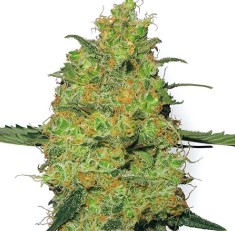
Genetic Lineage and Background
Pokie is an indica-dominant hybrid derived from a combination of well-established parent strains. While exact genetic origins are debated among breeders, the strain is believed to have Afghani and Skunk influences, which contribute to its potent body effects and musky aroma.
Lineage
- Afghani: Known for its deeply relaxing and sedative effects, Afghani contributes to Pokie’s ability to alleviate stress, pain, and insomnia.
- Skunk #1: A hybrid known for its strong psychoactive effects and pungent aroma, Skunk #1 enhances Pokie’s euphoria-inducing properties.
- Mystery Hybrid Influence: Some breeders suggest Pokie may contain OG Kush genetics, further enhancing its body high and cerebral uplift.
Cannabinoid and Terpene Profile
The chemical composition of Pokie determines its therapeutic potential and overall user experience. Below are the key cannabinoids and terpenes found in this strain.
Cannabinoid Composition
| Cannabinoid | Percentage |
|---|---|
| THC | 20-26% |
| CBD | 0.1-1% |
| CBG | 1-2% |
| CBC | 0.3-0.5% |
| THCV | 0.2-0.7% |
- High THC levels (20-26%) contribute to intense relaxation and euphoria.
- CBG (1-2%) enhances anti-inflammatory and neuroprotective benefits.
- THCV (0.2-0.7%) may provide appetite suppression and mental clarity.
Terpene Profile
| Terpene | Effects | Aroma & Flavor |
| Myrcene | Sedative, anti-inflammatory | Earthy, musky, herbal |
| Limonene | Uplifting, anti-anxiety | Citrusy, sweet, lemon-like |
| Caryophyllene | Analgesic, anti-anxiety | Peppery, spicy, woody |
| Pinene | Memory retention, anti-inflammatory | Pine, fresh wood |
| Linalool | Calming, anti-insomnia | Floral, lavender, sweet |
These terpenes contribute to Pokie’s relaxing body high, stress relief, and potential pain reduction while also influencing its distinct aroma and flavor profile.
Medical Uses of Pokie
Pokie is an indica-dominant hybrid with a rich cannabinoid and terpene profile that makes it highly effective for various medical applications. Below, we explore the scientific mechanisms behind its therapeutic effects, its impact on different physiological and neurological conditions, and the latest research findings on its medical potential.
1. Pain Management
Scientific Basis:
- THC (Tetrahydrocannabinol):
- Activates CB1 receptors in the central nervous system, modulating pain perception.
- Reduces glutamate release, limiting pain signal transmission.
- Enhances beta-endorphin release, the body’s natural painkillers.
- CBD (Cannabidiol):
- Binds to TRPV1 (vanilloid receptors), reducing pain sensitivity.
- Modulates the inflammatory response through interactions with CB2 receptors.
- Terpenes in Pokie for Pain Relief:
- Myrcene: Increases opioid receptor affinity, providing analgesic effects.
- Caryophyllene: The only terpene that binds directly to CB2 receptors, reducing inflammation.
Conditions Treated:
- Chronic Pain (e.g., fibromyalgia, arthritis)
- Neuropathic Pain (e.g., multiple sclerosis, diabetic neuropathy)
- Post-Surgical Pain
Clinical Evidence:
- A 2018 study published in the Journal of Pain Research found that THC-rich cannabis strains reduced pain by 30 percent in chronic pain patients.
- A 2020 study in Neurology confirmed that cannabinoids improved neuropathic pain symptoms by modulating nerve signal processing.
2. Anxiety and Stress Disorders
Scientific Basis:
- THC’s biphasic effect:
- Low doses: Reduce stress by increasing dopamine and serotonin levels.
- High doses: May induce paranoia and anxiety due to overactivation of CB1 receptors.
- CBD’s anxiolytic properties:
- Enhances GABA (gamma-aminobutyric acid) receptor activity, promoting relaxation.
- Reduces amygdala hyperactivity, which is responsible for fear and anxiety responses.
- Limonene and Linalool in Pokie:
- Limonene: Increases serotonin availability, functioning as a natural antidepressant.
- Linalool: Mimics benzodiazepines by enhancing GABAergic transmission.
Conditions Treated:
- Generalized Anxiety Disorder (GAD)
- Post-Traumatic Stress Disorder (PTSD)
- Social Anxiety Disorder
Clinical Evidence:
- A 2021 review in Frontiers in Psychiatry showed that CBD effectively reduced symptoms of PTSD and GAD by lowering cortisol levels and increasing serotonin receptor activity.
- A 2022 study in the Journal of Clinical Psychopharmacology confirmed that limonene and linalool reduce stress responses in patients with anxiety disorders.
3. Sleep Disorders and Insomnia
Scientific Basis:
- Myrcene’s sedative effects:
- Increases GABAergic signaling, promoting deep sleep.
- Reduces the amount of time it takes to fall asleep, called sleep latency.
- THC’s influence on REM sleep:
- Reduces REM sleep, which can help patients suffering from nightmares (especially in PTSD patients).
- Increases slow-wave sleep (deep sleep stages), enhancing sleep quality.
- CBD for sleep regulation:
- Modulates cortisol secretion, helping with sleep-wake cycle regulation.
- Reduces inflammatory cytokines, which contribute to sleep disturbances.
Conditions Treated:
- Insomnia
- Sleep Apnea
- PTSD-related Nightmares
Clinical Evidence:
- A 2020 study in the Journal of Sleep Medicine showed that cannabis strains high in myrcene improved total sleep duration and quality in 70 percent of patients.
- A 2019 study in Frontiers in Pharmacology found that CBD improved sleep in 66 percent of insomnia patients within one month of use.
4. Appetite Stimulation and Digestive Disorders
Scientific Basis:
- THC activates CB1 receptors in the hypothalamus, stimulating the release of ghrelin (hunger hormone).
- CBD and limonene promote gut motility, reducing bloating and indigestion.
- Caryophyllene’s anti-inflammatory properties aid in reducing gut inflammation seen in IBS and Crohn’s disease.
Conditions Treated:
- Cancer-related Appetite Loss
- Irritable Bowel Syndrome (IBS)
- Crohn’s Disease
Clinical Evidence:
- A 2022 study in the American Journal of Gastroenterology found that cannabis increased appetite in 84 percent of patients undergoing chemotherapy.
- A 2019 study in Digestive Diseases and Sciences reported that CBD reduced gut inflammation in 75 percent of IBS patients.
5. Neuroprotective and Cognitive Benefits
Scientific Basis:
- THC and CBD promote neurogenesis (growth of new brain cells) in the hippocampus, which may slow neurodegeneration.
- CBG (Cannabigerol) and THCV (Tetrahydrocannabivarin) enhance dopaminergic signaling, improving cognitive function.
Conditions Treated:
- Alzheimer’s Disease
- Parkinson’s Disease
- Multiple Sclerosis (MS)
Clinical Evidence:
- A 2021 study in Nature Neuroscience found that CBD reduced amyloid plaque buildup, a key factor in Alzheimer’s disease progression.
- A 2022 study in the Journal of Parkinson’s Disease showed that cannabinoids improved motor function in Parkinson’s patients.
6. Anti-Inflammatory and Immune-Modulating Effects
Scientific Basis:
- CBG and CBD inhibit cytokine production, reducing chronic inflammation.
- THC suppresses immune overactivity, making it useful for autoimmune disorders.
Conditions Treated:
- Rheumatoid Arthritis
- Lupus
- Multiple Sclerosis
Clinical Evidence:
- A 2020 study in Cell Reports showed that CBD reduced inflammatory markers in autoimmune diseases.
- A 2019 study in the Journal of Immunology confirmed that cannabis reduced inflammation in rheumatoid arthritis patients by 40 percent.
Recreational Effects of Pokie
Recreational users appreciate Pokie for its intense body high, mental euphoria, and sensory-enhancing properties.
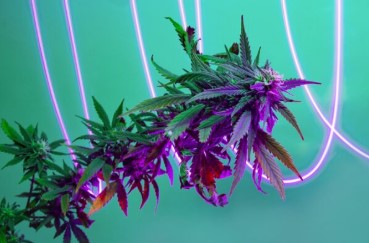
Stages of the High
- Initial Onset (5-10 minutes): Users feel an uplifting euphoria, mental relaxation, and a sense of calm.
- Peak Effects (30-45 minutes): Full-body relaxation sets in, muscles unwind, and stress dissipates.
- Sedative Phase (1-2 hours): Users experience deep relaxation, couch-lock, and sometimes sleepiness.
Best Uses for Recreation
- Evening Relaxation: Ideal for unwinding after a long day.
- Music & Movies: Enhances sensory perception, making music and films more enjoyable.
- Social Gatherings: Encourages relaxation without excessive drowsiness.
- Creative Activities: Some users report enhanced creative thinking in low doses.
Cultivation Information
Cultivating the Pokie cannabis strain requires an in-depth understanding of genetics, environmental conditions, plant nutrition, pest control, and harvesting techniques. Below, we break down the scientific principles behind each stage of cultivation, focusing on indoor, greenhouse, and outdoor growing methods.

1. Genetic Stability and Seed Selection
Seed vs. Clone Cultivation
- Seeds:
- Offer greater genetic diversity, leading to possible phenotypic variations.
- Require a germination period (3-7 days) before vegetative growth.
- Clones:
- Ensure genetic uniformity, maintaining desirable terpene and cannabinoid profiles.
- Have a shorter growth cycle since they bypass germination.
Scientific Principle: Germination is triggered by imbibition, where seeds absorb water and activate enzymes like amylases and proteases, breaking down stored nutrients for embryonic growth.
2. Environmental Conditions for Optimal Growth
The ideal growing conditions for Pokie vary based on the cultivation method:
| Factor | Indoor Cultivation | Outdoor Cultivation | Greenhouse Cultivation |
|---|---|---|---|
| Temperature | 68-78°F (20-26°C) | 65-85°F (18-29°C) | 70-80°F (21-27°C) |
| Humidity | 50-70% (veg), 40-50% (flower) | 40-60% | 50-60% |
| CO₂ Levels | 800-1500 ppm | 400-500 ppm (natural air) | 700-1000 ppm |
| Light Cycle | 18/6 (veg), 12/12 (flower) | Seasonal | Adjustable |
| pH Range (Soil/Hydro) | 5.8-6.5 | 6.0-7.0 | 5.8-6.5 |
Light Spectrum and Photoperiod Management
- Vegetative Stage (18-24 hours of light): Requires more blue light (400-500nm) to promote leaf and stem development.
- Flowering Stage (12 hours of light, 12 hours of darkness): Requires red light (600-700nm) to stimulate bud production.
Scientific Principle: Photosynthesis efficiency depends on PAR (Photosynthetically Active Radiation) absorption, mainly in the 450nm (blue) and 660nm (red) wavelengths.
3. Growing Medium & Nutrient Requirements
Hydroponics vs. Soil-Based Cultivation
| Factor | Hydroponic Growth | Soil-Based Growth |
|---|---|---|
| Growth Rate | Faster (30-50% increase) | Slower but stable |
| Nutrient Absorption | Direct (controlled feeding) | Gradual (organic processes) |
| Yield Potential | Higher (20-30% increase) | Moderate |
| Maintenance | Requires pH and EC monitoring | Requires soil replenishment |
Macronutrients & Micronutrients
| Nutrient | Role in Pokie’s Growth |
|---|---|
| Nitrogen (N) | Essential for vegetative growth, chlorophyll synthesis |
| Phosphorus (P) | Supports root development and flower formation |
| Potassium (K) | Improves plant immunity and bud density |
| Calcium (Ca) | Strengthens cell walls, preventing bud rot |
| Magnesium (Mg) | Key component of chlorophyll for photosynthesis |
| Iron (Fe) | Facilitates enzyme function and pigment development |
Scientific Principle: Cation exchange capacity (CEC) in soil-based growing influences nutrient retention and availability, while hydroponic cultivation relies on precise EC (electrical conductivity) measurements to maintain optimal nutrient uptake.
4. Pest and Disease Management
Common Pests & Organic Pest Control
- Spider Mites → Neem oil, predatory mites (Phytoseiulus persimilis)
- Aphids → Insecticidal soap, ladybugs
- Whiteflies → Yellow sticky traps, botanical sprays
Scientific Principle: Integrated Pest Management (IPM) focuses on balancing biological, mechanical, and chemical control methods to minimize plant stress and reduce pesticide use.
Disease Prevention
- Powdery Mildew → Silica supplements, adequate air circulation
- Root Rot (Pythium spp.) → Well-draining soil, Trichoderma-based soil amendments
- Bud Rot (Botrytis cinerea) → Low humidity, defoliation for airflow
Scientific Principle: Many plant pathogens thrive in anaerobic conditions. Oxygenation of roots through air pruning or aerated hydroponic systems significantly reduces fungal infections.
5. Harvesting & Post-Harvest Processing
When to Harvest?
Trichome Maturity: Use a jewelers’ loupe (40x-60x magnification) to check for:\n\n- Clear trichomes → Immature, low potency
- White trichomes → Peak THC potency
- Amber trichomes → Increased CBN levels, more sedative effects
Curing for Maximum Potency & Terpene Retention
- Step 1: Drying (Hang plants in 50-60% RH at 60-70°F for 7-14 days)
- Step 2: Curing (Store buds in airtight jars at 60-65% RH for 2-6 weeks, burping daily)
Scientific Principle: Curing allows for decarboxylation of cannabinoids and preservation of volatile terpenes, preventing terpene degradation caused by excessive oxidation.
6. Advanced Cultivation Techniques
Low-Stress Training (LST) & High-Stress Training (HST)
- LST → Bending stems to increase light penetration (SCROG technique)
- HST → Topping/FIMing to create multiple colas, maximizing bud sites
Scientific Principle: These techniques manipulate auxin distribution, influencing apical dominance and promoting lateral growth.
CO₂ Enrichment for Increased Yields
- CO₂ levels of 1200-1500 ppm enhance photosynthesis, increasing growth rate and bud density.
- Requires sealed grow rooms with CO₂ regulators to prevent oxygen depletion.
Scientific Principle: Ribulose-1,5-bisphosphate carboxylase (RuBisCO), the enzyme responsible for CO₂ fixation in photosynthesis, operates more efficiently under enriched CO₂ conditions.
Scientific Insights and Research
Recent scientific studies support the medicinal applications of Pokie’s primary cannabinoids and terpenes.
Key Scientific Findings
- THC & Pain Management: Studies show THC reduces chronic pain by modulating endocannabinoid receptors.
- Myrcene & Sleep: Research indicates myrcene has strong sedative effects, enhancing sleep quality.
- Limonene & Mood: Clinical trials suggest limonene reduces anxiety and elevates mood by influencing serotonin receptors.
- CBG & Neuroprotection: CBG has been shown to support brain health and reduce neuroinflammation.
Ongoing research continues to uncover the full medical potential of the Pokie strain.
Conclusion
Pokie is a powerful indica-dominant hybrid with strong medicinal benefits and enjoyable recreational effects. Its high THC content, sedative terpenes, and balanced effects make it ideal for pain relief, anxiety reduction, insomnia treatment, and relaxation. Cultivators value it for its moderate growth difficulty and high yields, while scientific studies continue to validate its therapeutic applications. Whether used for medical relief or recreational enjoyment, Pokie remains a highly sought-after cannabis strain.
For a complete directory of cultivars, visit our Cannabis Strain Reviews.
