
Should You Play Music to Your Medical Cannabis Plants?

The relationship between plants and music is a fascinating topic that has garnered attention from both the scientific community and the public. The idea that music could influence plant growth dates back to the early 20th century, and it has since evolved into a popular belief among many gardeners and growers, including those who cultivate medical cannabis. This article delves into the theory, research, and practical considerations surrounding the question: should you play music to your medical cannabis plants?
Historical Background
The concept of music influencing plant growth has captivated people for over a century, merging the realms of botany and sound in intriguing ways. The historical background of this idea can be traced through various key figures, experiments, and cultural phenomena that have contributed to our understanding and interest in this unique intersection.
Early Theories and Observations
The idea that plants might respond to sound predates modern scientific investigation. In various ancient cultures, there were beliefs that singing or playing music to plants could help them grow. For instance, some ancient Greek and Roman farmers believed in the beneficial effects of musical rhythms and melodies on plant health and productivity.
Sir Jagadish Chandra Bose
A significant turning point in the scientific exploration of plant responses to sound came with the work of Sir Jagadish Chandra Bose, an Indian physicist and biologist, in the early 20th century. Bose was a pioneer in the study of plant physiology, and his experiments suggested that plants could respond to various forms of stimuli, including sound waves. He used sophisticated equipment to measure the growth and reactions of plants to different external factors. Although Bose’s work was initially met with skepticism, it laid the groundwork for future research in the field.
Dorothy Retallack’s Experiments
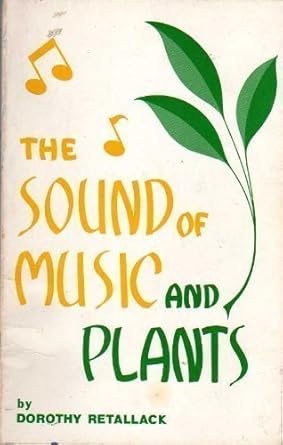
In the 1970s, Dorothy Retallack conducted a series of experiments at the Colorado Women’s College, which she later detailed in her book “The Sound of Music and Plants” (1973). Retallack exposed different groups of plants to various genres of music, including classical, jazz, and rock, and observed their growth patterns. Her findings suggested that plants exposed to classical music thrived, while those exposed to rock music exhibited stunted growth and other negative effects.
Retallack’s experiments received widespread attention and popularized the idea that music could influence plant growth. However, her methodology and conclusions have been criticized by some in the scientific community, who argue that her studies lacked rigorous controls and reproducibility.
The “Plant Perception” Experiments
The release of Peter Tompkins and Christopher Bird’s “The Secret Life of Plants” in 1973 contributed to the rise in interest in plant perception and communication that occurred during the 1970s. The book explored various controversial ideas about plant consciousness and responsiveness to stimuli, including music. While the book was a commercial success and captured the public’s imagination, many of its claims were met with skepticism from the scientific community.
Scientific Research
Scientists have been studying the connection between plant development and music for many years. Despite the mixed results, numerous studies have explored how sound waves, including music, might influence the growth and health of plants. Here, we delve into various scientific experiments and their findings to understand the potential impact of music on plant growth.
Positive Effects
Several studies have shown that certain sound frequencies and types of music can positively affect plant growth. Here are some key studies and their findings:
- Sound Frequencies and Growth (2007, South Korea):
- Researchers conducted experiments on rice plants, exposing them to sound frequencies between 125 and 250 Hz.
- They found that these specific frequencies promoted growth by stimulating genes involved in plant development.
- The study suggested that sound waves might enhance cell division and elongation, leading to increased biomass.
- Classical Music and Vines (2014, Italy):
- In this study, grapevines were exposed to classical music over a growing season.
- The researchers observed improved growth rates and increased levels of beneficial compounds, such as polyphenols, in the vines exposed to music.
- The study hypothesized that the vibrations from the music could enhance nutrient uptake and metabolic processes in the plants.
- Mechanical Vibrations and Plant Growth (2014, University of Missouri):
- This research demonstrated that mechanical vibrations, including those produced by sound waves, could positively influence plant growth.
- Plants exposed to vibrations similar to those caused by natural environmental factors, like wind or insect movements, showed increased biomass.
- The study indicated that mechanical stimulation could lead to increased production of growth hormones, such as auxins, which promote plant growth.
Neutral or Negative Effects
While some studies have shown positive effects, others have found no significant impact or even negative effects of music on plant growth:
- Control Studies:
- Several studies have employed rigorous controls to compare plants exposed to music with those that are not.
- These studies often found no significant differences in growth, suggesting that other factors like light, water, and nutrients play a more critical role in plant development.
- For example, a study published in the journal “Plant Physiology” in 2006 found no measurable effect of music on the growth of Arabidopsis thaliana, a model organism in plant biology.
- Genre-Specific Effects:
- Research on the effects of different music genres has produced varied results.
- Some studies suggest that classical music may have a beneficial impact, while others have found no preference or adverse effects from exposure to genres like heavy metal or rock music.
- For instance, a study conducted by the Indian National Institute of Plant Physiology in 2013 found that while classical music slightly enhanced the growth of certain crops, heavy metal music had a negligible or even detrimental effect.
Mechanisms of Influence
Understanding how music might influence plant growth involves exploring several potential mechanisms. These mechanisms range from mechanical stimulation and gene expression to stress reduction. While the scientific community has not reached a consensus on these mechanisms, various studies and hypotheses offer insight into how music might impact plants, including medical cannabis.
Mechanical Stimulation
Sound waves are mechanical vibrations that can travel through the air and be absorbed by plant tissues. These vibrations can mimic natural environmental stimuli such as wind, rain, and insect movements, which are known to influence plant growth.
- Vibrational Stimulation:
- Sound waves can cause tiny vibrations in plant cells, which might stimulate growth by enhancing cellular processes.
- These vibrations could potentially improve nutrient uptake and distribution within the plant, leading to better overall growth.
- Hormonal Responses:
- Mechanical stimulation from sound waves might trigger the production of growth hormones like auxins. Auxins are crucial for cell elongation, root development, and overall plant growth.
- Increased auxin production can lead to enhanced cell division and elongation, resulting in more vigorous plant growth.
- Enhanced Gas Exchange:
- Vibrations from sound waves might improve the movement of gases (such as carbon dioxide and oxygen) in and out of the plant’s stomata, facilitating better photosynthesis and respiration.
- Improved gas exchange can enhance photosynthetic efficiency, leading to increased biomass production.
Gene Expression
Some studies suggest that sound waves might influence gene expression in plants, affecting growth and development at the molecular level.
- Activation of Growth-Related Genes:
- Exposure to certain sound frequencies has been shown to activate genes involved in plant growth and development. For example, the 2007 South Korean study on rice plants found that specific frequencies stimulated genes associated with growth.
- Gene activation can lead to increased cell division, elongation, and other growth processes, resulting in more robust plants.
- Epigenetic Changes:
- Sound waves might induce epigenetic changes, which are modifications in gene expression without altering the DNA sequence. These alterations may have an impact on how genes are activated or inactive in response to external cues.
- Epigenetic modifications could result in improved stress tolerance, better nutrient utilization, and enhanced growth.
Stress Reduction
Environmental stressors, such as drought, high salinity, extreme temperatures, and pest infestations, can negatively impact plant growth. Music might help reduce stress levels in plants, promoting healthier growth.
- Calming Effects:
- Soothing music, such as classical or ambient sounds, might create a more relaxed environment, potentially reducing the impact of stress factors.
- Reduced stress can lead to healthier plants with improved growth rates and resistance to adverse conditions.
- Enhanced Immune Response:
- Lower stress levels might enhance the plant’s immune response, making it more resistant to diseases and pests. Higher yields and healthier plants may result from this.
- A stronger immune system can help plants allocate more resources to growth and development rather than defense mechanisms.
Practical Considerations for Medical Cannabis Cultivators

Playing music for medical cannabis plants is an intriguing concept with potential benefits and drawbacks. While the scientific evidence remains mixed, there are several practical considerations that cultivators should keep in mind when deciding whether to integrate music into their growing environment. These considerations include the potential benefits, possible drawbacks, and best practices for implementing music in a cultivation setup.
Potential Benefits
- Enhanced Growth and Yield:
- Some studies suggest that music, particularly classical or soothing genres, might promote growth through mechanical stimulation and gene expression. This could potentially enhance the biomass and yield of medical cannabis plants.
- Improved growth conditions might also lead to higher cannabinoid content, which is crucial for medical cannabis.
- Stress Reduction:
- Music might help create a calming environment for plants, reducing stress from environmental factors such as temperature fluctuations, light variations, and pests.
- Reduced plant stress can lead to healthier plants with better growth and resistance to diseases.
- Enhanced Cultivation Environment:
- Music can create a more pleasant and enjoyable environment for cultivators, which can indirectly benefit the plants through better care and attention.
- A relaxed and positive atmosphere can improve the overall well-being of those working with the plants, potentially leading to more meticulous and attentive cultivation practices.
Potential Drawbacks
- Energy Costs:
- Playing music continuously requires electricity, which could increase operational costs, particularly in large-scale cultivation setups.
- Growers need to assess whether the potential benefits of playing music justify the additional energy expenses.
- Noise Pollution:
- Depending on the location and setup of the cultivation area, playing music might create noise pollution that could disturb neighbors or others in the vicinity.
- It is essential to consider the impact of noise on the surrounding environment and ensure that it does not violate local noise ordinances or regulations.
- Unproven Efficacy:
- The scientific evidence on the benefits of music for plant growth is inconclusive. There is no guarantee that playing music will significantly impact growth or yield.
- Growers should weigh the potential benefits against the uncertainty and consider whether other proven cultivation practices might be more effective.
Recommendations for Medical Cannabis Cultivators
If you decide to experiment with playing music for your medical cannabis plants, it’s essential to approach it systematically and scientifically. Here are detailed recommendations to help you maximize the potential benefits while minimizing any drawbacks:
Choose the Right Music
- Classical Music:
- Opt for genres such as classical music, which has been suggested to have a positive impact on plant growth. The consistent and harmonic nature of classical music could potentially stimulate plant growth processes.
- Baroque music, with its steady rhythms and structure, is often recommended.
- Ambient Sounds:
- Consider playing ambient sounds or natural soundscapes, such as the sounds of a forest, ocean waves, or birdsong. These sounds mimic the natural environment and may help create a more soothing atmosphere for the plants.
- Avoid Aggressive Genres:
- Avoid playing aggressive or harsh genres like heavy metal or loud rock music, which could potentially cause stress to the plants.
Control Volume and Duration
- Moderate Volume:
- Keep the volume at a moderate level to ensure that the sound waves do not overwhelm or stress the plants. A volume similar to natural environmental noises, such as wind or rainfall, is generally recommended.
- Specific Time Periods:
- Consider playing music during the day when natural environmental stimuli are more active. This can mimic the natural rhythms of the plants’ environment.
- Continuous music might not be necessary; periodic exposure could be sufficient.
Set Up Controlled Experiments
- Experimental Groups:
- Divide your plants into two groups: one exposed to music and one not exposed (control group). This will help you assess the actual impact of music on plant growth.
- Consistent Conditions:
- Ensure that both groups are kept under the same growing conditions (light, water, nutrients, temperature) except for the exposure to music.
- Monitor Growth and Health:
- Regularly monitor and document the growth, health, and yield of both groups. Pay attention to differences in height, leaf size, flower production, and overall plant vitality.
Optimize Other Growing Conditions
- Light:
- Ensure that your plants receive adequate and appropriate light. This is one of the most critical factors for healthy plant growth.
- Water and Nutrients:
- Maintain a consistent watering schedule and ensure your plants receive the necessary nutrients. Music should complement these essential practices.
- Ventilation:
- Proper air circulation is vital for preventing mold and ensuring healthy growth. Make sure there is adequate ventilation in your growing space.
- Temperature and Humidity:
- Keep an eye on and sustain the ideal humidity and temperature ranges for your particular cannabis varieties.
Monitor and Adjust
- Regular Monitoring:
- Check your plants frequently for any indications of stress or negative consequences. This includes wilting, discoloration, or any abnormal growth patterns.
- Adjust as Needed:
- If you notice any negative symptoms, consider adjusting the type, volume, or duration of the music. Be adaptable and prepared to modify your strategy in response to the plants’ reactions.
Consider the Environment and Regulations
- Noise Pollution:
- Be mindful of the noise levels and the potential impact on your surroundings, especially if you are growing in a residential area. Ensure the music does not disturb neighbors or violate local noise ordinances.
- Compliance:
- Ensure your cultivation practices, including the use of music, comply with local regulations and guidelines to avoid any legal issues.
Conclusion
The idea of playing music to medical cannabis plants, though not universally proven, presents an intriguing intersection of science, art, and horticulture. The historical background, scientific research, practical considerations, and potential mechanisms of influence collectively offer a comprehensive perspective on this practice.
Historical Background
From the pioneering work of Sir Jagadish Chandra Bose in the early 20th century to Dorothy Retallack’s controversial experiments in the 1970s, the concept of plants responding to sound has evolved significantly. While early studies and popular beliefs have both fascinated and divided opinions, they have laid the groundwork for more rigorous scientific inquiry.
Scientific Research
Scientific studies on the effects of music and sound on plant growth have produced mixed results. Some research suggests positive impacts of specific sound frequencies and genres of music on plant growth, gene expression, and stress reduction. Other studies, however, have found no significant effects, highlighting the need for more controlled and replicable experiments.
Mechanisms of Influence
Several potential mechanisms could explain how music might influence plant growth:
- Mechanical Stimulation: Sound waves may stimulate plant cells, enhancing nutrient uptake and hormone production.
- Gene Expression: Specific frequencies could activate growth-related genes, leading to increased cell division and elongation.
- Stress Reduction: Soothing music might reduce environmental stress, promoting healthier growth.
- Microbial Interactions: Sound waves could stimulate beneficial microbial activity in the soil, improving nutrient availability.
Practical Considerations for Medical Cannabis Cultivators
For medical cannabis cultivators, incorporating music into the growing environment involves weighing potential benefits against drawbacks:
- Benefits: Enhanced growth, reduced stress, and a more enjoyable cultivation environment.
- Drawbacks: Increased energy costs, potential noise pollution, and unproven efficacy.
By following best practices—such as choosing the right music, controlling volume and duration, setting up controlled experiments, optimizing other growing conditions, and monitoring plant responses—cultivators can explore the potential impact of music on their plants systematically.
Final Thoughts
While the scientific community has not reached a definitive consensus on the effects of music on plant growth, the potential benefits and the fascinating nature of the concept make it worth exploring. Medical cannabis cultivators interested in this practice should approach it with a spirit of scientific inquiry and careful observation, ensuring that it complements rather than replaces essential cultivation practices.
Ultimately, whether music proves to be a significant growth factor or simply an enjoyable addition to the growing environment, it represents an exciting opportunity to enhance the cultivation experience and potentially benefit plant health and productivity. The harmonious blend of sound and plant care offers a unique way to engage with the natural world, fostering a deeper connection between cultivators and their plants.
