Table of Contents
Platinum Purple Kush is a rare, indica-dominant hybrid, notable for its deep sedative effects and striking visual appeal. The strain is believed to be a cross between Platinum OG Kush and Purple Kush, each of which contributes unique traits:
- Platinum OG Kush: A potent indica-heavy hybrid that descends from Master Kush, OG Kush, and a third unknown strain. It’s revered for its high THC levels and dense resin production.
- Purple Kush: A pure indica from the Oakland area of California, bred from Hindu Kush and Purple Afghani, renowned for its deep body high and earthy-sweet aroma.
This combination results in a strain that retains heavy indica characteristics with exceptional bag appeal, dense buds, and a complex phytochemical composition.
Appearance, Aroma, and Flavor Profile
Visual Traits:
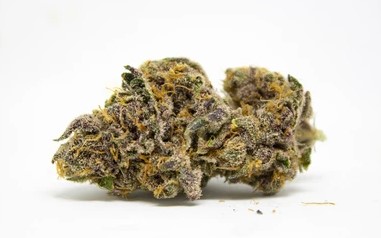
- Buds are compact, densely packed, and coated in thick trichomes that give a platinum sheen.
- Deep purple hues dominate, often intertwined with dark green foliage and bright orange pistils.
Aroma Profile:
- Primary scents: Earthy, grape, and floral notes.
- Secondary scents: Hints of sweet berries, dank kush, and herbal spice.
Flavor Profile:
- Inhalation reveals sweet grape and berry tones.
- Exhalation is rich in earthiness and hash-like undertones with a light floral finish.
Cannabinoid and Terpene Profile
Cannabinoid Content:
- THC: Ranges between 18% and 24%, with some exceptional cultivars reaching up to 26%.
- CBD: Very low (<1%), making it unsuitable as a primary CBD source.
- CBG and CBC: Present in minor concentrations; contribute to entourage effects.
Terpene Profile:
- Myrcene (0.4–1.2%): Contributes to sedative, muscle-relaxing properties. Has an earthy, musky aroma.
- Limonene (0.3–0.7%): Offers citrus notes and contributes to mood elevation and anxiety relief.
- Caryophyllene (0.2–0.6%): Anti-inflammatory and analgesic effects; spicy, peppery aroma.
- Linalool (trace to 0.2%): Adds floral, lavender scent; anxiolytic and sedative properties.
- Humulene (trace): Earthy and woody; adds to anti-inflammatory potential.
These compounds collectively contribute to both the recreational and medicinal value of Platinum Purple Kush through the entourage effect—the synergistic interaction between cannabinoids and terpenes.
Cultivation Insights
Genetic Traits Relevant to Cultivation
Platinum Purple Kush inherits several key traits from its parents:
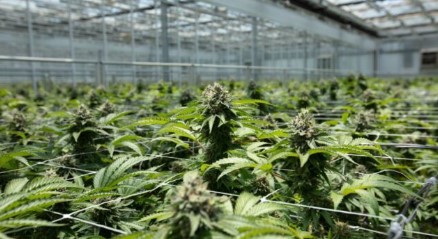
- Short, bushy stature (common to indica-dominant strains)
- Dense bud structure, prone to mold in humid conditions
- Heavy trichome production, ideal for hash or concentrate extraction
- Photosensitivity: Strong response to photoperiod changes for flowering
These genetics inform the cultivation techniques used to maximize success.
Propagation: Seeds vs. Clones
- Seeds: Good for phenotype hunting or breeding projects. Germination should be done in a sterile medium like coco coir or Rockwool with consistent humidity (~80% RH).
- Clones: Preferred for consistency. Rooted in aeroponic cloners, Rockwool cubes, or peat plugs under 18–24 hours of fluorescent/LED lighting at 22–25°C.
Tip: Use rooting hormones (e.g., indole-3-butyric acid) to promote faster clone establishment.
Vegetative Phase Requirements
Photoperiod:
- 18–24 hours of light per day
- DLI (Daily Light Integral): ~25–35 mol/m²/day for optimal growth
Lighting:
- Full-spectrum LED or MH (Metal Halide) lighting preferred for vegetative vigor.
- PAR (Photosynthetically Active Radiation): 400–700 µmol/m²/s
Temperature and Humidity:
- Day Temp: 24–27°C (75–81°F)
- Night Temp: 19–22°C (66–72°F)
- RH: 50–70%
Nutrient Requirements:
- High nitrogen (N) with moderate phosphorus (P) and potassium (K)
- Example: 3-1-2 or 4-2-3 NPK formulation
- Micronutrients: Mg, Ca, Fe, Zn crucial for chlorophyll production and enzyme activity
Training Techniques:
- Topping: Encourages lateral branching; perform early (after 3–4 nodes).
- Low-Stress Training (LST): Gently bends branches to form an even canopy.
- SCROG (Screen of Green): Highly effective for PPK due to its short height and bushy structure.
Flowering Phase
Photoperiod:
- Switch to 12/12 light-dark cycle to induce flowering.
Lighting:
- Use HPS or flowering-specific LED lights (e.g., red-heavy spectrum).
- Target PPFD: 600–900 µmol/m²/s
Temperature & Humidity:
- Day Temp: 22–26°C (72–78°F)
- Night Temp: 18–21°C (64–70°F)
- RH: 40–50% (to prevent Botrytis and powdery mildew)
Flowering Time:
- ~8–10 weeks
- Trichome monitoring is key: harvest when trichomes are mostly cloudy with some amber for maximum THC and sedative effects.
Nutrient Profile:
- Switch to low nitrogen, high phosphorus and potassium blend:
- Example: 1-3-2 or 0-10-10
- Additives: Bud boosters (e.g., PK 13/14), molasses for microbial stimulation
Soil and Medium Preferences
Ideal Growing Media:
- Coco coir with perlite: Fast drainage, great root oxygenation
- Living soil: Boosts terpene profile and enhances microbial activity
pH Range:
- Soil: 6.0–6.8
- Hydroponics/Coco: 5.8–6.3
Maintaining a balanced EC (Electrical Conductivity) is crucial—aim for:
- Veg: 1.0–1.4 mS/cm
- Flower: 1.6–2.2 mS/cm
Microbial and Mycorrhizal Support
- Beneficial fungi (e.g., Glomus intraradices) enhance Platinum Purple Kush nutrient uptake, especially P and micronutrients.
- Bacterial inoculants (e.g., Bacillus subtilis, Trichoderma harzianum) support root health and protect against root pathogens.
These microbes are especially useful for organic and regenerative cultivation methods.
Pest and Pathogen Management
Platinum Purple Kush’s dense foliage and buds require proactive IPM (Integrated Pest Management).
Common Threats:
- Spider mites
- Powdery mildew
- Botrytis (bud rot)
Prevention:
- Maintain airflow (oscillating fans, defoliation)
- Apply neem oil, spinosad, or predatory mites (e.g., Phytoseiulus persimilis)
- Weekly foliar sprays with silica and kelp extract strengthen cellular walls
Environmental Controls and Automation
- CO₂ supplementation: Increases Platinum Purple Kush’s photosynthesis during high PPFD lighting; aim for ~1000–1200 ppm during flowering.
- VPD (Vapor Pressure Deficit) monitoring: Maintain optimal transpiration rates (0.8–1.2 kPa in flower)
- Timers, hygrometers, and automated drip systems help stabilize environment for consistency.
Harvest and Post-Harvest
Harvest Window:
- Based on trichome maturity and pistil color.
- ~70% cloudy trichomes and 15–20% amber = peak THC potency and sedative effects.
Drying Conditions:
- Temperature: 18–21°C (65–70°F)
- RH: 55–60%
- Duration: 7–14 days depending on bud density
Curing:
- Use airtight glass jars, “burp” daily for the first 10–14 days.
- Total cure time: 3–6 weeks
- Enhances Platinum Purple Kush’s flavor, smoothness, and terpene retention via slow decarboxylation of chlorophyll
Cultivation Summary Chart
| Parameter | Vegetative Stage | Flowering Stage |
|---|---|---|
| Light Duration | 18–24 hours | 12 hours |
| Optimal Temp (Day/Night) | 25°C / 20°C | 24°C / 18°C |
| RH (%) | 60–70% | 40–50% |
| EC Range | 1.0–1.4 | 1.6–2.2 |
| pH (soil/hydro) | 6.5 / 5.8–6.2 | 6.2 / 5.8–6.3 |
| Major Nutrients | High N, mod P/K | Low N, high P/K |
| Harvest Time | — | 8–10 weeks post flip |
Recreational Effects and Uses
Platinum Purple Kush is famed for its heavily sedative and euphoric effects, making it ideal for nighttime or weekend use. Key recreational attributes include:
Initial Onset:
- Platinum Purple Kush effect Begins with a calming cerebral euphoria, often described as a blissful “fog” that eases racing thoughts.
- Platinum Purple Kush provides a light uplift before quickly shifting toward a heavy body stone.
Peak Effects:
- Users report intense body relaxation using Platinum Purple Kush, couch-lock, and muscle heaviness.
- A strong desire for snacking (munchies) and rest is common.
Ideal For:
- Evening relaxation
- Social wind-down settings
- Watching movies, listening to music, or meditative activities
Potential Side Effects:
- Dry mouth and eyes are common.
- May cause grogginess or next-day drowsiness if consumed in large quantities.
- Not suitable for productivity or creative activity due to its sedative potency.
Medical Applications and Scientific Mechanisms
Platinum Purple Kush is primarily an indica-dominant hybrid with high THC levels (18–24%) and a dominant terpene profile consisting of myrcene, caryophyllene, limonene, and linalool. Its medical value lies in its potent analgesic, sedative, and anxiolytic effects, which are suitable for chronic pain, insomnia, anxiety, and appetite stimulation.
The Endocannabinoid System’s (ECS) modes of action
Platinum Purple Kush exerts its effects through interactions with the endocannabinoid system, which regulates pain, mood, inflammation, sleep, and appetite.
THC (Δ⁹-Tetrahydrocannabinol)
- Primary action: Partial agonist at CB1 receptors (central nervous system) and CB2 receptors (peripheral immune system).
- Effects:
- Inhibits neurotransmitter release (e.g., glutamate), reducing pain signals.
- Stimulates appetite and sleep through hypothalamic and limbic system activity.
- Modulates stress response via inhibition of noradrenaline release.
Terpene-Cannabinoid Synergy (“Entourage Effect”)
- Myrcene: Sedative, analgesic, and muscle relaxant; increases THC penetration through the blood–brain barrier.
- Caryophyllene: Selective agonist at CB2 receptors, anti-inflammatory and analgesic without psychoactivity.
- Limonene: Anxiolytic and mood-elevating; modulates serotonin pathways.
- Linalool: Enhances GABAergic transmission, promoting sedation and anxiety reduction.
This synergy amplifies the therapeutic effects and allows for multi-modal symptom management.
Detailed Medical Applications
Chronic Pain and Neuropathy
Clinical Rationale:
- THC in Platinum Purple Kush suppresses nociceptive transmission via CB1 receptor activation in the spinal cord and brain.
- Caryophyllene reduces peripheral inflammation via CB2 signaling.
Conditions Benefiting:
- Fibromyalgia
- Rheumatoid arthritis
- Neuropathic pain (e.g., diabetic or chemotherapy-induced)
- Lower back or sciatic nerve pain
Supporting Data:
- National Academies of Sciences (2017) concluded substantial evidence for cannabinoids in chronic pain treatment.
- Myrcene and caryophyllene shown to have synergistic anti-nociceptive effects in preclinical rodent models.
Insomnia and Sleep Disorders
Mechanism:
- High doses of THC in Platinum Purple Kush shorten sleep latency and increase deep sleep (NREM).
- Myrcene enhances sleep induction through GABA modulation.
- Linalool reduces locomotion and anxiety in animal studies, mimicking benzodiazepines.
Use Cases:
- Primary insomnia
- Delayed sleep phase disorder
- PTSD-related nightmares or night terrors
Clinical Insights:
- A 2008 review (Russo et al.) linked myrcene-rich strains with “couch-lock” and sedative effects.
- Patients using THC-rich strains report better subjective sleep quality than those using placebo.
Anxiety and Stress-Related Conditions
Mechanisms:
- THC modulates amygdala hyperreactivity, reducing fear-based responses (in low doses).
- Limonene and linalool influence serotonin and dopamine receptors, reducing anxiety.
- CB1 activation reduces cortisol secretion, a stress hormone.
Indications:
- Generalized Anxiety Disorder (GAD)
- Social Anxiety Disorder
- Adjustment disorders
- Short-term situational stress
Cautions:
- High THC doses may increase anxiety in sensitive individuals due to biphasic effects.
- Titrate slowly, especially in those with panic disorder or low THC tolerance.
Appetite Stimulation (Cachexia, Anorexia)
Mechanism:
- THC in Platinum Purple Kush stimulates the hypothalamus and ghrelin secretion, enhancing hunger perception.
- May also increase hedonic reward from food intake.
Target Populations:
- HIV/AIDS-related wasting syndrome
- Cancer patients undergoing chemotherapy
- Elderly patients with reduced appetite due to age or medications
Scientific Evidence:
- Dronabinol (synthetic THC) has FDA approval for AIDS-related anorexia and chemotherapy-induced nausea, confirming clinical efficacy.
Nausea and Vomiting (Anti-Emetic Use)
Mechanism:
- THC interacts with CB1 receptors in the brainstem, inhibiting vomiting reflexes.
- Also alters serotonin (5-HT3) signaling in the gut-brain axis.
Use Cases:
- Chemotherapy-induced nausea (CINV)
- Post-operative nausea
- Cyclic vomiting syndrome (with caution)
Evidence:
- A meta-review by Whiting et al. (2015) confirmed cannabinoids’ effectiveness over placebo in reducing emesis.
Spasticity and Muscle Tension
Mechanism:
- THC in Platinum Purple Kush reduces neurotransmitter hyperexcitability at spinal levels.
- Myrcene and linalool act as muscle relaxants, reducing cramping.
Conditions Treated:
- Multiple Sclerosis (MS)-related spasticity
- Spinal cord injuries
- Muscle dystonias
- Parkinsonian rigidity (adjunctive only)
Research Support:
- Sativex (THC + CBD spray) has shown efficacy in MS spasticity, supporting cannabinoid use for neuromuscular conditions.
Secondary and Experimental Medical Areas
While not yet definitively supported by human trials, Platinum Purple Kush’s chemistry suggests potential value in:
Migraine Management
- THC and caryophyllene in Platinum Purple Kush may reduce trigeminal nerve inflammation and vascular dilation.
- Linalool contributes to migraine relief via serotonin modulation.
Menstrual Cramps and Endometriosis
- Myrcene and caryophyllene reduce prostaglandin activity, which drives uterine cramping.
- THC eases pain perception and improves mood.
Glaucoma (with caution)
- THC reduces intraocular pressure, though effects are short-lived and require frequent dosing.
Potential Risks and Contraindications
Psychiatric Concerns:
- In patients with a predisposition to psychosis or schizophrenia, high-THC strains like PPK should be avoided.
- May exacerbate bipolar disorder or panic attacks in susceptible individuals.
Cardiovascular Effects:
- THC in Platinum Purple Kush can cause tachycardia, orthostatic hypotension, and transient blood pressure fluctuations.
Tolerance and Dependency:
- Long-term high-THC use can result in tolerance, withdrawal, and Cannabis Use Disorder (CUD).
- Not typically addictive in the classical sense, but psychological dependency is possible.
Dosage Guidelines for Medical Use
| Method | Onset | Duration | Starting Dose |
|---|---|---|---|
| Inhalation | 2–5 mins | 2–3 hrs | 1–2 puffs (5–10 mg THC) |
| Edibles | 45–90 mins | 6–8 hrs | 2.5–5 mg THC |
| Tinctures | 15–30 mins | 4–6 hrs | 2–5 mg THC per dose |
Low and slow titration is especially important for new users or elderly patients.
Summary: Platinum Purple Kush Medical Value Matrix
| Condition | Therapeutic Role | Key Phytochemicals |
|---|---|---|
| Chronic Pain | Analgesic, anti-inflammatory | THC, Caryophyllene, Myrcene |
| Insomnia | Sedation, improved sleep latency | THC, Myrcene, Linalool |
| Anxiety | Anxiolytic (low dose) | THC (low), Limonene, Linalool |
| Appetite Loss | Ghrelin stimulation, hunger cues | THC |
| Nausea and Vomiting | Antiemetic | THC, Limonene |
| Spasticity and Cramps | Muscle relaxation | Myrcene, Linalool, THC |
| Migraine (theoretical) | Anti-inflammatory, vasodilation control | THC, Caryophyllene, Linalool |
Scientific Literature and Clinical Evidence
Though specific studies on Platinum Purple Kush are lacking, its parent strains and core phytochemicals have been investigated:
Cannabinoids:
- THC: Extensively studied for analgesic, antiemetic, and appetite-stimulating effects.
- CBD (minimal here): Known for anti-inflammatory, neuroprotective, and anxiolytic effects when present.
Terpenes:
- Myrcene: Found to have muscle relaxant and hypnotic effects in animal studies.
- Limonene: Demonstrated anxiolytic and antidepressant potential in rodent trials.
- Caryophyllene: The only terpene known to bind directly to CB2 receptors, offering anti-inflammatory effects.
- Linalool: Acts on GABA-A receptors, similar to benzodiazepines, contributing to sedation and anxiety relief.
Relevant Clinical Data:
- A 2015 meta-analysis in JAMA showed that cannabinoids (mainly THC) are effective for chronic pain and chemotherapy-induced nausea.
- A 2020 study in Frontiers in Pharmacology emphasized the role of myrcene in muscle relaxation and improved sleep quality.
Strain Comparisons
To better understand Platinum Purple Kush’s place in the cannabis spectrum, it’s helpful to compare it to related strains:
| Strain | Type | Dominant Effects | Key Terpenes |
|---|---|---|---|
| Platinum Purple Kush | Indica-dominant | Sedation, euphoria, appetite | Myrcene, Limonene, Caryophyllene |
| Granddaddy Purple | Indica | Sedation, mood elevation | Myrcene, Pinene |
| Purple Kush | Pure Indica | Full-body high, relaxation | Myrcene, Linalool |
| Platinum OG | Hybrid | Body buzz, euphoria | Caryophyllene, Humulene |
This comparison highlights Platinum Purple Kush’s strong lean toward physical sedation, making it more appropriate for nighttime medical use than energetic hybrids or balanced sativas.
Dosage and Administration
Inhalation (Smoking/Vaping):
- Onset: 2–5 minutes
- Duration: 2–3 hours
- Dosage: Start with 1–2 small puffs for new users.
Edibles:
- Onset: 45–90 minutes
- Duration: 6–8 hours
- Dosage: Begin with 2.5–5mg THC.
Tinctures or Oils:
- Useful for precise dosing, particularly for sleep or pain.
- Effects vary based on formulation.
Caution: Due to its high THC levels, novice users should titrate doses carefully to avoid overwhelming psychoactive effects.
User Experiences and Anecdotal Reports
Across various cannabis forums and anecdotal sources, users consistently report:
- “Intense body high without racing thoughts”
- “Knocked me out after a long workday”
- “Perfect for insomnia and chronic back pain”
- “Tastes like sweet grape incense”
Negative experiences are usually limited to:
- Next-day grogginess
- Dry mouth (“cottonmouth”)
- Heavy sedation interfering with productivity
These reports align with its chemical profile and serve as a real-world validation of the strain’s primary applications.
Summary of Key Attributes
| Category | Detail |
|---|---|
| Genetics | Platinum OG x Purple Kush |
| Type | Indica-dominant hybrid |
| THC Content | 18–24% (up to 26%) |
| CBD Content | <1% |
| Primary Terpenes | Myrcene, Limonene, Caryophyllene |
| Effects | Sedative, euphoric, appetite-stimulating |
| Best For | Pain, insomnia, stress, appetite loss |
| Flowering Time | 8–10 weeks |
| Yield | 400–600g (depending on environment) |
Conclusion
Platinum Purple Kush is a powerful indica-dominant strain, best suited for experienced users or patients with serious conditions such as chronic pain, insomnia, and severe anxiety. Its strong THC concentration, combined with synergistic terpenes like myrcene and caryophyllene, results in a reliable, full-body effect ideal for medical use during the evening or nighttime. Recreationally, it offers a euphoric, tranquil experience with aesthetic and aromatic appeal. Cultivators appreciate its manageable growth and resinous yields, while consumers cherish its ability to melt stress, pain, and tension into the background.
For a complete directory of cultivars, visit our Cannabis Strain Reviews.
