Table of Contents
Platinum Kush is an indica-dominant hybrid known for its potent sedative effects, high resin production, and luxurious frosty appearance. It is revered by both recreational and medical cannabis users for its powerful body relaxation, stress relief, and pain management properties.
- Genetics: Predominantly Indica (90%), with some Sativa (10%) influence.
- Parent Strains: Thought to be a cross between OG Kush and an unknown Afghan Indica.
- THC Content: Typically 18% – 22%, but can reach up to 26% in optimized growing conditions.
- CBD Content: Generally low, around 0.2% – 1%.
- CBG Content: Around 1% – 2% in some phenotypes.
Appearance, Aroma, and Flavor
Appearance
Platinum Kush stands out due to its dense, compact buds covered in silvery-white trichomes, giving it a “platinum” look. The purple hues, dark green leaves, and bright orange pistils add to its striking visual appeal.
Aroma
- Earthy and sweet with hints of skunky pine and floral undertones.
- Pungent kush scent with a light citrus note upon grinding.
Flavor
- Sweet and creamy with spicy herbal notes.
- Berry-like aftertaste with a smooth, buttery finish.
- Some phenotypes have a grape-like flavor due to anthocyanin-rich genetics.
Chemical Composition
Platinum Kush contains a diverse range of cannabinoids and terpenes that contribute to its effects.
Cannabinoid Profile
| Cannabinoid | Percentage |
|---|---|
| THC | 18% – 26% |
| CBD | 0.2% – 1% |
| CBG | 1% – 2% |
| CBN | 0.1% – 0.3% |
Terpene Profile
| Terpene | Effects | Aroma/Flavor Notes |
|---|---|---|
| Myrcene | Sedative, analgesic, anti-inflammatory | Herbal, musky, mango |
| Limonene | Mood enhancement, stress relief | Citrus, lemon, sweet |
| Caryophyllene | Pain relief, anti-anxiety | Spicy, peppery, woody |
| Linalool | Relaxing, anti-anxiety, anti-seizure | Floral, lavender |
| Humulene | Appetite suppressant, anti-inflammatory | Woody, earthy |
Methods of Ingestion
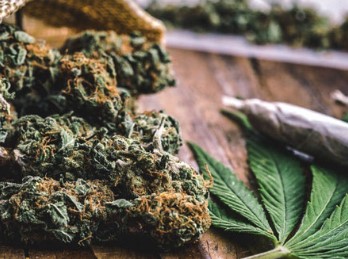
The primary ways to consume Platinum Kush include inhalation, oral consumption, and sublingual administration. Each method has distinct physiological effects due to differences in absorption rates and cannabinoid metabolism.
A. Inhalation (Smoking & Vaping)
Mechanism
- Cannabinoids enter the pulmonary alveoli and diffuse into the bloodstream.
- Bypasses first-pass metabolism, resulting in rapid onset.
Onset and Duration
- Onset: 1-5 minutes
- Peak Effects: 30-60 minutes
- Total Duration: 2-4 hours
Bioavailability
- Smoking: ~30% bioavailability (varies based on technique and lung efficiency).
- Vaping: 35-50% bioavailability due to higher cannabinoid retention and less combustion waste.
Scientific Insights
- Vaporization is more efficient than smoking, as combustion destroys up to 50% of THC.
- Vaporizers heat cannabis to 160-230°C, releasing cannabinoids without producing harmful tar and carcinogens.
Best For
- Immediate symptom relief (pain, anxiety, insomnia).
- Users preferring controlled dosage and instant effects.
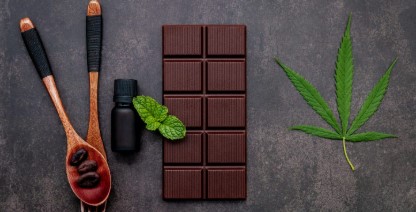
B. Oral Consumption (Edibles & Capsules)
Mechanism
- THC and other cannabinoids are absorbed in the small intestine, then metabolized by the liver (first-pass metabolism).
- Δ9-THC is converted to 11-hydroxy-THC, which is more potent and longer-lasting.
Onset and Duration
- Onset: 30-90 minutes
- Peak Effects: 2-3 hours
- Total Duration: 6-10 hours (can extend to 12 hours in high doses)
Bioavailability
- Oral THC bioavailability is lower (~4-20%) due to enzymatic degradation and first-pass metabolism.
Scientific Insights
- 11-hydroxy-THC is 2-3 times more psychoactive than Δ9-THC, leading to stronger sedative effects.
- Absorption rates vary based on fat content in food; consuming edibles with lipids (butter, coconut oil, MCT oil) improves cannabinoid absorption.
Best For
- Long-lasting effects (chronic pain, sleep disorders).
- Microdosing, since lower doses produce milder, prolonged relief.
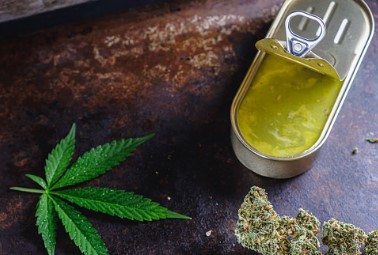
C. Sublingual (Tinctures & Sprays)
Mechanism
- Cannabinoids absorb directly into capillaries under the tongue, bypassing first-pass metabolism.
Onset and Duration
- Onset: 10-30 minutes
- Peak Effects: 1-2 hours
- Total Duration: 4-6 hours
Bioavailability
- Sublingual THC absorption ranges from 10-35%, depending on solvent type and carrier oil.
- Alcohol-based tinctures have higher bioavailability than oil-based ones.
Scientific Insights
- Sublingual administration is faster than edibles but longer-lasting than smoking.
- Terpene retention is higher, leading to enhanced therapeutic effects.
Best For
- Users needing faster onset than edibles but longer duration than smoking.
- Precise dosing with minimal lung irritation.
D. Topical and Transdermal Applications
Mechanism
- Cannabinoids in Platinum Kush penetrate the dermis and interact with CB2 receptors in the skin.
- Cannabinoids can reach the bloodstream through transdermal patches to produce systemic effects.
Onset and Duration
- Onset: 15-60 minutes (depends on formulation)
- Peak Effects: 1-2 hours
- Total Duration: 6-12 hours (transdermal patches last longer)
Bioavailability
- Local topicals have minimal systemic absorption (~5% bioavailability).
- Transdermal patches can achieve higher systemic absorption (up to 40%).
Scientific Insights
- Lipid-based formulations of Platinum Kush (lotions, creams) are better absorbed.
- Transdermal carriers (liposomes, micelles) improve cannabinoid penetration through the skin.
Best For
- Localized pain relief (arthritis, muscle soreness, inflammation).
- Avoiding psychoactive effects, as most topicals do not cross the blood-brain barrier.
Comparison of Ingestion Methods
| Method | Onset | Peak | Duration | Bioavailability | Best For |
|---|---|---|---|---|---|
| Smoking | 1-5 min | 30-60 min | 2-4 hours | 30% | Immediate relief |
| Vaping | 1-5 min | 30-60 min | 2-4 hours | 35-50% | Fast-acting, efficient use |
| Edibles | 30-90 min | 2-3 hours | 6-10 hours | 4-20% | Long-lasting effects |
| Sublingual | 10-30 min | 1-2 hours | 4-6 hours | 10-35% | Quick but sustained relief |
| Topicals | 15-60 min | 1-2 hours | 6-12 hours | ~5% (local), up to 40% (transdermal) | Localized relief |
Factors Influencing Onset and Duration
Metabolism and Body Composition
- Individuals with higher body fat may retain cannabinoids of Platinum Kush longer, affecting elimination half-life.
- Metabolic rate influences onset, with faster metabolism leading to quicker absorption.
Tolerance Levels
- Frequent users metabolize THC faster, leading to a shorter duration of effects.
- First-time users may experience prolonged effects due to lower cannabinoid receptor desensitization.
Food Intake
- Edibles taken on an empty stomach of Platinum Kush are absorbed faster but may result in intense effects.
- Fat-rich meals enhance THC bioavailability, leading to stronger and longer-lasting effects.
Delivery Method and Formulation
- Nano-emulsified cannabinoids (water-soluble THC) have faster absorption rates.
- Liposomal encapsulation improves bioavailability in oral and sublingual formulations.
Scientific Considerations on THC Metabolism
First-Pass Metabolism in Oral Ingestion
- Δ9-THC is converted to 11-hydroxy-THC in the liver via the cytochrome P450 enzyme system.
- 11-hydroxy-THC crosses the blood-brain barrier more efficiently, leading to stronger effects than inhaled THC.
Plasma Concentration and Half-Life
- Inhaled THC: Rapid peak plasma concentration (~10-15 minutes).
- Oral THC: Delayed peak plasma concentration (1-3 hours).
- Half-life of THC: 20-30 hours, but metabolites remain in fat stores for days to weeks.
Medical Benefits
Platinum Kush is widely used in medical cannabis programs due to its potent pain-relieving, anti-anxiety, and sedative effects.
Primary Medical Uses
| Condition | Effectiveness |
|---|---|
| Chronic Pain | 5/5 |
| Insomnia | 5/5 |
| Stress & Anxiety | 5/5 |
| Depression | 4/5 |
| Appetite Stimulation | 3/5 |
| Muscle Spasms & Cramps | 5/5 |
Pain Relief
Platinum Kush is a top choice for chronic pain sufferers, especially those with:
- Fibromyalgia
- Arthritis
- Neuropathy
- Migraines
Its high myrcene and caryophyllene content make it an excellent natural analgesic.
Anxiety and Stress Reduction
- High limonene and linalool content provides calming effects.
- Helps reduce intrusive thoughts and overthinking.
- Best for generalized anxiety, PTSD, and social anxiety.
Sleep Disorders & Insomnia
- One of the most effective cannabis strains for inducing sleep.
- Helps those with chronic insomnia and REM sleep disturbances.
Gastrointestinal Disorders & Appetite
- Mild appetite stimulation, helpful for nausea and IBS sufferers.
- Less potent for severe appetite loss compared to strains like Granddaddy Purple.
Scientific Insights & Pharmacology
Platinum Kush’s biological and chemical properties have been studied for their pharmacological effects.
Neurochemical Interactions
- THC: Binds to CB1 receptors in the brain, leading to sedation and euphoria.
- CBD & CBG: Modulate CB2 receptor activity, reducing inflammation.
- Terpenes: Act synergistically with cannabinoids in the entourage effect.
Impact on Brain Regions
| Brain Area | Effect |
|---|---|
| Amygdala | Reduces stress, anxiety |
| Hippocampus | Induces short-term memory impairment |
| Cerebral Cortex | Mild cognitive slowing |
| Basal Ganglia | Muscle relaxation, reduced tremors |
Cultivation Information
Environmental Conditions for Optimal Growth
Platinum Kush requires specific temperature, humidity, light, and soil conditions to maximize yield, potency, and terpene production.
a. Temperature and Humidity Control
- Vegetative Stage:
- Temperature: 22-28°C (72-82°F)
- Relative Humidity (RH): 50-65%
- CO₂ Enrichment: 1000-1500 ppm (optional for accelerated growth)
- Flowering Stage:
- Temperature: 20-26°C (68-78°F)
- Relative Humidity (RH): 40-50% (to prevent mold and increase resin production)
- CO₂ Enrichment: 800-1200 ppm (to enhance bud density)
- Late Flowering (Final 2 Weeks):
- Temperature: 18-22°C (65-72°F)
- Humidity: 30-40%
- Cold Shock (Optional): Exposing plants to 16°C (60°F) at night enhances anthocyanin production, bringing out deep purple hues in the buds.
Light Spectrum and Photoperiod
Platinum Kush, being an indica-heavy strain, requires a strong light source to maximize resin and THC production.
a. Vegetative Stage (18/6 light cycle)
- Optimal Light Spectrum:
- Blue Light: 400-500 nm (Encourages strong root and leaf growth)
- Ideal for LED and Metal Halide (MH) lights.
- Light Intensity:
- PPFD (Photosynthetic Photon Flux Density): 400-600 µmol/m²/s
- DLI (Daily Light Integral): 30-40 mol/m²/day
b. Flowering Stage (12/12 light cycle)
- Optimal Light Spectrum:
- Red Light: 600-700 nm (Enhances bud development and terpene synthesis)
- Infrared (Far-Red): 700-750 nm (Triggers flowering stretch, leading to denser buds)
- Light Intensity:
- PPFD: 600-1000 µmol/m²/s
- DLI: 40-60 mol/m²/day
- Preferred Light Sources:
- HPS (High-Pressure Sodium) lights (for large-scale cultivation)
- Full-spectrum LED lights (for energy efficiency and enhanced terpene production)
Cultivation Mediums and Nutrient Management
a. Growing Medium
Platinum Kush thrives in organic soil or hydroponic setups, depending on the desired terpene expression and cannabinoid potency.
| Growing Medium | Advantages | Disadvantages |
|---|---|---|
| Organic Soil | Rich terpene profile, improved flavor | Slower growth, requires microbial balance |
| Coco Coir | Faster root development, good aeration | Needs daily nutrient supplementation |
| Hydroponics | Maximum yield, precise nutrient control | Higher risk of root rot, requires constant monitoring |
| Aeroponics | High oxygenation, rapid growth | Complex system, costly setup |
b. Nutrient Requirements
Macronutrients (N-P-K Ratio)
- Vegetative Stage:Nitrogen (N) – 3, Phosphorus (P) – 1, Potassium (K) – 2
- Encourages strong root and leaf growth.
- Early Flowering Stage:N – 1, P – 3, K – 3
- Boosts bud sites and resin production.
- Late Flowering Stage:N – 0, P – 2, K – 4
- Enhances trichome development and terpene expression.
Micronutrients (Essential for Maximum THC & Terpene Production)
- Magnesium (Mg): Aids in chlorophyll production.
- Calcium (Ca): Strengthens cell walls and enhances bud density.
- Sulfur (S): Essential for terpenoid and flavonoid synthesis.
- Silicon (Si): Increases resistance to pests and stress.
Advanced Cultivation Techniques
a. Training Techniques for High Yield
- Low-Stress Training (LST):
- Gently bending stems to expose lower bud sites to light.
- Enhances light penetration and airflow, reducing mold risks.
- Screen of Green (ScrOG):
- Training branches horizontally using a net.
- Encourages even canopy growth and maximizes light exposure.
- Supercropping:
- Gently crushing branches to redirect energy to bud production.
- Triggers increased THC and trichome formation.
- Defoliation:
- Removing unnecessary fan leaves to enhance airflow and light penetration.
- Best done during early flowering for denser, trichome-rich buds.
Pest and Disease Management
Platinum Kush is naturally resistant to mold and mildew, but pests and root diseases can still be an issue.
a. Common Pests
| Pest | Prevention & Treatment |
|---|---|
| Spider Mites | Neem oil, predatory mites (Phytoseiulus persimilis) |
| Fungus Gnats | Bacillus thuringiensis (BT), yellow sticky traps |
| Aphids | Ladybugs, insecticidal soap |
| Thrips | Pyrethrin sprays, Spinosad |
b. Common Diseases
| Disease | Prevention & Treatment |
|---|---|
| Powdery Mildew | Reduce humidity, apply sulfur sprays |
| Root Rot | Ensure proper drainage, use beneficial fungi (Mycorrhizae) |
| Bud Rot (Botrytis) | Increase airflow, remove infected buds immediately |
Harvesting and Post-Harvest Processing
a. Best Time to Harvest
Platinum Kush reaches full maturity 8-9 weeks after flowering begins.
- Trichome Color Check:
- Clear Trichomes: Too early.
- Milky White Trichomes: Peak THC potency.
- Amber Trichomes: More sedative, higher CBN content.
b. Drying and Curing Process
- Drying Stage (7-10 Days)
- Temperature: 18-22°C (65-72°F)
- Humidity: 45-55%
- Keep in dark, well-ventilated space with gentle air circulation.
- Curing Stage (2-6 Weeks)
- Store buds in glass jars at 60-65% humidity.
- Burp jars daily for the first 2 weeks to release moisture.
- This enhances flavor, smoothness, and terpene profile.
Enhancing Cannabinoid and Terpene Production
- UVB Light Exposure: Studies suggest that UVB radiation (280-315 nm) increases THC concentration IN Platinum Kush by triggering plant defense mechanisms.
- Drought Stressing (Final 2 Weeks): Reducing water intake boosts trichome density.
- Terpene Boosting Techniques:
- Supplement soil with kelp extracts, molasses, and sulfur.
- Cold shocking (dropping nighttime temps to 14-16°C) enhances anthocyanin production.
Scientific Methods of Cultivating Platinum Kush
Platinum Kush is an indica-dominant strain that requires precise environmental conditions and cultivation techniques to maximize yield, potency, and terpene expression. Below is a detailed, science-based approach to optimizing its growth.
Comparisons with Similar Strains
| Strain | THC | CBD | Effects | Best Use |
|---|---|---|---|---|
| Platinum Kush | 18-26% | <1% | Sedative, euphoric, relaxing | Nighttime |
| Granddaddy Purple | 19-23% | <1% | Heavy body high, dreamy | Insomnia, pain |
| Bubba Kush | 20-25% | <1% | Calming, happy, sleepy | Stress, anxiety |
| Purple Punch | 18-22% | <1% | Sedating, muscle relief | Chronic pain |
Final Verdict: Is Platinum Kush Right for You?
Best for:
✔ Users needing deep relaxation and stress relief
✔ Medical patients with pain, insomnia, or muscle tension
✔ Indica lovers who prefer heavy-hitting strains
Not ideal for:
Users prone to THC-induced paranoia
Daytime use due to its strong sedative nature
Those seeking high-energy effects
For a complete directory of cultivars, visit our Cannabis Strain Reviews.
