Table of Contents
Platinum Bubba Kush is a highly potent indica-dominant hybrid cannabis strain with a reputation for delivering deep relaxation and sedative effects. A cross between Platinum OG Kush and Bubba Kush, this strain has earned popularity among both recreational users and medical marijuana patients due to its heavy-hitting body high, long-lasting effects, and high THC levels. The strain is known for its dense, frosty buds covered in trichomes, giving it a platinum-like sheen that contributes to its name.
Genetics and Lineage
Platinum Bubba Kush is the result of a genetic fusion between Platinum OG Kush and Bubba Kush. Each parent strain contributes unique characteristics that define its potency, flavor profile, and effects:
- Platinum OG Kush: A strong indica-dominant hybrid known for its sedative and euphoric properties, rich earthy aroma, and potent THC content.
- Bubba Kush: A well-known pure indica strain famous for its deeply relaxing effects, sweet hashish taste, as well as the capacity to reduce tension and anxiety.
Together, these parent strains create a hybrid with approximately 80% indica and 20% sativa, making Platinum Bubba Kush a go-to choice for those seeking deep relaxation and pain relief.
Appearance, Aroma, and Flavor Profile
Appearance:
Platinum Bubba Kush boasts an eye-catching visual appeal, characterized by:
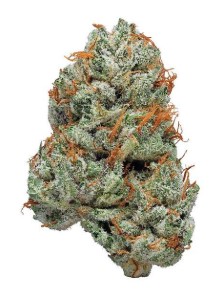
- Dense, chunky buds with a compact indica-like structure.
- A shimmering layer of platinum-colored trichomes, giving it a frosted look.
- Dark green leaves with purple hues due to anthocyanin pigments, especially when exposed to cooler temperatures during the growing process.
- Orange pistils weaving through the bud structure, adding vibrancy to its aesthetic.
Aroma:
- Earthy and woody base with a touch of pine.
- Spicy and peppery overtones, reminiscent of Kush genetics.
- Sweet floral undertones that add depth to the aroma.
- Diesel-like funk, especially noticeable when breaking apart the buds.
Flavor:
- Sweet, hash-like essence on the inhale.
- Spicy and peppery kick mid-palate, similar to black pepper or cloves.
- Smooth, earthy exhale, leaving a lingering kushy aftertaste.
- Slight floral hints, balancing out the bold flavors.
Cannabinoid and Terpene Profile
Platinum Bubba Kush is a high-THC strain, typically testing between 20-26% THC, making it ideal for experienced users. It has minimal CBD content (usually below 1%), meaning it is not the best choice for patients seeking CBD-specific benefits.
Terpene Profile:
The primary terpenes in Platinum Bubba Kush contribute to its unique effects and medicinal properties:
- Myrcene – Dominant terpene, contributing to its sedative and relaxing effects.
- Caryophyllene – Adds spiciness and provides anti-inflammatory benefits.
- Limonene – Offers mild uplifting effects and contributes to its citrusy hints.
- Pinene – May help with respiratory issues and improve focus.
- Humulene – renowned for its ability to decrease hunger.
Recreational Uses
- Initial Euphoria and Relaxation: Users often experience a slight cerebral uplift, easing stress and enhancing mood.
- Deep Body High: As the high progresses, full-body relaxation sets in, making it difficult to stay physically active.
- Couch-Lock and Sedation: Higher doses can result in complete sedation, making it ideal for evening or nighttime use.
- Enhanced Sensory Perception: Some users report intensified sensory experiences, including enhanced taste and sound perception.
Best Used For:
- Unwinding after a stressful day
- Watching movies or listening to music
- Socializing in a laid-back setting
- Sleep aid before bed
Medical Uses and Benefits
Platinum Bubba Kush is a high-THC, indica-dominant hybrid known for its sedative, analgesic, and anxiolytic properties. This strain’s cannabinoid and terpene composition makes it highly effective for treating various medical conditions. Below is a scientific breakdown of how Platinum Bubba Kush interacts with the endocannabinoid system (ECS) and its applications in medicine.
1. Mechanism of Action: How Platinum Bubba Kush Affects the Body
Platinum Bubba Kush contains high THC levels (20-26%) and a diverse terpene profile, making it highly effective in treating conditions related to pain, mood disorders, sleep disturbances, and inflammation.
Interaction with the Endocannabinoid System (ECS)
- CB1 Receptor Activation:
- THC binds to CB1 receptors in the central nervous system, causing analgesia, euphoria, and sedation.
- This explains the pain relief and anti-anxiety effects observed in medical users.
- CB2 Receptor Activation:
- THC and caryophyllene interact with CB2 receptors, reducing inflammation and immune responses.
- This makes it effective in treating chronic inflammatory conditions such as arthritis and Crohn’s disease.
- Serotonin and Dopamine Modulation:
- THC and limonene increase serotonin and dopamine levels, alleviating symptoms of depression, PTSD, and anxiety.
2. Medical Applications of Platinum Bubba Kush
A. Chronic Pain Management
Platinum Bubba Kush is highly effective against neuropathic and inflammatory pain due to its THC and myrcene content, which modulates pain perception.
Scientific Evidence:
- Study on THC & Pain Relief: A 2018 study in Pain Medicine found that THC-rich cannabis strains significantly reduce chronic pain by interacting with CB1 receptors in the nervous system.
- Peripheral Neuropathy: THC has been shown to desensitize pain receptors (TRPV1 channels), making it beneficial for nerve pain in conditions like diabetic neuropathy and multiple sclerosis (MS).
Conditions Benefiting from Platinum Bubba Kush:
- Fibromyalgia
- Arthritis (Osteoarthritis, Rheumatoid Arthritis)
- Migraines & Tension Headaches
- Back Pain & Sciatica
B. Anxiety and Mood Disorders
This strain provides euphoric yet calming effects, making it effective for treating anxiety, depression, and PTSD.
Scientific Mechanisms:
- Anxiolytic (Anti-Anxiety) Effects:
- THC at low to moderate doses reduces anxiety by activating CB1 receptors in the amygdala (the brain’s fear center).
- Limonene enhances serotonin function, further reducing stress and depression symptoms.
- PTSD & Trauma Processing:
- THC disrupts the reconsolidation of traumatic memories, reducing flashbacks and nightmares in PTSD patients.
- A 2020 study in Journal of Affective Disorders showed cannabis reduced PTSD symptoms by 50% after use.
Best For:
- Generalized Anxiety Disorder (GAD)
- Social Anxiety Disorder (SAD)
- Post-Traumatic Stress Disorder (PTSD)
- Major Depressive Disorder (MDD)
C. Insomnia and Sleep Disorders
Platinum Bubba Kush is an effective sleep aid due to its high myrcene content, a terpene known for sedative and muscle-relaxing effects.
Best For:
- Chronic Insomnia
- REM Sleep Behavior Disorder (RBD)
- Sleep Apnea
- Restless Leg Syndrome (RLS)
D. Appetite Stimulation (Cancer & Eating Disorders)
Platinum Bubba Kush is a powerful appetite stimulant due to its THC interaction with CB1 receptors in the hypothalamus, triggering hunger signals.
Scientific Studies:
- Cancer & Cachexia:
- A 2021 study in Frontiers in Oncology found THC increased food intake in cancer patients by 37%, reducing weight loss and cachexia.
- Gastrointestinal Disorders:
- THC & caryophyllene reduce inflammation in Crohn’s disease and ulcerative colitis, improving appetite and nutrient absorption.
Conditions Benefiting from Appetite Stimulation:
- Cancer (Cachexia/Weight Loss from Chemotherapy)
- HIV/AIDS-Related Wasting Syndrome
- Anorexia Nervosa & Bulimia
- Gastrointestinal Disorders (Crohn’s, IBS, GERD)
E. Anti-Inflammatory & Autoimmune Disease Treatment
Platinum Bubba Kush has anti-inflammatory properties, primarily due to caryophyllene, a terpene known for selectively activating CB2 receptors.
How It Works:
- Suppresses Overactive Immune Responses:
- Useful in treating autoimmune conditions like multiple sclerosis, lupus, and rheumatoid arthritis.
- Neuroinflammation Reduction:
- THC has been found to reduce neuroinflammation, potentially slowing the progression of Alzheimer’s and Parkinson’s disease.
Best For:
- Multiple Sclerosis (MS)
- Lupus & Rheumatoid Arthritis
- Inflammatory Bowel Disease (IBD)
- Alzheimer’s & Parkinson’s Disease
F. Anti-Nausea & Chemotherapy Support
Platinum Bubba Kush is an effective anti-emetic (anti-nausea) agent, primarily used in cancer patients undergoing chemotherapy.
Scientific Mechanism:
- THC activates CB1 receptors in the brainstem, blocking nausea and vomiting signals.
- Gastrointestinal Relaxation:
- Caryophyllene & myrcene relax stomach muscles, reducing acid reflux and nausea.
- Enhanced Dopamine Release:
- Helps counteract chemo-induced depression and fatigue.
3. Potential Risks and Side Effects in Medical Use
While Platinum Bubba Kush is highly effective for various medical conditions, it does have some potential side effects depending on dosage and patient sensitivity.
Common Side Effects:
- Dry Mouth (Xerostomia): Due to THC’s effect on salivary glands.
- Dry Eyes: Can be mitigated with artificial tears or hydration.
- Dizziness or Lightheadedness: Especially in low blood pressure patients.
Potential Risks for Certain Patients:
- Paranoia & Anxiety: High THC strains can sometimes increase anxiety in predisposed individuals.
- THC Tolerance & Dependency: Chronic use may lead to THC tolerance, requiring higher doses over time.
- Not Ideal for Heart Patients: THC can cause temporary increases in heart rate, making it unsuitable for arrhythmia or cardiovascular disease patients.
Scientific Research and Pharmacology
Platinum Bubba Kush’s effects are largely attributed to its high THC content and terpene composition. Here’s a scientific breakdown of how its cannabinoids and terpenes interact with the human body:
- THC and the Endocannabinoid System:
- THC produces bliss and relaxation by binding to the brain’s CB1 receptors.
- It also interacts with CB2 receptors in the body, helping with pain relief and inflammation.
- Terpenes and Their Role:
- Myrcene: Acts as a sedative, enhances THC’s effects, and helps with pain relief.
- Caryophyllene: Interacts with CB2 receptors, reducing inflammation.
- Limonene: Provides anti-anxiety effects and mood elevation.
- Neuroprotective Properties:
- Some studies suggest that THC and other cannabinoids in Platinum Bubba Kush may have neuroprotective effects, potentially helping with neurodegenerative disorders like Parkinson’s and Alzheimer’s disease.
- Anti-Cancer Potential:
- Preliminary research has shown that cannabinoids like THC and CBD can induce apoptosis (cell death) in certain types of cancer cells, making cannabis strains like Platinum Bubba Kush of interest for cancer therapy.
Potential Side Effects
As with any high-THC strain, Platinum Bubba Kush may cause side effects, particularly in novice users or people who do not tolerate THC well.
Common Side Effects:
- Dry Mouth and Dry Eyes: Due to THC’s effect on saliva production.
- Dizziness or Lightheadedness: More likely at high doses.
- Paranoia or Anxiety: Can occur in sensitive users or those prone to anxiety disorders.
- Couch-Lock and Sedation: High doses may lead to extreme drowsiness.
Cultivation Information
Cultivating Platinum Bubba Kush requires a strategic approach to optimize its yield, potency, and cannabinoid/terpene profile. Below is an in-depth analysis of the scientific methodologies involved in its cultivation, including environmental controls, nutrient management, and genetic stability.

1. Understanding Platinum Bubba Kush’s Growth Cycle
- Germination (3-7 days) – Seeds develop root systems and sprout.
- Seedling Stage (2-3 weeks) – Small fan leaves begin developing, requiring a delicate balance of humidity and light.
- Vegetative Stage (4-6 weeks) – Rapid foliage and root development occur.
- Flowering Stage (8-9 weeks) – Buds begin to develop, requiring precise light and nutrient adjustments.
- Harvesting & Curing (2-3 weeks) – Proper drying and curing enhance potency and terpene preservation.
2. Ideal Environmental Conditions for Indoor and Outdoor Growth
Indoor Cultivation (Hydroponic/Soil-Based)
- Temperature: 70-80°F (21-27°C) during vegetative; 65-75°F (18-24°C) during flowering.
- Humidity Levels:
- Vegetative Stage: 50-60%
- Flowering Stage: 40-50%
- Late Flowering: 30-40% to prevent mold/mildew.
- Light Cycle:
- Vegetative: 18/6 (18 hours light, 6 hours dark)
- Flowering: 12/12 (12 hours light, 12 hours dark)
- Lighting: High-Pressure Sodium (HPS) or LED lights (full spectrum) preferred.
- Ventilation: Essential to prevent CO₂ buildup and maintain airflow.
Outdoor Cultivation
- Climate Preference: Warm, Mediterranean-like conditions.
- Soil pH: 6.0-6.8 for soil; 5.5-6.0 for hydroponics.
- Sunlight Exposure: 8+ hours of direct sunlight per day.
- Harvest Timing: Late September to mid-October for optimal cannabinoid production.
3. Substrate and Growing Medium Selection
Soil-Based Cultivation
- Organic soil enriched with perlite improves aeration and water retention.
- Compost and mycorrhizal fungi boost root health and nutrient uptake.
- Avoid excessive nitrogen during the flowering stage to prevent excessive leaf growth over bud production.
Hydroponic Systems
- Deep Water Culture (DWC): Provides continuous oxygen and nutrient flow for rapid growth.
- Ebb and Flow: Cycles nutrients while reducing root rot risk.
- Coco Coir + Perlite: A hybrid soil-less system offering high aeration and water retention.
4. Nutrient Management and Fertilization Strategies
Cannabis requires a macronutrient and micronutrient balance tailored to each growth phase:
Macronutrients:
- Nitrogen (N): Essential for vegetative growth, but should be reduced during flowering.
- Phosphorus (P): Critical for root and bud development, increased during flowering.
- Potassium (K): Supports overall plant vigor, immune defense, and resin production.
Micronutrients:
- Calcium (Ca): Strengthens cell walls and prevents bud rot.
- Magnesium (Mg): Aids chlorophyll production for photosynthesis.
- Sulfur (S): Enhances terpene synthesis and overall metabolism.
Feeding Schedule (General Guide):
- Vegetative Stage: Higher nitrogen intake (N-P-K ratio: 3-1-2).
- Pre-Flowering (Transition): Balanced N-P-K ratio of 1-3-2.
- Flowering: Increased phosphorus and potassium (1-4-3 or 0-5-4).
5. Training Techniques to Maximize Yield
Low-Stress Training (LST):
- Bending stems gently to expose more nodes to light, improving canopy density.
- Helps increase lateral growth without causing significant stress.
High-Stress Training (HST):
- Topping: Cutting the main shoot early to encourage bushier growth.
- Super Cropping: Intentionally damaging stems to increase bud sites.
Screen of Green (SCROG):
- A horizontal trellis system spreads out the canopy for maximized light penetration and yield.
Defoliation:
- Removing unnecessary fan leaves increases airflow and bud site exposure, reducing the risk of powdery mildew.
6. Pest and Disease Prevention
Platinum Bubba Kush, like many indica-dominant strains, is relatively resistant to mold and pests but still requires proactive care.
Common Pests:
- Spider Mites: Prevented with neem oil and predatory insects like ladybugs.
- Aphids & Thrips: Controlled with insecticidal soap or diatomaceous earth.
- Fungus Gnats: Avoid overwatering and use sticky traps.
Common Diseases:
- Powdery Mildew: Prevented with proper ventilation and foliar sprays of sulfur-based solutions.
- Bud Rot (Botrytis): Occurs in high humidity—prevent with defoliation and airflow management.
Scientific Note: Beneficial microbes like Bacillus subtilis can outcompete fungal pathogens and reduce plant stress.
7. Optimizing Terpene and Cannabinoid Production
- Temperature & Humidity Management: Cooler nighttime temperatures (around 60-65°F or 15-18°C) in late flowering enhance purple coloration and terpene retention.
- UV-B Light Exposure: Studies suggest UV-B light exposure during late flowering can increase trichome density and THC content.
- Stress-Induced Cannabinoid Production: Techniques such as flushing with ice water in the last week before harvest may trigger increased resin production.
8. Harvesting and Curing for Maximum Potency
Harvest Timing:
- Trichome Inspection:
- Clear trichomes = too early.
- Milky white = peak THC levels.
- Amber = increased CBN (sedative effects).
- Flushing: Two weeks before harvest, switch to pH-balanced water to remove excess nutrients.
Drying & Curing:
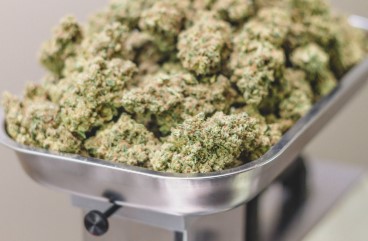
- Drying Process:
- 60-70°F (15-21°C) with 50% humidity.
- Dark room with gentle airflow.
- Dry for 7-10 days until stems slightly snap.
- Curing Process:
- Store buds in glass jars with 62% humidity packs.
- For the first week, open the jars every day to get rid of extra moisture.
- Curing for 4-8 weeks enhances terpene complexity and smoothness.
Conclusion
Platinum Bubba Kush is a powerhouse indica-dominant strain that offers a combination of potent body relaxation, pain relief, and stress reduction. It is ideal for both recreational and medicinal use, particularly for individuals seeking relief from chronic pain, insomnia, and anxiety. Due to its high THC content, it is best suited for experienced users. Whether for deep relaxation or therapeutic benefits, Platinum Bubba Kush remains a top-tier cannabis strain in the industry.
For a complete directory of cultivars, visit our Cannabis Strain Reviews.
