Table of Contents
The Pitbull cannabis strain is an indica-dominant hybrid known for its strong effects, high THC content, and rapid flowering time. Developed by Stoney Girl Gardens, this strain has gained a reputation among both recreational and medical users for its potent relaxation properties and pain-relieving capabilities.
Genetics and Lineage
Pitbull was created by crossing two notable strains:
- P-91: A sativa-dominant hybrid originally developed in California.
- Sugar Plum: An award-winning strain with powerful cerebral effects and a sweet, fruity flavor.
This cross results in an 80 percent indica and 20 percent sativa strain, giving Pitbull strong sedative effects while maintaining a slight mental uplift from its sativa lineage.
Growth and Cultivation Information
Ideal Environmental Conditions
Temperature and Humidity Control
- Vegetative Stage:
- Temperature: 70–85°F (21–29°C)
- Humidity: 55–65%
- Flowering Stage:
- Temperature: 65–80°F (18–27°C)
- Humidity: 40–50% (prevents mold and bud rot)
- Late Flowering/Ripening:
- Humidity: 30–40% (enhances resin production)
Pitbull’s dense bud structure makes it prone to moisture retention, increasing the risk of mold and mildew. Therefore, maintaining proper air circulation is crucial.
Light Requirements and Photoperiod
Indoor Cultivation (Artificial Lighting)
- Vegetative Stage: 18/6 photoperiod (18 hours of light, 6 hours of darkness)
- Flowering Stage: 12/12 photoperiod (12 hours of light, 12 hours of darkness)
Light Intensity:
- Seedling Stage: 200–400 µmol/m²/s (PPFD)
- Vegetative Stage: 400–700 µmol/m²/s (PPFD)
- Flowering Stage: 700–1000 µmol/m²/s (PPFD)
High-intensity LED grow lights or HPS (High-Pressure Sodium) lamps are ideal.
- LEDs: Increase terpene expression, reduce heat, and improve THC content.
- HPS: Higher yield but generates more heat.
Outdoor Cultivation (Natural Light)
- Pitbull thrives in Mediterranean climates with long summer days.
- It requires 8+ hours of direct sunlight per day for optimal THC and terpene production.
- Harvest time: Mid to late September (Northern Hemisphere).
Soil vs. Hydroponics for Pitbull Cultivation
Soil Cultivation
- Best for flavor and terpene preservation.
- Requires well-aerated, nutrient-rich organic soil.
- Ideal soil pH: 6.0–6.8
- Soil Composition:
- 40% coco coir (improves aeration)
- 30% perlite (enhances drainage)
- 20% organic compost (nutrient source)
- 10% worm castings (boosts microbial life)
Hydroponic Cultivation
- Faster growth and higher yields than soil-based growing.
- Requires pH control between 5.5 and 6.5.
- Common hydroponic methods:
- Deep Water Culture (DWC): Roots are suspended in nutrient-rich water.
- Ebb and Flow: Water floods and drains at intervals, optimizing oxygen intake.
- Drip Irrigation System: Delivers nutrients directly to the roots.
Nutrient Requirements
Pitbull, like other indica-heavy strains, benefits from a balanced macronutrient and micronutrient regimen.
Vegetative Stage Nutrients
- Nitrogen (N): High (Promotes strong leaf and stem growth)
- Phosphorus (P): Moderate
- Potassium (K): Moderate
- Calcium & Magnesium (Ca, Mg): Essential for root health
Ideal N-P-K Ratio for Vegetative Stage: 4-2-3
Flowering Stage Nutrients
- Nitrogen (N): Reduced
- Phosphorus (P): High (Supports bud formation)
- Potassium (K): High (Enhances terpene and resin production)
Ideal N-P-K Ratio for Flowering Stage: 1-3-4
Supplemental Additions:
- Silica: Strengthens cell walls and prevents pests.
- Molasses: Boosts microbial activity and enhances flavor.
- Amino Acids & Enzymes: Improve nutrient absorption.
Pruning and Training Techniques
Since Pitbull has a bushy indica structure, training methods help increase yield and airflow.
Low-Stress Training (LST)
- Tying down branches promotes horizontal growth, allowing more light penetration.
- Used to increase bud sites and improve yields.
High-Stress Training (HST)
- Topping: Cutting the main cola forces multiple branches to form.
- Supercropping: Gently bending branches increases nutrient uptake and resilience.
Defoliation
- Removing excess fan leaves improves air circulation and prevents bud rot.
- Only remove leaves gradually to avoid stressing the plant.
Harvesting and Curing for Maximum Potency
Harvest Timing
- Ideal Trichome Maturity:
- Milky trichomes (cloudy white) = Peak THC levels.
- Amber trichomes = Higher sedative effects (CBN increase).
- Flushing (last 10–14 days): Watering with pH-balanced water removes residual nutrients for smoother smoke.
Drying and Curing Process
- Drying (7–10 days):
- Temperature: 60–70°F (16–21°C)
- Humidity: 45–55%
- Hang buds in dark, ventilated space.
- Curing (2–6 weeks):
- Store in glass jars with humidity packs (62% RH).
- Open jars once per day to release moisture and prevent mold.
Curing enhances terpene preservation, leading to a smoother, more flavorful smoke.
Pest and Disease Management
Pitbull is relatively resistant to pests and diseases, but growers should still implement preventative measures.
Common Pests:
- Spider mites
- Fungus gnats
- Aphids
Prevention Methods:
- Neem oil and insecticidal soap protect against pests.
- Companion plants (e.g., basil, marigolds) deter insects.
- Beneficial insects (ladybugs, predatory mites) help control infestations.
Common Diseases:
- Powdery mildew (caused by high humidity)
- Bud rot (caused by excessive moisture)
Prevention:
- Maintain low humidity in flowering stages.
- Ensure proper air circulation with fans and exhaust systems.
- Avoid overwatering to prevent root rot.
Aroma, Flavor, and Appearance
Aroma Profile
Pitbull offers a complex, pungent aroma with dominant earthy, skunky, and tropical fruit notes. It also contains subtle hints of lavender and citrus, making it a unique-smelling strain.
Flavor Profile
The taste mirrors its aroma, featuring:
- Sweet and tropical fruit notes
- Earthy and musky undertones
- Hints of citrus and lavender on exhale
Bud Structure and Appearance
- Light green buds with dense, popcorn-shaped formations
- Amber-orange hairs covering the nugs
- A thick layer of milky white trichomes, indicating high potency
Cannabinoid and Terpene Profile
Cannabinoid Content
- THC Levels: 19 to 25 percent
- CBD Levels: Less than 1 percent
- CBG Levels: Around 1 percent (in some phenotypes)
The high THC content ensures strong psychoactive and therapeutic effects, while the low CBD level means that effects are THC-driven rather than balanced.
Dominant Terpenes
- Myrcene – Responsible for sedative and calming effects.
- Caryophyllene – Provides anti-inflammatory and pain-relieving benefits.
- Limonene – Adds citrus notes and contributes to stress relief and mood enhancement.
Effects and Recreational Uses
Onset and Duration
- Fast-acting (within minutes)
- Long-lasting effects (three to five hours)
- Strong body high with mild cerebral uplift
Psychoactive and Physical Effects
- Euphoria – An initial mood boost before transitioning into a full-body relaxation.
- Deep Relaxation – Strong indica properties make it ideal for stress relief and muscle relaxation.
- Tingling Sensation – A mild body buzz may accompany the high, especially in high doses.
- Increased Appetite – Users often experience the “munchies” after consuming Pitbull.
- Sedation and Sleepiness – High doses can lead to couch-lock and deep sleep, making it ideal for nighttime use.
Methods of Ingestion
A. Inhalation Methods
- Smoking (Joints, Pipes, Bongs)
- Vaporization (Dry Herb Vaporizers, Vape Cartridges, Dabs)
B. Oral Ingestion Methods
- Edibles (Gummies, Brownies, Capsules)
- Sublingual (Tinctures, Oils, Sprays)
- Nanoemulsified Cannabis (Fast-Acting Edibles and Drinks)
C. Other Methods
- Topicals (Lotions, Balms, Transdermal Patches)
- Suppositories (Rectal or Vaginal Cannabis Delivery)
Onset, Peak, and Duration for Each Method
| Method | Onset of Effects | Peak Effects | Total Duration | Bioavailability |
|---|---|---|---|---|
| Smoking (Joints, Pipes, Bongs) | 1–5 minutes | 15–30 minutes | 2–4 hours | 20–30% |
| Vaporization (Dry Herb, Concentrates) | 1–3 minutes | 10–20 minutes | 2–4 hours | 30–50% |
| Edibles (Gummies, Brownies) | 30–90 minutes | 2–3 hours | 4–8 hours | 4–20% |
| Sublingual (Tinctures, Oils) | 15–45 minutes | 1–2 hours | 3–6 hours | 20–35% |
| Nanoemulsified Cannabis (Fast-acting drinks, sublingual sprays) | 10–20 minutes | 30–90 minutes | 3–5 hours | 40–60% |
| Topicals (Creams, Lotions) | No psychoactive effects | Local relief | 2–8 hours | Variable |
| Transdermal Patches | 15–60 minutes | Continuous | 6–12 hours | 80–100% |
| Suppositories | 10–20 minutes | 30–90 minutes | 4–8 hours | 50–70% |
Mechanisms of Absorption and Metabolism by Method
A. Inhalation Methods (Smoking, Vaping)
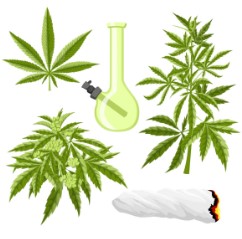
- Absorption Pathway: Lungs → Bloodstream → Brain (via alveolar exchange)
- Onset: Within minutes due to direct pulmonary absorption.
- Peak THC Levels: 15–30 minutes post-inhalation.
- Metabolism: THC is metabolized in the liver (CYP450 enzymes) into 11-OH-THC, an active metabolite with stronger psychoactive effects.
- Bioavailability: 20–50 percent (depends on method and user efficiency).
B. Oral Ingestion (Edibles, Capsules)
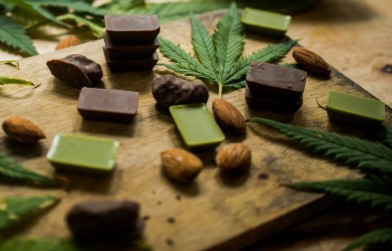
- Absorption Pathway: Digestive System → Liver (First-Pass Metabolism) → Bloodstream
- Onset: 30–90 minutes due to digestion and metabolism.
- Peak Effects: 2–3 hours post-ingestion.
- Metabolism: Liver converts THC into 11-OH-THC, which crosses the blood-brain barrier more efficiently and produces stronger, longer-lasting effects.
- Bioavailability: 4–20 percent (low due to extensive first-pass metabolism).
C. Sublingual (Tinctures, Sprays, Oils)
- Absorption Pathway: Sublingual Mucosa → Bloodstream (Bypasses Liver)
- Onset: 15–45 minutes, faster than edibles.
- Peak Effects: 1–2 hours post-administration.
- Metabolism: Some THC enters circulation directly, while the swallowed portion is processed in the liver.
- Bioavailability: 20–35 percent, higher than edibles.
D. Nanoemulsified Cannabis (Fast-Acting Edibles & Drinks)
- Absorption Pathway: Small Intestine → Bloodstream (Micelle Absorption)
- Onset: 10–20 minutes, significantly faster than traditional edibles.
- Peak Effects: 30–90 minutes.
- Metabolism: Bypasses some liver processing, leading to a more predictable onset.
- Bioavailability: 40–60 percent, making it more efficient than standard edibles.
E. Topical Application (Lotions, Creams)
- Absorption Pathway: Skin → Local Cannabinoid Receptors (CB2)
- Onset: Within minutes but no psychoactive effects.
- Peak Effects: 1–2 hours.
- Duration: 2–8 hours, depending on formulation.
- Bioavailability: Variable (depends on formulation and penetration enhancers).
F. Transdermal Patches
- Absorption Pathway: Skin → Systemic Circulation
- Onset: 15–60 minutes.
- Peak Effects: Steady-release over hours.
- Duration: 6–12 hours.
- Bioavailability: 80–100 percent (highest efficiency for continuous THC delivery).
G. Suppositories
- Absorption Pathway: Rectal or Vaginal Mucosa → Systemic Circulation
- Onset: 10–20 minutes.
- Peak Effects: 30–90 minutes.
- Duration: 4–8 hours.
- Bioavailability: 50–70 percent, bypassing some liver metabolism.
Choosing the Best Method Based on Needs
| Use Case | Recommended Method | Why? |
|---|---|---|
| Fast relief of pain or anxiety | Vaporization or Smoking | Quickest onset, direct lung absorption |
| Long-lasting relief (chronic pain, insomnia) | Edibles or Suppositories | Extended duration, systemic absorption |
| Discreet, low-dose relief | Sublingual Tinctures or Nano-emulsified THC | Faster onset, easier dosing |
| Localized pain relief | Topical Creams or Transdermal Patches | Direct action, non-psychoactive |
| Sustained medical dosing (chronic conditions) | Transdermal Patches | Continuous, controlled THC release |
| Patients with digestion issues (e.g., Crohn’s, IBS) | Suppositories | Bypasses digestive tract, high bioavailability |
Best Used For
- Evening or nighttime sessions due to its deeply relaxing effects.
- Social settings in low doses, as it induces euphoria and a mellow mood.
- Solo relaxation when used for winding down and stress relief.
Medical Applications of Pitbull
Pain Relief
Pitbull is highly effective for chronic pain relief, making it useful for:
- Arthritis and joint pain
- Migraine and headache relief
- Muscle spasms and inflammation
Insomnia and Sleep Disorders
Due to its strong sedative effects, Pitbull is one of the best strains for sleep issues. It helps:
- Regulate sleep cycles
- Reduce nighttime anxiety
- Combat insomnia and promote deep sleep
Anxiety and Stress Reduction
The high myrcene and limonene content make this strain a potent stress reliever. It helps with:
- Generalized Anxiety Disorder
- Panic attacks
- Work-related or social stress
Appetite Stimulation
Pitbull is beneficial for individuals experiencing appetite loss, particularly those:
- Undergoing chemotherapy
- Dealing with eating disorders
- Recovering from illness-related weight loss
Nausea and Gastrointestinal Issues
This strain can help reduce nausea and vomiting, making it a great option for cancer patients undergoing treatment or those with digestive disorders.
Potential Side Effects
Like any high-THC strain, Pitbull has a few common side effects:
- Dry Mouth and Dry Eyes – Stay hydrated and use eye drops.
- Dizziness – High dosages or sensitive individuals may experience dizziness.
- Paranoia or Anxiety – Inexperienced users or those sensitive to THC should start with small doses.
Scientific Insights on Pitbull
While Pitbull itself has not been widely studied, its chemical composition suggests it works similarly to other high-THC indica strains in the following ways:
Endocannabinoid System (ECS) Interaction
- THC binds to CB1 receptors in the brain, causing euphoria and altered perception.
- Myrcene enhances GABAergic activity, leading to muscle relaxation and sedation.
- Caryophyllene interacts with CB2 receptors, contributing to anti-inflammatory and pain relief effects.
Neurochemical Impact
- Dopamine Release: Produces feelings of pleasure and reward.
- Serotonin Modulation: Helps stabilize mood and reduce anxiety.
- Endorphin Activation: Contributes to pain relief and relaxation.
Potential for Medical Research
Because of its high THC and terpene content, Pitbull could be further studied for:
- Chronic pain management
- Neuroprotective effects
- Treatment of mood disorders
Final Thoughts on Pitbull Cannabis Strain
Pitbull is a powerful indica-dominant hybrid with high THC levels, strong relaxation effects, and a unique flavor profile. Whether used for pain relief, stress reduction, or insomnia, this strain offers a potent experience that is suitable for both recreational and medical users.
Pros
- Fast flowering time (six to seven weeks)
- Potent relaxation and pain relief
- Great for nighttime use
- High THC potency (19 to 25 percent)
Cons
- Can cause couch-lock in high doses
- Not suitable for daytime use
- Potential dizziness or paranoia in sensitive users
For those looking for a fast-growing, hard-hitting indica, Pitbull is an excellent choice. Whether you are an experienced smoker or a medical patient seeking relief, this strain delivers strong, long-lasting effects that make it one of the best indica-dominant hybrids on the market.
For a complete directory of cultivars, visit our Cannabis Strain Reviews.
