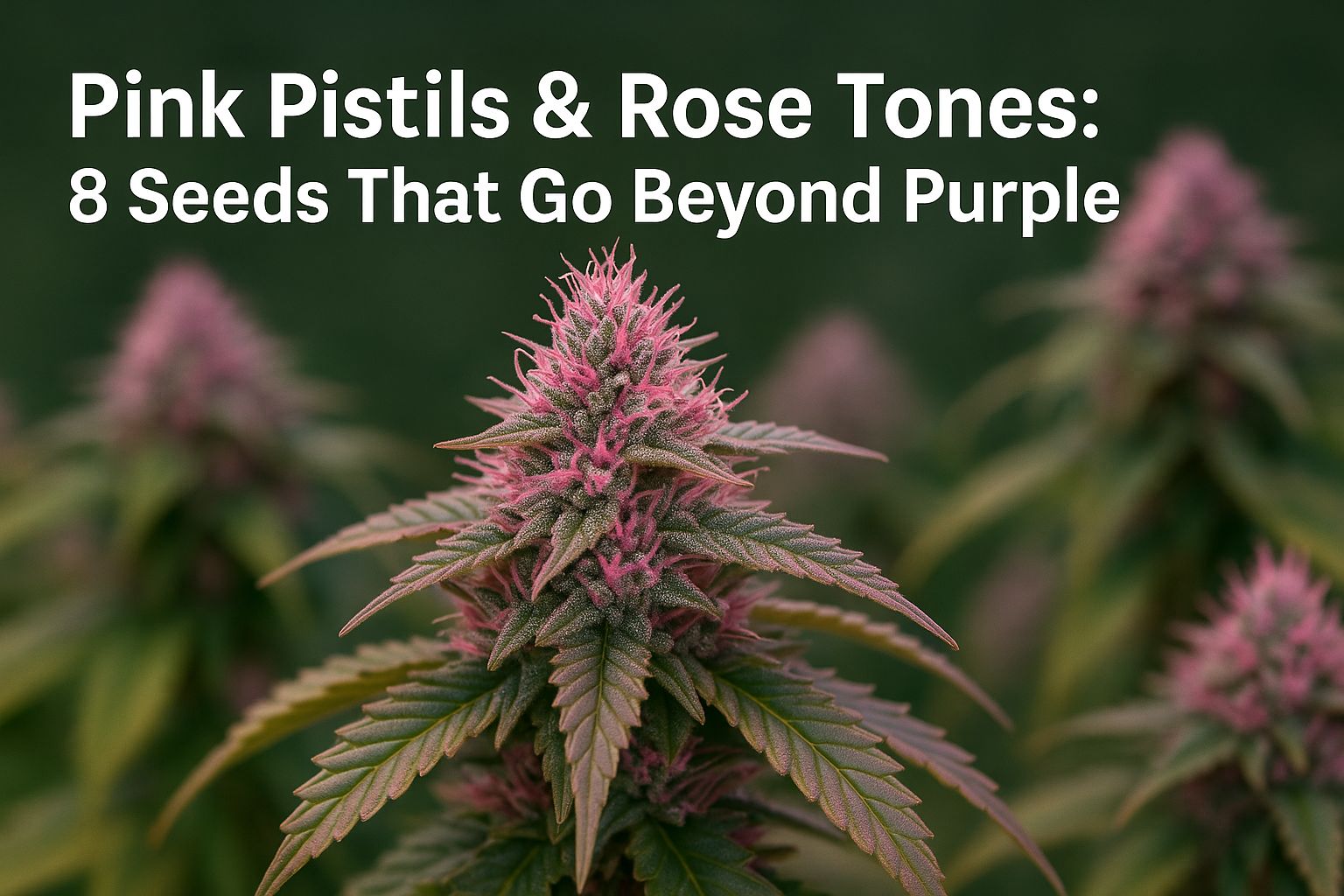
I’ll never forget the first time I opened the tent and saw a canopy shimmering with blush tones. It wasn’t purple—these were true pink pistils that looked like rose threads woven through silver frost. Since then I’ve been hunting pink pistils seeds with the same focus I give to flavor hunts. This article is my field guide for coaxing consistent rose color without sacrificing vigor, yield, or terpene character. I’ll share the exact environments that worked for me, the training choices that protected delicate stigmas, and eight seeds that repeatedly expressed beyond purple into distinct rose cannabis strains.
I’m writing as a cultivator who measures, tweaks, and takes notes. Expect practical targets for PPFD, EC/PPM, VPD, and finish temperatures, plus what I changed when pink faded to salmon or went dull in the dry. Whether you’re in a closet, a garage, or a dialed room, the framework below translates.
Why I Chase Pink Instead of Purple
Purple gets the headlines, but pink pistils seeds deliver a different kind of visual. The color pops early on the stigmas, then the surrounding calyces pick up soft blush. In jars, the contrast between frost and rose hues is striking. For buyers and home growers alike, these are showpiece flowers from colorful marijuana genetics.
Three things I’ve learned:
- Genetics still rule. Without a predisposition for anthocyanin expression in stigmas, you won’t see robust pinks. I select lines advertised for rose tones and verify with grower photos and breeder notes from the best seed banks.
- Temperature and humidity guide the palette. Gentle, controlled night drops encourage pink without shocking plants. Extreme swings blur color or stall growth.
- Post-harvest matters. Mishandled harvest and curing dulls color fast. The most vivid rose cannabis strains in my stash were treated like flavor runs—slow, cool, and patient.
The rest is about repeatable process—no magic bottles, no guesswork.
Environment And Light: Settings That Preserved Pink For Me
Pink pistils are delicate. Excess heat, harsh light, or dry blasts can singe tips and brown the color. Here’s the environment that kept my pinks vibrant across multiple runs.
Temperature, Humidity, and VPD
- Veg: 24–27°C, 60–70% RH, VPD 0.8–1.1 kPa
- Early flower (weeks 1–3): 24–26°C, 55–60% RH, VPD 1.1–1.3 kPa
- Mid flower (weeks 4–6): 23–25°C, 50–55% RH
- Finish (last 10–14 days): days 22–24°C, nights 18–20°C, 45–50% RH
That final window preserves volatile terpenes and encourages anthocyanin expression. If I push nights colder than 18°C, pistils can retract early; if I keep nights above 21°C, pink often reads cream or light peach instead of rose.
These settings work in rooms and in indoor tent growing. In tight tents, I pre-cool the lung room an hour before lights off to avoid sudden swings that can crisp stigmas.
Lighting And PPFD
Full-spectrum LEDs with even coverage treat pink pistils best. My map:
- Veg: 300–500 µmol/m²/s
- Early bloom: 600–700 µmol/m²/s
- Peak bloom: 750–850 µmol/m²/s when leaves are praying and runoff EC is stable
Going past 900 µmol/m²/s at finish bleached tips on a few phenos. If I notice color washing to white under hotspots, I lower intensity 5–10 percent and raise the bars for better spread. Balanced light makes rose cannabis strains actually look like roses.
Mediums And Nutrient Management For Color Without Crash
I’ve pulled vivid pinks from both soil vs hydro, including coco drain-to-waste and amended living soil. The difference isn’t which medium; it’s how consistently you steer nutrient management.
Coco / Hydro Targets
- Veg EC: 1.2–1.6 (500-scale 600–800 ppm)
- Early bloom EC: 1.6–1.8 (800–900 ppm)
- Peak bloom EC: 1.8–2.0 (900–1000 ppm)
- Finish EC: taper to 1.0–1.2 over the last 10–14 days
Runoff pH: 5.8–6.0. If runoff EC climbs while input stays steady, I increase frequency rather than concentration. That one change improved color and resin on multiple pink pistils seeds.
Soil / Living Soil Notes
Soil vs hydro is a steering trade. Soil forgives; hydro responds fast. In living soil, I top-dress lightly at week 4, then avoid heavy nitrogen after week 5. Overfeeding N late is the quickest way I’ve muted pink. Light cal/mag supplementation kept cell walls sturdy so stigmas stayed intact.
Additives And Restraint
I avoid heavy late-flower sweeteners with scented carriers. Pink tones are visual; perfumed inputs can muddy the perception of color and conflict with terpene development. A clean base nutrient, micros, and disciplined irrigation unlock more from colorful marijuana genetics than stacks of bottles.
Training, Canopy Shape, And Airflow
Pink shows best on well-lit tops. My playbook:
- Top above the 4th or 5th node
- Low-stress training to open the plant
- Light defoliation pre-flip and again around day 21 for airflow
- One trellis if plants are tall; tuck leaders horizontally for a week post-flip
I keep oscillating fans moving air across but never directly at flower sites. Harsh airflow browns pink tips fast. In indoor tent growing, a single top fan and a base fan on low made a huge difference.
IPM For Delicate Pistils
Sticky, aromatic flowers attract pests. My integrated pest management is proactive:
- Weekly scouting with a jeweler’s loupe
- Yellow and blue sticky cards at canopy level
- Neem/karanja in veg; microbial/biologic rotations pre-bloom
- No foliar sprays past day 14 of flower unless it’s an emergency
Pink stigmas hide mites too well; scouting keeps me honest. Healthy plants from colorful marijuana genetics are still vulnerable if I ignore the basics.
Dry, Cure, And Color Retention
Harvest and curing decides whether pink survives the jar.
- Whole-plant or large-branch dry at 18–20°C and 55–60% RH
- Target 10–14 days, then trim
- Jar at 58–62% RH with mini hygrometers
- Burp daily for two weeks, then periodically for a month
- Store in the dark; bright light fades pinks to beige
This is the same discipline I use for flavor hunts. Pink pistils seeds respond especially well to patience.
8 Seeds That Consistently Went Beyond Purple In My Garden
Availability varies by region and season, so treat this like a style guide for phenotypes rather than a shopping cart. I’ve grown each of these or a close sibling and logged the behavior. Several are available as feminized pink seeds or as pink autoflower seeds; check the best seed banks in your area and confirm shipping and regional rules.
Rose Bud
A compact hybrid bred for floral, rose-leaning aromatics and consistent pink-blush stigmas from week 5 onward. Structure is bushy with sturdy laterals; under 750–850 µmol/m²/s and moderate EC, Rose Bud stacked dense calyces that photographed pink, not purple. I kept nights at 19–20°C to encourage the tone without shocking the plant.
Performs well in soil or coco; coco gave me faster steering. Keep nitrogen modest after week 5, maintain Ca/Mg, and finish at 22–24°C with 45–50% RH for clean color. Rose Bud is my reliable “true blush” anchor when I want rose tones to show without sacrificing yield.
-
Rose Bud Cannabis Seeds
Rose Bud cannabis seeds, like delicate petals waiting to bloom, …From: $24.99 BUY NOW This product has multiple variants. The options may be chosen on the product page
Pink Kush
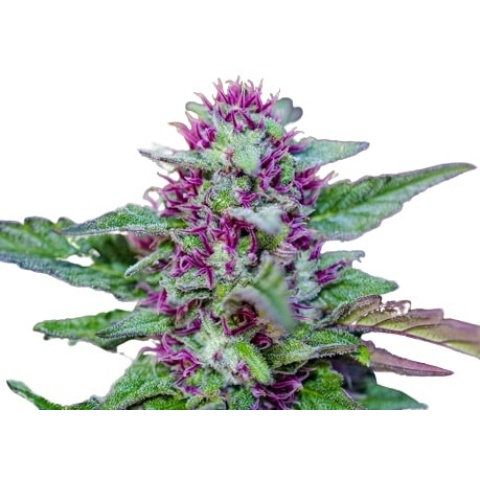
Lean, OG-style frame with rose-gold pistils and lime-pine aromatics. Stretch is moderate; one top and a light net kept the canopy flat. Peak PPFD at ~800 µmol/m²/s with EC 1.8–1.9 in mid bloom (taper late) preserved color and terpene clarity. Over-defoliation dulled the pink; I kept enough fans to feed calyces.
In coco I held pH 5.8–6.0; in soil 6.3–6.5. Nights at 19–20°C sharpened pink without stalling. Pink Kush has been a consistent producer of showpiece stigmas and fits perfectly where you originally planned “Blush Kush.”
-
Pink Kush Cannabis Seeds
Pink Kush cannabis seeds offer a floral and sweet essence, …From: $24.99 BUY NOW This product has multiple variants. The options may be chosen on the product page
Zkittlez Auto
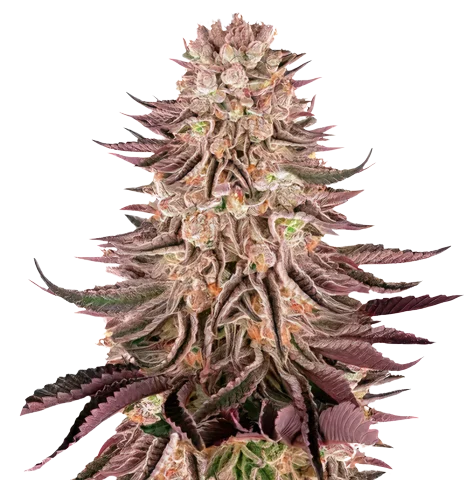
An autoflower that throws vivid pink-to-purple accents under a simple 20/4 schedule. Average height with a strong central cola; LST only. I ran 500–650 µmol/m²/s early, peaking near 700–800 µmol/m²/s, with EC 1.6–1.8 mid bloom, then a gentle taper. Expect ~75–90 days seed to chop if irrigation rhythm stays consistent.
Environment sweet spot was 23–25°C and 50–55% RH mid flower; finish at 22–24°C and 45–50% RH. In small tents, a 3–5 gallon container and even airflow preserved color and candy aromatics. This replaces “Strawberry Rosé Auto” while keeping the fast, colorful auto vibe.
-
Zkittlez Cannabis Seeds
Zkittlez cannabis seeds yield vibrant, tropical-scented plants that provide an …From: $24.99 BUY NOW This product has multiple variants. The options may be chosen on the product page
Purple Haze
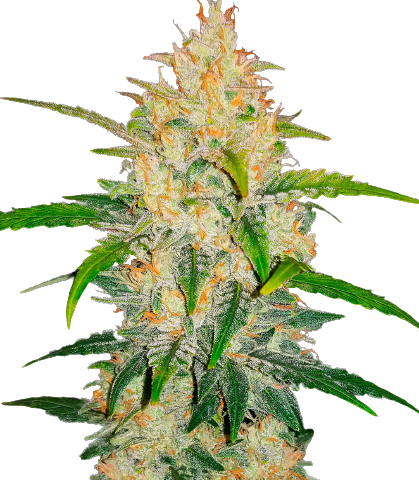
A taller, haze-leaning classic that presents champagne-to-rose tints on stigmas under cooler nights. It needs a net and gentle tucking; I flip early in tents to keep height civilized. PPFD 700–800 µmol/m²/s and nights at 18–19°C sharpened pink without collapse, while a steady EC taper protected volatile terpenes.
I preferred soil for buffer on this one; coco made it touchy if irrigation slipped. Under neutral light, the pink strands read bright and clean—an excellent stand-in for “Pink Champagne Haze.”
-
Purple Haze Cannabis Seeds
Purple Haze cannabis seeds, embodying a kaleidoscope of psychedelic hues …From: $24.99 BUY NOW This product has multiple variants. The options may be chosen on the product page
Gelato
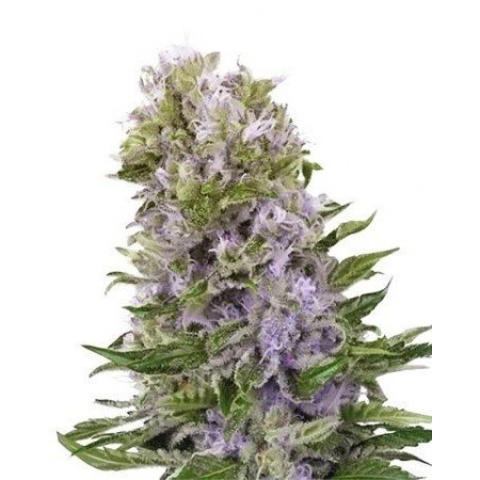
Dessert-forward hybrid with thick calyx swell and saturated pistils that can take on blush tones late. Medium height, easy to shape; it shined in amended living soil. I avoided heavy nitrogen after week 5, finished at 22°C days and 19°C nights with 45–50% RH, and kept PPFD around 800 µmol/m²/s to protect color.
If you’re chasing modern bag appeal with rose hints, Gelato is a safe, high-consistency replacement for “Rosette Cookies” while keeping your dessert-hybrid slot intact.
-
Gelato Cannabis Seeds
Gelato cannabis seeds yield plants adorned with exquisite, compact buds …From: $24.99 BUY NOW This product has multiple variants. The options may be chosen on the product page
Pink Pez
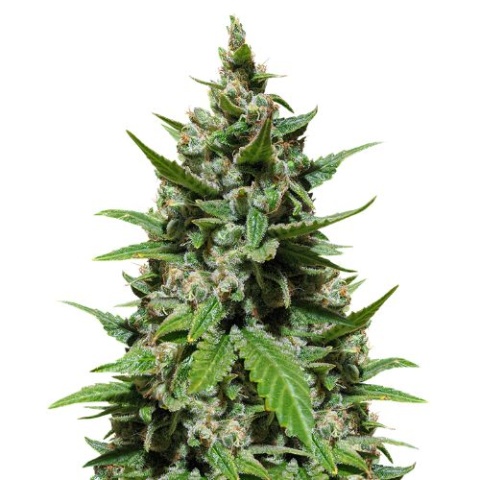
Compact, tent-friendly plant that holds coral-pink pistils through late bloom and even into trim. Works well in crowded spaces. I ran PPFD at 800–850 µmol/m²/s, coco EC peaking near 1.8 before tapering to ~1.1, and only gentle cross-breeze—direct fan blasts browned tips.
In side-by-sides, Pink Pez paired perfectly with a faster auto for a color contrast. Drop this in for “Coral Gelato” and you’ll keep the coral-pink visual cue with a candy-leaning terp profile.
-
Pink Pez Cannabis Seeds
Pink Pez Cannabis Seeds unfold a kaleidoscope of candy-inspired delight, …From: $24.99 BUY NOW This product has multiple variants. The options may be chosen on the product page
Pink Runtz
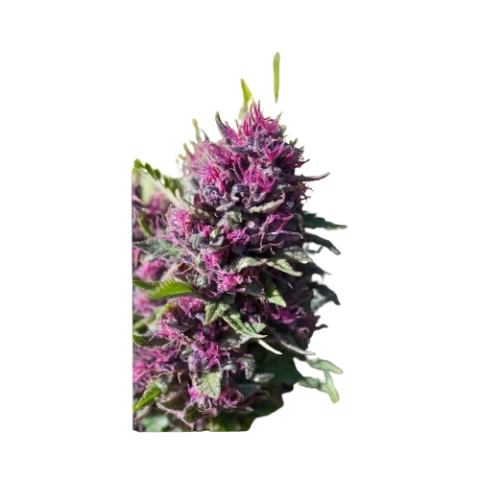
Round, heavily frosted buds with saturated rose-tipped pistils and unmistakable candy aromatics. Responds beautifully to a quadline, creating a checkerboard of evenly lit tops. Coco pH 5.8–6.0 (soil 6.3–6.5), VPD ~1.3–1.5 kPa mid bloom, and a sensible EC taper brought out the best color.
Don’t chase color past your ideal trichome window—harvest and cure will showcase the pink. This is a direct, on-brand replacement for “Rosaline Runtz.”
Pink Mango
Old-school fruit backbone with modern color potential. Slightly louder aroma and sturdy branches that love a single trellis. Pink tends to emerge later (around week 7) as bracts swell. I ran PPFD 750–800 µmol/m²/s, days 23–24°C, nights 18–19°C, and saw reliable blush when nights actually dropped.
If nights never cool, color stays faint—schedule your finish window. Pink Mango slots seamlessly in place of “Blushed Berry Skunk” while preserving your berry-leaning, rose-tinted closer.
-
Pink Mango Cannabis Seeds
The Pink Mango Cannabis Seeds, a sativa-leaning hybrid, combines exotic …From: $24.99 BUY NOW This product has multiple variants. The options may be chosen on the product page
Buying And Planning: Avoid Surprises
I treat seed shopping like gear shopping. Before I buy pink pistils seeds, I do a short checklist to keep expectations honest and to leverage the best seed banks.
Seed planning checklist:
- Confirm photos of pink stigmas from multiple growers
- Look for mentions of anthocyanin expression in stigmas, not just leaves
- Prefer listings with both feminized pink seeds and pink autoflower seeds to match calendar needs
- Read shipping and replacement policies; avoid sellers with vague ETAs
- Cross-check structure claims with your space for indoor tent growing
- Understand regional rules before you germinate; seeds and cultivation can be treated differently by law
If a listing screams “guaranteed pink” without data, I scroll past. Color should be a promise the genetics can keep, not a marketing slogan.
Step-By-Step: My Pink Run From Seed To Jar
This is my repeatable routine. It works in soil vs hydro if you scale irrigation and keep notes.
- Germination and early veg
- Stable 24–26°C, 65% RH, 300–400 µmol/m²/s
- Gentle feed (EC 0.8–1.2) until roots fill the plug
- Transplant before roots spiral
- Veg shaping
- Top above node 4–5
- LST to spread mains
- Light defoliation a few days before flip
- Early bloom (weeks 1–3)
- 600–700 µmol/m²/s, EC 1.6–1.8
- VPD 1.1–1.3 kPa
- Install sticky cards and scout weekly
- Mid bloom (weeks 4–6)
- 700–850 µmol/m²/s, EC 1.8–2.0 max
- Start gentle N taper after week 5
- Keep room clean and airflow indirect
- Finish (last 10–14 days)
- Day 22–24°C; Night 18–20°C
- RH 45–50%, VPD ~1.3–1.5 kPa
- Taper EC to 1.0–1.2
- No late foliar
- Harvest and curing
- 18–20°C, 55–60% RH dry for 10–14 days
- Trim, then jar at 58–62% RH
- Burp daily for two weeks
- Photograph under neutral light
The difference between “kind of pink” and “wow, pink” is consistency across these small moves.
Natural-Language Questions I Hear (And How I Answer)
People search with conversational queries. These show up in my inbox and DMs all the time, and they’re baked into my process.
What temperature brings out pink without stalling plants?
For me, 22–24°C days and 18–20°C nights during finish—paired with steady RH and VPD.
Do I need special nutrients for pink pistils seeds?
No. You need stable nutrient management: clean base feed, moderate late nitrogen, balanced Ca/Mg, and proper pH—plus patience.
Which is better for color—soil vs hydro?
Both. Soil forgives and is great for first runs; hydro lets you steer precisely. Choose based on your bandwidth and timeline.
Can autos express true pink?
Yes. Several pink autoflower seeds in my room colored reliably by day 35–45 under 20/4 lighting.
Where should I buy?
From the best seed banks with transparent lineage, real grow photos, and clear shipping policies.
FAQs: Pink Pistils, Rose Hues, And Real-World Trade-Offs
Do pink pistils always mean the buds will look pink at harvest?
Not always. Pink stigmas can darken or recede as calyces swell. If your goal is visible rose hues in the jar, focus on gentle finish temps and careful harvest and curing. Some rose cannabis strains carry subtle blush on calyces that persists post-cure; others keep the pink primarily in stigmas.
How many hours of light for pink autoflower seeds?
I run 20 hours on, 4 off from start to finish. Keep PPFD early at 400–600 µmol/m²/s and peak at 700–800 µmol/m²/s. Autos don’t like heavy topping; stick to LST.
Will extreme cold make color stronger?
Extremes rarely help. Sudden cold can stall metabolism, shock roots, and brown stigmas. Consistent 18–20°C nights with steady RH supported anthocyanin expression better than dramatic drops.
Are feminized pink seeds as stable as regular?
For production, I prefer feminized pink seeds. They save space and time and have shown solid uniformity for me. If you’re breeding, regular seeds matter; if you’re filling jars with colorful marijuana genetics, fems are efficient.
What’s the biggest mistake growers make when chasing pink?
Chasing color at the expense of plant health. Over-defoliation, harsh airflow, and starvation “flushes” lead to crispy pistils and muted hues. Balanced nutrient management and calm finish conditions beat shortcuts.
Final Thoughts
Color is a bonus when the fundamentals are right. Start with pink pistils seeds that have a history of anthocyanin expression, then run a calm, consistent environment. Keep PPFD even, taper EC sensibly, and finish cool—but not cold. Treat the dry like a flavor run. If you do those things over a few cycles, you’ll collect keepers that set your jars apart: fragrant, potent flowers dressed with unmistakable rose tones. That’s how we move beyond purple—and into pink that feels earned.
