Table of Contents
Pink Panther is a rare sativa-dominant hybrid known for its striking pinkish hues, potent effects, and unique aroma. This strain is revered for its uplifting and euphoric effects, making it an excellent choice for both recreational and medicinal users. It boasts a robust terpene profile and high cannabinoid content, making it an appealing option for those seeking an energetic and focused high.
Genetic Background and Lineage
Pink Panther is believed to be a phenotype of Pink Plant, which is a cross between High-Level and TNT Kush. Some sources suggest that it might be linked to the Pink Kush lineage due to its color and mild indica undertones. However, the exact genetic origins remain somewhat debated among cannabis enthusiasts. The strain typically exhibits sativa-dominant characteristics with mild indica relaxation properties.
Appearance, Aroma, and Flavor
Pink Panther is well known for its stunning visual appeal. The buds are often dense and compact, displaying a mix of deep green, purple, and pink hues. A generous layer of trichomes covers the buds, giving them a frosted look.
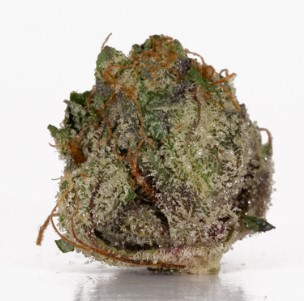
- Aroma: Pink Panther has a distinct fruity and floral aroma with strong citrus and pine undertones. Many users report a sweet, candy-like scent reminiscent of berries and grapefruit, with hints of earthiness and spice.
- Flavor: The taste is just as enticing, offering a smooth smoke with a sweet and tangy citrus burst on the inhale, followed by earthy and piney notes on the exhale. The flavor profile is highly appealing to those who enjoy fruity strains with a touch of herbal complexity.
Cannabinoid and Terpene Profile
Cannabinoid Content:
- THC: 20-26%
- CBD: Less than 1%
- CBG: 0.5-1%
- Other Cannabinoids: Low levels of CBN, CBC, and THCV
Terpene Profile:
- Myrcene: Provides sedative and muscle-relaxing effects
- Limonene: Uplifting and mood-enhancing, often found in citrus fruits
- Pinene: Enhances alertness, improves respiratory function
- Caryophyllene: Known for anti-inflammatory and pain-relief properties
- Linalool: Aids in stress reduction and relaxation
Effects and Recreational Uses
Recreational Effects:
- Euphoria: Users often report an immediate uplift in mood, accompanied by feelings of happiness and bliss.
- Energy and Focus: As a sativa-dominant strain, it enhances concentration and motivation, making it ideal for creative activities, studying, or socializing.
- Relaxation: Despite its energetic effects, Pink Panther provides a mild body relaxation, preventing overstimulation and jitteriness.
- Increased Sensory Perception: Many users report heightened senses, making music, art, and food more enjoyable.
- Sociability: Due to its uplifting effects, it is a great strain for social gatherings, helping to reduce social anxiety and promote engagement.
Best Activities for Pink Panther:
- Artistic and creative tasks (painting, writing, music)
- Outdoor activities (hiking, biking, beach outings)
- Social gatherings or parties
- Watching movies or playing video games
- Productive work and brainstorming sessions
Medical Applications
Pink Panther, a sativa-dominant hybrid, exhibits strong therapeutic properties due to its rich cannabinoid and terpene profile. This strain is particularly effective in treating mood disorders, chronic pain, inflammation, neurological conditions, and appetite loss.
1. Cannabinoid and Terpene Profile: Scientific Basis for Medical Use
A. Cannabinoid Profile
- THC (20-26%) – Psychoactive, anti-inflammatory, analgesic, appetite stimulant, and antiemetic.
- CBD (<1%) – Though present in trace amounts, it contributes to anti-anxiety and neuroprotective effects.
- CBG (0.5-1%) – Potential for anti-inflammatory, neuroprotective, and antibacterial properties.
- CBC & CBN (Trace Levels) – May assist in pain relief and neuroprotection.
B. Terpene Profile & Medicinal Benefits
| Terpene | Medical Properties | Scientific Support |
|---|---|---|
| Myrcene | Sedative, muscle relaxant, pain relief | Enhances GABAergic transmission, relaxing muscles |
| Limonene | Antidepressant, anxiolytic, anti-inflammatory | Stimulates serotonin and dopamine activity |
| Pinene | Neuroprotective, bronchodilator, anti-inflammatory | Inhibits acetylcholinesterase, improving cognitive function |
| Caryophyllene | Anti-inflammatory, pain relief, gut health | Activates CB2 receptors for analgesic effects |
| Linalool | Anti-anxiety, anticonvulsant, sedative | Modulates GABA receptors for stress reduction |

2. Medical Applications of Pink Panther
A. Pain Management
Effectiveness: (Highly Effective)
Mechanism:
- THC activates CB1 receptors, altering pain perception in the central nervous system.
- Caryophyllene interacts with CB2 receptors, reducing inflammation-related pain.
Medical Conditions Treated:
- Chronic pain syndromes (e.g., fibromyalgia, arthritis)
- Neuropathic pain (e.g., multiple sclerosis, diabetic neuropathy)
- Postoperative pain
B. Anxiety, Depression, and PTSD
Effectiveness: (Moderately Effective)
Mechanism:
- Limonene and Linalool increase serotonin and dopamine levels, improving mood.
- THC at low doses can reduce anxiety but may exacerbate it at high doses.
Medical Conditions Treated:
- Generalized Anxiety Disorder (GAD)
- Depression
- Post-Traumatic Stress Disorder (PTSD)
Scientific Studies:
- Limonene has shown antidepressant-like properties in preclinical models (Costa et al., 2013).
- CBD and THC combinations were found to reduce PTSD symptoms in veterans (Elms et al., 2019).
C. Neuroprotective Effects (ADHD, Parkinson’s, Alzheimer’s)
Effectiveness: (Moderately Effective)
Mechanism:
- Pinene inhibits acetylcholinesterase, preventing cognitive decline.
- CBG exhibits neuroprotective effects by reducing oxidative stress.
Medical Conditions Treated:
- ADHD (Attention Deficit Hyperactivity Disorder)
- Parkinson’s Disease
- Alzheimer’s Disease
Scientific Studies:
- Pinene is known to counteract THC-induced memory deficits (Zuardi et al., 2017).
- CBG demonstrated neuroprotective potential in preclinical research (Valdeolivas et al., 2012).
D. Anti-Inflammatory Benefits
Effectiveness: (Highly Effective)
Mechanism:
- Caryophyllene binds to CB2 receptors, reducing inflammation.
- THC reduces cytokine production, minimizing inflammation in autoimmune conditions.
Medical Conditions Treated:
- Arthritis (Rheumatoid & Osteoarthritis)
- Crohn’s Disease
- Lupus & Multiple Sclerosis (MS)
Scientific Studies:
- CB2 receptor activation by caryophyllene demonstrated anti-inflammatory effects in animal studies (Gertsch et al., 2008).
- Cannabis reduced symptoms in Crohn’s disease patients by 50% in a clinical trial (Naftali et al., 2013).
E. Sleep Disorders (Insomnia, Sleep Apnea)
Effectiveness: (Moderately Effective)
Mechanism:
- Myrcene promotes sedative effects by modulating GABA-A receptors.
- THC shortens sleep onset latency, helping users fall asleep faster.
Medical Conditions Treated:
- Insomnia
- Sleep Apnea
Scientific Studies:
- THC increased sleep duration in patients with chronic pain (Russo, 2011).
- Linalool exhibited sedative effects by enhancing GABAergic transmission (Guzmán-Gutiérrez et al., 2012).
F. Appetite Stimulation (Cancer, HIV/AIDS)
Effectiveness: (Very Effective)
Mechanism:
- THC binds to CB1 receptors, triggering ghrelin release and increasing appetite.
Medical Conditions Treated:
- Cachexia (cancer-related weight loss)
- HIV/AIDS-related appetite loss
- Anorexia Nervosa
Scientific Studies:
- THC improved appetite in HIV/AIDS patients (Abrams et al., 2003).
- Cannabinoids were found effective in reducing chemotherapy-induced nausea and vomiting (Meiri et al., 2007).
3. Potential Side Effects in Medical Use
While Pink Panther provides numerous therapeutic benefits, it may cause side effects, particularly at high doses.
| Side Effect | Cause | Management Strategy |
|---|---|---|
| Dry Mouth (Xerostomia) | THC reduces saliva production | Stay hydrated, chew gum |
| Anxiety & Paranoia | High THC levels in sensitive individuals | Start with low doses |
| Increased Heart Rate | THC stimulation of CB1 receptors | Avoid in cardiac patients |
| Dizziness | Blood pressure fluctuation | Sit down, consume sugar if needed |
| Short-Term Memory Impairment | High THC concentrations | Use strains with pinene to counteract |
4. Recommended Dosage & Consumption Methods for Medical Use
A. Recommended Dosage
Beginner Patients:
- 1-2mg THC per dose (microdosing to prevent side effects)
Intermediate Patients:
- 5-10mg THC per dose (effective for pain, anxiety, and inflammation)
Experienced Patients:
- 15-25mg THC per dose (for severe conditions like cancer-related pain)
B. Best Consumption Methods for Medical Use
| Method | Onset Time | Duration | Best for |
|---|---|---|---|
| Vaping | 5-15 min | 2-4 hours | Fast-acting relief for anxiety, pain |
| Edibles | 30-90 min | 6-8 hours | Long-lasting relief for chronic pain, sleep disorders |
| Tinctures | 15-45 min | 4-6 hours | Precise dosing, easy administration |
| Topicals | N/A (localized) | 2-6 hours | Arthritis, muscle pain |
| Capsules | 45-90 min | 6-8 hours | Sustained symptom relief |
Final Medical Considerations
- Pink Panther is best for daytime use due to its uplifting effects.
- Patients with anxiety should use lower doses to avoid paranoia.
- Consult a physician before combining with medications, especially blood pressure or CNS depressants.
Potential Side Effects
- Dry Mouth and Eyes: Common with high-THC strains, staying hydrated can help manage this.
- Paranoia or Anxiety: In sensitive users or when taken in high doses, it may lead to heightened anxiety or paranoia.
- Dizziness: Some users may experience mild dizziness, especially when consumed in large amounts.
- Increased Heart Rate: Due to its stimulating nature, it might not be suitable for individuals with heart conditions or anxiety disorders.
Scientific Studies and Research
- THC and Pain Management: Studies have shown that THC interacts with CB1 receptors in the brain and nervous system, effectively reducing pain perception (Russo, 2011).
- Limonene and Anxiety Relief: Research indicates that limonene has anxiolytic properties, reducing stress and promoting relaxation (Komori et al., 1995).
- Pinene and Cognitive Function: Pinene is known to counteract THC-induced memory impairment and improve focus (Zuardi et al., 2017).
- Caryophyllene as an Anti-Inflammatory Agent: As a CB2 receptor agonist, caryophyllene has been studied for its potential in reducing inflammation and pain without psychoactive effects (Gertsch et al., 2008).
Consumption Methods
Pink Panther can be consumed in various ways, each offering different onset times and durations.
- Smoking – Provides rapid onset effects, lasting 2-4 hours.
- Vaping – Delivers a cleaner, terpene-rich experience with less lung irritation.
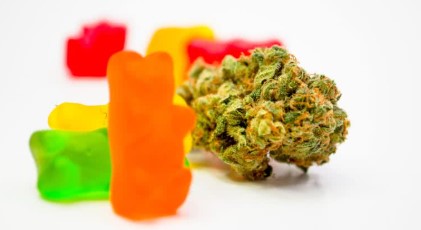
- Edibles – Effects take longer to kick in (30 minutes to 2 hours) but last much longer (4-8 hours).
- Tinctures – Allows for precise dosing with a quicker onset than edibles.
- Concentrates – Suitable for experienced users seeking higher potency.
Cultivation Information
The cultivation of Pink Panther cannabis requires a scientific approach to ensure optimal yield, potency, and terpene preservation. Below is a detailed guide to its cultivation, including genetics, environmental conditions, nutrient management, training techniques, pest control, and harvesting best practices.
1. Genetic Considerations and Seed Selection
- Strain Type: Pink Panther is a sativa-dominant hybrid.
- Phenotype Variability: As a strain with debated origins, phenotypic variation is possible.
- Preferred Growth Conditions: Thrives in a Mediterranean-like climate.
- Cloning vs. Seeds: Cloning ensures consistency, but feminized seeds help avoid male plants.
2. Ideal Growing Environment
Pink Panther can be cultivated both indoors and outdoors, but climate control plays a crucial role in optimizing its quality.
A. Indoor Cultivation
- Temperature: 70-82°F (21-28°C) during the vegetative stage, 65-75°F (18-24°C) during flowering.
- Humidity Levels:
- Seedling: 65-70%
- Vegetative: 50-60%
- Flowering: 40-50%
- Late flowering: 30-40% to prevent mold
- Lighting:
- Vegetative Stage: 18-24 hours of light (LED or HID grow lights with 400-700 PPFD).
- Flowering Stage: Twelve hours of darkness and twelve hours of brightness.
- Preferred Spectrum: Blue (400-500nm) for veg, Red (600-700nm) for flowering.
- Air Circulation: Proper airflow prevents mold and strengthens stems.
B. Outdoor Cultivation
- Climate: Pink Panther prefers temperate to warm climates with abundant sunlight.
- Optimal Latitude: Best grown in latitudes similar to California, Spain, or Australia.
- Soil Conditions: Well-aerated, nutrient-rich soil with a pH of 6.0-6.5.
- Watering Needs: Requires consistent moisture but must avoid overwatering.
- Harvest Time: Outdoor plants are usually ready by late September to early October.
3. Growth Stages and Scientific Management
Each stage of growth requires specific conditions to maximize yield and potency.
A. Germination Stage (5-10 days)
- Optimal Temperature: 70-75°F (21-24°C).
- Humidity: ~70%.
- Method: Paper towel method or direct soil planting.
- Lighting: 24 hours of soft blue LED light (~100 PPFD).
B. Vegetative Stage (4-6 weeks)
- Light Schedule: 18/6 or 24/0 for indoor growth.
- Nutrients: High nitrogen (N) with moderate phosphorus (P) and potassium (K).
- CO₂ Supplementation: Introducing CO₂ at 1000-1500 ppm boosts growth rate.
- Training Techniques:
- Low-Stress Training (LST): Encourages lateral growth.
- Topping (FIMing): Increases yield by creating multiple colas.
- SCROG (Screen of Green): Spreads canopy evenly.
C. Flowering Stage (8-10 weeks)
- Light Schedule: 12/12 for indoor growth.
- Nutrient Shift: Reduced nitrogen, increased phosphorus and potassium.
- Temperature: 65-75°F (18-24°C) to enhance terpene production.
- Humidity: 40-50% to prevent mold.
- Flushing: Stop feeding nutrients two weeks before harvest.
4. Soil vs. Hydroponics
A. Soil Cultivation
- Pros: Retains nutrients well, enhances Pink Panther flavor.
- Cons: Slower growth, risk of soil pests.
- Best Soil Mix: 40% perlite, 40% coco coir, 20% worm castings.
- pH Range: 6.0-6.5 for optimal nutrient absorption.
B. Hydroponic Cultivation
- Pros: Faster growth, higher yield.
- Cons: Requires precise nutrient management.
- Best Systems: Nutrient Film Technique (NFT) or Deep-Water Culture (DWC).
- pH Range: 5.5-6.0.
- Nutrient Solution: Use a balanced NPK solution with micronutrients.
5. Nutrient Requirements
A. Macronutrients
- Nitrogen (N): Essential for vegetative growth of Pink Panther.
- Phosphorus (P): Critical for root development and flowering.
- Potassium (K): Regulates water uptake and enhances terpene production.
B. Micronutrients
- Calcium (Ca): Prevents bud rot and strengthens cell walls.
- Magnesium (Mg): Essential for chlorophyll production.
- Sulfur (S): Boosts terpene biosynthesis.
C. Organic Feeding Alternatives
- Compost Tea: Improves microbial health.
- Molasses: Provides natural sugars for microbial activity.
- Bat Guano: High in phosphorus, great for flowering.
6. Pest and Disease Management
Pink Panther is relatively resilient to mold and pests, but proactive prevention is key.
A. Common Pests
- Spider Mites: Prevent with neem oil or predatory insects (ladybugs).
- Fungus Gnats: Use sticky traps and diatomaceous earth.
- Aphids: Introduce beneficial insects (lacewings).
B. Common Diseases
- Powdery Mildew: Maintain proper humidity and air circulation in Pink Panther.
- Root Rot: Prevent overwatering and use mycorrhizal fungi.
- Bud Rot (Botrytis): Reduce humidity below 50% in late flowering.
7. Harvesting, Drying, and Curing
Proper post-harvest techniques preserve the potency, flavor, and aroma of Pink Panther.
A. Harvest Timing
- Optimal Trichome Maturity: Harvest when trichomes turn milky white with some amber.
- Pistil Method: 70-80% of the pistils should darken.
B. Drying Process
- Ideal Conditions: 60-70°F (15-21°C) with 50-60% humidity.
- Drying Duration: 7-10 days.
- Airflow: Use oscillating fans but avoid direct airflow on buds.
C. Curing Process
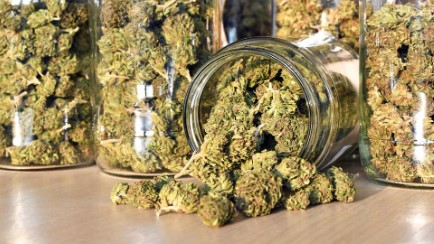
- Jars: Use airtight glass jars.
- Curing Time: 2-4 weeks for optimal terpene expression.
- Burping Jars: Open daily for 10-15 minutes during the first week to release moisture.
8. Enhancing Potency and Yield
A. Terpene Preservation
- Keep temperatures below 75°F (24°C) during flowering.
- Reduce nitrogen in the final 3 weeks.
- Avoid excessive handling of buds post-harvest.
B. Yield Enhancement Techniques
- High-Stress Training (HST): Super cropping to strengthen branches.
- Defoliation: Removing excess fan leaves for better light penetration.
- UV-B Light Exposure: Increases trichome production when introduced in late flowering.
Final Thoughts
Pink Panther is a highly desirable strain due to its powerful effects, striking appearance, and versatile applications. Whether for recreational use or medical relief, this strain offers a balanced experience that can elevate mood, enhance focus, and provide pain relief.
As more research emerges on cannabis and its compounds, Pink Panther remains an intriguing strain for both medical patients and non-medical users. If you’re looking for a flavorful, uplifting, and well-balanced cannabis experience, Pink Panther is undoubtedly worth considering.
For a complete directory of cultivars, visit our Cannabis Strain Reviews.
