Table of Contents
Pink Death Star is a potent indica-dominant hybrid that combines the genetics of Death Star and Pink Kush. With a high THC content ranging between 22% and 29%, this strain is known for its powerful sedative effects, intense euphoria, and profound relaxation. Its origins stem from two highly regarded strains, making it a favorite among both medical and recreational cannabis users.
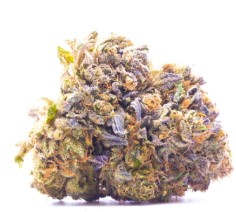
The aroma and flavor profile of Pink Death Star are striking, offering a mix of earthy, spicy, and sweet undertones, with a hint of diesel inherited from Death Star. The buds are dense, coated with trichomes, and exhibit deep purple and pink hues, which contribute to its name.
Comprehensive Scientific Information on Pink Death Star
Genetic Lineage and Classification
- Genetics: Death Star x Pink Kush
- Species: Cannabis Hybrid (Indica-Dominant)
- Dominance Ratio: Approximately 80% Indica / 20% Sativa
- THC Levels: 22% – 29%
- CBD Levels: Typically under 1%
- Terpene Profile: Rich in Myrcene, Caryophyllene, Limonene, and Humulene
Terpene Profile and Effects
- Myrcene – Primary terpene responsible for Pink Death Star’s sedative and couch-lock effects. Myrcene contributes to its earthy and musky aroma.
- Caryophyllene – Adds a spicy, peppery flavor and interacts with CB2 receptors in the endocannabinoid system, potentially offering anti-inflammatory benefits.
- Limonene – Provides citrus-like notes and promotes uplifting, anti-stress properties.
- Humulene – Known for its earthy and woody scent, Humulene may have appetite-suppressant properties.
Growth Information
Pink Death Star is a high-potency indica-dominant strain, requiring specific environmental conditions, precise nutrient balance, and proper care for optimal growth. Below is a detailed breakdown of the best cultivation methods, including indoor, outdoor, and hydroponic setups.
1. Ideal Growing Conditions for Pink Death Star
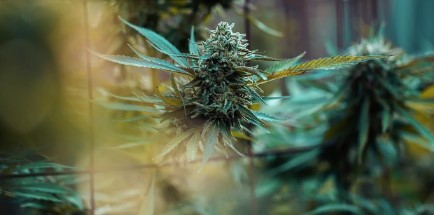
Pink Death Star thrives best in a controlled environment, making indoor cultivation the most effective method. However, it can also grow well outdoors in warm, Mediterranean-like climates.
Optimal Growth Parameters
| Factor | Ideal Condition |
|---|---|
| Temperature | 70-80°F (21-27°C) during the day, ~65°F (18°C) at night |
| Humidity Levels | Vegetative Stage: 50-60% Flowering Stage: 40-50% Late Flowering: 30-40% |
| Light Cycle (Indoor) | Vegetative: 18/6 (18 hours light, 6 hours dark) Flowering: 12/12 |
| Soil pH | 6.0 – 6.5 |
| Watering Schedule | When the top 1-2 inches of soil are dry (avoid overwatering) |
| Nutrient Needs | High Nitrogen (Veg), High Phosphorus & Potassium (Flowering) |
| Airflow & Ventilation | Strong ventilation required to prevent mold |
| Training Methods | LST, Topping, SCROG recommended |
2. Indoor Cultivation of Pink Death Star
Grow Room or Grow Tent Setup
- Lights: Use high-intensity discharge (HID) lights like HPS (High-Pressure Sodium) or full-spectrum LEDs.
- Ventilation: Install inline fans and carbon filters to manage humidity and odor.
- Air Circulation: Use oscillating fans to prevent mold growth on dense buds.
Medium Selection: Soil vs. Hydroponics
- Soil (Organic or Super Soil)
- Ideal for beginners.
- Rich in microbial life, improving terpene production.
- Use perlite, coco coir, and compost mix for aeration and nutrient retention.
- Hydroponics (Deep Water Culture, Drip System)
- Increases growth rate and yields by 20-30%.
- Requires pH monitoring (5.5-6.0) and nutrient adjustments.
- Best for experienced growers.
Vegetative Stage (3-6 weeks)
- Lighting: 18/6 cycle with strong 6500K blue spectrum lights.
- Nutrients: High nitrogen (N) to promote foliage development.
- Temperature: 70-80°F (21-27°C).
- Training Techniques: Apply Low-Stress Training (LST) and Topping to create multiple bud sites.
Flowering Stage (8-10 weeks)
- Lighting: Switch to 12/12 cycle with 2700K red spectrum lights.
- Nutrients: Increase Phosphorus (P) and Potassium (K), reduce nitrogen.
- Humidity Control: Keep humidity at 40-50% to prevent bud rot.
- Support Structure: Use stakes or a Screen of Green (SCROG) method due to dense bud formation.
3. Outdoor Cultivation of Pink Death Star
- Best suited for warm climates (California, Spain, Mediterranean regions).
- Requires direct sunlight for at least 8+ hours a day.
- Grows well in organic soil enriched with compost and worm castings.
- May need greenhouse protection in colder climates.
- Requires natural pest control methods like neem oil to prevent infestations.
Outdoor Timeline
| Stage | Duration | Key Requirements |
|---|---|---|
| Seedling | 2-3 weeks | High humidity (60%), indirect sunlight |
| Vegetative | 4-6 weeks | Full sun, nitrogen-rich feeding |
| Pre-Flowering | 1-2 weeks | LST for even canopy |
| Flowering | 8-10 weeks | Phosphorus & potassium boost, humidity below 50% |
| Harvest | Late September – Mid October | Trichome color monitoring |
4. Hydroponic Cultivation of Pink Death Star
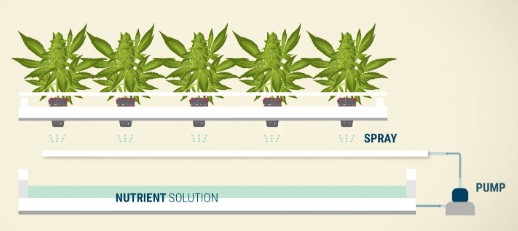
Hydroponics is an advanced soilless growing technique that accelerates growth and improves yield.
Hydroponic Methods Suitable for Pink Death Star
| Method | Description | Pros | Cons |
|---|---|---|---|
| Deep Water Culture (DWC) | Roots suspended in nutrient solution | Fast growth, high oxygenation | Requires constant monitoring |
| Ebb and Flow (Flood & Drain) | Periodic flooding of roots | Efficient water use, strong root system | Risk of pump failure |
| Drip System | Slow nutrient drips to roots | Precision feeding | Requires regular cleaning |
| Aeroponics | Nutrient mist sprayed directly on roots | Maximized oxygen intake | High-maintenance, costly |
Key Considerations in Hydroponics
- pH Levels: Maintain at 5.5-6.0.
- Nutrient Solution: Use a balanced NPK ratio (Veg: 3-1-2, Flower: 1-3-4).
- Oxygenation: Air stones and water pumps increase root health.
5. Harvesting & Curing for Maximum Potency
Harvesting Indicators
- Trichome Color: Harvest when 50-70% are milky white for peak potency.
- Pistils: At least 60-80% of the hairs should turn orange/red.
- Smell & Density: Buds should emit a strong, skunky, and spicy aroma.
Drying Process (7-14 days)
- Temperature: 60-70°F (15-21°C).
- Humidity: 50% to prevent mold.
- Method: Hang buds upside down in a dark, well-ventilated space.
Curing Process (2-6 weeks)
- Store in glass jars at 60-65% RH (Relative Humidity).
- For the first week, open the jars every day to let the moisture out.
- Fully cured buds develop a stronger flavor, smoother smoke, and enhanced potency.
6. Common Growing Problems & Solutions
1. Nutrient Deficiencies
| Deficiency | Symptoms | Solution |
|---|---|---|
| Nitrogen | Yellowing leaves in veg stage | Increase nitrogen feeding |
| Phosphorus | Stunted growth, dark purple leaves | Add phosphorus-rich bloom nutrients |
| Potassium | Weak stems, burnt leaf edges | Use potassium sulfate |
2. Mold & Bud Rot
- Prevented by maintaining proper airflow and low humidity.
- Prune lower leaves to increase ventilation.
3. Pests
- Spider Mites & Aphids: Use neem oil or ladybugs.
- Fungus Gnats: Dry soil between waterings, use sticky traps.
Medical Uses of Pink Death Star
Pink Death Star is a high-THC indica-dominant hybrid with potent medicinal properties, primarily due to its cannabinoid and terpene profile. Below is a detailed scientific breakdown of its medical benefits, including the conditions it treats, the mechanisms of action, and clinical correlations.
1. Primary Cannabinoids & Their Medical Benefits
Pink Death Star is rich in THC and contains minor amounts of CBD and CBG, which contribute to its therapeutic effects.
| Cannabinoid | Concentration | Medical Effects |
|---|---|---|
| THC (Δ9-Tetrahydrocannabinol) | 22-29% | Pain relief, anti-inflammatory, appetite stimulant, sedative, muscle relaxant |
| CBD (Cannabidiol) | <1% | Neuroprotective, anti-inflammatory, anxiety relief |
| CBG (Cannabigerol) | 0.1-0.5% | Anti-inflammatory, potential antibacterial and neuroprotective properties |
Mechanism of Action
- THC binds to CB1 receptors in the brain, affecting pain perception, sleep regulation, and mood.
- CBD interacts with CB2 receptors, contributing to anti-inflammatory and neuroprotective effects.
- CBG acts on both CB1 and CB2 receptors, potentially enhancing pain relief and reducing inflammation.
2. Medical Applications of Pink Death Star
Due to its potent sedative and analgesic effects, Pink Death Star is commonly used for mental health issues, sleep issues, and chronic discomfort.
A. Chronic Pain Management
Pink Death Star is particularly effective for pain relief due to its high THC content and presence of myrcene and caryophyllene, both of which have analgesic and anti-inflammatory properties.
Conditions Treated:
- Neuropathic Pain (Fibromyalgia, Sciatica, Multiple Sclerosis)
- Chronic Pain Syndromes (Arthritis, Lower Back Pain)
- Cancer-Related Pain (Chemotherapy-Induced Pain)
- Migraines and Cluster Headaches
Scientific Evidence:
- A 2018 study in the Journal of Pain found that THC-rich cannabis strains reduce neuropathic pain in 71% of patients.
- Caryophyllene, a terpene found in Pink Death Star, interacts with CB2 receptors, contributing to anti-inflammatory effects.
B. Sleep Disorders & Insomnia
Due to its strong sedative effects, Pink Death Star is widely used for insomnia and sleep disturbances.
Mechanism of Action:
- Myrcene acts as a natural muscle relaxant and sedative.
- High THC levels reduce REM sleep latency, helping patients fall asleep faster.
- CBG enhances GABA activity, promoting deep, restful sleep.
Conditions Treated:
- Primary Insomnia
- Sleep Apnea
- Restless Leg Syndrome (RLS)
- Post-Traumatic Stress Disorder (PTSD)-Induced Nightmares
Clinical Studies:
- A 2021 study in Sleep Medicine Reviews confirmed that high-THC cannabis strains improve sleep onset and quality.
- A 2017 study on myrcene demonstrated sedative-like properties in mice, supporting its use in sleep disorders.
C. Anxiety, Depression, and PTSD
Pink Death Star exhibits biphasic effects—small doses provide euphoria and mental uplift, while higher doses induce deep sedation.
Mechanism of Action:
- Limonene enhances serotonin and dopamine levels, helping reduce anxiety and improve mood.
- THC interacts with CB1 receptors in the amygdala, which can help regulate fear and stress responses.
- Caryophyllene modulates CB2 receptor activity, offering anxiolytic effects.
Conditions Treated:
- Generalized Anxiety Disorder (GAD)
- Major Depressive Disorder (MDD)
- Post-Traumatic Stress Disorder (PTSD)
- Obsessive-Compulsive Disorder (OCD)
Clinical Research:
- A 2020 study in Frontiers in Psychiatry found that cannabis use reduced PTSD symptoms by 50%.
- Limonene has been shown to have antidepressant-like effects in rodent studies.
D. Anti-Inflammatory & Autoimmune Conditions
Pink Death Star contains caryophyllene and CBG, both of which have strong anti-inflammatory properties.
Conditions Treated:
- Rheumatoid Arthritis
- Multiple Sclerosis (MS)
- Lupus
- Inflammatory Bowel Disease (IBD, Crohn’s Disease, Ulcerative Colitis)
Mechanism of Action:
- Caryophyllene activates CB2 receptors, reducing inflammatory cytokines.
- THC and CBG modulate the immune response, lowering autoimmune overactivity.
E. Nausea & Appetite Stimulation
Pink Death Star is highly effective in reducing nausea and increasing appetite, making it useful for chemotherapy patients and individuals with eating disorders.
Conditions Treated:
- Chemotherapy-Induced Nausea and Vomiting (CINV)
- HIV/AIDS-Related Wasting Syndrome
- Anorexia and Cachexia
Scientific Basis:
- A 2015 study in Neuropsychopharmacology found that THC stimulates ghrelin production, enhancing appetite.
- Limonene and myrcene contribute to anti-nausea effects.
F. Neurological Disorders & Seizures
While Pink Death Star is not CBD-rich, its CBG content may have anticonvulsant properties.
Conditions Treated:
- Epilepsy (in combination with CBD strains)
- Parkinson’s Disease (muscle relaxation)
- Alzheimer’s Disease (neuroprotective effects)
Clinical Evidence:
- A 2019 study on CBG found that it has potential neuroprotective properties in neurodegenerative disorders.
- CBG has been shown to reduce oxidative stress, protecting neurons.
3. Dosage & Consumption Methods for Medical Use
| Condition | Recommended Method | Dosage Consideration |
|---|---|---|
| Chronic Pain | Vaping, Edibles, Tinctures | 10-25mg THC |
| Insomnia | Indica-dominant vape, Edibles | 15-30mg THC (before bedtime) |
| Anxiety/PTSD | Low-dose vaping, Microdosing Edibles | 5-15mg THC |
| Appetite Stimulation | Edibles, Tinctures | 10-20mg THC |
| Neurological Disorders | Edibles, Tinctures | Start with low THC (5-10mg) |
Microdosing (2.5-5mg THC) is recommended for daytime relief without sedation.
4. Potential Side Effects & Contraindications
While Pink Death Star has powerful medical benefits, it may cause side effects, especially in new users or high doses.
Common Side Effects
- Dry Mouth & Dry Eyes (Due to THC binding to salivary gland receptors)
- Dizziness & Lightheadedness (Common in users with low tolerance)
- Sedation & Lethargy (Not suitable for daytime use)
- Paranoia & Anxiety (in high doses) (THC can overstimulate amygdala receptors)
Recreational Uses of Pink Death Star
Pink Death Star is a powerhouse strain in the recreational cannabis market due to its intense body high, cerebral relaxation, and deeply soothing effects.
1. Deep Relaxation and Couch-Lock Effect
- Best suited for evening or nighttime use.
- Causes a body-heavy sensation, making it ideal for watching movies, listening to music, or simply unwinding.
- Known for inducing couch-lock, making it not ideal for daytime activities.
2. Enhanced Sensory Perception
- Many users report heightened sound and taste perception, making food and music more enjoyable.
- Ideal for activities like meditative practices or slow-paced creative endeavors.
3. Social Relaxation
- While it is not a high-energy strain, Pink Death Star is sometimes used in little social events when people want to unwind deeply.
- Can enhance conversations in a calm, introspective manner.
4. Euphoria and Mood Enhancement
- The first stage of the high delivers a strong euphoric and uplifting cerebral rush before transitioning into full-body relaxation.
- Beneficial for relieving tension following a demanding day.
5. Best Activities to Pair With Pink Death Star
- Watching movies or TV shows (especially sci-fi, fantasy, or visually immersive content)
- Listening to music (psychedelic rock, ambient, or slow-tempo genres)
- Meditation and mindfulness
- Creative activities (drawing, journaling, or slow-paced painting)
- Aromatherapy or spa-like relaxation
Potential Side Effects
While Pink Death Star has many benefits, it does come with some potential side effects, particularly for inexperienced users.
1. Dry Mouth and Dry Eyes
- A frequent adverse effect brought on by high THC levels.
- Staying hydrated and using eye drops can mitigate discomfort.
2. Dizziness and Lightheadedness
- Can occur in users with low THC tolerance.
- Recommended to start with small doses to avoid overwhelming effects.
3. Sedation and Couch-Lock
- Beneficial for sleep disorders but can interfere with daytime functionality.
- It is best to take it before bed or in the evening.
4. Paranoia or Anxiety (Rare)
- Some users sensitive to THC might experience mild paranoia or anxiety spikes.
- Proper dose regulation can prevent these effects.
Conclusion
Pink Death Star is a powerful indica-dominant strain that is widely regarded for its potency, medical benefits, and deeply relaxing effects. It is best suited for experienced cannabis users who seek intense body relaxation, pain relief, and insomnia management. With its distinct flavor, high THC content, and euphoric cerebral onset, it remains a top choice in both medical and recreational cannabis markets.
For medical users, it provides pain relief, anti-inflammatory effects, and deep sedation, making it effective for chronic conditions like arthritis, PTSD, and sleep disorders.
For recreational users, it offers a full-body high, sensory enhancement, and couch-lock relaxation, perfect for evening unwinding.
For a complete directory of cultivars, visit our Cannabis Strain Reviews.
