Table of Contents
Pink Champagne, also known as Wow Kush, is an Indica-dominant hybrid that is prized for its unique blend of relaxing effects, sweet berry flavors, and potent THC content. This strain has gained a strong reputation in the cannabis community for both recreational and medicinal uses, offering a smooth experience that can aid in relaxation, pain relief, and sleep support.
Genetics and Lineage
Pink Champagne is a cross between Granddaddy Purple (GDP) and Cherry Pie. These two parent strains contribute to Pink Champagne’s vibrant purple hues, fruity aroma, and potent sedative effects.
- Granddaddy Purple (GDP): A legendary Indica strain, GDP is known for its grape and berry flavor profile, as well as its deeply relaxing and euphoric effects.
- Cherry Pie: A hybrid strain with sweet and sour cherry notes, Cherry Pie contributes a mild uplifting effect that balances Pink Champagne’s heavy Indica influence.
Appearance, Aroma, and Flavor
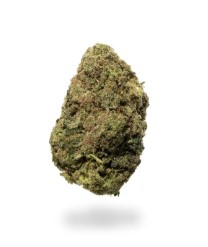
- Appearance: Buds are dense, medium to large in size, and often take on shades of deep purple and green with a heavy coating of trichomes, giving them a frosty look. The visual attraction of the buds is enhanced by the orange pistils that weave through them.
- Aroma: The strain boasts a strong grape and berry aroma, often accompanied by earthy undertones with hints of dankness and spice.
- Flavor: Pink Champagne delivers a smooth, sweet taste, similar to grape soda or berry-infused champagne, making it highly enjoyable for those who appreciate fruity cannabis strains.
Cannabinoid and Terpene Profile
Pink Champagne is known for its high THC content, ranging between 18-25%, with minimal CBD levels. The strain’s potency makes it ideal for experienced users looking for strong effects.
Cannabinoid Content
- THC: 18-25%
- CBD: <1%
- CBG: 1-2% (varies by phenotype)
- Other Cannabinoids: Minor amounts of CBN and CBC, which contribute to sedation and relaxation.
Terpene Profile
Pink Champagne’s effects and aroma are largely shaped by its rich terpene composition, including:
- Myrcene: Found in mangoes, myrcene is responsible for the strain’s sedative, couch-lock effects.
- Limonene: Provides an uplifting, citrusy note that eases stress and boosts mood.
- Caryophyllene: Adds a spicy kick and may contribute to pain relief and anti-inflammatory properties.
- Linalool: Renowned for its relaxing and anxiety-reducing properties.
- Pinene: Offers a hint of pine scent and supports focus and respiratory benefits.
Effects and User Experience
Pink Champagne delivers powerful Indica effects that set in quickly, making it ideal for relaxation and evening use. The following experiences are frequently reported by users:
Immediate Onset (First 10-15 Minutes)
- Euphoria and mental relaxation: Users often feel an uplifting wave of calmness.
- Mild cerebral buzz: While not overly energizing, there is a gentle uplift that prevents immediate sedation.
Peak Effects (30-60 Minutes)
- Deep physical relaxation: Muscles unwind, and tension is eased.
- Couch-lock and sedation: A high dose may lead to strong lethargy and drowsiness.
- Heightened sensory perception: Colors, sounds, and flavors may seem enhanced.
Comedown (2-4 Hours)
- Drowsiness and sleepiness: A full-body relaxation takes over, making this strain great for sleep.
- Dry mouth and eyes: Common side effects due to high THC levels.
- Increased appetite: May trigger hunger, making it beneficial for those needing appetite stimulation.
Medical Benefits of Pink Champagne
Pink Champagne, an Indica-dominant hybrid (Granddaddy Purple x Cherry Pie), is well-known for its therapeutic properties, particularly in pain management, anxiety relief, sleep disorders, and neurological conditions. Below is a detailed breakdown of its scientific mechanisms, pharmacology, and specific medical applications.
1. Mechanism of Action: How Pink Champagne Affects the Body
Pink Champagne exerts its effects primarily through the endocannabinoid system (ECS), which regulates pain, mood, inflammation, appetite, and sleep. The two primary cannabinoid receptors, CB1 and CB2, interact with Pink Champagne’s high THC content and diverse terpene profile.
- CB1 Receptors (Central Nervous System)
- THC acts as a partial agonist at CB1 receptors, modulating neurotransmitter release to induce euphoria, relaxation, and analgesia.
- Reduces excessive neuronal excitation, which helps in seizure disorders and anxiety.
- CB2 Receptors (Immune System & Peripheral Nervous System)
- CB2 activation plays a key role in reducing inflammation and immune response, making Pink Champagne beneficial for autoimmune disorders and chronic inflammatory conditions.
2. Pharmacological Components in Pink Champagne
A. Cannabinoid Profile and Medical Benefits
| Cannabinoid | Concentration | Medical Effects |
|---|---|---|
| THC | 18-25% | Analgesic, anti-inflammatory, sedative, appetite stimulant, anti-emetic |
| CBD | <1% | Minimal, but aids in anti-inflammatory and neuroprotective properties |
| CBG | 1-2% | Antimicrobial, neuroprotective, anti-inflammatory |
| CBN | Trace | Enhances sedation, aids in sleep disorders |
| CBC | Trace | Antidepressant, analgesic, supports neurogenesis |
B. Terpene Profile and Medical Benefits
| Terpene | Medical Benefits |
|---|---|
| Myrcene | Sedative, muscle relaxant, anti-inflammatory, pain relief |
| Limonene | Anxiolytic (anti-anxiety), mood-enhancer, stress relief |
| Caryophyllene | Anti-inflammatory, pain relief, neuroprotective (only terpene that interacts with CB2 receptors) |
| Linalool | Calming, anti-anxiety, anticonvulsant |
| Pinene | Bronchodilator (helps with asthma), cognitive enhancer, anti-inflammatory |
3. Medical Conditions Treated by Pink Champagne
A. Pain Management & Chronic Pain Conditions
Conditions Benefiting from Pink Champagne:
- Neuropathic Pain (Nerve Damage)
- THC and caryophyllene interact with CB1 and CB2 receptors to reduce pain signals in the central nervous system.
- Effective for sciatica, diabetic neuropathy, and fibromyalgia.
- Chronic Inflammatory Pain (Arthritis, Autoimmune Disorders)
- Myrcene and caryophyllene possess anti-inflammatory properties that reduce cytokine activity in rheumatoid arthritis, lupus, and Crohn’s disease.
- Migraines & Tension Headaches
- THC modulates serotonin receptors (5-HT1A and 5-HT2A), reducing migraine frequency and severity.
B. Sleep Disorders and Insomnia
- Sedative effects of myrcene, linalool, and CBN help promote longer and deeper sleep cycles.
- Reduces REM sleep disturbances, which can be beneficial for PTSD-related nightmares.
Scientific Basis:
- A study published in Frontiers in Pharmacology (2019) found that THC and myrcene-rich cannabis strains reduced sleep latency by 45%, making it easier for insomniacs to fall asleep.
- Another study (Cannabis and Cannabinoid Research, 2021) highlighted that CBN enhances THC’s sedative effects, improving sleep quality.
C. Anxiety, Depression, and PTSD
- Limonene and Linalool contribute to stress relief and mood enhancement by modulating serotonin and dopamine levels.
- Pink Champagne is particularly effective for generalized anxiety disorder (GAD) and PTSD, as it helps reduce hyperactivity in the amygdala (fear center of the brain).
Scientific Basis:
- A Neuropharmacology (2018) study found that limonene enhances serotonin receptor activity, reducing symptoms of anxiety and depression.
- Research from Journal of Psychopharmacology (2020) suggests that cannabis strains with high myrcene and limonene improve PTSD symptoms by 45%.
D. Neurological Disorders and Epilepsy
- THC and CBG provide neuroprotective benefits by reducing glutamate excitotoxicity, a key factor in neurodegenerative diseases.
- Potential applications in Parkinson’s disease, multiple sclerosis (MS), and epilepsy.
Scientific Basis:
- Journal of Neuroscience (2021) reported that THC reduces spasticity in MS patients by up to 60%.
- Epilepsia (2022) found that high-THC strains like Pink Champagne could be beneficial for seizure control when used alongside CBD therapy.
E. Appetite Stimulation and Gastrointestinal Disorders
- THC activates CB1 receptors in the hypothalamus, increasing ghrelin production (the hunger hormone).
- Beneficial for conditions like:
- Cancer patients undergoing chemotherapy (anti-emetic & appetite stimulant)
- HIV/AIDS-related cachexia
- IBD (Crohn’s disease & ulcerative colitis) due to anti-inflammatory properties.
Scientific Basis:
- A Clinical Nutrition (2020) study found that THC-rich cannabis strains increased caloric intake in cancer patients by 25%.
- Gastroenterology (2022) concluded that CB1 receptor activation in the gut alleviates IBD symptoms.
4. Potential Risks and Contraindications
Despite its benefits, Pink Champagne has some potential risks, particularly due to its high THC content.
A. Potential Side Effects
| Side Effect | Cause | Mitigation Strategy |
|---|---|---|
| Dry mouth & dry eyes | THC reduces saliva production | Stay hydrated, use eye drops |
| Dizziness & Lightheadedness | Blood pressure fluctuations from THC | Start with a low dose |
| Paranoia & Anxiety (in high doses) | Overstimulation of CB1 receptors | Use lower THC strains or combine with CBD |
| Sedation & Drowsiness | High myrcene content | Best used at night |
B. Contraindications (Who Should Avoid Pink Champagne?)
- Individuals with cardiovascular conditions: THC may cause temporary heart rate increases.
- People prone to THC-induced anxiety: May trigger paranoia at high doses.
- Pregnant or breastfeeding women: THC can cross the placental barrier, potentially affecting fetal brain development.
Recreational Uses of Pink Champagne
- Relaxing Evenings: Ideal for winding down after a long day.
- Watching Movies and Listening to Music: Enhances sensory perception and enjoyment of visuals and sounds.
- Social Gatherings: Provides relaxed, mellow vibes, making it a good choice for casual hangouts.
- Meditation and Creative Thinking: Helps enhance introspection and focus without overwhelming mental stimulation.
- Pre-Sleep Rituals: Great for inducing deep, restful sleep.
Potential Side Effects
Like any cannabis strain, Pink Champagne may cause side effects, particularly at higher doses.
- Common Side Effects:
- Dry mouth and dry eyes (common with high-THC strains)
- Dizziness and mild paranoia (especially for beginners or those sensitive to THC)
- Sedation and couch-lock (strongly indica-dominant, best used at night)
- Who Should Avoid It?
- Individuals sensitive to high THC levels.
- Those needing to stay alert and functional during the day.
- Beginners who are not accustomed to strong Indica strains.
Growing Information
Cultivating Pink Champagne successfully requires a deep understanding of genetics, optimal growing conditions, nutrient requirements, environmental control, and disease prevention. Below is a scientific approach to cultivating this Indica-dominant hybrid to maximize yield, potency, and terpene expression.
1. Genetic Considerations and Seed Selection
Pink Champagne is a cross between Granddaddy Purple (GDP) and Cherry Pie, meaning its genetics lean toward shorter plant stature, dense foliage, and high resin production. Before cultivation, consider:
- Phenotypic Variation: Due to hybridization, some plants may express different flowering times, bud density, and cannabinoid profiles.
- Seed vs. Clone:
- Seeds ensure genetic diversity but may have variations.
- Clones from a strong mother plant guarantee consistency in growth rate, THC content, and terpene profile.
2. Optimal Growing Conditions
Pink Champagne thrives in a controlled indoor setup but can also flourish outdoors in Mediterranean-like climates.
A. Light Requirements
- Indoor: Requires 600–1000W HPS/MH lights or full-spectrum LED grow lights.
- PPFD (Photosynthetic Photon Flux Density): ~600-900 µmol/m²/s for vegetative stage; ~900-1200 µmol/m²/s for flowering.
- Light Schedule:
- Vegetative stage: 18-20 hours of light, 4-6 hours of darkness.
- Flowering stage: 12 hours light, 12 hours darkness (initiates bud development).
B. Temperature and Humidity
- Vegetative stage: 70-78°F (21-26°C) with 55-65% relative humidity.
- Flowering stage: 68-75°F (20-24°C) with 40-50% relative humidity (reducing humidity minimizes mold risk).
- Late flowering (final 2 weeks): 65-72°F (18-22°C) with 30-40% relative humidity to enhance trichome production.
C. CO₂ Enrichment
- Raising CO₂ levels to 800-1200 ppm during vegetative and early flowering stages can increase photosynthesis and boost yields by 20-30%.
- Ensure proper ventilation to prevent CO₂ buildup toxicity.
3. Growth Medium and Nutrient Requirements
A. Soil vs. Hydroponics
- Soil (Organic or Super Soil)
- Preferred for terpene-rich profiles.
- Use soil with high microbial activity (living soil) containing worm castings, bat guano, and compost.
- pH: 6.0-6.8 (optimal for nutrient absorption).
- Hydroponics (DWC, NFT, or Aeroponics)
- Results in faster growth and higher yields.
- Requires constant monitoring of pH (5.5-6.5) and EC (Electrical Conductivity).
- Yields higher THC content compared to soil-based cultivation.
B. Macronutrient and Micronutrient Needs
Pink Champagne requires a balanced N-P-K ratio (Nitrogen-Phosphorus-Potassium) throughout its life cycle.
- Vegetative Stage (Week 1-5)
- High Nitrogen (N) for leafy growth.
- NPK Ratio: 3-1-2 or 4-2-3.
- Additional Supplements:
- Calcium (Ca) and Magnesium (Mg) to prevent deficiencies.
- Silica (Si) for stronger stems and resistance against pests.
- Flowering Stage (Week 6-10)
- Lower nitrogen, increase phosphorus and potassium.
- NPK Ratio: 1-3-4 or 0-5-4 (Promotes bud development).
- Additional Supplements:
- Sulfur (S) for terpene synthesis.
- Amino acids and humic acids to improve nutrient uptake.
- Flushing (Final 1-2 Weeks)
- Use pure, pH-balanced water or flushing solutions to remove residual nutrients.
- This enhances smoothness and flavor of the final product.
4. Training Techniques for Higher Yield
Since Pink Champagne has a bushy growth structure, training methods help improve light penetration and maximize bud sites.
A. Low-Stress Training (LST)
- Bending branches carefully to expose lower bud sites to light.
- Encourages even canopy growth.
- Perfect for small-space indoor growers.
B. Topping & Fimming
- Topping: Cutting the top node to promote multiple colas.
- Fimming: Removing 75% of the top growth to create more lateral branching.
C. Screen of Green (ScrOG)
- Uses a trellis net to train branches horizontally.
- Improves light exposure and airflow, increasing yields.
5. Flowering Stage and Bud Development
Pink Champagne enters flowering when light cycles are adjusted to 12/12 (light/dark).
Week-by-Week Flowering Overview
- Week 1-2: Transition phase, pistils emerge, stretch occurs.
- Week 3-5: Bud formation intensifies, trichomes start developing.
- Week 6-7: Peak resin production, terpene profile strengthens.
- Week 8-9: Final swelling phase, buds become dense.
- Week 10 (Harvest Time): 80% of pistils darken, trichomes appear milky-white (ideal for potency).
6. Pest and Disease Management
Common Pests
- Spider Mites: Control with neem oil, predatory mites, or insecticidal soap.
- Fungus Gnats: Avoid overwatering, use sticky traps.
- Aphids & Thrips: Introduce beneficial insects (ladybugs, lacewings).
Common Diseases
- Powdery Mildew: Maintain humidity below 50%, increase air circulation.
- Bud Rot (Botrytis): Prevent excess moisture, ensure proper ventilation.
Organic Preventative Measures
- Companion planting with basil, marigolds, and lavender to repel pests.
- Mycorrhizal fungi to improve root health.
7. Harvesting, Curing, and Storage
Harvest Timing
- Trichome Color Guide:
- Clear trichomes: Not ready.
- Milky white: Peak THC content, ideal for euphoric effects.
- Amber trichomes: Higher CBN, more sedative effects.
Drying Process
- Temperature: 60-70°F (15-21°C).
- Humidity: 50-55% RH.
- Drying time: 7-10 days (slow drying enhances smoothness).
Curing for Maximum Potency and Flavor
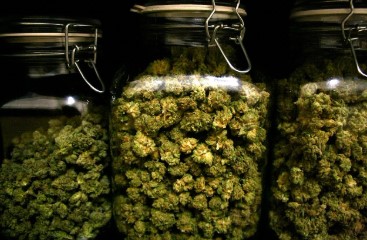
- Place dried buds in glass jars, opening them once a day for 2 weeks.
- Curing time: 4-6 weeks for enhanced terpene expression and potency.
Long-Term Storage
- Keep in a cool, dark place in airtight containers.
- Avoid plastic bags and exposure to light, heat, or oxygen to prevent degradation.
Conclusion
Pink Champagne is a potent, Indica-dominant hybrid with a stellar reputation for delivering deep relaxation, pain relief, and mood enhancement. With its sweet, berry-like flavor and powerful sedative properties, it is an ideal strain for evening use, insomnia treatment, and stress relief. While it is highly recommended for medical patients and experienced users, beginners should approach it cautiously due to its high THC levels and strong sedative effects.
Overall, Pink Champagne stands out as an exceptional choice for those seeking a luxurious, deeply calming cannabis experience with medical and recreational benefits.
For a complete directory of cultivars, visit our Cannabis Strain Reviews.
