Table of Contents
Pink Bubba is a highly regarded Indica-dominant hybrid cannabis strain known for its potent effects, rich terpene profile, and strong medicinal properties. A cross between Bubba Kush and Pink Kush, this strain is particularly popular among medical cannabis users and recreational consumers who seek deep relaxation and therapeutic benefits.
Genetic Background and Lineage
Pink Bubba is the offspring of two legendary strains:
- Bubba Kush: A powerful Indica strain originating from the Hindu Kush mountains, known for its heavy sedative effects and earthy, sweet flavors.
- Pink Kush: A phenotype of OG Kush, recognized for its potent high and floral, sweet aroma with hints of vanilla and citrus.
With these parent strains, Pink Bubba carries a genetic profile that leans towards a 90% Indica and 10% Sativa composition, making it one of the more sedating and body-heavy strains available.
Morphology and Growing Characteristics
- Appearance: Pink Bubba buds are dense, tightly packed, and coated in a thick layer of trichomes, giving them a frosty, resinous appearance. The buds are medium to large in size and exhibit deep green hues with subtle hints of pink and purple.
- Aroma and Flavor: Pink Bubba has a distinct earthy, piney aroma with strong floral undertones. When smoked, Pink Bubba delivers a sweet, woody flavor with hints of spice, citrus, and skunky diesel.
- Growing Difficulty: Moderate. This strain requires a warm, semi-humid climate and thrives best in controlled indoor environments. Outdoor cultivation is possible but requires careful monitoring for mold and mildew due to its dense bud structure.
- Flowering Time: 8–10 weeks
- Yield: Moderate to high, with indoor yields of around 400–500g/m² and outdoor plants producing up to 600g per plant.
Cannabinoid Profile
Pink Bubba is rich in cannabinoids, with high THC levels making it one of the more potent Indica-dominant hybrids.
| Compound | Percentage (% by weight) |
|---|---|
| THC | 18% – 24% |
| CBD | <1% |
| CBG | 1% – 2% |
| CBC | 0.5% – 1% |
- THC: The primary psychoactive component responsible for Pink Bubba’s euphoric and sedative effects.
- CBD: Low in concentration in Pink Bubba but still contributes to its medicinal effects.
- CBG & CBC: Minor cannabinoids that provide additional anti-inflammatory and neuroprotective benefits.
Terpene Profile and Effects
Terpenes play a crucial role in the overall effects of cannabis strains. Pink Bubba contains a rich terpene profile, dominated by the following:
| Terpene | Aroma/Flavor Profile | Effects |
| Myrcene | Earthy, musky, herbal | Sedative, pain relief, muscle relaxation |
| Limonene | Citrus, sweet | Uplifting, anti-stress, anti-anxiety |
| Caryophyllene | Spicy, woody | Anti-inflammatory, analgesic, stress relief |
| Pinene | Pine, fresh | Anti-inflammatory, bronchodilator |
Effects Based on Terpene Synergy
- Sedation and relaxation: Due to high myrcene content, making it effective for insomnia and chronic pain.
- Euphoria and stress relief: Enhanced by limonene.
- Anti-inflammatory properties: Provided by caryophyllene and pinene, making it suitable for conditions like arthritis.
Choosing the Right Growing Medium
A. Soil-Based Cultivation
- Best for organic cultivation and terpene enhancement.
- Use loamy, well-aerated soil enriched with perlite, coco coir, and mycorrhizal fungi.
- Optimal pH range: 6.0–6.5.
- Organic compost and worm castings enhance soil fertility and promote terpene development.
B. Hydroponic Cultivation
- Suitable for controlled environments with faster growth and higher THC production.
- Common methods:
- Deep Water Culture (DWC) – maximizes oxygenation for root health.
- Ebb & Flow (Flood and Drain) – enhances nutrient uptake.
- Aeroponics – provides rapid root growth and disease resistance.
- Optimal pH range: 5.5–6.0.
Environmental Conditions
A. Temperature & Humidity Control
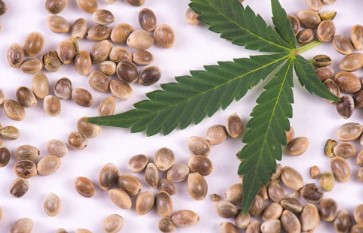
- Vegetative Stage:
- Temperature: 70–80°F (21–27°C).
- Humidity: 55–65% to encourage growth and prevent transpiration stress.
- Flowering Stage:
- Temperature: 65–75°F (18–24°C).
- Humidity: 40–50% (to prevent mold/mildew in dense buds).
- Final Two Weeks (Late Flowering):
- Temperature: Drop to 60–70°F (15–21°C) to enhance purple/pink hues in buds.
- Humidity: Reduce to 30–40% to increase resin production.
Light Requirements & Photoperiod
A. Indoor Grow Lights
- Best Light Type:
- LEDs (Full-Spectrum): Efficient, reduces heat stress, enhances terpene production.
- HPS (High-Pressure Sodium): Intense flowering but generates heat.
- Lighting Schedule:
- Vegetative Stage: 18/6 (18 hours light / 6 hours dark) for rapid growth.
- Flowering Stage: 12/12 to trigger bud development.
B. Outdoor Growing Considerations
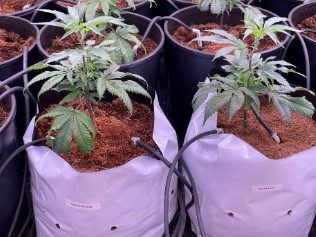
- Optimal Climate: Mediterranean-like conditions with ample sunlight.
- Harvest Time: Mid-to-late October in the Northern Hemisphere.
- Sunlight Requirements: 8+ hours per day for maximum bud development.
Nutrients and Feeding Schedule
A. Macro & Micronutrients Required
| Growth Stage | Nitrogen (N) | Phosphorus (P) | Potassium (K) | Micronutrients |
|---|---|---|---|---|
| Seedling | Low | Low | Low | Calcium, Magnesium, Iron |
| Vegetative | High | Medium | Medium | Silica, Zinc, Boron |
| Flowering (Early) | Medium | High | High | Magnesium, Sulfur |
| Flowering (Late) | Low | Very High | Very High | Calcium, Phosphorus |
B. Organic vs. Synthetic Nutrients
- Organic: Compost teas, bat guano, fish emulsion for sustainable growth.
- Synthetic: Hydroponic formulas (e.g., General Hydroponics Flora series) for rapid uptake.
CO₂ Enrichment
- Increasing CO₂ levels to 1000-1500 ppm during the vegetative and early flowering stages boosts bud development.
- Best applied in a sealed grow room with proper ventilation.
- Methods include CO₂ generators, bottled CO₂ tanks, or fermentation techniques.
Pruning & Training Techniques
A. Low-Stress Training (LST)
- Bending Pink Bubba’s stems gently using soft ties to expose more bud sites to light.
- Increases yields by 20–30%.
B. High-Stress Training (HST)
- Topping: Cutting the main stem at early vegetative growth for multiple colas.
- Supercropping: Slightly crushing the stem tissues to strengthen plant structure.
C. Defoliation
- Removing excess fan leaves of Pink Bubba allows better airflow and light penetration, reducing bud rot.
Pest & Disease Management
A. Common Pests
| Pest | Symptoms | Organic Control |
|---|---|---|
| Spider Mites | Yellow spots, webbing | Neem oil, predatory mites |
| Aphids | Clusters on stems | Ladybugs, insecticidal soap |
| Thrips | Silver streaks on leaves | Diatomaceous earth, neem oil |
| Fungus Gnats | Root rot, weak growth | Dry soil top layer, sticky traps |
B. Common Diseases
| Disease | Cause | Prevention |
|---|---|---|
| Powdery Mildew | High humidity | Proper ventilation, silica foliar spray |
| Bud Rot (Botrytis) | Excess moisture | Low humidity, pruning dense buds |
| Root Rot | Overwatering, poor drainage | Use beneficial bacteria like Trichoderma |
Harvesting & Curing
A. Harvesting Signs
- Trichome Color Test (Using a Jeweler’s Loupe):
- Clear Trichomes – Not ready.
- Milky Trichomes – Peak THC levels.
- Amber Trichomes – More sedative, increased CBN content.
- B. Drying & Curing Process
- Drying: Hang buds in a dark room at 60°F (15°C), 50% RH for 7-10 days.
- Curing: Store dried buds in glass jars at 60-65% RH, burping daily for 2-4 weeks to enhance flavor and potency.
Medical Uses and Benefits
Pink Bubba is well-regarded in the medical cannabis community due to its potent Indica effects. Below are the key medical applications:
A. Pain Management
Pink Bubba is highly effective in treating chronic pain, muscle spasms, and arthritis due to its high THC and caryophyllene content. It acts as a powerful analgesic by interacting with CB1 and CB2 receptors in the endocannabinoid system, reducing pain perception.
B. Insomnia and Sleep Disorders
Due to its high myrcene levels, Pink Bubba induces deep sedation, making it ideal for individuals struggling with insomnia. It promotes relaxation and prolongs deep sleep cycles, improving sleep quality.
C. Anxiety and Stress Relief
The presence of limonene and caryophyllene in Pink Bubba helps alleviate anxiety, depression, and stress. Its euphoric and mood-enhancing properties make it effective for individuals dealing with PTSD, chronic stress, and generalized anxiety disorder (GAD).
D. Appetite Stimulation
Like many Indica strains, Pink Bubba can stimulate appetite, making it beneficial for individuals undergoing chemotherapy, suffering from HIV/AIDS-related wasting syndrome, or those with appetite suppression issues.
E. Anti-Inflammatory and Neurological Benefits
- Helps with neuropathic pain and inflammatory conditions such as fibromyalgia and arthritis.
- Potential neuroprotective effects make it promising for Alzheimer’s disease and multiple sclerosis.
Recreational Use and Effects
Pink Bubba is favored among recreational users who seek deep relaxation and a full-body high.
A. Onset and Duration of Effects
- Onset: 10-15 minutes after consumption.
- Peak Effects: 45 minutes to 1 hour.
- Duration: 3-5 hours, with lingering sedative effects lasting longer.
B. Common Effects
| Effect | Description |
| Euphoria | Immediate mood uplift, mild cerebral buzz. |
| Relaxation | Strong body high, muscle tension relief. |
| Sedation | Deep physical relaxation, couch-lock sensation. |
| Happiness | Euphoric but not overwhelming. |
| Hunger | Strong munchies effect. |
C. Best Time to Use
- Evening or nighttime due to Pink Bubba sedative effects.
- Not recommended for daytime use unless treating severe anxiety or pain.
Methods of Ingestion & Their Pharmacokinetics
Each method affects the absorption, distribution, metabolism, and excretion of cannabinoids in Pink Bubba, primarily THC (Δ9-tetrahydrocannabinol) and terpenes, which influence the strain’s effects.
A. Inhalation (Smoking & Vaping)
- Bioavailability: 30–50% (varies based on depth of inhalation and individual metabolism).
- Onset: 1–10 minutes (rapid absorption through alveolar capillaries in the lungs).
- Peak Effects: 30–60 minutes.
- Duration: 2–4 hours.
- Best For: Immediate relief from pain, anxiety, or insomnia.
1. Smoking (Joints, Pipes, Bongs)
- Mechanism: Combustion of Pink Bubba releases cannabinoids, which are inhaled and absorbed into the bloodstream via the lungs.
- Pros:
- Fast-acting effects.
- Strong entourage effect due to full cannabinoid and terpene exposure.
- Cons:
- Combustion produces harmful carcinogens.
- Shorter-lasting effects than edibles.
2. Vaping (Dry Herb Vaporizers & Concentrates)
- Mechanism: Heats cannabis to a sub-combustion temperature (315–430°F / 157–220°C), releasing active cannabinoids and terpenes in vapor form.
- Pros:
- Higher THC absorption (less cannabinoid degradation).
- Lower lung irritation compared to smoking.
- Preserves more terpenes for enhanced entourage effects.
- Cons:
- Requires specialized equipment.
- Effects wear off faster than edibles.
B. Oral Consumption (Edibles, Capsules, Tinctures)
- Bioavailability: 4–20% (due to first-pass metabolism in the liver).
- Onset: 30–120 minutes (delayed due to digestion and metabolic conversion).
- Peak Effects: 2–3 hours after ingestion.
- Duration: 6–8 hours, sometimes up to 12 hours in higher doses.
- Best For: Chronic pain, sleep disorders, and long-lasting effects.
1. Edibles (Gummies, Baked Goods, Beverages)
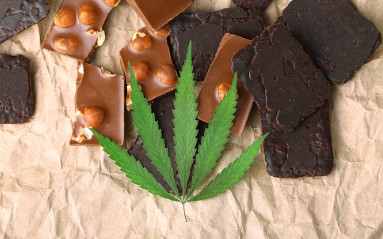
- Mechanism:
- THC is metabolized in the liver into 11-hydroxy-THC, a more potent and longer-lasting form than inhaled THC.
- Pros:
- Effects that last longer than those of smoking or vaping.
- More intense psychoactive effects due to 11-hydroxy-THC’s stronger affinity for CB1 receptors.
- Cons:
- Delayed onset can lead to overconsumption.
- Difficult to dose precisely.
2. Capsules & Pills
- Mechanism: Similar to edibles but more controlled for precise THC and CBD dosage.
- Pros:
- Predictable and precise dosing.
- No need for additional preparation or equipment.
- Cons:
- Long onset time (~45–90 minutes).
3. Tinctures (Sublingual)
- Bioavailability: 20–35% (higher than edibles due to sublingual absorption).
- Onset: 15–45 minutes (faster than edibles due to direct absorption into the bloodstream via mucous membranes).
- Peak Effects: 1–2 hours.
- Duration: 4–6 hours.
- Best For: Fast-acting effects without smoking.
- Mechanism:
- THC and CBD absorb directly into the bloodstream when held under the tongue for at least 60 seconds before swallowing.
- Pros:
- Faster onset than edibles.
- More predictable dosing than smoked cannabis.
- Cons:
- Some users dislike the taste.
- Effects are shorter than edibles.
C. Topical Application (Creams, Lotions, Transdermal Patches)
- Bioavailability: Low (~5-10%), unless using transdermal patches.
- Onset: 15–45 minutes (depending on the formulation).
- Peak Effects: 1–2 hours.
- Duration: 2–6 hours.
- Best For: Localized pain, inflammation, and arthritis.
1. Traditional Topicals (Creams, Lotions, Balms)
- Mechanism: THC binds to CB2 receptors in the skin without entering the bloodstream (non-psychoactive).
- Pros:
- Localized relief without psychoactive effects.
- Reduces inflammation and muscle pain.
- Cons:
- Limited systemic absorption, not effective for general pain relief.
2. Transdermal Patches
- Mechanism: Specially formulated to penetrate the skin barrier and enter the bloodstream, providing systemic effects.
- Pros:
- Consistent and prolonged controlled release of cannabinoids.
- 24-hour pain relief without smoking or edibles.
- Cons:
- Slow onset (~30–60 minutes).
- More expensive than other methods.
Comparative Analysis of Ingestion Methods
| Method | Bioavailability | Onset Time | Peak Effects | Duration | Best Use Case |
|---|---|---|---|---|---|
| Smoking (Joints/Pipes/Bongs) | 30-50% | 1-10 min | 30-60 min | 2-4 hours | Immediate relief, social use |
| Vaping | 30-50% | 1-5 min | 30-60 min | 2-4 hours | Stronger terpene expression, lung health |
| Edibles | 4-20% | 30-120 min | 2-3 hours | 6-12 hours | Long-lasting relief, sleep aid |
| Capsules | 4-20% | 45-90 min | 2-3 hours | 6-12 hours | Precise dosing, medical use |
| Tinctures (Sublingual) | 20-35% | 15-45 min | 1-2 hours | 4-6 hours | Discreet, controlled dosing |
| Topicals (Creams, Lotions) | 5-10% | 15-45 min | 1-2 hours | 2-6 hours | Localized pain relief |
| Transdermal Patches | High (~50%) | 30-60 min | 2-4 hours | 24 hours | Chronic pain management |
Scientific Insights and Pharmacology
A. Mechanism of Action
- THC activates CB1 receptors, leading to its psychoactive and sedative effects.
- Caryophyllene interacts with CB2 receptors, contributing to its anti-inflammatory and analgesic properties.
- Limonene enhances serotonin and dopamine activity, explaining its anti-anxiety effects.
B. Potential Side Effects
| Side Effect | Cause |
| Dry Mouth | THC reducing saliva production. |
| Dry Eyes | Reduced tear production. |
| Dizziness | Drop in blood pressure. |
| Paranoia (rare) | High THC levels in sensitive users. |
| Sedation | Excessive consumption leading to drowsiness. |
Conclusion
Pink Bubba is a highly potent Indica-dominant hybrid with strong medicinal and recreational benefits. Its ability to provide deep relaxation, pain relief, and mood enhancement makes it a top choice among cannabis enthusiasts. Whether used for chronic pain, insomnia, or stress relief, Pink Bubba delivers a powerful yet calming experience that is best enjoyed at night.
For a complete directory of cultivars, visit our Cannabis Strain Reviews.
