Table of Contents
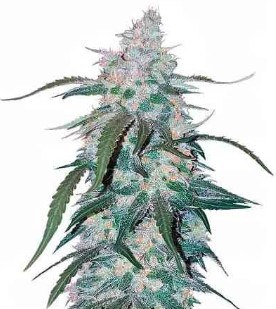
The Pineapple cannabis strain is a balanced hybrid, often reported to have a 50/50 sativa-indica genetic split, although slight variations exist depending on the breeder. Pineapple is the offspring of the famous Ed Rosenthal Super Bud (ERSB) and Pineapple Trainwreck, or sometimes Pineapple Express and other tropical hybrids. The strain was popularized in part by its fruity tropical aroma and potent, well-balanced effects.
Genetic Lineage
- Primary lineage: Often a hybrid between Pineapple Express, Trainwreck, and/or Skunk #1
- Stabilized phenotypes: Commercial seeds are usually bred for high THC levels, fruity terpene content, and manageable growth habits
This strain is not to be confused with Pineapple Express, although the two share aromatic qualities and sativa-dominant tendencies. Pineapple itself offers a more balanced or slightly indica-leaning experience, making it distinct in both structure and effect.
Appearance and Aroma
Appearance
- Dense, medium-sized buds
- Colors range from light green with hints of yellow-orange pistils
- Often coated in amber or milky-white trichomes, indicating maturity and potency
- Compact structure with subtle foxtailing in some phenotypes
Aroma and Flavor
- Primary terpenes: Myrcene, Pinene, Limonene, and Caryophyllene
- Aromatics: Sweet tropical pineapple, citrus zest, slight pine, and an earthy undertone
- Flavor: Sweet on inhale, tangy citrus-pineapple exhale with a spicy herbal aftertaste
The unique terpene composition contributes to Pineapple’s strong tropical scent and invigorating flavor profile, which plays a significant role in both its recreational appeal and therapeutic applications.
Cannabinoid Profile
Pineapple is typically THC-dominant, with minor cannabinoids adding subtle therapeutic effects.
| Cannabinoid | Average Content |
|---|---|
| THC | 17–24% |
| CBD | <0.3% |
| CBG | ~0.4–1% |
| CBC | ~0.2–0.5% |
| THCV | Trace amounts |
High THC levels make Pineapple suitable for managing moderate to severe symptoms, but low CBD means it may not be ideal for those needing anti-epileptic or anxiolytic effects without intoxication.
Terpene Profile and Functional Significance
| Terpene | Percentage | Effects |
|---|---|---|
| Myrcene | ~0.5–1.2% | Sedative, anti-inflammatory, potentiates THC |
| Limonene | ~0.3–0.8% | Antidepressant, anxiolytic, mood elevating |
| Pinene | ~0.2–0.6% | Bronchodilator, memory-enhancing, counteracts THC fogginess |
| Caryophyllene | ~0.1–0.4% | Anti-inflammatory, analgesic, binds to CB2 receptors |
| Humulene | ~0.1% | Appetite suppressant, anti-inflammatory |
These terpenes synergize with cannabinoids in what is known as the entourage effect, amplifying Pineapple’s uplifting, calming, and analgesic properties.
Recreational Effects
Pineapple’s well-balanced hybrid nature provides a dynamic high suited to a variety of recreational settings.
Initial Onset
- Onset begins with a head rush—euphoric and mentally uplifting
- Users report heightened sensory perception, giggles, and increased creativity
Mid-High
- Effects settle into a calm body buzz without full sedation
- Mood elevation persists, with clarity and calm focus
- Good for socialization or creative solo activities
Late High / Comedown
- A gentle taper, leading to relaxation and light sedation
- Rarely causes anxiety or paranoia, even in novice users
Recreational Uses
- Daytime use for artistic creativity, gaming, walks, or music appreciation
- Social events, due to its euphoric and talkative effect
- Movie nights or date nights, as the strain promotes light-hearted moods and relaxation
Medical Applications
The Pineapple strain is a THC-dominant hybrid with a diverse terpene profile and moderate CBD/CBG presence, offering multi-modal therapeutic effects. Its balanced action on the central and peripheral nervous systems allows it to target mood disorders, pain, inflammation, gastrointestinal issues, and sleep dysregulation.
Key pharmacological traits:
- THC: Activates CB1 receptors → analgesia, appetite stimulation, mood elevation
- Caryophyllene: Binds CB2 receptors → anti-inflammatory, immunomodulatory
- Limonene and Pinene: Interact with serotonergic and dopaminergic systems → mood regulation, anxiety reduction
- Myrcene: Sedative and muscle-relaxing; potentiates THC’s effects
Neuropsychiatric and Psychological Disorders
Depression and Mood Dysregulation
- Mechanism: THC activates CB1 receptors → increases dopamine release in nucleus accumbens; limonene modulates 5-HT1A receptors (serotonin)
- Terpenes involved: Limonene (antidepressant), Myrcene (sedative support), Pinene (focus)
- Clinical value: Improved mood, elevated energy, creative stimulation
- Evidence: Human studies suggest THC-rich strains improve mood acutely; chronic use requires caution in bipolar spectrum disorders
Anxiety Disorders (Generalized Anxiety, Social Anxiety, PTSD)
- Mechanism: Low doses of THC and limonene modulate amygdala reactivity; pinene and myrcene reduce sympathetic nervous system overdrive
- Note: Dose-dependent—excess THC can exacerbate anxiety
- Caryophyllene: Acts as anxiolytic via CB2 activation and reduced neuroinflammation
- Best used: As-needed basis at low-moderate doses, or microdosed daily in vaporized or tincture form
Attention Deficit Disorders (ADD/ADHD)
- Mechanism: THC may increase dopamine signaling in prefrontal cortex; pinene modulates acetylcholine activity (attention, memory)
- Clinical anecdote: Patients report better focus, lower impulsivity, and improved task persistence
- Best format: Vaporized or capsule with known THC:CBD ratio (typically 10:1 or 20:1)
Pain Management
Pineapple is widely used for both acute and chronic pain, due to its interaction with CB1 and CB2 receptors, as well as non-cannabinoid systems like the TRPV1 pain channels.
Neuropathic Pain
- Mechanism: THC modulates dorsal root ganglion and spinal cord neurons; reduces nociceptive signaling
- Caryophyllene: Provides additional benefit by dampening neuroinflammation at CB2 sites
- Effective for: Sciatica, diabetic neuropathy, phantom limb pain
Inflammatory Pain
- Conditions: Arthritis, fibromyalgia, lupus, Crohn’s disease
- Mechanism: THC suppresses cytokine activity (IL-6, TNF-alpha); caryophyllene and humulene reduce prostaglandin production
- Synergy: Myrcene enhances penetration of cannabinoids into tissues
Migraine and Tension Headaches
- Mechanism: Endocannabinoid deficiency may underlie migraine pathology; THC and limonene correct this by modulating serotonin and anandamide levels
- Clinical note: Rapid relief reported when vaporized at onset
Gastrointestinal and Metabolic Disorders
Nausea and Vomiting
- Mechanism: THC suppresses vomiting by acting on CB1 receptors in the dorsal vagal complex
- Effective in: Chemotherapy-induced nausea, HIV-related wasting, motion sickness
- Limonene and caryophyllene: May enhance gastric protection and reduce spasms
Appetite Stimulation
- Mechanism: THC boosts ghrelin and orexin signaling in the hypothalamus
- Conditions treated: Cachexia, anorexia nervosa, HIV/AIDS, cancer-related weight loss
- Note: Pineapple is known to increase appetite without intense sedation
IBS and Crohn’s Disease
- Mechanism: CB1/CB2 activation reduces gut motility, secretion, and inflammation
- Terpenes: Caryophyllene reduces TNF-α, a key inflammatory mediator in Crohn’s
Sleep Disorders and Circadian Rhythm Support
Pineapple helps with insomnia, restless sleep, and circadian misalignment without inducing heavy sedation like pure indicas.
Sleep Induction
- Mechanism: THC reduces sleep latency by acting on GABAergic neurons
- Myrcene: Enhances sedative effects and body relaxation
- Clinical profile: Shortens time to sleep without residual drowsiness
REM Suppression and PTSD
- THC reduces REM sleep and may prevent nightmares in PTSD
- Patients report better sleep continuity and fewer intrusive dreams
Neuroprotection and Cognitive Health
Though THC is often associated with short-term memory disruption, Pineapple’s pinene content counteracts this effect, and limonene provides neuroprotective antioxidant effects.
Potential applications:
- Early-stage Alzheimer’s: THC may reduce amyloid-beta plaque accumulation
- Parkinson’s disease: CB1 modulation may improve tremors and dyskinesia
- Multiple sclerosis: Muscle relaxation and pain reduction; reduced spasms
Note: Long-term high-THC exposure may impair memory in vulnerable individuals, so microdosing or balanced THC:CBD formulations may be more appropriate in cognitive disorders.
Immunological and Inflammatory Disorders
Pineapple’s caryophyllene component uniquely targets CB2 receptors expressed in immune tissues, making it valuable in autoimmune diseases and chronic inflammation.
Target Conditions:
- Rheumatoid arthritis
- Lupus
- Chronic fatigue syndrome (ME/CFS)
- Psoriasis
Mechanisms:
- Downregulation of pro-inflammatory cytokines
- Inhibition of NF-κB transcription, a key inflammation regulator
- Suppression of oxidative stress via antioxidant pathways (limonene, myrcene)
Female Reproductive and Menstrual Disorders
Dysmenorrhea and Menstrual Cramps
- THC and myrcene reduce smooth muscle spasms
- Caryophyllene may reduce inflammatory prostaglandins responsible for cramping
Endometriosis
- Cannabinoids downregulate estrogen-responsive pain signals and reduce lesion inflammation
PMS and PMDD
- Mood stabilization (limonene, THC), pain relief (caryophyllene), and anxiety reduction (myrcene) make Pineapple a useful strain for monthly symptom control
Dermatological and Topical Uses
Eczema and Psoriasis
- CB2 activation reduces overactive keratinocyte proliferation
- Antioxidant terpenes (limonene, caryophyllene) reduce skin inflammation and flares
Topical Pain Relief
- THC and caryophyllene have transdermal efficacy when used in salves or creams for localized neuropathy, muscle aches, and arthritic joints
Delivery Methods for Medical Use
| Method | Onset | Duration | Best For |
|---|---|---|---|
| Vaporization | 1–3 min | 1–3 hrs | Acute pain, anxiety, nausea |
| Sublingual tincture | 15–30 min | 4–6 hrs | Mood disorders, GI issues, sleep |
| Edibles | 45–90 min | 6–8 hrs | Chronic pain, inflammation, appetite |
| Topicals | N/A | Local only | Arthritis, skin inflammation |
| Capsules | 45–90 min | 6–10 hrs | Long-term control (e.g., Crohn’s, PMS) |
Limitations and Contraindications
While Pineapple has therapeutic versatility, certain clinical caveats apply:
- Not ideal for individuals with THC sensitivity, psychosis-prone patients, or under-18s
- Caution in pregnancy and breastfeeding: THC crosses placenta and appears in breast milk
- Bipolar disorder: Monitor carefully—THC may worsen manic episodes
Clinical Outlook and Research Directions
Current Research Trends
- Entourage effect studies confirming limonene-THC synergy in mood regulation
- Use of β-caryophyllene as a novel CB2-targeted anti-inflammatory drug
- Interest in pinene’s nootropic properties and ability to reduce THC-induced cognitive effects
Future Directions
- Development of Pineapple chemovars with controlled THC:CBD ratios for medical markets
- Investigation of microdosing protocols for mood disorders and sleep
- Expanded studies on immune modulation in autoimmune diseases
Scientific Mechanisms and Pharmacodynamics
Cannabinoid Receptor Interaction
- THC: Partial agonist at CB1 receptors (brain) and CB2 receptors (immune tissues)
- Produces analgesia, euphoria, appetite stimulation, and sedation
- Caryophyllene: Unique in directly activating CB2 receptors, providing non-psychoactive anti-inflammatory effects
Terpene Modulation
- Myrcene: Increases permeability of the blood-brain barrier, enhancing THC onset
- Limonene: Modulates serotonin receptors (5-HT1A), improving mood and reducing anxiety
- Pinene: Counteracts THC-induced short-term memory impairment via acetylcholinesterase inhibition
Entourage Effect
- Synergistic action of terpenes and cannabinoids improves efficacy and reduces side effects
- Example: Myrcene and THC may offer better sedation and analgesia together than THC alone
Side Effects and Contraindications
Common Side Effects
- Dry mouth (xerostomia)
- Red eyes
- Mild dizziness in first-time users
Less Common but Notable
- Anxiety in THC-sensitive individuals
- Short-term memory lapse in high doses
- Rare: nausea or mild paranoia with overstimulation
Contraindications
- Avoid in pregnancy due to THC’s influence on fetal brain development
- Caution in patients with bipolar disorder, as high THC can induce mania in rare cases
- Not ideal for patients with severe cardiovascular disease
Cultivation and Growing Information
Pineapple is a hybrid strain with relatively stable phenotypes when sourced from reputable breeders (e.g., Barney’s Farm). It expresses a balanced growth pattern, with moderate height, bushy lateral branching, and excellent internodal spacing.
Genetic Traits:
- Type: Photoperiod-dependent hybrid
- Growth style: Bushy, broad-leaf morphology with dense apical colas
- Phenotype uniformity: Medium-high (clonal propagation enhances uniformity)
Germination and Seedling Phase
Optimal Germination Conditions:
- Medium: Rockwool cubes or damp paper towels
- Temp: 22–25°C (72–77°F)
- Humidity: 80–90%
- pH of medium: 5.8–6.2
- Germination time: 24–72 hours
Key Considerations:
- Avoid overwatering—root rot risk is elevated in tropical-leaning strains
- Mycorrhizal inoculants can boost early root establishment
Vegetative Phase (Weeks 2–6)
Photoperiod and Lighting:
- Light cycle: 18/6 or 20/4
- Intensity: 400–600 PPFD (μmol/m²/s)
- Spectrum: Full spectrum with emphasis on blue light (400–500 nm) for compact growth
Environmental Conditions:
- Temperature: 22–27°C (72–80°F)
- Relative humidity (RH): 55–70%
- CO₂ enrichment: 800–1000 ppm to accelerate photosynthesis
Nutrition (per gallon of water):
| Nutrient | Amount | Role |
|---|---|---|
| Nitrogen (N) | 150–200 ppm | Leaf expansion and photosynthesis |
| Phosphorus (P) | 50–75 ppm | Root development |
| Potassium (K) | 150–200 ppm | Osmotic balance and enzyme function |
| Calcium (Ca) | 80–100 ppm | Cell wall integrity |
| Magnesium (Mg) | 50–70 ppm | Chlorophyll synthesis |
| Sulfur (S) | ~50 ppm | Amino acid synthesis |
Supplement with amino acids, kelp extract, and humic acids to encourage robust secondary metabolite development (early terpene biosynthesis).
Training Techniques for Maximum Yield and Resin Production
Recommended Training Methods:
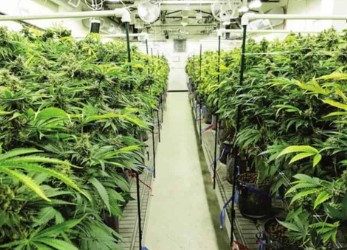
- Low-Stress Training (LST): Gently bend main stems to encourage lateral growth and increase light penetration.
- Topping: Remove apical meristem at the 4th–6th node to promote even canopy.
- Screen of Green (ScrOG): Maximizes yield per square foot with even cola distribution.
- Defoliation: Light removal of fan leaves before flowering improves airflow and light delivery.
These techniques, when combined, can boost trichome density by allowing full-spectrum light to reach inner bud sites and improving microclimatic conditions (CO₂, RH, temperature).
Flowering Phase (Weeks 7–9)
Photoperiod and Light Intensity:
- Cycle: 12/12 (essential for photoperiod strains)
- Light intensity: 700–1000 PPFD
- Spectrum: Red-rich light (620–700 nm) with some far-red (730 nm) to promote flowering
Environmental Conditions:
- Temp (day/night): 24°C/20°C (75°F/68°F)
- RH: 40–50% (to reduce botrytis risk)
- CO₂: 1000–1200 ppm until week 6 of flower
Nutrient Shift:
| Nutrient | Week 1–3 | Week 4–6 | Week 7–9 |
|---|---|---|---|
| Nitrogen | ↓ | Low | Very low |
| Phosphorus | ↑ | High | High |
| Potassium | ↑ | Very high | High |
| Magnesium | ↑ | Medium | Medium |
| Calcium | Medium | Medium | Medium |
Key supplements:
- Molasses: Feeds soil microbes, enhances terpene production
- Silica: Improves resistance to pathogens and mechanical stress
- Sulfur: Crucial in later flower for terpene synthesis (e.g., thiol formation in tropical aromas)
Terpene and Cannabinoid Optimization Techniques
Light Stress Management
- Controlled UV-B light exposure in late flower (30–60 min/day) can boost trichome density and THC production.
- Blue light supplementation in week 8–9 enhances limonene and pinene synthesis.
Flushing
- Flush medium with clean water or enzymatic solutions in final 7–10 days.
- Enhances flavor clarity, burns cleaner, and improves terpene retention in final product.
Harvest Timing
- Use a digital microscope to inspect trichome color:
- Milky trichomes (60–70%) + amber trichomes (10–20%) = peak THC and balanced effects
- Early harvest = more euphoric, cerebral
- Late harvest = more sedative, myrcene-dominant effects
Drying and Curing for Terpene Preservation
Drying Conditions (10–14 days):
- Temperature: 18–21°C (65–70°F)
- Humidity: 55–60%
- Dark, ventilated room with hanging branches or drying racks
- Avoid fans blowing directly on flowers (terpene loss risk)
Curing Process:
- Trimmed buds should be put in airtight glass jars.
- Burp jars daily for 10–15 minutes for the first 2 weeks
- Store in cool, dark environment (60–65% RH) for 3–4 weeks minimum
Goal of Curing:
- Gradual degradation of chlorophyll
- Moisture homogenization within buds
- Peak aromatic compound retention
- Conversion of remaining precursor cannabinoids (e.g., THCa → THC)
Common Cultivation Challenges and Solutions
| Problem | Cause | Solution |
|---|---|---|
| Powdery mildew | High humidity during late flower | Use sulfur vapor early in veg; improve airflow |
| Nutrient burn | Overfeeding during week 3–6 of flower | Flush and reduce EC to 1.6–2.0 |
| Foxtailing | Excess heat/light late in flower | Drop temps and light intensity in week 8–9 |
| Weak aroma/flavor | Improper drying/curing | Follow low-temp, slow-dry protocol |
| Hermaphroditism | Light stress or genetic instability | Maintain strict dark cycles, use verified seeds |
Hydroponics vs Soil vs Organic Cultivation
| Method | Yield | Flavor | Control | Microbial Life |
|---|---|---|---|---|
| Hydroponics | Very high | Moderate | High | Low |
| Soil | Medium | Rich | Medium | High |
| Organic living soil | Medium | Exceptional | Medium | Very High |
For Pineapple, organic living soil with microbial inoculants (e.g., Trichoderma, Bacillus subtilis, mycorrhizae) can amplify tropical terpene expression and improve resistance to root pathogens. However, hydroponics (DWC or coco coir) gives greater control for THC-maximization in commercial grows.
Breeder Tips for Clonal Propagation
- Take clones in week 3–4 of veg phase
- Use rooting gels (IBA) and 18/6 lighting
- Root in rockwool or aeroponic cloner
- After root establishment, transplant into final medium (soil/coco/hydro)
Clonal propagation ensures phenotypic uniformity and reliable expression of Pineapple’s cannabinoid and terpene profile, especially critical in regulated medical grows.
Comparison with Related Strains
| Strain | THC | Dominance | Effect | Best Use |
|---|---|---|---|---|
| Pineapple | 17–24% | Balanced | Uplifting, calming, analgesic | Mood disorders, pain |
| Pineapple Express | 17–25% | Sativa-dominant | Energizing, focused, euphoric | Creative tasks, fatigue |
| Pineapple Chunk | 16–21% | Indica-leaning | Sedative, heavy body high | Sleep, severe pain |
| Golden Pineapple | 20–25% | Sativa-dominant | Clear-headed, energetic, euphoric | Depression, motivation |
Consumer Reviews and Clinical Perspectives
Anecdotal Reports
- Users frequently describe Pineapple as “the perfect balance” between head and body effects
- Many cite its ability to treat pain and depression without couch-lock
- Flavor and aroma consistently rated as top-tier among tropical strains
Clinical Perspectives
- Limited formal clinical trials on Pineapple strain specifically
- THC + limonene + myrcene + caryophyllene combinations studied for:
- Mood enhancement
- Chronic pain
- Appetite restoration
- Suggestive evidence points to its utility as a functional strain for daily symptom management
Future Research and Scientific Potential
Pineapple remains a candidate for clinical trials in:
- Mood disorders (due to limonene and THC synergy)
- Appetite stimulation in chemotherapy and AIDS patients
- Neuropathic pain, where high THC and myrcene dominate therapeutic effects
New frontiers in cannabis research—including personalized cannabinoid therapy—may reveal more nuanced applications of Pineapple based on individual endocannabinoid tone, genetics, and enzyme activity (CYP450 variants).
Conclusion
The Pineapple cannabis strain offers a unique blend of uplifting cerebral stimulation and calming body relief, making it highly versatile. Its rich terpene profile, especially limonene, myrcene, and pinene, provide a multidimensional experience that supports both recreational enjoyment and medical efficacy. Whether for chronic pain, depression, or just a pleasant evening, Pineapple serves as a scientifically grounded, well-balanced strain that continues to earn its place among top-tier hybrids.
For a complete directory of cultivars, visit our Cannabis Strain Reviews.
