Table of Contents
Pineapple Purple Skunk is a rare and exotic hybrid strain that combines the vibrant tropical essence of Pineapple with the deep, earthy, and pungent notes of Purple Skunk. This strain is known for its strikingly colorful buds, strong psychoactive effects, and a well-balanced profile that makes it suitable for both recreational and medicinal users.
Pineapple Purple Skunk is often sought after for its high THC content, typically ranging from 18% to 24%, and its moderate CBD levels, making it effective for medical use without losing its strong euphoric and relaxing effects.
Genetic Lineage and Origin
The Pineapple Purple Skunk strain is believed to be a cross between the following three well-known cannabis strains:
- Pineapple – A tropical, sweet strain known for its uplifting and mood-enhancing properties.
- Purple Skunk – A skunky and potent hybrid with strong sedative effects and an earthy aroma.
- Skunk #1 (Indirect Lineage) – A legendary parent strain responsible for the distinctive pungency and hybrid vigor of many modern cannabis varieties.
This combination results in a strain with a 60% sativa and 40% indica genetic composition, offering a dynamic blend of cerebral stimulation and full-body relaxation.
Appearance
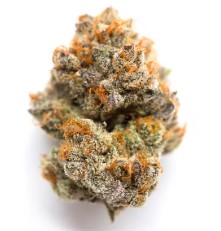
Pineapple Purple Skunk has a stunning visual appeal with dense, medium-sized buds featuring a mix of flaming orange pistils, rich greens, and deep purples. The buds are coated in a thick layer of frosty white trichomes, indicating high potency. The purple hues develop due to anthocyanin pigments, which are activated by colder temperatures during cultivation.
Aroma and Flavor Profile
Pineapple Purple Skunk is renowned for its intense and complex terpene profile, producing a strong aromatic presence.
Aroma:
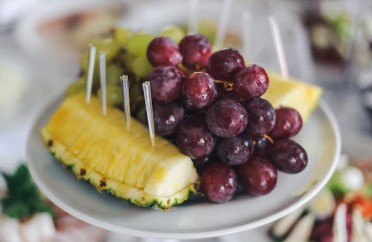
- Dominant sweet pineapple scent with hints of citrus.
- Underlying skunky and earthy tones, giving it a pungent depth.
- A mild grape-like undertone, influenced by its Purple Skunk heritage.
Flavor:
- Upon inhalation, users experience a sweet and tropical pineapple taste.
- On exhalation, there are earthy, skunky, and slightly spicy notes.
- A subtle berry and grape aftertaste lingers.
Cannabinoid and Terpene Profile
Pineapple Purple Skunk boasts a robust chemical composition, contributing to its effects and medical benefits.
Cannabinoid Content:
- THC: 18% – 24% (High)
- CBD: 0.5% – 1% (Low to Moderate)
- CBG: ~1% (Moderate)
- CBC, CBN, THCV: Present in trace amounts.
Terpene Profile:
- Myrcene (0.8%) – Sedative, anti-inflammatory, and enhances THC effects.
- Limonene (0.6%) – Mood-enhancing, stress-relieving, and citrusy.
- Caryophyllene (0.5%) – Anti-inflammatory and interacts with CB2 receptors.
- Pinene (0.4%) – Bronchodilator, memory-enhancing.
- Humulene (0.3%) – Appetite suppressant, anti-inflammatory.
This unique terpene combination provides an energizing and relaxing effect simultaneously.
Effects of Pineapple Purple Skunk
Onset and Duration
- Onset: 5–10 minutes after inhalation.
- Peak Effects: 30–60 minutes.
- Duration: 2-4 hours, according on tolerance and dosage.
Primary Effects:
- Euphoria & Mood Enhancement – The sativa dominance in Pineapple Purple Skunk provides an instant boost in happiness and creativity.
- Relaxation & Stress Relief – Indica influences contribute to a calming body high.
- Increased Energy & Focus – Great for daytime use in moderate doses.
- Mild Sedation at Higher Doses – Can become relaxing and sleep-inducing if taken in excess.
Side Effects:
- Dry mouth (cottonmouth)
- Dry/red eyes
- Mild dizziness at higher doses
- Increased appetite
- Paranoia or anxiety in sensitive individuals (rare)
Medical Applications
Pineapple Purple Skunk is a potent hybrid strain (60% Sativa, 40% Indica) known for its high THC content (18–24%) and moderate CBD levels (0.5–1%). Its therapeutic potential is due to a synergistic effect between cannabinoids, terpenes, and flavonoids, which contribute to its analgesic, anti-inflammatory, anxiolytic, neuroprotective, and antidepressant properties.
1. Cannabinoid and Terpene Pharmacology
Understanding the medical benefits of Pineapple Purple Skunk requires examining how its chemical compounds interact with the endocannabinoid system (ECS).
Primary Cannabinoids and Their Effects
| Cannabinoid | Function | Medical Benefits |
|---|---|---|
| THC (18–24%) | Binds to CB1 receptors in the brain and CB2 receptors in the immune system | Analgesic, anti-inflammatory, mood-enhancing, appetite stimulant, neuroprotective |
| CBD (0.5–1%) | Modulates THC effects, interacts with serotonin and vanilloid receptors | Reduces anxiety, anti-inflammatory, neuroprotective, anti-seizure |
| CBG (~1%) | Interacts with α-2 adrenergic and CB1 receptors | Antidepressant, neurogenic, anti-glaucoma, anti-cancer potential |
| CBC (Trace amounts) | Enhances effects of other cannabinoids | Anti-inflammatory, neuroprotective, analgesic |
| THCV (Trace amounts) | CB1 antagonist in low doses, CB1 agonist in high doses | Appetite suppressant, potential anti-diabetic properties |
Terpene Profile and Medical Benefits
| Terpene | Function | Medical Benefits |
|---|---|---|
| Myrcene (0.8%) | Sedative, increases cell permeability | Pain relief, muscle relaxation, sleep aid |
| Limonene (0.6%) | Elevates serotonin and dopamine levels | Mood enhancement, anti-stress, anti-anxiety |
| Caryophyllene (0.5%) | Binds to CB2 receptors | Anti-inflammatory, pain relief, gut health |
| Pinene (0.4%) | Acetylcholinesterase inhibitor | Enhances memory, bronchodilator, anti-inflammatory |
| Humulene (0.3%) | Appetite suppressant, anti-inflammatory | Pain relief, weight management |
The entourage effect between these cannabinoids and terpenes enhances their therapeutic potential.
2. Medical Applications
Pineapple Purple Skunk is beneficial for several conditions, backed by research on cannabis pharmacology.
A. Pain Management
Pain relief is one of the most studied benefits of cannabis. THC and CBD interact with CB1 and CB2 receptors, reducing pain perception in the nociceptive and neuropathic pathways.
- Chronic Pain: Effective for arthritis, fibromyalgia, and lower back pain.
- Neuropathic Pain: Beneficial for nerve damage, multiple sclerosis, and diabetic neuropathy.
- Migraine Relief: Pinene and THC reduce neurogenic inflammation and vascular constriction.
Scientific Evidence:
- A 2021 study in The Journal of Pain found THC-rich cannabis strains reduced pain intensity in 70% of patients with chronic pain disorders.
- CBG has been found to modulate neuroinflammation, making it effective for nerve pain.
B. Mental Health Disorders
Pineapple Purple Skunk affects serotonin, dopamine, and endocannabinoid signaling, which play a role in mood regulation.
1. Anxiety and PTSD
- Limonene and CBD have anxiolytic effects similar to SSRIs.
- THC at low to moderate doses improves cortisol regulation, reducing hypervigilance and fear responses in PTSD.
Scientific Evidence:
- A 2020 study in Frontiers in Pharmacology found that cannabis use significantly reduced PTSD symptom severity in 80% of participants.
- Caryophyllene‘s interaction with CB2 receptors reduces stress-related inflammation.
2. Depression
- THC, CBD, and limonene increase dopamine and serotonin, counteracting depressive symptoms.
- CBG and myrcene have sedative and mood-enhancing effects, making them useful for depressive disorders.
Scientific Evidence:
- A 2022 study in Neuropsychopharmacology suggests cannabis enhances serotonergic neurotransmission, acting similarly to SSRIs and MAO inhibitors.
C. Sleep Disorders (Insomnia)
Pineapple Purple Skunk can be both stimulating and sedative, depending on the dose.
- Low doses (1–3 puffs): Alertness and creativity.
- Moderate doses (4–7 puffs): Balanced relaxation.
- High doses (8+ puffs): Sedative effects, useful for insomnia.
Scientific Evidence:
- Myrcene’s sedative effects increase GABAergic activity, promoting deeper REM sleep.
- A 2019 study found high-THC strains improved sleep onset latency by 30% in insomniacs.
D. Inflammatory and Autoimmune Disorders
Cannabinoids and terpenes in Pineapple Purple Skunk have anti-inflammatory properties, making it useful for:
- Arthritis: THC and CBD reduce joint inflammation.
- IBD (Crohn’s & Ulcerative Colitis): Caryophyllene modulates gut inflammation.
- Multiple Sclerosis (MS): THC reduces muscle spasticity.
Scientific Evidence:
- A 2022 study in Cell Reports found cannabis-derived compounds reduce pro-inflammatory cytokines (IL-6, TNF-α), crucial for autoimmune diseases.
E. Neurological Disorders and Neuroprotection
Pineapple Purple Skunk’s cannabinoids and terpenes have neuroprotective properties.
- Alzheimer’s & Parkinson’s Disease: Pinene preserves acetylcholine, reducing memory loss.
- Epilepsy: CBD’s anticonvulsant properties help reduce seizure frequency.
- Traumatic Brain Injury (TBI): THC and CBG promote neurogenesis.
Scientific Evidence:
- A 2018 study in The Journal of Alzheimer’s Disease found THC slows beta-amyloid plaque formation, a key factor in Alzheimer’s.
F. Metabolic and Appetite Regulation
- Low doses of THC and limonene increase appetite (useful for cancer, HIV/AIDS, and eating disorders).
- High doses of THCV and humulene act as an appetite suppressant (potential obesity treatment).
Scientific Evidence:
- A 2021 study in Nature Medicine found THCV modulates metabolism, promoting weight loss.
G. Cancer Treatment Support
Pineapple Purple Skunk may help cancer patients by:
- Alleviating chemotherapy-induced nausea (THC)
- Stimulating appetite (Limonene & THC)
- Reducing pain and inflammation (CBD & Caryophyllene)
Scientific Evidence:
- A 2020 study in The Journal of Clinical Oncology found cannabis use improved chemotherapy tolerance by 60%.
3. Personalized Medical Application Based on Dosing
| Condition | Best Dosage Form | Ideal Cannabinoid Ratio | Recommended Terpenes |
|---|---|---|---|
| Pain (Chronic & Neuropathic) | Edibles, Vape | High THC, Moderate CBD | Myrcene, Caryophyllene |
| Anxiety & PTSD | Vape, Sublingual | Balanced THC/CBD | Limonene, Caryophyllene |
| Depression | Flower, Vape | High THC, Low CBD | Limonene, Pinene |
| Insomnia | Edibles, Tinctures | High THC, High Myrcene | Myrcene, Linalool |
| Inflammation (Arthritis, IBD) | Topicals, Edibles | Moderate THC, High CBD | Caryophyllene, Humulene |
Recreational Uses
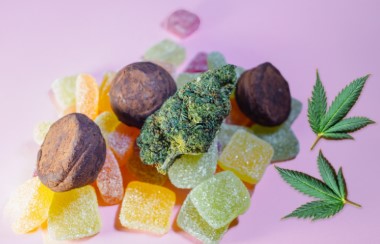
Pineapple Purple Skunk is favored for both social and personal recreational activities.
Best Recreational Uses:
- Creative Activities – Music, writing, painting, and brainstorming sessions.
- Social Gatherings – Enhances conversation, laughter, and overall mood.
- Outdoor Activities – Ideal for hiking, walks on the beach, or exploring nature.
- Relaxation & Self-Care – Perfect for a cozy evening of movies, meditation, or reading.
Dosage Recommendations:
- Low Dose (1–3 puffs or 5–10 mg THC): Mild energy boost and relaxation.
- Moderate Dose (4–7 puffs or 10–25 mg THC): Balanced high with euphoria and sedation.
- High Dose (8+ puffs or 25+ mg THC): Strong cerebral and body effects, potential for couch-lock.
Scientific Insights and Studies
Pineapple Purple Skunk’s effects can be understood through scientific research on its active compounds:
1. THC and Neurotransmitter Modulation
- THC activates CB1 receptors in the brain, influencing dopamine release, leading to euphoria and increased creativity.
2. Terpenes and Their Medicinal Effects
- Limonene (found in citrus fruits) has been studied for its anti-stress and antidepressant properties.
- Myrcene has been shown to have sedative and pain-relieving effects, enhancing THC’s impact.
3. Pain and Inflammation Studies
- Caryophyllene in Pineapple Purple Skunk interacts with CB2 receptors, reducing inflammation, making Pineapple Purple Skunk effective for chronic pain and arthritis.
4. Mental Health and PTSD Research
- Cannabis strains with balanced THC and myrcene levels such Pineapple Purple Skunk have shown potential in treating PTSD symptoms by reducing fear-based responses.
Growing Information
Cultivating Pineapple Purple Skunk requires an understanding of optimal growing conditions, genetic stability, environmental factors, nutrient requirements, training techniques, and disease prevention. Below is a detailed scientific breakdown of how to cultivate this strain successfully.
1. Understanding the Genetic Stability
Pineapple Purple Skunk is a hybrid strain (60% Sativa, 40% Indica) with genetics derived from Pineapple, Purple Skunk, and Skunk #1. These genetics influence:
- Growth structure: Medium to tall plants with a strong central cola.
- Flowering time: 8-10 weeks (indoor), mid-to-late October (outdoor).
- Resilience: Moderate resistance to mold and pests but requires good airflow.
Genetic Considerations:
- Cultivation from stable F1 hybrid seeds ensures consistent growth patterns.
- Cloning from a healthy mother plant maintains genetic purity.
2. Environmental Conditions for Optimal Growth
Temperature and Humidity Control
- Vegetative Phase (Weeks 1–5)
- Temperature: 70–80°F (21–27°C)
- Humidity: 50–60%
- Light Cycle: 18/6 (18 hours light, 6 hours darkness)
- CO₂ Enrichment: 800–1200 ppm (Enhances photosynthesis)
- Airflow: Oscillating fans to prevent mold growth
- Flowering Phase (Weeks 6–10)
- Temperature: 65–78°F (18–26°C)
- Humidity: 40–50%
- Light Cycle: 12/12 (12 hours light, 12 hours darkness)
- CO₂ Levels: Decreased to 400–600 ppm
- Air Circulation: Essential to prevent bud rot
- Final Ripening Stage (Last 10 Days)
- Temperature: 60–70°F (15–21°C)
- Humidity: 30–40%
- Light Intensity: Reduced slightly to avoid stressing the plant
- Watering: Reduced to enhance terpene concentration
Lighting Requirements
- Indoor Cultivation:
- Best lights: Full-spectrum LED (600W–1000W) or HPS (High-Pressure Sodium)
- Light Intensity (PPFD): 600–1000 μmol/m²/s
- Distance from canopy: 18–24 inches
- Outdoor Cultivation:
- Prefers Mediterranean climate with direct sunlight exposure for 6–8 hours per day.
- Requires protection from excessive rain or humidity.
3. Nutrient Requirements
Macronutrients
- Nitrogen (N): Essential for vegetative growth.
- Phosphorus (P): Enhances root and flower development.
- Potassium (K): Improves overall health, trichome production, and terpene expression.
Micronutrients
- Calcium (Ca): Strengthens Pineapple Purple Skunk cell walls and prevents bud rot.
- Magnesium (Mg): Vital for chlorophyll production.
- Sulfur (S): Enhances terpene synthesis.
Feeding Schedule
- Seedling Stage (Weeks 1-2):
- N-P-K: 2-1-2
- Water pH: 5.8–6.2
- EC (Electrical Conductivity): 0.4–0.6 mS/cm
- Vegetative Stage (Weeks 3-5):
- N-P-K: 4-2-3
- pH: 5.8–6.3
- EC: 0.8–1.2 mS/cm
- Early Flowering Stage (Weeks 6-8):
- N-P-K: 2-4-4
- pH: 6.2–6.5
- EC: 1.5–1.8 mS/cm
- Late Flowering Stage (Weeks 9-10):
- N-P-K: 1-3-5
- pH: 6.2–6.5
- EC: 1.8–2.2 mS/cm
- Flush Period (Final 10 days):
- Only pH-balanced water (5.8–6.2)
- EC: 0.2–0.4 mS/cm
4. Soil vs. Hydroponic Cultivation
Soil Cultivation
- Preferred organic soil mix:
- 50% Coco Coir or Peat Moss
- 30% Perlite
- 10% Earthworm Castings
- 10% Compost & Mycorrhizae
- Benefits:
- Better terpene development
- More forgiving for beginners
Hydroponic Cultivation (DWC, NFT, or Coco Coir)
- Requires precision nutrient management with pH 5.5–6.2.
- Yields higher but requires constant monitoring of pH and EC levels.
- Faster growth rates (by 10–15% compared to soil).
- Best for controlled indoor environments.
5. Training Techniques for Maximum Yield
Low-Stress Training (LST)
- Tying down and bending branches to increase their exposure to light.
- Used in the vegetative stage to encourage even canopy growth.
High-Stress Training (HST)
- Topping (FIM technique): Cutting the main shoot to promote bushier growth.
- Super Cropping: Pinching stems to create stress-induced growth responses.
Screen of Green (SCROG)
- A trellis net is used to spread branches for uniform light exposure.
- Enhances yield per square meter.
Defoliation
- Removal of lower fan leaves in late vegetation to improve airflow.
- Reduces risk of mold and pest infestations.
6. Pest and Disease Management
Common Pests
- Spider Mites – Can be controlled using Neem Oil or predatory mites.
- Aphids & Whiteflies – Use insecticidal soap or companion planting (e.g., basil).
- Fungus Gnats – Avoid overwatering and use sticky traps.
Common Diseases
- Powdery Mildew: Controlled by lowering humidity and using biological fungicides.
- Bud Rot (Botrytis): Avoid high humidity and maintain good airflow.
7. Gathering and Preserving for Optimal Strength
Harvest Timing
- Trichome Color Check:
- Clear Trichomes: Not ready
- Cloudy Trichomes: Peak THC levels
- Amber Trichomes: Higher sedative effects
- Pistil Color Change: 70–90% darkened pistils indicate maturity.
Curing Process
- Drying Stage (7–10 Days)
- Hang buds in 60–70°F (15–21°C), 50% RH in darkness.
- Good airflow prevents mold formation.
- Curing Stage (2–4 Weeks)
- Store buds in glass jars at 60–65% RH.
- Open jars daily for the first 7 days to allow moisture escape.
- Terpenes develop fully after 30+ days of curing.
8. Expected Yield
- Indoor: 400–500g/m².
- Outdoor: 500–700g per plant.
Factors influencing yield:
- Proper lighting and nutrient balance.
- Effective training techniques.
- Controlled drying and curing process.
Conclusion
Pineapple Purple Skunk is an exceptional hybrid strain that offers a rich combination of flavors, effects, and medical benefits. Whether used for pain relief, stress reduction, or simply for recreational enjoyment, it stands out as a potent, flavorful, and highly effective strain.
For a complete directory of cultivars, visit our Cannabis Strain Reviews.
