Table of Contents
Introduction to Pineapple Kush
Pineapple Kush is an indica-dominant hybrid strain known for its tropical aroma, sweet pineapple flavor, and relaxing effects. It is often mistaken for Pineapple Express, but unlike its more energetic counterpart, Pineapple Kush leans toward sedation, making it an excellent choice for relaxation and stress relief.
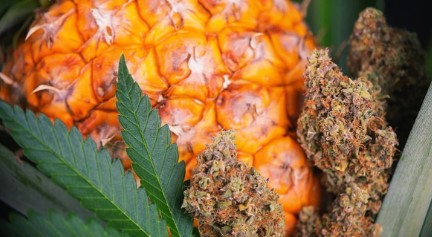
Strain Overview
- Strain Type: Indica-Dominant Hybrid (70% Indica / 30% Sativa)
- Genetics: Pineapple x Master Kush
- THC Content: 17% – 22%
- CBD Content: 0.5% – 1%
- Dominant Terpenes: Myrcene, Limonene, Caryophyllene
- Flowering Time: 8 – 10 weeks
- Flavor Profile: Sweet pineapple, citrus, vanilla, earthy
- Effects: Relaxing, euphoric, uplifting, sedative
- Best Used For: Stress relief, anxiety, pain management, insomnia, appetite stimulation
Genetic Background & Breeding
Pineapple Kush is a cross between Pineapple and Master Kush, two well-known cannabis strains.
Parental Strains
- Pineapple – A sativa-dominant hybrid with a tropical aroma, uplifting effects, and high THC content.
- Master Kush – A pure indica strain with sedative effects, earthy flavor, and strong body relaxation properties.
By blending these two strains, Pineapple Kush inherits the fruity flavors of Pineapple with the calming, full-body effects of Master Kush. This combination makes it a sought-after strain for both medical and recreational users.
Chemical Composition & Cannabinoid Profile
THC Content
- Pineapple Kush typically has THC levels between 17% and 22%, making it moderately potent. It provides a strong cerebral high combined with full-body relaxation.
CBD Content
- The CBD content is relatively low (0.5% – 1%), meaning it is not primarily used for conditions that require high CBD doses (e.g., epilepsy). However, it still offers some therapeutic benefits.
Minor Cannabinoids
- CBG (Cannabigerol) – Found in small amounts (~0.5%). Known for anti-inflammatory and neuroprotective properties.
- CBC (Cannabichromene) – May contribute to pain relief and mood regulation.
Methods of Ingestion & Their Effects
A. Inhalation (Smoking & Vaping)
1. Smoking (Combustion)
- Method: Burning dried Pineapple Kush flower and inhaling the smoke.
- Common Forms: Joints, blunts, pipes, bongs.
- Onset Time: 1–5 minutes
- Peak Effects: 30–60 minutes
- Total Duration: 2–4 hours
- Bioavailability: 20–37% (due to combustion losses).
- Absorption Mechanism: THC enters the bloodstream through the alveoli in the lungs, reaching peak plasma levels quickly.
2. Vaporization (Vaping)
- Method: Heating cannabis flower or concentrate to release cannabinoids without combustion.
- Common Forms: Dry herb vaporizers, oil cartridges, dab rigs.
- Onset Time: 1–5 minutes
- Peak Effects: 30–60 minutes
- Total Duration: 2–4 hours
- Bioavailability: 40–56% (higher than smoking because no combustion loss).
- Advantages Over Smoking: Reduced toxic byproducts, better terpene preservation.
B. Oral Consumption (Edibles, Tinctures, Capsules)
1. Edibles
- Method: Eating food infused with Pineapple Kush extracts.
- Common Forms: Gummies, baked goods, chocolates, beverages.
- Onset Time: 30–120 minutes (due to digestion and liver metabolism).
- Peak Effects: 2–3 hours after ingestion.
- Total Duration: 6–8 hours (sometimes up to 12 hours in high doses).
- Bioavailability: 4–20% (varies due to first-pass metabolism in the liver).
- Metabolism: THC is converted into 11-Hydroxy-THC, which is more potent and longer-lasting than delta-9-THC.
2. Sublingual (Tinctures, Oils)
- Method: Dropping cannabis extract under the tongue and holding it for absorption.
- Common Forms: Alcohol-based tinctures, oil-based drops.
- Onset Time: 15–45 minutes (partially bypasses the digestive system).
- Peak Effects: 1–2 hours.
- Total Duration: 4–6 hours.
- Bioavailability: 10–35% (higher than edibles because of direct mucosal absorption).
- Mechanism: THC is absorbed directly into the bloodstream via capillaries under the tongue.
C. Topical Application (Creams, Patches, Transdermal Gels)
1. Cannabis Creams & Lotions
- Method: Applying cannabis-infused topicals directly to the skin.
- Onset Time: 15–60 minutes.
- Total Duration: 2–4 hours.
- Bioavailability: Minimal systemic absorption (localized effects only).
- Best For: Localized pain, inflammation, skin conditions.
2. Transdermal Patches
- Method: Adhesive patches that deliver cannabinoids through the skin into the bloodstream.
- Onset Time: 30–60 minutes.
- Total Duration: 8–12 hours.
- Bioavailability: Up to 80% (direct bloodstream absorption).
- Advantage: Long-lasting and consistent cannabinoid release.
Comparative Analysis of Onset & Duration by Method
| Method | Onset Time | Peak Effects | Duration | Bioavailability |
|---|---|---|---|---|
| Smoking | 1–5 min | 30–60 min | 2–4 hours | 20–37% |
| Vaping | 1–5 min | 30–60 min | 2–4 hours | 40–56% |
| Edibles | 30–120 min | 2–3 hours | 6–8 hours | 4–20% |
| Tinctures | 15–45 min | 1–2 hours | 4–6 hours | 10–35% |
| Topicals | 15–60 min | Local effects | 2–4 hours | Minimal |
| Transdermal | 30–60 min | 1–3 hours | 8–12 hours | Up to 80% |
Scientific Explanation of THC Absorption & Metabolism
A. Inhalation (Lung Absorption)
- Fastest onset because THC enters the bloodstream directly via lung alveoli.
- Avoids first-pass metabolism in the liver.
- Leads to a shorter, more intense high.
B. Oral Ingestion (Digestive Absorption)
- THC is metabolized in the liver into 11-Hydroxy-THC via first-pass metabolism.
- 11-OH-THC is more potent and lasts longer than delta-9-THC.
- Explains why edibles take longer to kick in but produce a stronger effect.
C. Sublingual (Mucosal Absorption)
- Absorbed directly into the bloodstream via oral mucosa, partially bypassing the liver.
- Faster than edibles but lasts shorter than ingested THC.
D. Topical & Transdermal (Skin Absorption)
- Regular topicals do not enter the bloodstream; they act locally on CB2 receptors.
- Transdermal patches allow cannabinoids to enter the bloodstream gradually.
Factors Affecting Absorption & Effects
A. Individual Physiology
- Metabolism Speed: Faster metabolism reduces the duration of effects.
- Body Fat Percentage: THC is lipophilic (fat-soluble) and accumulates in fat cells.
- Tolerance Level: Regular users may require higher doses.
B. Food Intake & Diet
- Edibles are absorbed better with fatty foods (THC is fat-soluble).
- Grapefruit juice inhibits THC metabolism, making effects last longer.
C. Terpene Interactions (Entourage Effect)
- Myrcene: Increases THC absorption and enhances sedative effects.
- Limonene: Enhances mood and boosts cerebral effects.
- Caryophyllene: Modulates CB2 receptors, reducing inflammation.
Conclusion: Best Method for Different Users
- Fast Relief: Vaping or Smoking
- Long-Lasting Effects: Edibles or Transdermal Patches
- Controlled Dosage & Mild Effects: Tinctures
- Localized Pain Management: Topicals
Terpene Profile & Aroma
Terpenes are aromatic compounds that contribute to Pineapple Kush’s flavor and medicinal properties.
Dominant Terpenes
- Myrcene (Herbal, Earthy)
- Sedative and muscle relaxant properties.
- Enhances THC’s psychoactive effects (couch-lock effect).
- Helps with pain relief and sleep disorders.
- Limonene (Citrus, Sweet)
- Uplifting and mood-enhancing.
- May help with stress, anxiety, and depression.
- Anti-inflammatory and anti-cancer properties.
- Caryophyllene (Peppery, Spicy)
- Known for its anti-inflammatory and pain-relieving properties.
- Interacts with CB2 receptors in the body, making it beneficial for chronic pain conditions.
Other Minor Terpenes
- Humulene: Appetite suppressant, anti-inflammatory.
- Pinene: Enhances focus, bronchodilator.
- Linalool: Calming, anti-anxiety, sleep aid.
Aroma & Flavor
- Aroma: Sweet, tropical, with strong notes of pineapple, citrus, and a hint of vanilla.
- Taste: Sweet pineapple with creamy undertones and a smooth, earthy aftertaste.
Medical Uses of Pineapple Kush
Pineapple Kush has several medical applications, particularly in treating mood disorders, pain, and sleep-related conditions.
Mental Health Benefits
- Anxiety & Stress Relief: The presence of limonene and myrcene provides mood-enhancing and calming effects, making it suitable for reducing anxiety and stress.
- Depression: The uplifting and euphoric effects help in combating depression.
- PTSD: Provides mental relaxation and helps users feel more at ease.
Pain Management
- Chronic Pain: THC and caryophyllene contribute to pain relief by interacting with CB1 and CB2 receptors.
- Migraines & Headaches: The analgesic effects make it effective for treating migraines.
- Muscle Spasms & Inflammation: Myrcene’s muscle-relaxing properties help with muscle tension and spasms.
Neurological Conditions
- Insomnia: The sedative effects of myrcene and linalool make it beneficial for sleep disorders.
- Epilepsy & Seizures: Though CBD content is low, the overall cannabinoid profile may provide some anti-seizure benefits.
Appetite Stimulation & Digestive Disorders
- Loss of Appetite: Useful for patients undergoing chemotherapy or suffering from appetite loss.
- Nausea & Vomiting: THC and limonene help reduce nausea, making it suitable for cancer patients undergoing chemotherapy.
Recreational Uses of Pineapple Kush
Effects
- Euphoria & Happiness: Users often experience a sense of joy and relaxation.
- Creativity Boost: Enhances creativity in some users, making it good for artistic activities.
- Body Relaxation: Induces full-body relaxation without excessive sedation at moderate doses.
- Couch-Lock at Higher Doses: Can become highly sedative if taken in larger amounts.
- Mild Psychedelic Effects: Some users report mild visual enhancements and altered perception.
Best Situations for Use
- Evening & Nighttime Use: Best for relaxation after a long day.
- Social Gatherings: Enhances mood and social interactions.
- Movie Watching & Music: Enhances sensory perception.
- Outdoor Activities: Low doses can make nature walks and beach trips more enjoyable.
Scientific Studies & Research on Pineapple Kush
Cannabinoid Interaction with the Endocannabinoid System
- THC binds to CB1 receptors in the brain, inducing psychoactive effects.
- CBD & CBG interact with CB2 receptors, modulating pain and inflammation.
- Caryophyllene’s Unique Interaction – This terpene is a CB2 receptor agonist, giving it pain-relieving properties similar to cannabinoids.
Medical Research & Studies
- Pain Management: Studies show that THC and caryophyllene provide analgesic effects, making Pineapple Kush useful for chronic pain.
- Anxiety & Depression: Limonene’s antidepressant properties have been studied in animal models, showing significant mood improvements.
- Sleep & Insomnia: Myrcene and linalool have been studied for their sedative effects, confirming their role in sleep enhancement.
Growing Information
Germination & Seedling Stage
Germination Methods
- Paper Towel Method: Place Pineapple Kush seeds between moist paper towels in a warm, dark environment (75–80°F / 24–27°C).
- Direct-to-Soil: Plant seeds 0.5 inches deep in moist, well-aerated soil with a pH of 6.0 – 6.5.
- Water Soaking: Soak seeds in room-temperature water for 24 hours before planting.
Optimal Conditions
- Humidity: 70–80%
- Temperature: 75–80°F (24–27°C)
- Light Schedule: 18–24 hours of light per day
Vegetative Stage
This phase is crucial for structural growth and preparing the plant for flowering.
Light Requirements
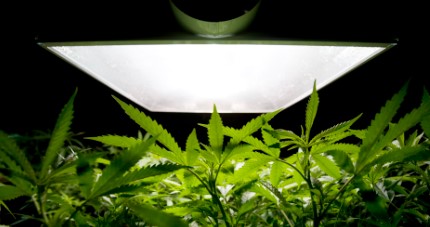
- Indoor: LED or HPS lights with a 18/6 light schedule (18 hours light, 6 hours dark).
- Outdoor: Requires 6+ hours of direct sunlight per day.
Nutrient Requirements
- Macronutrients:
- Nitrogen (N): High levels to support leaf and stem growth.
- Phosphorus (P): Moderate to promote root development.
- Potassium (K): Essential for disease resistance and overall health.
- Micronutrients:
- Calcium & Magnesium: Prevent deficiencies that cause leaf yellowing.
- Iron & Zinc: Help with enzyme production and chlorophyll synthesis.
Environmental Factors
- Temperature: 70–85°F (21–29°C)
- Humidity: 50–70%
- pH Levels: 6.0 – 6.5 (soil) or 5.5 – 6.0 (hydroponics)
- CO₂ Enhancement: Boosting CO₂ to 1000–1500 ppm increases growth rate.
Training Techniques
- Topping & FIMing: Encourage lateral growth for higher yields.
- Low-Stress Training (LST): Bending branches to increase light exposure.
- Screen of Green (ScrOG): Uses a net to support horizontal growth.
Flowering Stage
Pineapple Kush begins flowering when the light cycle shifts to 12/12 (12 hours light, 12 hours dark).
Key Flowering Conditions
- Duration: 8–10 weeks
- Temperature: 65–80°F (18–27°C) (Lower temps enhance terpene production.)
- Humidity: 40–50% (Prevents mold & bud rot.)
- Nutrients:
- Lower Nitrogen
- Increase Phosphorus & Potassium for bud development.
- Boost Sulfur & Magnesium to enhance terpene and resin production.
Scientific Factors for Maximizing THC & Terpene Levels
- UV-B Light Exposure: Increases THC production by triggering cannabinoid synthesis.
- Cold Shock Before Harvest: Exposing plants to 55°F (13°C) for the last 2 weeks can enhance anthocyanin production, improving color and flavor.
- Dark Period Before Harvest: Leaving plants in 48 hours of darkness boosts resin production.
Harvesting & Curing
Harvest Indicators
- Trichome Maturity: Use a jewelers’ loupe (60x magnification):
- Clear Trichomes = Too Early
- Milky White Trichomes = Peak THC
- Amber Trichomes = More Sedative Effect
- Pistil Color: 70–90% of pistils should turn orange or brown.
Drying & Curing
- Drying Conditions:
- 60–70°F (15–21°C)
- 50–60% humidity
- 7–14 days drying time
- Curing Process:
- Store buds in glass jars at 60–65% humidity.
- Open jars daily for gas exchange (burping) for 2–4 weeks.
- Curing enhances terpene preservation and smoothness.
Hydroponic vs. Soil Cultivation
Hydroponics (Soilless)
- Advantages: Faster growth, controlled Pineapple Kush nutrient uptake, higher yields.
- Methods:
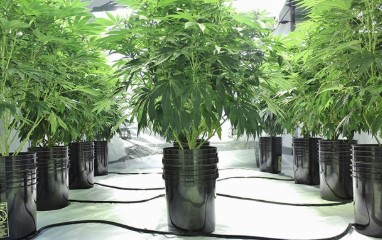
- Deep Water Culture (DWC): Roots suspended in oxygenated nutrient solution.
- Drip Irrigation: Precise delivery of nutrients via drippers.
- Aeroponics: Roots misted with nutrient solution.
Soil Cultivation
- Advantages: More natural terpene development, easier for beginners.
- Best Soil Type: Loamy, organic soil with perlite & coco coir for aeration.
Common Pests & Diseases
- Spider Mites: Prevent with neem oil or predatory insects.
- Powdery Mildew: Control Pineapple Kush mildew with silica & proper airflow.
- Root Rot: Avoid overwatering in hydroponics.
- Bud Rot: Maintain low humidity during flowering.
Scientific Approaches to Enhancing Yield
- Genetic Stabilization: Crossbreeding stable phenotypes.
- CRISPR Gene Editing: Enhancing disease resistance.
- Microbial Inoculation: Using beneficial bacteria (e.g., mycorrhizae) for nutrient uptake.
Potential Side Effects
While Pineapple Kush is well-tolerated, some users may experience:
- Dry Mouth & Dry Eyes (common with THC-rich strains).
- Dizziness or Lightheadedness (especially in new users or those with low tolerance).
- Mild Anxiety or Paranoia (at high doses).
- Increased Appetite (“Munchies”) (common in THC-dominant strains).
Conclusion
Pineapple Kush is a well-balanced hybrid with a unique combination of euphoria, relaxation, and therapeutic benefits. It is an excellent strain for managing stress, pain, and insomnia, while also being enjoyable for recreational users due to its tropical flavor and calming effects.
Its sweet pineapple aroma, strong but manageable potency, and wide range of medical applications make it a popular choice among cannabis consumers. Whether for medical relief or recreational enjoyment, Pineapple Kush offers a high-quality cannabis experience.
For a complete directory of cultivars, visit our Cannabis Strain Reviews.
