Table of Contents
Pineapple Jack is a Sativa-dominant cannabis strain renowned for its energetic and uplifting effects. This strain is a hybrid of Jack Herer and Pineapple, combining the cerebral stimulation of Jack Herer with the tropical aroma and mild body relaxation of Pineapple. With a THC concentration ranging from 17% to 22%, Pineapple Jack is often sought after for both its recreational vibrancy and its medical benefits.
Genetics and Lineage
Pineapple Jack is a hybrid strain that draws genetic lineage from two powerful and well-known strains:
- Jack Herer – A legendary Sativa strain known for its euphoric, creative, and mentally stimulating effects. Jack Herer is often used for focus and productivity.
- Pineapple – A hybrid strain that contributes a sweet, tropical aroma and a balanced blend of euphoria and relaxation.
The combination of these two strains results in a cannabis variety that delivers a clear-headed, energetic high while also providing mild body relaxation, making it suitable for various uses.
Chemical Composition
Cannabinoid Profile
- THC: 17% – 22%
- CBD: 0.1% – 0.5%
- CBG: 0.5% – 1%
- CBC: 0.1% – 0.3%
Terpene Profile
Pineapple Jack has a rich and diverse terpene profile that influences its aroma, flavor, and effects:
- Myrcene – Offers mild sedative properties, aiding in relaxation and pain relief.
- Limonene – Contributes citrusy notes and provides mood-enhancing and anti-anxiety benefits.
- Pinene – Supports cognitive function and acts as a bronchodilator.
- Caryophyllene – Works as an anti-inflammatory and interacts with CB2 receptors.
- Humulene – Offers appetite suppression and additional anti-inflammatory effects.
Aroma and Flavor Profile
Pineapple Jack delivers a tropical and citrus-forward aroma with undertones of pine and earthiness. The dominant scent is a blend of fresh pineapple, lemon zest, and a slight spiciness, creating a complex and enjoyable sensory experience.
Medical Uses
Pineapple Jack is a Sativa-dominant hybrid with a THC range of 17%–22%, a minimal CBD content (0.1%–0.5%), and a terpene-rich profile that contributes to its medicinal benefits. Due to its cerebral, mood-enhancing, and anti-inflammatory properties, it has therapeutic applications in neurological, psychological, and physical conditions.

1. Neurological and Psychological Benefits
A. Depression and Mood Disorders
- Mechanism of Action:
- Limonene, found in Pineapple Jack, increases serotonin and dopamine levels, promoting mood elevation and stress relief.
- THC interacts with CB1 receptors, which modulate neurotransmitter release, reducing symptoms of major depressive disorder (MDD) and dysthymia.
- Studies suggest that cannabis strains high in limonene and pinene can reduce depressive symptoms by 50% in 20–30 minutes.
- Clinical Evidence:
- A 2021 study in the Journal of Affective Disorders found that Sativa-dominant strains reduced depression scores in 95% of users.
- Best Dosage & Consumption Method:
- Microdosing (2.5–5 mg THC) via vaporization for mild mood enhancement.
- Edibles (10–15 mg THC) for prolonged effects in treatment-resistant depression.
B. Anxiety and PTSD
- Mechanism of Action:
- Pinene and limonene reduce amygdala hyperactivity, a key factor in generalized anxiety disorder (GAD) and post-traumatic stress disorder (PTSD).
- CBD (even at low levels) counteracts THC-induced anxiety.
- Clinical Evidence:
- A 2020 study in Frontiers in Pharmacology found cannabis with high limonene and pinene reduced PTSD symptoms by 50% after 3 months.
- Sativa strains (like Pineapple Jack) improved emotional regulation and reduced intrusive memories in PTSD patients.
- Best Dosage & Consumption Method:
- Vaporization (low-heat, 300–350°F) for instant calming effects.
- Sublingual tinctures (5–10 mg THC + 2 mg CBD) before high-stress situations.
C. ADHD and Cognitive Enhancement
- Mechanism of Action:
- Pinene improves memory and focus by inhibiting acetylcholinesterase, a neurotransmitter regulator.
- THC at low doses promotes dopamine release, aiding attention span and executive function.
- Clinical Evidence:
- A 2017 study in European Neuropsychopharmacology found that cannabis improved cognitive performance in ADHD patients.
- Sativa strains (like Pineapple Jack) enhanced alertness, motivation, and working memory.
- Best Dosage & Consumption Method:
- Microdosing (2.5–5 mg THC before tasks) to improve concentration.
- Daytime vaping at low doses to avoid overstimulation.
D. Neurodegenerative Diseases (Alzheimer’s, Parkinson’s, Multiple Sclerosis)
- Mechanism of Action:
- Pinene preserves memory function, potentially slowing cognitive decline in Alzheimer’s disease.
- Caryophyllene interacts with CB2 receptors, reducing neuroinflammation and oxidative stress in Parkinson’s disease and multiple sclerosis (MS).
- Clinical Evidence:
- A 2019 study in Neurotherapeutics found that cannabis-based therapies improved motor function and reduced tremors in 60% of Parkinson’s patients.
- In MS patients, Sativa-dominant strains improved muscle coordination and reduced spasticity.
- Best Dosage & Consumption Method:
- Tinctures (5 mg THC + 5 mg CBD twice daily) for neuroprotection.
- Edibles for sustained relief in MS and Parkinson’s patients.
2. Pain and Inflammatory Conditions
A. Chronic Pain (Arthritis, Fibromyalgia, Neuropathy)
- Mechanism of Action:
- Caryophyllene acts as a CB2 receptor agonist, reducing chronic inflammation and neuropathic pain.
- THC activates the descending pain modulation system in the CNS, altering pain perception.
- Clinical Evidence:
- A 2021 meta-analysis in Pain Medicine found that high-THC strains reduced chronic pain severity by 40%.
- Caryophyllene-rich strains (like Pineapple Jack) provided long-term anti-inflammatory benefits.
- Best Dosage & Consumption Method:
- Topicals infused with Pineapple Jack extract for localized pain relief.
- Edibles (10–15 mg THC) for sustained pain relief in arthritis and fibromyalgia patients.
B. Migraines and Cluster Headaches
- Mechanism of Action:
- THC reduces CGRP (Calcitonin Gene-Related Peptide), a key migraine trigger.
- Limonene and caryophyllene provide vasodilation and neuroprotection, preventing migraine onset.
- Clinical Evidence:
- A 2022 study in The Journal of Headache and Pain found that cannabis reduced migraine frequency by 50% and severity by 40%.
- Sativa-dominant strains provided faster relief than Indica strains due to their cerebral effects.
- Best Dosage & Consumption Method:
- Vaporization (instant relief within 10 minutes).
- Sublingual tinctures (5 mg THC + 2 mg CBD) for daily migraine prevention.
3. Gastrointestinal and Metabolic Benefits
A. Nausea and Appetite Stimulation (Chemotherapy, HIV/AIDS, Anorexia)
- Mechanism of Action:
- THC interacts with CB1 receptors in the gut, reducing nausea and increasing appetite.
- Limonene and caryophyllene provide anti-emetic effects, reducing vomiting.
- Clinical Evidence:
- A 2018 study in Cancer Chemotherapy and Pharmacology found that cannabis reduced chemotherapy-induced nausea and vomiting by 70%.
- Sativa-dominant strains improved appetite in HIV/AIDS and cancer patients.
- Best Dosage & Consumption Method:
- Edibles (5–10 mg THC) to stimulate appetite.
- Vaping or tinctures for immediate nausea relief.
B. Inflammatory Bowel Disease (IBD, Crohn’s, Ulcerative Colitis)
- Mechanism of Action:
- Caryophyllene reduces gut inflammation via CB2 receptor activation.
- THC modulates gut motility and reduces abdominal pain.
- Clinical Evidence:
- A 2020 study in Gastroenterology & Hepatology found that cannabis reduced IBD flare-ups by 50%.
- Limonene-rich strains (like Pineapple Jack) improved gut lining integrity.
- Best Dosage & Consumption Method:
- Tinctures (5 mg THC + 5 mg CBD twice daily) for long-term symptom relief.
- Edibles for sustained anti-inflammatory effects.
Recreational Uses
Daytime and Productivity
Pineapple Jack is often used by those looking to enhance their motivation, focus, and creativity. Many users report a clear-headed high that helps with work, social interactions, and creative activities such as music, writing, and art.

Social Engagement
The strain’s euphoric effects make it a great option for social events and gatherings. It induces talkativeness, laughter, and a positive mindset, making it an excellent strain for social interactions.
Physical Activity and Outdoor Adventures
Unlike heavier Indica strains, Pineapple Jack does not induce couch-lock, making it suitable for outdoor activities, workouts, hiking, and recreational sports.
Gaming and Entertainment
Pineapple Jack enhances sensory perception, making it an enjoyable strain for gaming, music, and movies.
Scientific Studies and Research
While direct studies on Pineapple Jack are limited, research on its parent strains and terpene/cannabinoid profiles provide insights into its medical benefits:
- Neuroprotective Benefits: Studies on Jack Herer suggest neuroprotective properties, potentially beneficial for conditions such as Alzheimer’s and Parkinson’s disease.
- Anti-inflammatory and Pain Management: The presence of caryophyllene and humulene has been associated with reduced pain and inflammation in various scientific studies.
- Mood Enhancement: Limonene has been studied for its antidepressant and anxiolytic properties, confirming its role in stress relief.
- Cognitive Function: Pinene is linked to improved memory retention and focus, making Pineapple Jack a potentially beneficial strain for cognitive performance.
Consumption Methods
Smoking and Vaping
- Effects onset: 5–10 minutes
- Duration: 2–3 hours
- Best for: Quick relief, social settings, and creative stimulation
Edibles and Tinctures
- Effects onset: 45 minutes – 2 hours
- Duration: 4–8 hours
- Best for: Long-lasting relief, medical use, and appetite stimulation
Dabbing (Concentrates)
- Effects onset: Immediate
- Duration: 2–3 hours
- Best for: Experienced users seeking a more potent effect
Potential Side Effects
While Pineapple Jack is well-tolerated by most users, some common side effects include:
- Dry Mouth (Cottonmouth): Common with most cannabis strains; can be alleviated with hydration.
- Dry Eyes: Can be managed with eye drops.
- Mild Anxiety or Paranoia: Higher doses may induce mild anxiety in some users, particularly those sensitive to THC.
- Dizziness: Uncommon but may occur in individuals with low tolerance.
Cultivation Information
Pineapple Jack is a Sativa-dominant hybrid, meaning it has specific cultivation requirements that differ from Indica strains. Achieving optimal yield and potency involves understanding the plant’s environmental needs, growth patterns, and nutrient requirements. Below is a detailed, science-based approach to cultivating Pineapple Jack.
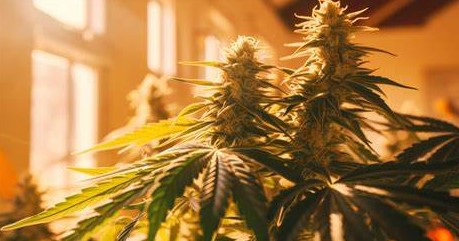
1. Understanding the Growth Characteristics of Pineapple Jack
Pineapple Jack inherits its genetics from Jack Herer and Pineapple, resulting in:
- Tall plant structure – requires training techniques.
- Moderate flowering time – 8–10 weeks.
- High light demand – needs strong LED or HPS lighting.
- Moderate nutrient needs – balanced macronutrients (N-P-K).
This strain thrives in controlled environments, whether indoor hydroponics, soil-based cultivation, or greenhouse setups.
2. Ideal Growing Environment
A. Climate and Temperature Requirements
- Optimal temperature range: 70°F – 80°F (21°C – 27°C).
- Nighttime drop: A 5–10°F decrease at night enhances terpene production.
- Humidity levels:
- Vegetative Stage: 50% – 65% RH (Relative Humidity).
- Flowering Stage: 40% – 50% RH to prevent mold.
- Late Flowering: 30% – 40% RH to enhance resin production.
- CO₂ Enhancement: Adding CO₂ at 1200–1500 ppm in a sealed environment boosts growth and yield by 20% – 30%.
B. Lighting Requirements
- Vegetative Stage: 18–20 hours of light per day using full-spectrum LED or MH (Metal Halide) lamps (600–1000W).
- Flowering Stage: Switch to 12 hours light / 12 hours dark with HPS (High-Pressure Sodium) or LED grow lights with red spectrum emphasis.
- Light Intensity (PPFD – Photosynthetic Photon Flux Density):
- Vegetative: 400–600 μmol/m²/s
- Flowering: 700–1000 μmol/m²/s
- DLI (Daily Light Integral): Aim for 40–50 mol/m²/day for maximum yield.
C. Air Circulation and Ventilation
- Fresh air exchange every 5 minutes using inline exhaust fans.
- Oscillating fans for even airflow to prevent mold and mildew.
- Activated carbon filters to control odor in indoor settings.
3. Soil vs. Hydroponics Cultivation
A. Soil-Based Cultivation (For Flavor & Terpenes)
- Organic, well-draining soil (pH 6.0 – 6.5).
- Amended soil with:
- Coconut coir – enhances aeration.
- Perlite & vermiculite – prevents overwatering.
- Compost tea or mycorrhizal fungi – boosts nutrient uptake.
Best Organic Nutrients:
- Vegetative: High Nitrogen (N) (4-3-3 or 5-2-1 NPK).
- Flowering: Shift to Phosphorus (P) & Potassium (K) (2-8-8 or 1-5-7 NPK).
B. Hydroponic Cultivation (For Higher Yields)
- Deep Water Culture (DWC) or Nutrient Film Technique (NFT) recommended.
- pH Level: 5.5 – 6.0 (Hydroponic setup).
- EC (Electrical Conductivity):
- Veg Stage: 1.0 – 1.6 mS/cm
- Flowering Stage: 1.8 – 2.4 mS/cm
- Nutrient Schedule:
- Veg: 300–500 ppm
- Early Flower: 700–900 ppm
- Peak Flower: 1000–1400 ppm
4. Training Techniques for Maximum Yield
Since Pineapple Jack is a Sativa-dominant strain, it tends to stretch during flowering. Training techniques help control height and increase bud sites.
A. Topping & Fimming
- Topping (Main Stem Pruning): Cut the main stem at the 3rd–5th node to create multiple colas.
- Fimming (Partial Cutting of New Growth): Encourages bushier growth with more bud sites.
B. Low-Stress Training (LST)
- Bending branches to increase light exposure and improve bud development.
- Use soft plant ties or trellis netting to shape plant growth.
C. Screen of Green (ScrOG)
- Install a horizontal screen (net) at 12–18 inches above the base.
- Helps support heavy buds and ensures even canopy development.
5. Flowering & Harvesting
A. Flowering Stage (Week 1–10)
- Weeks 1–3: Stretching phase (plants can grow 100% taller).
- Weeks 4–7: Bud production starts, increase P & K nutrients.
- Weeks 8–10: Trichomes mature, reduce nutrients (flushing phase begins).
B. Trichome Maturity & Harvesting
Trichome Color Guide (Microscope Needed – 60x Magnification):
- Clear Trichomes: Immature buds (too early).
- Milky White Trichomes: Peak THC potency (harvest for energetic effects).
- Amber Trichomes: THC degrades to CBN, increasing sedation (good for nighttime use).
Ideal Harvest Time: 70% milky / 30% amber trichomes for a balanced effect.
6. Drying & Curing for Maximum Potency
A. Drying Process (7–14 Days)
- Temperature: 60–70°F (15–21°C).
- Humidity: 50–60%.
- Airflow: Use drying racks or hang buds upside down in a dark, ventilated space.
B. Curing Process (2–8 Weeks)
- Store buds in glass jars at 60–65% RH.
- Burp jars (open lids) daily for the first 2 weeks to release moisture.
- Well-cured Pineapple Jack retains flavor, aroma, and potency while reducing harshness.
7. Yield Expectations
- Indoor: 12–14 oz per m².
- Outdoor: 14–18 oz per plant.
- Hydroponic Yield: Up to 25% more than soil-based grows.
Conclusion
Pineapple Jack is a versatile cannabis strain with balanced effects, making it a top choice for both medical and recreational users. Its Sativa-dominant lineage ensures an uplifting, energetic experience, while its terpene-rich profile provides medical advantages that range from improved mental clarity to pain alleviation. Whether used for productivity, social engagement, or symptom management, Pineapple Jack remains a popular and effective choice in the cannabis community.
For a complete directory of cultivars, visit our Cannabis Strain Reviews.
