Table of Contents
Pineapple Haze is a sativa-dominant hybrid cannabis strain renowned for its tropical, fruity aroma and uplifting cerebral effects. It is a cross between two potent cultivars:
- Pineapple – a hybrid known for its sweet tropical flavors and gentle body high
- Haze – a legendary sativa strain celebrated for its long-lasting euphoric and energetic effects
This pairing results in a strain that is high in THC, moderately potent in minor cannabinoids, and rich in aromatic terpenes. Pineapple Haze is widely regarded for its daytime functionality, creative enhancement, and potential therapeutic applications for mood, pain, fatigue, and neurological issues.
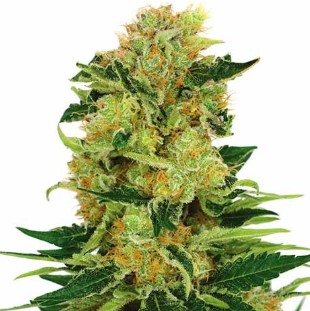
Genetic Lineage and Cultivar Classification
| Characteristic | Details |
|---|---|
| Genetics | Pineapple × Haze |
| Type | Sativa-dominant hybrid (typically ~70% sativa / 30% indica) |
| THC Content | 18–25% (varies by phenotype and grow conditions) |
| CBD Content | ~0.1–1.5% |
| Other Cannabinoids | Trace amounts of CBG, CBC, THCV |
| Aroma/Flavor | Tropical pineapple, citrus, spicy haze, floral |
| Flowering Time | 9–11 weeks (indoor) |
| Effect Duration | 2–4 hours (inhaled), 4–6 hours (edible) |
Cannabinoid and Terpene Profile
Major Cannabinoids
| Cannabinoid | Role in Pineapple Haze |
|---|---|
| THC | Predominant; produces euphoria, analgesia, appetite stimulation |
| CBD | Trace amounts; balances THC’s psychoactivity, adds anxiolytic and anti-inflammatory effects |
| CBG | Contributes to neuroprotection and anti-anxiety effects |
| CBC | Enhances anti-inflammatory and antidepressant properties |
| THCV | Found in some phenotypes; may modulate THC effects and aid with metabolic regulation |
Pineapple Haze is not a high-CBD strain, so its therapeutic effects largely come from THC and terpene synergy rather than strong CBD action. However, even low levels of CBD, CBG, and CBC contribute to modulating the psychoactive profile and enhancing the entourage effect.
Terpene Composition
The strain’s distinctive aroma and therapeutic properties are shaped by its terpene spectrum:
| Terpene | Flavor/Aroma | Medical Action |
|---|---|---|
| Limonene | Citrus, pineapple | Antidepressant, anxiolytic, anti-inflammatory |
| Myrcene | Earthy, herbal | Sedative, analgesic, muscle relaxant |
| Pinene | Pine, herbal | Bronchodilator, memory enhancer, anti-inflammatory |
| Caryophyllene | Spicy, peppery | Binds to CB2 receptors; anti-inflammatory, pain relief |
| Ocimene | Sweet, tropical | Decongestant, antifungal, uplifting mood effects |
| Humulene | Woody, hops | Anti-inflammatory, appetite suppressant |
Pharmacological Mechanisms of Action
Pineapple Haze’s therapeutic effects arise from multi-target interactions involving the endocannabinoid system (ECS) and other signaling pathways:

1. CB1 Receptor Activation (by THC)
- Found in the central nerve system and brain
- Modulates pain perception, mood, memory, appetite, and coordination
- THC acts as a partial agonist, dampening excitatory neurotransmission (e.g., glutamate), reducing pain, and increasing dopamine release (euphoria)
2. CB2 Receptor Modulation (by caryophyllene, CBG)
- Found on immune cells and peripheral tissues
- Regulates inflammation and immune responses
- Activation reduces cytokine release and supports anti-inflammatory outcomes
3. TRP Channels (via CBD, CBG, CBC)
- TRPV1, TRPA1, TRPM8: Involved in pain, heat perception, and inflammation
- Non-THC cannabinoids in Pineapple Haze interact with these channels to support analgesia and neuroprotection
4. Serotonin (5-HT1A) and Dopamine Modulation
- CBD and limonene may act on 5-HT1A receptors to reduce anxiety
- THC and pinene increase dopamine release, improving mood and motivation
5. Acetylcholine and Memory (via pinene)
- Pinene inhibits acetylcholinesterase, preserving acetylcholine levels
- This supports memory, learning, and may counteract THC-induced short-term memory impairment
Medical Applications: Evidence-Based Insights

Pineapple Haze for Specific Medical Conditions
1. Depression and Mood Disorders
- Mechanisms:
- THC enhances dopamine signaling → increased motivation, pleasure
- Limonene and CBD modulate serotonin (5-HT1A)
- CBC may promote neurogenesis in the hippocampus
- Use Case:
- Daytime treatment for low mood, anhedonia, seasonal affective disorder (SAD)
- May assist in treatment-resistant depression when used alongside therapy
- Dose Guidance:
- Low to moderate doses to avoid anxiety or over-stimulation
2. Anxiety and Stress Disorders
- Effect Profile:
- Pinene and limonene enhance mental clarity.
- CBG and CBD balance sympathetic overactivation
- Caryophyllene reduces inflammation-driven anxiety via CB2
- Use Case:
- Situational anxiety, social anxiety, performance stress
- Mild general anxiety when stimulating effects are desired
- Caution:
- High-THC doses can be counterproductive in GAD or panic disorders
- Microdosing or CBD co-administration can mitigate overstimulation
3. Chronic Pain and Inflammation
- Mechanisms:
- THC and CBD reduce nociceptive signaling in dorsal horn neurons
- Myrcene, caryophyllene, and humulene offer non-cannabinoid anti-inflammatory activity
- TRP channel activation by CBC, CBD, and CBG regulates pain threshold
- Conditions Helped:
- Neuropathic pain (sciatica, diabetic neuropathy)
- Autoimmune joint conditions (RA, lupus)
- Post-surgical or musculoskeletal pain
- Administration:
- Vaporized flower or tinctures for systemic relief
- Topicals enriched with Pineapple Haze terpenes may help localized pain
4. Cognitive Dysfunction and Mental Fatigue
- Cognitive Targets:
- Pinene preserves memory function
- CBG stimulates neuroprotective pathways
- Limonene may enhance attention span and engagement
- Helpful For:
- ADHD (low-dose, task-focused use)
- Mild cognitive impairment (MCI)
- Brain fog (long-COVID, chronic fatigue, fibromyalgia)
- Optimal Use:
- Microdosing during peak alert hours
- Combining with task-based activities or cognitive therapy
5. Appetite Loss and Digestive Disorders
- Action Mechanism:
- THC stimulates ghrelin and endocannabinoid signaling in the hypothalamus
- Limonene and caryophyllene reduce gastric irritation
- CBG has shown efficacy in models of IBD and gut dysregulation
- Clinical Indications:
- Chemotherapy-induced anorexia
- HIV/AIDS-related wasting
- IBS, Crohn’s, and ulcerative colitis (symptom relief)
6. Neurological and Neurodegenerative Disorders
- Neuroprotective Effects:
- Cannabinoids reduce oxidative stress and excitotoxicity
- TRP channel modulation may prevent calcium overload in neurons
- Anti-inflammatory action in microglia slows degeneration
- Therapeutic Potential:
- Early-stage Alzheimer’s, Parkinson’s, or MS
- Neuropathies from diabetes or trauma
- Adjunctive relief in epilepsy (if CBD is present)
V. Additional Medical Applications
Sleep Support
- While Pineapple Haze is not a classic sedative strain, it may help:
- Improve sleep latency (faster time to sleep)
- Regulate sleep–wake cycle in depressive insomnia
- Reduce sleep fragmentation in anxiety-related cases
PMS and Menstrual Relief
- THC and caryophyllene modulate uterine muscle spasms
- Myrcene contributes to muscle relaxation and cramp relief
- Limonene improves mood during luteal phase dysphoria
VI. Safety, Side Effects, and Medical Considerations
| Potential Effect | Mechanism | Prevention/Management |
|---|---|---|
| Anxiety/Paranoia | High-dose CB1 stimulation | Use CBD or lower THC dose |
| Dry Mouth | Cannabinoid effect on salivary glands | Hydration, lozenges |
| Tachycardia | Sympathetic activation from THC | Avoid stimulants; reduce dose |
| Impairment (cognitive/motor) | CB1 disruption in prefrontal cortex | Avoid driving or operating machinery |
| Tolerance | CB1 receptor downregulation | Use tolerance breaks |
VII. Dosing Recommendations (General Medical Use)
| Use Case | Route | Start Dose (THC) | Frequency |
|---|---|---|---|
| Depression | Inhaled/Vape | 2.5–5 mg | Morning or early afternoon |
| Anxiety | Vape/Microdose | 1–2.5 mg | 1–2x daily |
| Pain (moderate) | Edible/Tincture | 5–10 mg | Every 4–6 hrs PRN |
| Fatigue & Focus | Inhaled/Edible | 1–3 mg (low dose) | Mid-morning |
| Appetite Loss | Inhaled | 5–10 mg | 30 min before meals |
Note: These are approximate; individual tolerance and medical conditions should guide final dosage decisions.
Cultivation Science
I. Cultivar Summary: Agronomic Traits of Pineapple Haze
| Feature | Description |
|---|---|
| Genetics | Pineapple × Haze (Sativa-dominant hybrid) |
| Dominance | ~70% Sativa / ~30% Indica |
| Growth Habit | Tall, lanky with long internodal spacing |
| Flowering Period | 9–11 weeks (indoor); late October (outdoor) |
| Yield Potential | Moderate to high (400–600 g/m² indoor) |
| Preferred Climate | Warm, semi-humid Mediterranean-like environments |
| Cultivation Difficulty | Intermediate to advanced |
Pineapple Haze is known for vigorous vegetative growth, substantial apical dominance, and susceptibility to stretching during the early flowering stage. Optimized training and stress mitigation strategies are essential to control its vertical growth and encourage productive branching.
II. Light Science and Photoperiod Optimization
1. Light Intensity and Spectral Quality
Pineapple Haze responds well to high-intensity full-spectrum lighting, particularly in environments with:
- High Photosynthetic Photon Flux Density (PPFD): 600–900 µmol/m²/s during vegetative stage; 900–1100 µmol/m²/s during flowering.
- Blue light (400–500 nm) in veg: Promotes compact node spacing and chloroplast development.
- Red and Far-Red light (620–730 nm) in flowering: Encourages floral development, phytochrome signaling, and energy efficiency.
UV-B supplementation (280–320 nm) during late flowering (last 10–14 days) can upregulate trichome production and cannabinoid synthesis by activating DNA repair mechanisms and secondary metabolite stress pathways (e.g., flavonoid and terpene biosynthesis).
2. Photoperiod Protocol
| Growth Phase | Photoperiod | Purpose |
|---|---|---|
| Vegetative | 18/6 (light/dark) | Maximize leaf development and root mass |
| Transition Week | 14/10 | Smoother hormonal shift |
| Flowering | 12/12 | Trigger floral development via phytochrome response |
A brief photoperiod tapering from 18/6 to 12/12 can reduce photoperiod shock and help stabilize hormonal transitions (gibberellins and florigen interaction) in sativa-dominant hybrids.
III. Environmental Control: Temperature, Humidity, and VPD
Maintaining ideal Vapor Pressure Deficit (VPD) throughout the growth cycle supports healthy transpiration, nutrient transport, and pathogen resistance.
| Stage | Temp (Day/Night °C) | Humidity (%RH) | Target VPD (kPa) |
|---|---|---|---|
| Seedling | 23/20 | 65–75 | 0.5–0.8 |
| Vegetative | 25–28/20–22 | 60–70 | 0.8–1.1 |
| Early Flower | 24–26/18–20 | 50–60 | 1.1–1.3 |
| Late Flower | 22–24/16–18 | 40–45 | 1.3–1.6 |
Why VPD Matters:
- A correct VPD allows for optimal stomatal function and CO₂ intake.
- Excessively low VPD leads to damp, stagnant microclimates — ideal for mold (e.g., Botrytis).
- High VPD causes stomatal closure and nutrient deficiencies, particularly calcium and magnesium.
IV. Nutrient Management and Biochemistry
Pineapple Haze is a moderate-to-heavy feeder, especially during mid-to-late flower. Precision nutrient strategies are required to support cannabinoid and terpene production.
Macronutrient Demand by Phase
| Growth Stage | N | P | K | Ca, Mg, S |
|---|---|---|---|---|
| Vegetative | High | Medium | High | Moderate |
| Early Flower | Medium | High | High | High (Ca, Mg) |
| Mid–Late Flower | Low | Very High | Very High | Moderate to high (S) |
- Nitrogen: High demand early on; must be reduced before late flower to avoid leafy buds.
- Phosphorus: Critical for ATP synthesis, root structure, and early flower development.
- Potassium: Essential for water regulation, trichome formation, and terpene synthesis.
- Calcium/Magnesium: Ca vital for cell walls and root integrity; Mg central in chlorophyll molecules.
Micronutrients of Interest
- Iron (Fe): Chloroplast development and enzyme activity.
- Zinc (Zn): Protein synthesis, terpene cyclization.
- Boron (B): Cell wall synthesis and sugar translocation.
Ideal pH Ranges
| Medium | pH Range |
|---|---|
| Soil | 6.2–6.8 |
| Coco Coir | 5.8–6.3 |
| Hydroponic | 5.5–6.2 |
V. Substrate and Growing Media
1. Soil (Organic)
- Promotes rich terpene expression via microbial diversity and slow nutrient release.
- Ideal for flavor-conscious, terpene-focused cultivation.
- Must be well-aerated and amended with:
- Worm castings, bat guano, kelp meal, mycorrhizal inoculants
2. Coco Coir
- Excellent root oxygenation, fast nutrient uptake.
- Requires consistent feeding and Cal/Mag supplementation.
- Buffered coco helps prevent pH drift and cation exchange issues.
3. Hydroponic Systems (DWC, NFT, Aero)
- Maximizes yield potential through direct nutrient delivery.
- Allows precise environmental manipulation.
- May reduce terpene intensity unless organically supplemented with fulvic acid, amino acids, or botanical extracts.
VI. Plant Training and Morphological Optimization
Pineapple Haze has a high internodal distance and apical dominance, which must be managed to avoid excessive vertical growth and low canopy efficiency.
Recommended Training Techniques
- Topping: Encourages lateral branching; perform during week 3–4 of veg.
- Low-Stress Training (LST): Bending and tying to open canopy and improve light distribution.
- Screen of Green (ScrOG): Especially effective for Pineapple Haze to manage vertical growth in small spaces.
- Supercropping: Gentle stem bruising to strengthen branches and redirect energy laterally.
These techniques allow for:
- Increased bud sites
- Even canopy
- Improved airflow (key for mold prevention)
- Light penetration into the lower zones
VII. Flowering Strategy and Trichome Optimization
Flowering Timeline
- Weeks 1–3: Stretch phase; support stems and transition to bloom nutrients.
- Weeks 4–6: Primary bud development; increase PK inputs.
- Weeks 7–9+: Trichome density and terpene biosynthesis peak; lower humidity to preserve volatiles.
Cannabinoid & Terpene Maximization Tips
- Slight nighttime temperature drop (3–5°C) enhances coloration and terpene expression.
- Sulfur and Magnesium are important cofactors in terpene synthase enzymes.
- Avoid heavy nitrogen during bloom — can inhibit aromatic terpene accumulation.
VIII. Harvest Timing and Post-Harvest Handling
Optimal Harvest Indicators
- Trichomes: 80–90% cloudy, 10–20% amber for a balanced effect.
- Pistils: 75–85% darkened and curled inward.
- Aroma: Peak pineapple-citrus scent indicates terpene apex.
Drying Environment
| Parameter | Ideal Value |
|---|---|
| Temp | 18–21°C (64–70°F) |
| Humidity | 50–60% |
| Duration | 10–14 days (slow dry) |
| Airflow | Gentle, indirect |
Curing
- Cure buds in glass jars with 58–62% RH.
- Open (burp) jars daily for the first 10–14 days.
- Full terpene preservation occurs after 4–6 weeks.
Proper curing prevents terpene degradation, promotes smoother combustion, and enhances cannabinoid bioavailability.
IX. Pest and Pathogen Control (IPM)
Common Issues for Pineapple Haze
- Spider mites: Manage with neem oil, beneficial insects (Phytoseiulus persimilis)
- Powdery mildew: Maintain RH < 50% in flower; use bacillus subtilis sprays
- Fungus gnats: Use yellow sticky traps, sand topsoil, and BTi products
- Bud rot (Botrytis): Avoid excess humidity and prune for airflow
Preventive Measures
- Maintain high airflow (oscillating fans)
- UV-C sterilization in air ducts
- Weekly foliar sprays with compost tea or LABs (lactic acid bacteria) for plant immunity
X. Scientific Summary: Optimal Conditions for Pineapple Haze
| Parameter | Target |
|---|---|
| Light (PPFD) | 600–900 (veg), 900–1100 (flower) µmol/m²/s |
| VPD | 0.8–1.6 kPa (cycle-adjusted) |
| Nutrient EC | 1.4–2.2 (dependent on stage) |
| pH Range | 5.8–6.5 depending on substrate |
| Training | Topping + LST + ScrOG |
| CO₂ Supplement | 1000–1200 ppm (flowering for yield gain) |
Dosage Guidelines and Administration Routes
| Condition | Route | Starting Dose | Titration Advice |
|---|---|---|---|
| Anxiety/Depression | Vapor/Tincture | 2.5–5 mg THC | Increase gradually as tolerated |
| Pain | Vapor/Edible | 5–10 mg THC | Divide doses for sustained relief |
| Appetite Loss | Inhalation | 5–7.5 mg THC | Use before meals |
| Cognitive Support | Microdosing | 1–2.5 mg THC | Avoid higher doses |
Safety, Side Effects, and Contraindications
Possible Side Effects
- Dry mouth, dry eyes
- Mild tachycardia
- Anxiety or paranoia at high doses
- Dizziness (especially in novices or with hypotension)
Long-Term Considerations
- Tolerance may develop with frequent THC use
- Cognitive fog possible with excessive dosing
- Cannabis Use Disorder (CUD) is rare but possible, especially in those with mood disorders
Avoid In:
- Individuals with history of psychosis
- Patients taking CNS depressants or anticholinergic medications
- Pregnancy and breastfeeding (lack of safety data)
Summary: Therapeutic Profile of Pineapple Haze
| Category | Attributes |
|---|---|
| Primary Effects | Euphoric, uplifting, energizing, focusing |
| Medical Strengths | Mood disorders, pain relief, appetite, fatigue, cognitive enhancement |
| Best Time of Use | Morning to early afternoon |
| Synergistic Compounds | THC + limonene for mood, THC + caryophyllene for pain, THC + pinene for clarity |
Final Thoughts
Pineapple Haze is a robust and dynamic strain that delivers a unique balance of mental stimulation, physical relaxation, and therapeutic versatility. Its strong cannabinoid-terpene profile makes it suitable for a range of medical conditions and recreational settings alike.
For medical users, it offers a non-sedating but effective option for managing complex symptom clusters — such as pain with depression, or fatigue with cognitive fog. Recreational users appreciate its bright, tropical flavor, prolonged euphoric onset, and creative stimulation.
With mindful dosing and proper guidance, Pineapple Haze can be a potent botanical ally for health and well-being.
For a complete directory of cultivars, visit our Cannabis Strain Reviews.
