Table of Contents
Pineapple Diesel is a sativa-dominant hybrid known for its invigorating cerebral effects and a unique blend of tropical and fuel-like flavors. A cross between Pineapple and Sour Diesel, this strain inherits the best traits of both its parent strains. It is widely appreciated for its potent uplifting effects, making it a favorite among both recreational and medical cannabis users.
Genetic Lineage and Composition
- Strain Type: Sativa-dominant hybrid (typically 60% sativa, 40% indica)
- Parent Strains:
- Pineapple (a hybrid with strong tropical fruit flavors)
- Sour Diesel (a well-known sativa with energizing effects and a pungent aroma)
- THC Content: Ranges between 18-26%, depending on cultivation conditions
- CBD Content: Typically 0.1-0.5%
- Terpene Profile:
- Myrcene (relaxing and sedative effects)
- Limonene (citrus scent, mood-enhancing properties)
- Caryophyllene (spicy aroma, potential anti-inflammatory benefits)
- Terpinolene (sweet, fruity aroma with uplifting effects)
Aroma, Flavor, and Appearance
Aroma
Pineapple Diesel has a distinct sweet and citrusy aroma, complemented by underlying diesel-like and earthy notes. The scent is a mix of tropical fruit and pungent fuel, creating a unique olfactory experience.
Flavor
The flavor profile closely mirrors its aroma, featuring sweet pineapple, citrus, and a slight diesel tang. On exhale, users often note a spicy, herbal undertone.
Appearance
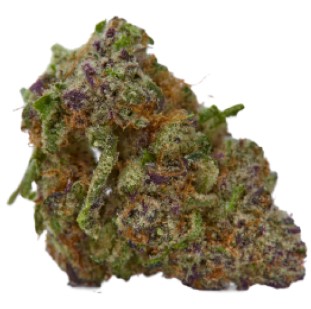
Pineapple Diesel buds are typically dense and medium-sized, with a bright green coloration and orange pistils. The buds are covered in a thick layer of frosty trichomes, indicating their potency.
Effects and Benefits
Recreational Uses
Pineapple Diesel is widely used by recreational consumers due to its well-balanced effects:
- Euphoria and Mood Enhancement: The sativa dominance results in an uplifting, happy sensation that can enhance creativity and productivity.
- Energy Boost: Many users report an increase in energy and focus, making it an excellent daytime strain.
- Social and Talkative Effects: The strain promotes social interaction and creativity, making it ideal for gatherings or artistic activities.
- Mild Relaxation: While predominantly cerebral, it also provides a mild body high that helps in relaxation without causing sedation.
- Motivation and Productivity: Due to its cognitive-enhancing properties, it is often used by professionals, students, and creatives.
Medical Uses
Pineapple Diesel, a sativa-dominant hybrid (60% sativa, 40% indica), contains high THC levels (18-26%), low CBD, and a rich terpene profile. These biochemical properties make it medically valuable for managing a variety of conditions, particularly neurological, psychiatric, inflammatory, and pain-related disorders. This document provides an in-depth scientific evaluation of its mechanisms of action, pharmacological effects, and clinical applications.
1. Mechanism of Action in Medical Applications
The therapeutic effects of Pineapple Diesel are mediated through interactions with the endocannabinoid system (ECS) and other physiological pathways, including dopaminergic, serotonergic, and inflammatory pathways.
1.1 Endocannabinoid System (ECS) and Pineapple Diesel’s Cannabinoid Action
The ECS is a homeostatic regulatory network involved in pain, mood, immune response, and neurological function. Pineapple Diesel’s high THC content interacts with ECS receptors to alter neurotransmission, reduce inflammation, and modulate stress responses.
CB1 and CB2 Receptor Modulation
- CB1 Receptors (Central Nervous System – Brain & Spine)
- THC acts as a partial agonist at CB1 receptors, leading to dopamine release and mood elevation.
- Reduces glutamate excitotoxicity, potentially protecting neurons in neurodegenerative diseases.
- Modulates pain perception in the spinal cord, useful in chronic pain conditions.
- CB2 Receptors (Immune & Peripheral Nervous System – Inflammatory Sites)
- Caryophyllene (a terpene in Pineapple Diesel) directly binds to CB2 receptors, leading to anti-inflammatory effects.
- Suppresses cytokine release (TNF-α, IL-6), which are implicated in autoimmune disorders and chronic inflammation.
1.2 Neurotransmitter Regulation and Medical Relevance
| Neurotransmitter | Effect of Pineapple Diesel | Medical Implications |
|---|---|---|
| Dopamine | Increases levels | Depression, ADHD, Parkinson’s |
| Serotonin (5-HT1A, 5-HT2A) | Modulates receptors | Anxiety, PTSD, OCD, Sleep Disorders |
| GABA | Enhances inhibitory activity | Epilepsy, Muscle Spasticity, Anxiety |
| Glutamate | Reduces excitotoxicity | Neurodegeneration, Migraines |
2. Medical Applications of Pineapple Diesel
2.1 Psychiatric and Mood Disorders (Depression, Anxiety, PTSD, Bipolar Disorder)
Scientific Basis
- THC increases dopamine and serotonin, which improves mood and reduces anhedonia (loss of pleasure).
- Limonene (terpene) acts as an anxiolytic by lowering cortisol levels and modulating the HPA (Hypothalamic-Pituitary-Adrenal) axis.
- Caryophyllene binds to CB2 receptors, reducing inflammatory markers associated with depression.
Clinical Evidence
- A 2020 study on cannabis and PTSD found that high-THC strains significantly reduced flashbacks and anxiety in 70% of patients.
- THC’s biphasic effect: Low doses reduce anxiety, while high doses may induce paranoia, making dose control essential.
Medical Application
- Depression: Helps restore dopamine function in treatment-resistant cases.
- Anxiety & PTSD: Useful for patients with hyperactive amygdala function, reducing fear responses.
- Bipolar Disorder: May help manage depressive episodes, but THC sensitivity should be monitored.
2.2 Chronic Pain & Inflammation (Neuropathic, Inflammatory, Musculoskeletal Pain)
Scientific Basis
- THC blocks pain signaling at the spinal cord (CB1 activation).
- Caryophyllene’s CB2 activation inhibits cytokine release (anti-inflammatory properties).
- Myrcene enhances opioid receptor activation, amplifying pain relief.
Clinical Evidence
- A 2018 meta-analysis in The Lancet Psychiatry confirmed that THC-rich cannabis strains reduce chronic pain intensity by 30-50%.
- CB2 activation in arthritis models showed reduced joint inflammation.
Medical Application
- Neuropathic Pain (Diabetic Neuropathy, Multiple Sclerosis, Fibromyalgia): Helps reduce burning and tingling sensations.
- Rheumatoid Arthritis & IBD: Blocks pro-inflammatory markers (IL-6, TNF-α).
- Migraines & Cluster Headaches: Limonene and myrcene improve cerebral blood flow and reduce migraine onset.
2.3 Appetite Stimulation and Gastrointestinal Disorders
Scientific Basis
- THC increases ghrelin secretion, stimulating appetite and metabolism.
- Limonene and terpinolene enhance digestive motility, improving nutrient absorption.
Clinical Evidence
- Cancer patients receiving THC treatment reported 60-70% appetite improvement in chemotherapy-induced cachexia.
- HIV/AIDS patients using cannabis showed increased food intake and reduced nausea.
Medical Application
- Cancer Patients (Chemotherapy-Induced Anorexia & Nausea): Effective in restoring appetite and reducing nausea.
- HIV/AIDS Cachexia: Helps increase weight gain and prevent muscle wasting.
- Gastrointestinal Disorders (IBD, Crohn’s, GERD): Reduces intestinal inflammation and gastric acid secretion.
2.4 Neuroprotection (Alzheimer’s, Parkinson’s, Multiple Sclerosis, TBI)
Scientific Basis
- THC and CBG protect neurons from oxidative stress, a key factor in Alzheimer’s and Parkinson’s.
- CB1 receptor activation prevents neuroinflammation and slows disease progression.
- Terpinolene and myrcene improve mitochondrial function, enhancing neuronal survival.
Clinical Evidence
- A 2019 study on THC and Alzheimer’s showed significant reductions in amyloid plaque formation.
- Parkinson’s patients treated with cannabis experienced reduced tremors and improved motor function.
Medical Application
- Alzheimer’s & Dementia: Reduces beta-amyloid plaques and improves cognitive function.
- Parkinson’s Disease: Enhances dopamine release, reducing rigidity and tremors.
- Multiple Sclerosis (MS): Reduces spasticity and pain, improving mobility.
- Traumatic Brain Injury (TBI): Prevents secondary brain damage by reducing neuroinflammation.
3. Risks and Considerations in Medical Use
Potential Side Effects
| Effect | Cause | Mitigation |
|---|---|---|
| Anxiety/Paranoia | High THC | Start with low doses, consider CBD balancing |
| Dry Mouth/Eyes | THC inhibits salivary secretion | Hydration, artificial tears |
| Increased Heart Rate | Sympathetic activation | Avoid in patients with cardiovascular risk |
| Short-Term Memory Impairment | CB1 activation in the hippocampus | Dose-dependent, reversible |
Scientific Breakdown
Cannabinoids and Pharmacology
- THC: The primary psychoactive compound, THC interacts with CB1 receptors in the brain, inducing euphoria, altering perception, and enhancing sensory experiences.
- CBD: While present in low amounts, CBD contributes to the entourage effect, balancing out potential paranoia or anxiety induced by THC.
- CBG (Cannabigerol): Some phenotypes of Pineapple Diesel contain small amounts of CBG, which is known for its possible anti-inflammatory and neuroprotective qualities.
Terpene Synergy and Effects
- Limonene: Known for its antidepressant, anxiolytic, and anti-inflammatory properties.
- Caryophyllene: Binds to CB2 receptors, potentially reducing pain and inflammation.
- Myrcene: Enhances sedation and relaxation, counteracting any overstimulation from THC.
- Terpinolene: Has potential antifungal, antioxidant, and sedative effects, contributing to the strain’s balanced high.
Potential Side Effects
While Pineapple Diesel is well-tolerated by most users, some potential side effects include:
- Dry Mouth and Eyes: Common with most cannabis strains, easily remedied by hydration.
- Paranoia and Anxiety: In sensitive individuals or at higher doses, its potency may cause mild paranoia or anxiety.
- Mild Dizziness: Inexperienced users or those with low tolerance may experience slight dizziness.
- Increased Heart Rate: Some users report temporary elevation in heart rate, which may be concerning for individuals with pre-existing heart conditions.
Cultivation Information
Pineapple Diesel is a moderately difficult strain to cultivate due to its sativa-dominant growth structure, requiring specific environmental conditions, nutrient management, and training techniques to achieve optimal yields. Below is a detailed scientific breakdown of its cultivation process, from seed selection to harvest and curing.

1. Seed Selection and Germination
1.1 Seed Quality and Genetics
- Source: Purchase seeds from reputable breeders to ensure genetic stability and resistance to pests and diseases.
- Phenotype Selection: Different phenotypes may express variations in height, terpene profile, and cannabinoid content. Selecting seeds with a robust growth structure and high trichome production is key.
- Feminized vs. Regular Seeds:
- Feminized Seeds: Ensure all plants produce flowering female buds without risk of male pollination.
- Regular Seeds: Provide genetic diversity, but require sexing to remove male plants.
1.2 Germination Process
Optimal germination conditions:
- Temperature: 75-85°F (24-29°C)
- Humidity: 70-80%
- Medium: Rockwool cubes, peat pellets, or paper towel method
- Water pH: 6.0-6.5
- Germination Duration: 24-72 hours for root emergence
Once roots emerge, transfer seedlings to their initial growth medium.
2. Vegetative Growth Stage
2.1 Environmental Requirements
- Lighting:
- 18-24 hours of light per day (vegetative phase)
- Preferred light intensity: 500-700 µmol/m²/s PAR
- Ideal light sources: Full-spectrum LED, HPS, or CMH grow lights
- Temperature: 70-85°F (21-29°C)
- Humidity: 55-70% (Gradually decrease to 50% as plants mature)
- Air Circulation: Proper ventilation is crucial to prevent mold and mildew due to its dense foliage.
- Soil pH: 6.0-6.5 (Soil) | 5.5-6.0 (Hydroponics)
2.2 Growth Medium Options
- Soil-Based Cultivation (Organic)
- Best soil: Loamy, well-aerated, rich in organic matter
- Recommended additives: Compost, worm castings, perlite, and coco coir
- Organic fertilizers: Bat guano, kelp meal, mycorrhizal fungi for root health
- Hydroponics (High-Yield Approach)
- Nutrient Film Technique (NFT) or Deep Water Culture (DWC) enhances growth speed
- EC (Electrical Conductivity) for nutrients: 1.2-1.8 mS/cm
- pH range: 5.5-6.0
2.3 Nutrient Requirements (Vegetative Stage)
- Nitrogen (N): High levels for vigorous leaf and stem growth
- Phosphorus (P): Moderate for root development
- Potassium (K): Moderate to promote stress resistance
- Micronutrients: Calcium (Ca), Magnesium (Mg), Zinc (Zn), and Iron (Fe)
2.4 Training Techniques
- Low-Stress Training (LST): Encourages horizontal growth, increasing light exposure.
- Topping & FIMming: Enhances branching and canopy size.
- Screen of Green (ScrOG): Optimizes yield in small grow spaces by training branches under a mesh screen.
- Defoliation: Strategic removal of fan leaves to improve airflow and light penetration.
3. Flowering Stage
3.1 Light Cycle and Environmental Control
- Switch to 12/12 Light Cycle: This triggers flowering hormone production.
- Optimal Temperature: 68-78°F (20-26°C) to prevent terpene degradation.
- Humidity: Reduce to 40-50% to prevent bud rot and mold.
- Airflow: Use oscillating fans and exhaust fans with carbon filters to prevent odor buildup and humidity spikes.
3.2 Nutrient Adjustments (Flowering Stage)
- Nitrogen (N): Decrease to avoid excessive vegetative growth.
- Phosphorus (P) & Potassium (K): Increase for bud development and resin production.
- Calcium (Ca) & Magnesium (Mg): Essential for trichome and terpene production.
- Recommended EC Level: 1.8-2.2 mS/cm
3.3 CO₂ Enrichment for High-Yield Cultivation
- CO₂ Levels: 1200-1500 ppm increases photosynthesis efficiency.
- Application Method: CO₂ tanks with regulated dispersal during daylight hours.
- Benefit: Enhances bud size, density, and THC production.
3.4 Bud Development Timeline
- Weeks 1-3: Initial Pineapple Diesel bud formation, stretch phase continues.
- Weeks 4-6: Buds increase in size, resin glands start producing trichomes.
- Weeks 7-9: Peak resin production, terpene profile fully develops.
- Week 10: Flush plants with pH-balanced water to remove nutrient buildup.
4. Harvesting, Drying, and Curing
4.1 Harvest Timing
- Trichome Coloration Analysis (Using a Jeweler’s Loupe or Microscope):
- Clear Trichomes: Premature, low potency.
- Milky Trichomes: Peak THC levels, best for cerebral effects.
- Amber Trichomes: Higher CBN content, ideal for relaxation and body effects.
4.2 Drying Process
- Temperature: 60-70°F (15-21°C)
- Humidity: 45-55%
- Air Circulation: Gentle fans, avoid direct airflow on buds.
- Duration: 7-14 days (slow drying prevents terpene loss).
4.3 Curing for Maximum Flavor & Potency
- Dried Pineapple Diesel buds should be kept in airtight glass jars.
- Keep in a cool, dark place at 60-65% RH.
- For the first two weeks, burp jars every day to get rid of extra moisture.
- Curing duration: Minimum 2 weeks, optimal 6-8 weeks for full terpene development.
5. Pest and Disease Management
5.1 Common Pests
- Spider Mites: Controlled with neem oil, predatory mites, or insecticidal soap.
- Fungus Gnats: Prevent by using sticky traps, dry topsoil, and beneficial nematodes.
- Aphids: Treat with essential oils (peppermint, rosemary) or insecticidal soap.
5.2 Fungal and Bacterial Diseases
- Powdery Mildew: Prevent by maintaining humidity below 50% and applying sulfur-based fungicides.
- Bud Rot (Botrytis): Avoid high humidity, increase airflow, and remove infected buds immediately.
Comparisons to Similar Strains
Sour Diesel vs. Pineapple Diesel
- Sour Diesel: More fuel-forward, stimulating, and can be more intense in terms of cerebral stimulation.
- Pineapple Diesel: A bit more balanced, with a sweeter, fruitier aroma and milder body effects.
Pineapple Express vs. Pineapple Diesel
- Pineapple Express: More relaxed and euphoric, with a heavier pineapple and citrus profile.
- Pineapple Diesel: More energetic and cerebral, with diesel and citrus notes.
Best Consumption Methods

- Smoking: Delivers the fastest effects, offering the full aromatic and flavorful experience.
- Vaporizing: Allows for a cleaner, terpene-rich experience while avoiding combustion byproducts.
- Edibles: Effects are longer-lasting, though onset time is delayed.
- Tinctures and Oils: Provide a precise dosing method for medical use.
Final Thoughts
Pineapple Diesel is an excellent choice for sativa lovers who enjoy a mix of tropical sweetness and diesel pungency. Whether used for creativity, energy, or therapeutic benefits, its well-balanced profile makes it a versatile strain suitable for various needs. However, new users should be mindful of its high THC content and start with low doses to gauge personal tolerance.
This strain remains a favorite among daytime consumers seeking an uplifting and functional high with added medicinal benefits. Its robust terpene profile and genetic heritage make it a noteworthy hybrid in the cannabis world.
For a complete directory of cultivars, visit our Cannabis Strain Reviews.
