Table of Contents
Genetic Background and Overview
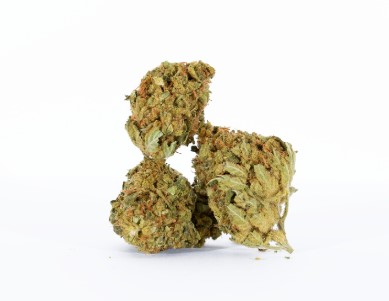
Pineapple Chunk is an indica-dominant hybrid developed by Barney’s Farm, a reputable Dutch cannabis breeder. It is the result of a three-way genetic cross:
- Pineapple (sativa-leaning hybrid known for its tropical aroma and uplifting effects)
- Skunk #1 (a classic, high-yielding hybrid with potent euphoric effects)
- Cheese (a UK-bred indica-dominant strain with strong body relaxation and distinct sharp, savory aroma)
The result is a strain known for its potent psychoactive effects, strong body relaxation, and a sweet, tropical flavor profile with earthy and cheesy undertones. It boasts a high THC content, often in the range of 18–25%, and a relatively low CBD level (<1%), though this can vary with phenotype and cultivation conditions.
Morphology and Growth Characteristics
| Trait | Description |
|---|---|
| Type | Indica-dominant hybrid (roughly 70/30) |
| Flowering Time | 8–9 weeks (indoor); early October (outdoor) |
| Height | Medium (80–120 cm) |
| Yield | 600–700 g/m² indoors; up to 1 kg per plant outdoor |
| Climate Suitability | Temperate to warm climates; mold-resistant |
| Structure | Dense, resinous colas; broad leaves |
This strain is particularly resistant to mold and disease, making it suitable for novice cultivators and those in humid environments. Its sturdy indica-like structure also handles stress training well, especially in controlled indoor setups.
Cannabinoid Profile and Scientific Relevance
Pineapple Chunk is primarily characterized by its high THC content, generally falling in the 18–25% range, which makes it highly psychoactive. It also produces trace levels of CBD, CBG, and CBC, which may contribute to its therapeutic efficacy via the entourage effect.
Cannabinoids in Pineapple Chunk
| Cannabinoid | Approximate Range | Medicinal Properties |
|---|---|---|
| THC | 18–25% | Analgesic, antiemetic, appetite stimulant, sedative |
| CBD | <1% | Anxiolytic, antipsychotic, neuroprotective (in small balancing doses) |
| CBG | 0.2–1.5% | Anti-inflammatory, gut motility regulation, neuroprotective |
| CBC | 0.1–0.5% | Mood elevation, anti-inflammatory, neurogenesis support |
| THCV | Trace amounts | Appetite suppression, mood regulation (dose-dependent effects) |
While THC dominates the pharmacological effects of Pineapple Chunk, the presence of CBG and CBC may subtly enhance pain relief and mood stability through non-CB1/CB2 pathways, including TRP channel modulation and serotonin receptor activity.
Terpene Profile and Biological Effects
Pineapple Chunk’s unique aroma and therapeutic properties are driven by its terpene composition, which contributes both organoleptic qualities (flavor/aroma) and pharmacological action.
Primary Terpenes
| Terpene | Aroma/Flavor | Medical Effects |
|---|---|---|
| Myrcene | Earthy, musky, herbal | Sedative, analgesic, muscle relaxant, enhances cannabinoid effects |
| Caryophyllene | Spicy, peppery | Anti-inflammatory, CB2 agonist, gastroprotective |
| Limonene | Citrus, lemon | Antidepressant, anxiolytic, GI support |
| Linalool | Floral, lavender | Anxiolytic, anti-convulsant, sedative |
| Humulene | Woody, hops-like | Anti-inflammatory, appetite suppressant |
These terpenes are known to act on CB2 receptors, TRP ion channels, and neurotransmitter systems like GABA and serotonin, creating synergy with cannabinoids — a phenomenon referred to as the entourage effect.
Mechanisms of Action: Molecular Interactions
The medicinal actions of Pineapple Chunk are mediated by a combination of cannabinoid and terpene interactions with:
- Cannabinoid receptors (CB1 and CB2): THC binds CB1 to modulate pain, appetite, memory, and mood. Caryophyllene targets CB2, dampening immune-driven inflammation.
- TRP channels: CBD, CBG, and terpenes like myrcene and linalool activate TRPV1, TRPA1, and TRPM8 channels, influencing pain, heat perception, and inflammation.
- Serotonin receptors (5-HT1A): Limonene and CBD enhance serotonin activity, contributing to Pineapple Chunk’s anti-anxiety and antidepressant-like effects.
- GABA receptors: Myrcene and linalool potentiate GABAergic transmission, facilitating muscle relaxation and sleep.
Medical Uses of Pineapple Chunk
1. Chronic Pain (Neuropathic and Inflammatory)
Pineapple Chunk is widely used by medical cannabis patients for chronic pain, particularly pain with both neuropathic and inflammatory components, such as:

- Sciatica
- Arthritis
- Fibromyalgia
- Lower back pain
- Post-surgical pain
Mechanisms of Action
- THC reduces pain perception via CB1 receptor activation in the brain and spinal cord. This suppresses glutamate and substance P, key mediators of nociception.
- Caryophyllene, acting as a CB2 receptor agonist, directly modulates immune cell activity and decreases inflammatory cytokines like TNF-α and IL-6.
- Myrcene contributes to muscle relaxation, helps reduce pain by enhancing GABAergic activity, and may act on opioid receptors synergistically with THC.
- CBC and CBG, through TRP channel activation, reduce inflammation and modulate neuronal excitability involved in chronic pain.
This multi-pathway interaction makes Pineapple Chunk particularly effective for pain conditions that involve central sensitization, peripheral inflammation, or muscle tension.
2. Insomnia and Sleep Disorders
Given its indica-dominant genetics and high myrcene content, Pineapple Chunk is considered highly effective for sleep disturbances, especially those related to:
- Pain
- Anxiety
- PTSD
- Restless legs syndrome
Scientific Basis
- Myrcene and linalool are natural sedatives, shown to reduce locomotor activity and increase sleep time in animal models.
- THC shortens sleep latency (the time it takes to fall asleep) and increases Stage 4 slow-wave sleep while suppressing REM sleep, which can be beneficial for those with trauma-related nightmares.
- CBD (in low doses) can support deeper sleep cycles via serotonin receptor modulation and cortisol reduction.
- Pineapple Chunk’s GABA-enhancing terpenes calm the central nervous system, helping users fall asleep and stay asleep.
It is often recommended as a nighttime strain for individuals with treatment-resistant insomnia or fragmented sleep due to chronic illness.
3. Anxiety and Mood Disorders
While high-THC strains can sometimes exacerbate anxiety, Pineapple Chunk tends to provide anxiolytic effects when used in low to moderate doses, particularly due to its balancing terpene content.
Helpful For:
- Generalized Anxiety Disorder (GAD)
- Depression with anxious features
- Social anxiety
- Stress-induced insomnia
Mechanisms
- Limonene and linalool enhance serotonin and GABA activity, supporting anti-anxiety and mood-elevating effects.
- THC at low doses increases dopaminergic signaling, lifting mood and improving motivation.
- CBD (when present in balanced ratios) and CBG reduce amygdala reactivity, which is involved in fear and anxiety circuits.
- Caryophyllene modulates neuroinflammation, which plays a role in mood dysregulation and chronic anxiety.
The broad spectrum of mood-stabilizing pathways influenced by Pineapple Chunk makes it ideal for patients with comorbid depression and anxiety or stress-related mood swings.
4. Inflammation and Autoimmune Disorders
Pineapple Chunk is frequently chosen by patients with inflammatory or autoimmune diseases, such as:
- Rheumatoid arthritis
- Inflammatory bowel disease (IBD)
- Lupus
- Psoriasis and eczema
Anti-Inflammatory Pathways
- CB2 receptor activation via caryophyllene and CBG reduces pro-inflammatory cell signaling.
- TRPV1 activation by CBC and CBD modulates nociceptive inflammation and neurogenic swelling.
- PPAR-γ receptor modulation (CBD-related) downregulates genes involved in chronic inflammation.
- Humulene and myrcene suppress histamine release and cytokine activity, decreasing tissue swelling.
This makes Pineapple Chunk useful not only for managing symptoms but potentially modifying disease activity in some immune-mediated conditions.
5. Appetite Loss and Gastrointestinal Issues
Pineapple Chunk is known to stimulate robust appetite and is commonly used in managing:
- Chemotherapy-induced nausea
- HIV/AIDS-related cachexia
- Anorexia or disordered eating
- IBS-related digestive discomfort
Appetite-Stimulating Actions
- THC enhances ghrelin production, the “hunger hormone,” and activates CB1 receptors in the hypothalamus, triggering feeding behavior.
- Limonene and caryophyllene soothe the digestive tract and have been shown to reduce gastric inflammation and motility issues.
- CBD and CBG may modulate gut microbiome health and improve gut-brain signaling.
For patients suffering from wasting syndromes or nausea, Pineapple Chunk provides both nutritional support and GI symptom relief.
6. Neurological Disorders
Thanks to its combination of neuroactive cannabinoids and terpenes, Pineapple Chunk may offer benefits in certain neurological conditions, such as:
- Parkinson’s disease (for tremors, rigidity, sleep)
- Epilepsy (adjunct therapy with CBD presence)
- Traumatic brain injury
- Neuroinflammation-related disorders (e.g., MS)
Neuroprotective Mechanisms
- CBD and CBG are known neuroprotectants, reducing oxidative stress and inflammation in neuronal tissue.
- CB1 activation by THC may enhance neurotransmitter modulation (dopamine and serotonin) in conditions like Parkinson’s.
- Linalool has demonstrated anticonvulsant properties, potentially helping with seizure threshold.
- Caryophyllene and humulene reduce neuroinflammation by acting on microglia and astrocytes (CNS immune cells).
While Pineapple Chunk is not typically a frontline treatment for epilepsy (due to high THC), it may offer valuable symptom relief and supportive therapy for neurological and neurodegenerative conditions when used in low doses.
Recreational Uses and Sensory Profile
Beyond medical applications, Pineapple Chunk is favored in the recreational cannabis community for its powerful, euphoric high and complex flavor profile.
Typical Effects
- Onset: Fast-acting (within 5–10 minutes if inhaled)
- Peak: 30–90 minutes
- Duration: 2–4 hours
| Early Phase (0–30 min) | Euphoric uplift, giggles, sociability, slight cerebral stimulation |
|---|---|
| Mid Phase (30–90 min) | Deep physical relaxation, sensory enhancement, slowed perception |
| Late Phase (90–180 min) | Sedation, munchies, possible drowsiness |
Popular Recreational Use Cases
- Evening socializing
- Creative sessions (painting, music, brainstorming)
- Watching movies or listening to music
- Relaxing body massages or spa settings
- Erotic enhancement (sensory heightening reported)
Aromatics and Flavor Notes
- Aroma: Sweet pineapple, cheese funk, skunky earth
- Flavor: Tropical fruit on inhale, savory skunk and earthy spice on exhale
This sweet-savory flavor complexity makes Pineapple Chunk a memorable cultivar for those who enjoy flavorful terpene-rich cannabis.
Scientific Cultivation Information
1. Morphological Traits and Growth Habits
Pineapple Chunk exhibits the short, dense structure typical of indica-dominant hybrids, with thick stems and broad fan leaves. It produces large, compact, resin-coated colas that are resistant to common pests and molds.
| Trait | Description |
|---|---|
| Plant Type | Indica-dominant hybrid (70/30) |
| Flowering Period | 8–9 weeks |
| Height | 80–120 cm (indoor) |
| Yield | 600–700 g/m² (indoor); up to 1 kg/plant outdoors |
| Harvest Time | Late September to early October |
| Disease Resistance | High (particularly mold and botrytis) |
This makes it ideal for humid or high-risk environments where mold resistance is critical. It’s also an excellent choice for novice growers, given its resilience and forgiving nature.
2. Environmental Parameters and VPD
To optimize cannabinoid and terpene expression, Pineapple Chunk should be cultivated in a controlled environment where temperature, humidity, and light intensity can be fine-tuned.
| Growth Phase | Temp (°C) | Humidity (%) | VPD (kPa) | Light Cycle |
|---|---|---|---|---|
| Vegetative | 22–28 | 55–70 | 0.8–1.0 | 18/6 |
| Flowering | 20–26 | 40–50 | 1.0–1.5 | 12/12 |
| Late Flower | 18–24 | 35–45 | 1.2–1.6 | 12/12 |
VPD (Vapor Pressure Deficit) control improves transpiration, nutrient uptake, and terpene development.
3. Light Intensity and Spectrum
For indoor cultivation, full-spectrum LED lights delivering PPFD levels of 600–1000 µmol/m²/s during flowering will support strong bud development and resin production.
- Vegetative spectrum: Blue-biased (~450 nm) for compact growth
- Flowering spectrum: Red-rich (~660 nm) with optional UV-B supplementation in the final 2–3 weeks to stimulate trichome density and THC output
4. Nutritional Regimen
Pineapple Chunk performs well with either organic living soil or hydroponic systems. Key nutrient strategies include:
| Phase | N-P-K Focus | Notes |
|---|---|---|
| Early Veg | High N, low P & K | Promotes leaf and stem development |
| Late Veg | Moderate N, rising P & K | Prepares plant for flowering |
| Early Flower | Lower N, high P & K | Supports bud set and floral development |
| Late Flower | Very low N, high K | Enhances terpene and trichome production |
Micronutrients such as calcium, magnesium, sulfur, and iron are critical for chlorophyll production and enzymatic reactions during flower bulking.
5. Training Techniques and Yield Optimization
- Topping and low-stress training (LST) in the vegetative phase promote lateral growth and even light distribution.
- Defoliation during mid-flowering improves airflow and light penetration in dense colas.
- Screen of Green (ScrOG) is highly effective due to Pineapple Chunk’s strong lateral branches and uniform canopy development.
6. Harvesting and Curing
- Trichome maturity check: Harvest when ~80% of trichomes are cloudy and 10–15% are amber for balanced psychoactive and sedative effects.
- Drying environment: 60–65°F, 50–55% RH, in darkness for 10–14 days
- Curing: Place buds in airtight glass jars, burping daily for 2 weeks, then weekly for up to 6 weeks to preserve terpenes and prevent chlorophyll harshness
Proper curing maximizes terpene retention, enhancing both flavor and therapeutic efficacy.
Pharmacodynamics: Mechanisms of Action
Cannabinoid Receptor Activity
- CB1 activation (via THC): Suppresses neurotransmitter release in pain and reward circuits. Leads to analgesia, appetite stimulation, and mood modulation.
- CB2 activation (via caryophyllene, CBG): Downregulates immune responses, decreasing inflammation and oxidative stress.
Neurotransmitter Modulation
- GABA: Enhanced by myrcene and linalool, reducing neuronal excitability (linked to anxiety and insomnia relief).
- Serotonin (5-HT1A): Targeted by CBD and limonene, improving mood and reducing stress.
- Dopamine: THC stimulates mesolimbic dopamine pathways, leading to euphoria and motivational uplift.
TRP Channels and Inflammatory Modulation
- TRPV1: Activated by CBD, CBC, and myrcene to mediate pain relief and anti-inflammatory action.
- PPARγ activation (CBD): Alters gene expression in immune cells, providing neuroprotection and metabolic balance.
Chemotype Variability and Batch Effects
Due to genetic variation, Pineapple Chunk can express different chemotypes, meaning users may experience variable effects depending on:
- Cannabinoid ratios (e.g., THC:CBD:CBG)
- Dominant terpenes (some batches are more myrcene-heavy; others more limonene-rich)
- Environmental factors during cultivation (light, nutrients, stress)
This underscores the importance of lab testing and strain-specific chemical profiling when used in medical treatment plans.
Safety, Contraindications, and Side Effects
Common Side Effects (Dose-Dependent)
- Dry mouth
- Red eyes
- Lightheadedness
- Short-term memory disruption
- Sedation (especially at high doses or in edibles)
Potential Risks
- Anxiety or paranoia in THC-sensitive users
- Motor impairment, especially in high doses or when combined with alcohol/sedatives
- Dependence with chronic high-dose use, though rare in medical contexts
Contraindications
- History of psychotic disorders (e.g., schizophrenia)
- Severe cardiovascular disease
- Concurrent use of CYP450-metabolized medications (CBD can inhibit CYP3A4 and CYP2C19)
Patients should be monitored for drug interactions, especially if using cannabis alongside antidepressants, anticoagulants, or antiepileptics.
Summary and Clinical Conclusions
Pineapple Chunk is a multi-purpose, indica-dominant strain that delivers a powerful blend of euphoric cerebral stimulation and physical relaxation. Its cannabinoid and terpene profile make it especially suitable for managing:
- Chronic and neuropathic pain
- Sleep disorders
- Appetite loss and GI distress
- Inflammatory and autoimmune conditions
- Mood instability, anxiety, and mild depression
- Stress-related fatigue or tension
Its sedating yet uplifting balance allows patients to target multiple symptoms simultaneously. Terpenes like myrcene, caryophyllene, limonene, and linalool act on inflammatory, neurological, and emotional systems, creating a broad therapeutic index.
For recreational users, Pineapple Chunk provides a rich sensory experience: tropical fruit and cheese flavors, body-soothing effects, and a dreamy but functional high that suits evenings or weekends.
From cultivation to consumption, Pineapple Chunk offers robustness, medicinal efficacy, and aromatic complexity. With proper dosage and medical supervision, it is a safe, versatile strain that exemplifies the scientific potential of modern cannabis genetics.
For a complete directory of cultivars, visit our Cannabis Strain Reviews.
