Table of Contents
Pine Tar Kush is an indica-dominant cannabis strain known for its powerful relaxation effects, dense resin production, and unique pine and earthy aroma. This rare landrace strain is derived from pure Pakistani Kush genetics, making it a sought-after choice for both recreational and medicinal users.
Unlike modern hybrid strains, Pine Tar Kush retains the original pure indica characteristics, offering a deeply sedating experience with long-lasting effects. With THC levels often reaching 18-22%, it delivers potent body relaxation, pain relief, and sleep aid properties.
Genetic Background
- Strain Type: Pure Indica
- Origin: Derived from Pakistani landrace Kush genetics
- THC Content: 18-22% (varies based on cultivation conditions)
- CBD Content: <1%
- Dominant Terpenes: Myrcene, Pinene, Caryophyllene
Aroma, Flavor, and Appearance
Aroma Profile
As the name suggests, Pine Tar Kush is dominated by a strong pine aroma, reminiscent of fresh forest air mixed with earthy and skunky undertones. The strain is also known for hints of citrus and woody spice, making it an exceptionally rich and complex sensory experience.
- Primary Aroma: Pine, Earthy, Woody
- Secondary Notes: Skunky, Citrus, Herbal
Flavor Profile
The taste of Pine Tar Kush mirrors its aromatic profile, offering a rich pine flavor with earthy, musky, and slightly sweet undertones. When smoked or vaped, the exhale leaves a pleasant spicy and citrusy aftertaste.
- Primary Taste: Pine, Earthy, Woody
- Secondary Notes: Spicy, Citrus, Herbal
Appearance
Pine Tar Kush has dense, compact buds coated in sticky resin, showcasing its high trichome production. The deep green buds often have amber pistils and a slightly purple hue in cooler growing conditions.
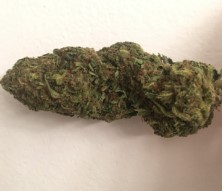
- Bud Structure: Dense, Compact, Resinous
- Color: Dark Green with Orange Pistils
- Trichome Coverage: Heavy, Sticky Resin
Effects of Pine Tar Kush
Recreational Effects
Pine Tar Kush is renowned for its powerful indica effects, making it a favorite among users looking for deep relaxation, stress relief, and a full-body high.
Immediate Effects
- Euphoria: A mild uplifting sensation that enhances mood.
- Deep Relaxation: Immediate physical relaxation spreads throughout the body.
- Mental Calmness: Helps in reducing racing thoughts and anxiety.
Progressive Effects
- Sedation: As the high deepens, users often experience drowsiness and sleepiness.
- Couch-Lock: Due to its heavy indica nature, prolonged use leads to a “couch-lock” effect.
- Increased Appetite: Commonly known to induce munchies, making it helpful for appetite stimulation.
Ideal For:
- Evening or Night Use: Due to its sedating effects, it’s best used before bedtime.
- Relaxation Sessions: Great for unwinding after a stressful day.
- Movie Nights or Listening to Music: Enhances sensory experiences and appreciation of music and visuals.
Medical Uses
Pine Tar Kush, a pure indica strain derived from Pakistani landrace genetics, offers a unique cannabinoid and terpene profile that makes it highly effective for various medical conditions. Its high THC content (18-22%), combined with therapeutic terpenes, provides relief from chronic pain, inflammation, anxiety, insomnia, and appetite disorders. Below is a scientific breakdown of how Pine Tar Kush interacts with the endocannabinoid system (ECS) and benefits specific medical conditions.
1. Mechanism of Action: How Pine Tar Kush Affects the Body
A. Interaction with the Endocannabinoid System (ECS)
The ECS consists of CB1 and CB2 receptors, which regulate functions such as pain perception, mood, immune response, and sleep cycles. Pine Tar Kush’s high THC concentration primarily interacts with CB1 receptors in the brain and immune system CB2 receptors, resulting in both medicinal and euphoric effects.

Key Mechanisms:
- CB1 Activation (Brain & Nervous System)
- THC binds to CB1 receptors, leading to:
- Pain relief (analgesic effects)
- Mood stabilization (anti-anxiety effects)
- Sedation & sleep induction (insomnia treatment)
- THC binds to CB1 receptors, leading to:
- CB2 Activation (Immune System & Inflammation)
- Pine Tar Kush’s Caryophyllene terpene acts as a CB2 agonist, reducing:
- Inflammation (arthritis, autoimmune disorders)
- Neuropathic pain (fibromyalgia, MS)
- Pine Tar Kush’s Caryophyllene terpene acts as a CB2 agonist, reducing:
- Dopamine & Serotonin Regulation
- Enhances dopamine release, contributing to:
- Euphoria & stress relief
- Reduction in PTSD & depression symptoms
- Enhances dopamine release, contributing to:
2. Medical Conditions Treated by Pine Tar Kush
A. Chronic Pain & Inflammation Relief
Scientific Basis:
- THC & Myrcene work synergistically to suppress nociceptive pain signals in the nervous system.
- Caryophyllene reduces inflammatory cytokines, helping conditions like arthritis, fibromyalgia, and migraines.
Conditions Benefiting from Pine Tar Kush:
Arthritis & Rheumatoid Arthritis (RA) – Reduces joint inflammation and stiffness.
Neuropathic Pain (MS, Fibromyalgia) – Blocks pain transmission through CB1 receptors.
Migraine Relief – Reduces intracranial inflammation, easing headaches.
Cancer-Related Pain – Provides relief from chemotherapy-induced pain.
B. Insomnia & Sleep Disorders
Scientific Basis:
- Myrcene (Primary Terpene) is a Sedative, increasing GABA activity, which promotes sleep.
- High THC levels help reduce REM sleep disturbances, preventing nightmares in PTSD patients.
Best Use Cases:
Chronic Insomnia – Induces deep, uninterrupted sleep.
Restless Leg Syndrome (RLS) – Reduces muscle spasms that interfere with sleep.
PTSD-Related Nightmares – Suppresses REM sleep, preventing distressing dreams.
C. Anxiety & Mood Disorders
Scientific Basis:
- Limonene & Caryophyllene modulate serotonin receptors, helping regulate mood.
- CB1 activation dampens overactive amygdala response, reducing anxiety.
Conditions Benefiting from Pine Tar Kush:
Generalized Anxiety Disorder (GAD) – Induces relaxation and mental calmness.
Post-Traumatic Stress Disorder (PTSD) – Reduces hyperarousal symptoms and emotional distress.
Depression & Mood Disorders – Enhances dopamine release, improving motivation.
Caution:
- High THC doses can induce paranoia in THC-sensitive users.
- Microdosing is recommended for anxiety-prone individuals.
D. Appetite Stimulation & Nausea Control
Scientific Basis:
- THC increases hunger by activating the hypothalamic CB1 receptors.
- Anti-emetic effects (anti-nausea) come from THC’s effect on serotonin receptors.
Conditions Benefiting from Pine Tar Kush:
Cancer Patients (Chemotherapy-Induced Nausea) – Reduces vomiting & restores appetite.
HIV/AIDS Wasting Syndrome – Stimulates hunger and prevents muscle loss.
Gastrointestinal Disorders (Crohn’s, IBS) – Reduces nausea and inflammation.
E. Muscle Relaxation & Anti-Spasmodic Effects
Scientific Basis:
- Myrcene & Linalool relax muscle fibers and reduce spasms.
- CB2 activation reduces inflammatory cytokines in muscles.
Conditions Benefiting from Pine Tar Kush: ✔ Multiple Sclerosis (MS) – Reduces muscle spasticity and nerve pain.
Epilepsy & Seizure Disorders – Though THC-dominant, some anti-seizure effects are present.
Cerebral Palsy & Spinal Cord Injuries – Eases muscle rigidity.
3. Scientific Studies & Clinical Research on Pine Tar Kush Components
Several studies confirm the medicinal benefits of THC, Myrcene, and Caryophyllene, which are dominant in Pine Tar Kush.
| Study | Key Findings |
|---|---|
| Russo, 2011 (British Journal of Pharmacology) | Myrcene’s sedative effects improve sleep and pain relief. |
| Nagarkatti et al., 2009 (Journal of Immunology Research) | CB2 activation by Caryophyllene reduces inflammation. |
| Huestis, 2007 (Neuropsychopharmacology Journal) | THC improves nausea control in chemotherapy patients. |
| Baron, 2018 (Current Neurology & Neuroscience Reports) | Terpenes & cannabinoids work synergistically for pain management. |
4. Dosage & Administration for Medical Use
A. Recommended Consumption Methods
| Method | Onset Time | Duration | Best For |
|---|---|---|---|
| Smoking/Vaping | 2-10 minutes | 2-4 hours | Immediate pain relief, anxiety |
| Edibles | 30-90 minutes | 6-8 hours | Long-lasting effects, sleep aid |
| Tinctures | 15-45 minutes | 4-6 hours | Precise dosing, anxiety & pain |
| Topicals | N/A (localized) | 2-6 hours | Arthritis, muscle pain |
B. Ideal Dosage (Medical Users)
- Mild Relief: 2.5-5mg THC (low dose, microdosing for anxiety).
- Moderate Pain/Sleep Aid: 10-20mg THC (strong body relaxation).
- Severe Pain/Insomnia: 20-50mg THC (high doses for deep sedation).
Caution:
- Start low and increase gradually, as high doses can lead to dizziness or paranoia.
- Tolerance varies among individuals; chronic users may require higher doses.
Scientific Breakdown: Cannabinoids & Terpenes
Cannabinoid Profile
Pine Tar Kush contains a high concentration of THC, with trace amounts of other cannabinoids.
| Cannabinoid | Percentage | Effects |
|---|---|---|
| THC | 18-22% | Primary psychoactive compound; induces relaxation, euphoria, and sedation. |
| CBD | <1% | Minimal CBD; not ideal for seizures but may help in relaxation. |
| CBG | 1% | Anti-inflammatory, neuroprotective, and pain relief properties. |
| CBC | <1% | May contribute to mood elevation and pain relief. |
Terpene Profile
The unique effects of Pine Tar Kush are largely due to its terpene composition.
| Terpene | Percentage | Effects |
|---|---|---|
| Myrcene | 0.5-1.2% | Sedative, muscle relaxant, anti-inflammatory. |
| Pinene | 0.4-1% | Enhances alertness, bronchodilator, anti-inflammatory. |
| Caryophyllene | 0.2-0.8% | Anti-anxiety, pain relief, and anti-inflammatory. |
| Limonene | 0.1-0.5% | Elevates mood, anti-depressant, stress relief. |
Scientific Insights
- High Myrcene & Pinene Content: Contributes to strong sedative effects while promoting bronchodilation (useful for asthma sufferers).
- Caryophyllene’s Unique Role: A CB2 receptor agonist, aiding in anti-inflammatory and pain-relief properties.
- Synergistic Effect (Entourage Effect): The combination of THC, Myrcene, and Caryophyllene enhances the pain-relieving and sedative effects of the strain.
Cultivation Information
Cultivating Pine Tar Kush requires a strategic approach to maximize yield, potency, and terpene profile. As a pure indica landrace strain, it thrives in controlled environments with optimal temperature, humidity, and nutrient balance. Below is an in-depth scientific breakdown of the best growing techniques, environmental factors, nutrient requirements, and pest management strategies for cultivating Pine Tar Kush.

1. Optimal Growing Environment
Since Pine Tar Kush originates from Pakistan’s Hindu Kush mountain range, it has adapted to high-altitude, cool-to-moderate temperatures with low humidity levels. This means growers must replicate these conditions for optimal plant health.
A. Indoor vs. Outdoor Cultivation
| Factor | Indoor Cultivation | Outdoor Cultivation |
|---|---|---|
| Climate Control | Easily controlled | Requires warm, Mediterranean-like conditions |
| Yield | Moderate to High (0.5-1.2g/watt) | High if optimal conditions are met |
| Flowering Time | 8-9 weeks | 9-10 weeks |
| Resin Production | High due to controlled light & humidity | High, but susceptible to environmental stress |
| Disease Resistance | More manageable | More prone to pests and mold in humid climates |
2. Growth Phases & Cultivation Techniques
Pine Tar Kush goes through distinct growth phases: Seedling, Vegetative, and Flowering. The following guidelines ensure maximum yield, resin production, and cannabinoid/terpene expression.
A. Seed Germination Phase
- Method: Paper towel method or direct soil planting
- Temperature: 20-24°C (68-75°F)
- Humidity: 70-80% for fast root development
- Lighting: Use fluorescent or LED grow lights (6500K)
- Soil pH: 6.0-6.5 (slightly acidic)
- Nutrients: Light dose of root stimulators (phosphorus-heavy fertilizers like 1:2:1 NPK ratio)
B. Vegetative Phase (3-5 Weeks)
- Lighting: 18-24 hours of light daily (HPS or LED)
- Temperature: 22-27°C (72-80°F)
- Humidity: 50-65% (gradually reduced to prevent mold)
- Airflow: High airflow is needed to prevent excess moisture.
- Nutrient Needs:
- Nitrogen (N): High to support leaf and stem growth
- Phosphorus (P) & Potassium (K): Moderate for root development
- Calcium & Magnesium: To support cell wall integrity and photosynthesis
Advanced Techniques for Vegetative Growth
- Topping & Pruning: Encourages lateral growth, increasing bud sites.
- Low-Stress Training (LST): Improves light penetration, preventing lower bud development stagnation.
- Screen of Green (SCROG) Method: Ideal for indoor growing; maximizes light efficiency.
C. Flowering Phase (8-9 Weeks)
- Light Cycle: 12/12 (12 hours light, 12 hours dark)
- Temperature: 18-24°C (65-75°F) to enhance trichome development
- Humidity: 40-50% to prevent mold in dense indica buds
- Nutrient Needs:
- Phosphorus & Potassium Boost: Promotes bud formation and resin production.
- Nitrogen Reduction: Prevents excessive leafy growth.
- Sulfur Supplementation: Enhances terpene production (especially Pinene and Myrcene).
- Flush Before Harvest: 2 weeks before harvesting, use pH-balanced water (6.0-6.5) to remove excess nutrients, improving flavor purity.
3. Nutrient Management & Soil Composition
Pine Tar Kush benefits from a well-balanced soil mix rich in organic matter and essential minerals.
A. Best Soil Composition
- Organic Super Soil Mix:
- 40% Coco Coir or Peat Moss
- 30% Perlite (for aeration)
- 20% Organic Compost (worm castings, bat guano)
- 10% Biochar (improves soil microbes and root oxygenation)
- pH Level: 6.0-6.5
B. Hydroponic Cultivation (Alternative)
- Pine Tar Kush can also thrive in a deep water culture (DWC) or hydroponic system, which accelerates growth and boosts resin production.
- Hydroponic setups require pH levels of 5.5-6.0.
- Essential hydroponic nutrients:
- Vegetative Stage: 3:1:2 NPK Ratio
- Flowering Stage: 1:3:4 NPK Ratio
4. Pest & Mold Prevention
Pine Tar Kush’s dense buds make it prone to mold and bud rot. Here’s how to prevent infestations.
A. Common Threats
| Pest / Disease | Prevention | Treatment |
|---|---|---|
| Spider Mites | Maintain airflow, use neem oil | Insecticidal soap, ladybugs |
| Fungus Gnats | Avoid overwatering, add sand to soil surface | Sticky traps, Bacillus thuringiensis (BT) |
| Powdery Mildew | Keep humidity below 50%, proper spacing | Spray with potassium bicarbonate solution |
| Bud Rot (Botrytis) | Maintain airflow, prune excess leaves | Remove infected buds, hydrogen peroxide spray |
B. Organic Pesticide Alternatives
- Neem Oil: Prevents fungal infections & pests.
- Diatomaceous Earth: Natural powder that deters insects.
- Companion Planting: Grow marigolds or basil nearby to repel pests.
5. Harvesting & Curing for Maximum Potency
Proper harvesting and curing are essential to preserve THC, terpenes, and flavors.
A. Harvesting Indicators
- Trichome Color Check:
- Milky White: Peak THC levels, best for strong effects.
- Amber: Increased CBN (more sedative effect).
- Pistil Examination:
- 70-80% orange or brown pistils indicate peak maturity.
B. Drying Process
- Temperature: 18-22°C (65-72°F)
- Humidity: 50-55%
- Air Circulation: Gentle airflow to prevent mold.
- Duration: 7-10 days until stems snap instead of bend.
C. Curing Process
- Curing Jars: Store buds in glass jars with humidity packs (58-62%).
- Burping: Open jars once a day for 2-3 weeks to release excess moisture.
- Final Cure Duration: 4-6 weeks for maximum smoothness and potency.
6. Yield Potential & Cannabinoid Enhancement
A. Expected Yield
- Indoor: 400-500g/m²
- Outdoor: 500-700g per plant
B. Enhancing THC & Terpene Profile
- UVB Light Exposure: Increases trichome production.
- Stress Training (LST & Defoliation): Enhances light penetration.
- Cold Temperature Shock (Last 2 Weeks): Lowers temps to 16°C (60°F) at night to boost anthocyanin levels, enhancing colors and terpenes.
Final Verdict: Is Pine Tar Kush Right for You?
Who Should Try It?
Users Seeking Relaxation & Stress Relief
Individuals Suffering from Chronic Pain or Insomnia
Recreational Users Looking for a Potent Nighttime Strain
Growers Looking for a High-Resin Indica Strain
Who Should Avoid It?
New Users Sensitive to THC (May be too sedating)
Daytime Users (Can cause drowsiness)
People Prone to Paranoia
For a complete directory of cultivars, visit our Cannabis Strain Reviews.
