Table of Contents
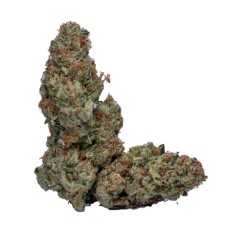
The Pine cannabis strain, known for its distinct forest-like aroma and terpene profile dominated by pinene, is a lesser-known but profoundly impactful strain both medically and recreationally. Often overshadowed by flashier hybrids, it represents a class of strains that appeal to users seeking clarity, respiratory relief, and a mentally refreshing experience.
Genetic Lineage and Classification
Strain Type: Predominantly sativa-leaning hybrid (though some phenotypes may be balanced or indica-dominant depending on the breeder and cross).
Lineage: It’s genetic history is not attributed to a single origin, but rather to a group of strains sharing a similar pine-dominant terpene profile, often derived from landrace sativas and hybrids like:
- Jack Herer
- Northern Lights
- Pine Tar Kush
- White Widow
- OG Kush phenotypes
These strains carry pinene-dominant profiles and often contribute to the creation of Pine or pine-heavy varieties.
Cannabinoid and Terpene Profile
Cannabinoid Composition (approximate ranges):
- THC: 15–24%
- CBD: 0.1–0.5% (low, not considered a high-CBD strain)
- CBG: 0.2–1%
- CBC: Trace
- THCV: May be present in sativa-dominant phenotypes (up to 0.5%)
Dominant Terpenes:
- α-Pinene:
- Primary terpene in these strains
- Known for bronchodilation, memory retention, and alertness
- β-Pinene:
- Enhances anti-inflammatory and antimicrobial effects
- Myrcene:
- Earthy and musky; adds sedative synergy at high concentrations
- Caryophyllene:
- Binds to CB2 receptors; adds anti-inflammatory and analgesic benefits
- Limonene:
- Adds mood-elevating, anxiolytic effects
Aromatic and Flavor Characteristics
- Aroma: Strong pine forest scent, with notes of fresh-cut wood, citrus zest, and herbal undertones.
- Flavor: Crisp pine needles, earthy base notes, and occasional sweetness or spiciness depending on phenotype.
The aroma is due primarily to the pinene family of terpenes, which are also found in conifers, rosemary, and basil.
Pharmacology and Mechanisms of Action
Cannabinoids:
- THC (Δ9-tetrahydrocannabinol):
- Binds to CB1 receptors in the CNS
- Produces euphoria, altered sensory perception, increased appetite, and analgesia
- CBD (cannabidiol):
- Weak CB1/CB2 agonist
- Modulates THC effects; contributes anxiolytic, neuroprotective, and anti-inflammatory properties
- CBG (cannabigerol):
- Precursor to major cannabinoids
- Exhibits antibacterial and anti-inflammatory effects
Terpene-Driven Modulation:
- Pinene:
- Acts as an acetylcholinesterase inhibitor – increases availability of acetylcholine, improving memory and focus
- Exhibits bronchodilator effects beneficial for asthma and respiratory conditions
- May counteract some THC-induced memory impairment
- Caryophyllene:
- Binds directly to CB2 receptors, exerting anti-inflammatory and analgesic effects without psychoactivity
- Limonene and myrcene:
- Modulate mood and sedation levels respectively, enhancing or balancing the strain’s effects
Medical Uses
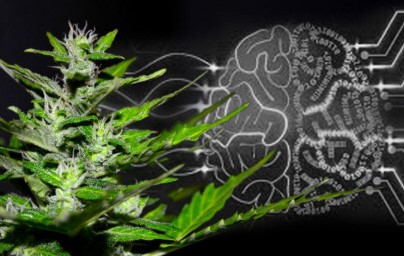
Key Phytochemical Drivers of Medical Effects
Cannabinoids:
| Compound | Typical % | Action |
|---|---|---|
| THC | 15–24% | CB1/CB2 agonist – euphoria, pain relief, appetite |
| CBD | 0.1–0.5% | Modulates THC, anti-anxiety, anti-inflammatory |
| CBG | ~0.2–1% | Neuroprotective, GABA uptake inhibition |
| CBC | Trace | Anti-inflammatory, may enhance mood |
Terpenes (Therapeutic):
| Terpene | Mechanisms | Medical Effects |
|---|---|---|
| α-Pinene | Acetylcholinesterase inhibition, bronchodilation, anti-inflammatory | Cognitive enhancement, respiratory relief, antimicrobial |
| β-Pinene | Antioxidant, anti-inflammatory | Pain, inflammation |
| Myrcene | Sedative (if high), enhances cannabinoid absorption | Mild muscle relaxant |
| Caryophyllene | CB2 agonist | Anti-inflammatory, analgesic, gut protection |
| Limonene | Increases serotonin levels, reduces cortisol | Antidepressant, anxiolytic |
Medical Conditions and Scientific Evidence
Cognitive Disorders and Attention Deficits
Conditions: ADHD, cognitive fog, early-stage dementia
- α-Pinene inhibits acetylcholinesterase, thereby increasing acetylcholine — a neurotransmitter essential for memory, attention, and learning.
- In a 2007 pharmacological study, pinene was shown to improve working memory and alertness, even counteracting THC-induced short-term memory disruption.
- Low- to moderate-dose THC can support task engagement in patients with ADHD or executive function deficits.
Mechanism:
- Cholinergic enhancement → improved prefrontal cortex signaling
- Dopaminergic modulation via THC/CB1 activity
Clinical Relevance:
- Ideal for mild cognitive impairment, “brain fog” in MS, long COVID, or fibromyalgia
Respiratory Disorders
Conditions: Asthma, bronchitis, COPD (non-acute)
- α-Pinene is a bronchodilator, promoting airway dilation via modulation of β2-adrenergic receptors.
- It also has antimicrobial effects against Staphylococcus aureus, Klebsiella, and Candida, helping reduce respiratory tract infections.
- Pine’s low myrcene content avoids sedative respiratory depression.
Scientific Basis:
- A 2015 study in Inhalation Toxicology confirmed pinene’s bronchodilatory efficacy in guinea pig models.
Clinical Relevance:
- It is one of the few strains that may be helpful — in vaporized form — for asthma symptom management, under medical supervision
Pain and Inflammatory Disorders
Conditions: Neuropathic pain, migraines, arthritis, fibromyalgia, IBS
- THC and caryophyllene synergistically reduce peripheral and central pain.
- CB2 receptor activation by caryophyllene reduces inflammatory cytokine release.
- Pinene reduces PGE2 synthesis via COX-2 inhibition, similar to non-steroidal anti-inflammatory drugs (NSAIDs) but without gastric toxicity.
Mechanisms:
- CB1 (THC): blocks nociceptive transmission in spinal cord
- CB2 (caryophyllene): reduces macrophage-driven inflammation
- TRPV1 modulation (via pinene and THC): desensitizes pain receptors
Clinical Relevance:
- Effective for chronic back pain, rheumatoid arthritis, menstrual cramps, and IBS-related abdominal pain
Mood Disorders
Conditions: Mild to moderate depression, dysthymia, seasonal affective disorder (SAD)
- THC and limonene raise dopamine and serotonin levels.
- Pinene prevents over-sedation, offering euphoric clarity rather than heavy stoning
- CBD and CBG (in low levels) contribute to GABA-A receptor modulation, aiding anxiolysis
Scientific Evidence:
- Limonene was shown in rodent studies (Zhou et al., 2013) to act as a natural antidepressant, modulating HPA axis activity and reducing cortisol levels
Clinical Relevance:
- It may help those with non-psychotic depression, social withdrawal, and lack of motivation, particularly in daytime use
Anxiety (selective use)
Condition: Generalized anxiety (low to moderate THC tolerance)
- Pinene is anxiolytic at low doses and counters THC-induced paranoia
- Works through:
- Cortisol modulation
- Enhancement of noradrenaline balance
- Modulation of GABAergic tone
Caution:
- At high doses, THC may exacerbate anxiety — patients with panic disorder or PTSD should microdose or choose balanced Pine/CBD hybrids
Appetite and Digestive Support
Conditions: Cachexia, chemotherapy-induced nausea, Crohn’s disease, IBS
- THC activates CB1 receptors in the hypothalamus, enhancing ghrelin secretion and hunger.
- CBD and limonene offer antiemetic effects (reduce nausea/vomiting)
- Caryophyllene reduces gut inflammation and intestinal hypermotility
Mechanisms:
- Enteric cannabinoid receptor stimulation (CB1/CB2 in GI tract)
- Delayed gastric emptying → prolonged satiety signals
Clinical Relevance:
- It is a strong candidate for patients undergoing cancer treatment, HIV/AIDS wasting, or inflammatory bowel disorders
Neurodegenerative and Neuroprotective Effects
Conditions: Alzheimer’s disease, Parkinson’s disease, multiple sclerosis (MS), post-stroke cognitive loss
- THC, CBD, CBG, and pinene act as antioxidants and neuroinflammatory modulators
- Pinene may preserve acetylcholine, aiding memory in Alzheimer’s
- THC/CBG reduce excitotoxicity and neuroinflammation via CB1/CB2 activation and calcium channel regulation
Scientific Insight:
- A 1998 U.S. government patent (No. 6,630,507) recognized cannabinoids as neuroprotectants, supporting future medical applications
Clinical Relevance:
- Early-stage neurodegeneration, cognitive impairment in MS, concussion recovery
Antibacterial and Antifungal Activity
- α-Pinene has been shown to inhibit bacterial growth, especially in Staphylococcus aureus (including MRSA) and Klebsiella pneumoniae
- When inhaled or used topically (e.g., cannabis-infused salves), it may reduce skin infections, biofilm formation, and fungal overgrowth like Candida
Dose and Delivery Considerations
| Delivery Method | Best For | Notes |
|---|---|---|
| Vaporization (low temp ~160–180°C) | Respiratory, mood, cognitive | Preserves pinene, fast onset |
| Sublingual tincture | Chronic pain, anxiety | Slower onset, avoids smoke |
| Capsules/edibles | GI issues, long-term pain | Avoids terpene loss but delays onset |
| Topicals | Arthritis, skin infections | Localized, non-psychoactive |
Patient Populations and Suitability
| Condition Category | Suitability | Notes |
|---|---|---|
| Mental focus / cognition | 5\5 | Microdose in daytime |
| Asthma / COPD | 4\5 | Vaporize only, avoid smoke |
| Chronic pain | 5\5 | Combine with CBD for long-term use |
| Depression / mild anxiety | 4\5 | Dose-dependent |
| Severe anxiety / PTSD | 5\5 | Caution with high THC |
| Neurodegenerative conditions | 5\5 | With supervision |
| Gastrointestinal disorders | 4\5 | Use in capsule or tincture form |
Summary of Therapeutic Targets and Mechanisms
| Medical Effect | Primary Agents | Mechanism |
|---|---|---|
| Cognitive clarity | α-Pinene | Acetylcholinesterase inhibition |
| Anti-inflammatory | THC, caryophyllene, pinene | CB1/CB2 agonism, COX-2 inhibition |
| Analgesia | THC, CBG, caryophyllene | TRPV1/CB1/CB2 modulation |
| Antidepressant | Limonene, THC, CBD | HPA axis regulation, monoamine elevation |
| Appetite boost | THC | CB1 stimulation in hypothalamus |
| Bronchodilation | Pinene | β2-adrenergic pathway |
| Neuroprotection | THC, CBD, pinene | Antioxidant, calcium modulation |
Recreational Use Profile
Desired Effects:
- Clear-headed high
- Euphoric uplift
- Mentally energizing with physical calm
- Creativity and focus enhancer
- Mild body relaxation
Common Activities Enhanced:
- Hiking or time in nature
- Creative projects (music, writing, painting)
- Socializing in calm settings
- Meditation or yoga (in lower doses)
Adverse Reactions (mostly dose-dependent):
- Dry mouth and eyes
- Anxiety/paranoia in high-THC phenotypes or high doses
- Mild dizziness
- Short-term memory disruption (less common due to pinene’s counteraction)
Comparative Scientific Insights: Pinene as a Bioactive Agent
Cognitive Modulation:
A 2011 study published in British Journal of Pharmacology found that pinene can inhibit acetylcholinesterase, the enzyme that breaks down acetylcholine, thus enhancing memory and cognitive function. This counters the amnesic effects often attributed to THC, making Pine-like strains uniquely beneficial for clarity and productivity.
Anti-Inflammatory Properties:
Research has shown that β-pinene exhibits COX-2 inhibition, similar to NSAIDs, without gastrointestinal toxicity. This underlines it’s utility in chronic pain, arthritis, and other inflammatory diseases.
Antimicrobial and Antiviral Effects:
Pinene has shown activity against MRSA, and limonene exhibits antifungal properties, making it strains potentially useful in antimicrobial phytotherapy.
Cultivation Characteristics
Genetic Phenotype Selection
Goals:
- Maximize pinene expression
- Balance THC content (15–24%)
- Promote resinous buds for aroma and potency
Scientific Consideration:
Pinene biosynthesis is genetically regulated by terpene synthase enzymes such as α-pinene synthase (PsTPS). Selecting a genotype with upregulated expression of these enzymes is crucial.
Best Practices:
- Use stabilized F1 hybrids or landrace-derived pine-dominant genetics
- Start from tissue culture clones or feminized seeds to minimize variability
- Test early phenotypes for high pinene:myrcene ratio via terpene lab analysis
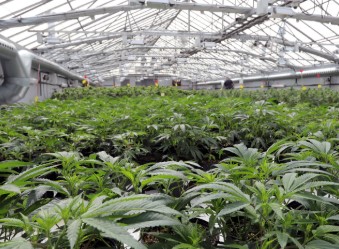
Environmental Requirements for Pinene Production
Pinene is highly volatile, so environmental control is critical to both its biosynthesis and preservation.
Light:
- Optimal PPFD: 600–900 μmol/m²/s in vegetative, 900–1100 μmol/m²/s in flowering
- Spectrum: Use full-spectrum white LEDs with UV-A and far-red to enhance terpene profiles
- UV exposure activates stress-induced terpene synthesis, particularly pinene and limonene
Temperature:
- Day: 22–27°C (72–81°F)
- Night: 18–21°C (64–70°F)
- Avoid exceeding 28°C to reduce pinene volatilization
Humidity:
- Vegetative RH: 60–70%
- Flowering RH: 40–50%
- Lower humidity in flowering phase helps prevent bud rot and promotes trichome production
CO₂ Enrichment:
- Maintain 1000–1200 ppm CO₂ in flowering for increased photosynthesis and biomass
- CO₂ enrichment enhances secondary metabolite production, including terpenes and cannabinoids
Soil and Nutrients
Soil Composition:
- Use living organic soil or high-quality coco/perlite blend with strong microbial activity
- Enrich with:
- Humic acids
- Mycorrhizal fungi
- Azospirillum and Bacillus subtilis
pH Range:
- Soil: 6.0–6.5
- Coco/hydro: 5.8–6.2
Macronutrients (NPK):
- Vegetative stage:
- High nitrogen (N) to support leaf development
- Example: 3-1-2 NPK
- Flowering stage:
- Shift to high phosphorus and potassium
- Example: 1-3-2 or 0-10-10 for resin production
Micronutrients:
- Ensure adequate sulfur and magnesium during flowering, as both are co-factors in terpene biosynthesis
Terpene-Enhancing Supplements:
- Add:
- Seaweed extracts (kelp) – hormone boosters
- Yucca root – stress modulation
- Saponins and silica – increase resin density and pest resistance
- Molasses or sugar complexes – feed soil microbes and boost secondary metabolites
Training Techniques and Morphology Control
Goal:
Maximize light penetration, increase bud site exposure, and promote airflow to prevent terpene degradation from heat.
Techniques:
- Low Stress Training (LST): Bends branches to increase horizontal growth
- Topping: Promotes multi-cola formation
- Screen of Green (ScrOG): Helps even canopy development
- Defoliation (late veg and early flower): Exposes lower bud sites and enhances resin concentration
Scientific Basis:
Terpenes are photo-oxidative, meaning too much light/heat on trichomes can degrade pinene. These methods help maintain terpene integrity while maximizing bud production.
Flowering Phase Specifics
Duration:
- 8–10 weeks depending on the phenotype
Key Focus:
- Avoid high heat
- Preserve trichomes
- Enhance pinene synthase activity
Advanced Techniques:
- Cold Shocking in late flower (last 7–10 days):
- Lower night temps to 16°C (60°F) to induce stress-response terpene production
- Dark Period Extension:
- Last 48 hours in darkness before harvest may boost terpene expression
Pest and Mold Management
While pinene and caryophyllene exhibit natural antifungal and anti-insect properties, you still need to protect your crop.
Common Risks:
- Spider mites
- Powdery mildew
- Fungus gnats
Solutions:
- Introduce beneficial insects: ladybugs, predatory mites
- Apply biological fungicides like Bacillus subtilis or neem oil during veg
- Use sulfur vaporizers in early veg, never during flower (destroys trichomes)
Harvest and Post-Harvest
Trichome Monitoring:
- Use a 60x scope to monitor resin glands
- Cloudy with 10–15% amber = optimal THC and terpene maturity
Harvest Timing:
- Early harvest (mostly cloudy trichomes): preserves more pinene, lighter cerebral high
- Late harvest (more amber): deeper body effects, less terpene retention
Drying:
- Temperature: 18–21°C (64–70°F)
- Humidity: 55–60%
- Duration: 10–14 days
- Use indirect airflow, and dark rooms to protect terpenes
Curing:
- Cure buds in airtight glass jars for 4–8 weeks
- “Burp” jars daily to release moisture and allow oxygen exchange
- Terpene synthesis ends post-harvest; curing preserves volatile aromatics like pinene
Lab Testing and Validation
Ideal Post-Cultivation Targets:
- THC: 18–22%
- α-Pinene: ≥0.3%
- β-Pinene: ≥0.1%
- Myrcene: ≤0.2% (avoid overpowering sedative effect)
- Caryophyllene: ≥0.2%
Testing Methods:
- Gas Chromatography (GC-MS) for terpene profiling
- HPLC for cannabinoid analysis
Interpretation:
- A high pinene-to-myrcene ratio is ideal for cognitive clarity and respiratory benefits
- Aim for broad terpene synergy without excessive sedation or dullness
Sustainable Practices
Organic Focus:
- Use compost teas and cover crops to maintain healthy rhizosphere
- Avoid synthetic fertilizers and pesticides to prevent terpene degradation
Regenerative Soil Systems:
- Rotate with companion plants (e.g., basil, rosemary) to attract beneficial insects and deter pests naturally
- Reuse living soil through re-amendments to preserve microbiota that support terpene production
Scientific Cultivation Summary
| Factor | Optimal for Pine Strains |
|---|---|
| Light | Full spectrum w/ UV & far-red (900–1100 PPFD) |
| Temp (Flower) | 22–27°C day / 18–21°C night |
| Humidity | 40–50% in flower |
| Soil | Living organic with microbial additives |
| Nutrients (Flower) | High P & K, sulfur and magnesium-rich |
| Key Terpenes | α-Pinene, β-Pinene, Caryophyllene, Limonene |
| Harvest Indicators | 85–90% cloudy trichomes, minimal amber |
| Curing Time | 4–8 weeks for terpene stabilization |
| Cultivation Style | LST, ScrOG, organic soil |
| Testing Goal (α-pinene) | ≥0.3% by weight |
Breeding and Hybridization Potential
Due to its dominant pinene profile and cerebral effects, Pine is often used in breeding to produce:
- Cerebral, clear-headed hybrids
- Respiratory-friendly strains
- Sativa-leaning hybrids with reduced anxiety potential
Common crosses include:
- Pine OG (Pine x OG Kush)
- Pineapple Pine (Pine x Pineapple Express)
- Jack Pine (Jack Herer x Pine)
- Sour Pine Diesel (Sour Diesel x Pine phenotype)
User Experience and Community Feedback
Users typically report:
- Mentally crisp and refreshing onset
- Focus and motivation with minimal fog
- Improved breathing and mental clarity
- Clean “come down” with no sedation or crash
- Pleasant experience in nature-heavy environments
Medical patients often highlight relief from:
- Inflammatory pain
- Lung tightness
- Cognitive sluggishness
- Mild mood disorders
Legal and Accessibility Considerations
While Pine-specific strains are not always listed by name in commercial dispensaries, many pinene-rich strains are available and can be identified by:
- Lab testing results indicating high α-pinene and β-pinene
- Descriptive notes mentioning “pine forest,” “herbal,” or “woody” aromas
- Strains like Jack Herer, Dutch Treat, and Blue Dream phenotypes
These are often legally available in most states and countries where recreational or medical cannabis is permitted.
Conclusion
The Pine cannabis strain is a compelling option for users seeking clarity, respiratory support, and mental refreshment, with a robust terpene profile rich in pinene and accompanying cannabinoids like THC, CBG, and small amounts of CBD. Its pharmacological synergy lends itself to medical applications in respiratory disorders, inflammatory diseases, and cognitive dysfunction, while also offering a refreshing and creative recreational high.
Pine’s legacy as a terpene-dominant strain with scientifically validated benefits positions it as a vital resource in both therapeutic and recreational cannabis landscapes. Whether used for boosting attention, easing lung strain, or lifting the spirits, Pine represents nature’s forest-scented answer to modern wellness.
For a complete directory of cultivars, visit our Cannabis Strain Reviews.
