Table of Contents
Pincher’s Creek is a sativa-dominant hybrid cannabis strain recognized for its energizing effects and distinct aroma. While its exact genetic lineage is unclear, it is believed to be associated with the Kush family. This strain is known for its complex flavor profile, potent psychoactive effects, and a range of medical benefits.
Genetics and Origin
The exact parentage of Pincher’s Creek remains uncertain, but it is suspected to have genetic ties to landrace strains from Afghanistan and possibly a Skunk variety. Some reports suggest it was initially cultivated in Canada, particularly in regions with a colder climate, where it developed its resilience and potency.
Appearance, Aroma, and Flavor
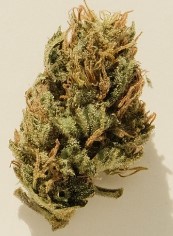
Pincher’s Creek exhibits dense, medium-sized buds with a bright green hue, accentuated by orange pistils and a thick coating of trichomes. The aroma is a mix of citrus, pine, and earthy undertones, with a sharp, skunky aroma that becomes stronger as the buds split. The flavor profile combines sweet, fruity notes with hints of spice and a slightly diesel-like aftertaste.
Cannabinoid and Terpene Profile
- THC Content: Typically ranges between 18-24%, making it a high-potency strain suitable for experienced users.
- CBD Content: Generally low, usually below 1%, though some phenotypes may exhibit slightly higher concentrations.
- Terpenes:
- Myrcene: Contributes to its earthy, musky aroma and may enhance sedative effects.
- Limonene: Responsible for its citrusy notes and uplifting effects.
- Pinene: Adds a pine-like fragrance and may help with respiratory function.
- Caryophyllene: Brings a spicy, peppery kick and interacts with cannabinoid receptors, potentially aiding in pain relief.
Effects and Recreational Use
Pincher’s Creek is primarily recognized for its uplifting and energizing effects. Users report an initial rush of euphoria, followed by increased mental clarity and focus. This makes it a popular choice for daytime use, as it can enhance productivity and creativity without inducing sedation.
Recreational users appreciate this strain for its ability to promote social interaction, motivation, and a sense of well-being. However, in higher doses, its strong cerebral effects may become overwhelming for novice consumers, potentially leading to anxiety or paranoia.
Scientific Insights
Studies suggest that the cannabinoids and terpenes found in Pincher’s Creek interact with the endocannabinoid system to regulate mood, pain, and cognitive functions. The high THC content binds to CB1 receptors in the brain, resulting in the euphoric and stimulating effects associated with the strain. Meanwhile, its terpene composition may modulate these effects, either enhancing or balancing the overall experience.
Pincher’s Creek is a sativa-dominant hybrid known for its energizing, mood-enhancing, and focus-inducing properties. Due to its high THC content (18-24%) and rich terpene profile, this strain has varied medical applications, especially in treating neurological disorders, mood disorders, chronic pain, and inflammatory conditions. Below is a detailed scientific breakdown of its medical effects, based on cannabinoid pharmacology and clinical research.

1. Neurological and Cognitive Benefits
A. ADHD & Focus Disorders
- Mechanism of Action:
- High dopamine stimulation via CB1 receptor activation in the prefrontal cortex
- Limonene & Pinene terpenes help with mental clarity and neuroprotection
- May reduce hyperactivity and impulsivity while enhancing focus
- Scientific Basis:
- THC has been studied for its dopaminergic effects, which are similar to stimulant medications like methylphenidate (Ritalin)
- Pinene, a terpene present in this strain, is known to support acetylcholine neurotransmission, which is essential for memory and cognitive function
B. Depression & Mood Disorders
- Mechanism of Action:
- THC and caryophyllene in Pincher’s Creek interact with CB1 and CB2 receptors, helping to modulate serotonin release
- Limonene has been shown to have antidepressant effects, increasing serotonin and dopamine levels
- Scientific Basis:
- Studies indicate cannabis-derived compounds can help treat treatment-resistant depression (TRD)
- Limonene has been shown in animal studies to elevate serotonin and norepinephrine, mimicking traditional SSRIs like fluoxetine
C. Neurodegenerative Diseases (Alzheimer’s, Parkinson’s, Multiple Sclerosis)
- Mechanism of Action:
- THC acts as a neuroprotectant by reducing oxidative stress and inflammation in the brain
- Beta-caryophyllene (BCP) reduces inflammation through the CB2 receptor
- Pinene may counteract memory impairment sometimes associated with THC
- Scientific Basis:
- Research in Alzheimer’s disease suggests THC reduces beta-amyloid plaque accumulation
- CB2 receptor activation by caryophyllene may reduce neuroinflammation in multiple sclerosis
2. Chronic Pain and Inflammatory Conditions
A. Chronic Pain Management
- Mechanism of Action:
- THC changes how pain is perceived by binding to CB1 receptors in the central nervous system.
- Caryophyllene binds to the CB2 receptor, producing anti-inflammatory effects
- Scientific Basis:
- Clinical trials have demonstrated that THC-rich cannabis strains can be as effective as opioids for neuropathic pain
- Beta-caryophyllene is a selective CB2 agonist, reducing chronic inflammatory pain
B. Arthritis & Inflammatory Disorders
- Mechanism of Action:
- Caryophyllene + Myrcene reduce joint inflammation
- THC suppresses pro-inflammatory cytokines (TNF-α, IL-6)
- Scientific Basis:
- Animal studies show that caryophyllene reduces arthritis-induced inflammation
- Pincher’s Creek extracts containing myrcene and caryophyllene exhibit strong anti-inflammatory properties comparable to NSAIDs
C. Migraine & Headache Relief
- Mechanism of Action:
- THC + Limonene work as vasodilators, improving blood flow and reducing migraine intensity
- Pinene in Pincher’s Creek may reduce neurological inflammation associated with migraines
- Scientific Basis:
- Studies have found THC-rich strains reduce migraine frequency by over 50% in some cases
- Limonene in Pincher’s Creek has been suggested as a potential 5-HT1A serotonin receptor agonist, similar to sumatriptan (a common migraine medication)
3. Mental Health and PTSD Treatment
A. Anxiety and PTSD Relief
- Mechanism of Action:
- THC at low-to-moderate doses promotes dopamine and serotonin balance, improving mood
- Limonene has anxiolytic properties, reducing stress levels
- Scientific Basis:
- Studies show cannabis users with PTSD have significant symptom reduction when using THC-dominant strains
- Beta-caryophyllene interacts with CB2 receptors, regulating cortisol levels and reducing stress-induced inflammation
Caution:
- High doses of THC in Pincher’s Creek can induce anxiety and paranoia
- Patients with a history of panic attacks should use low doses and monitor effects
4. Gastrointestinal & Metabolic Benefits
A. Appetite Stimulation (Cancer, HIV/AIDS, Eating Disorders)
- Mechanism of Action:
- THC stimulates ghrelin secretion, increasing appetite
- CB1 receptor activation enhances food cravings and digestion
- Scientific Basis:
- THC has been FDA-approved for appetite stimulation in AIDS-related wasting syndrome (dronabinol/Marinol)
- Studies confirm that THC-rich cannabis is effective for cancer-related anorexia
B. Irritable Bowel Syndrome (IBS) & Crohn’s Disease
- Mechanism of Action:
- Caryophyllene and THC reduce gut inflammation via CB2 receptor modulation
- Myrcene and Limonene aid in gut motility regulation
- Scientific Basis:
- Medical cannabis use in Crohn’s patients has led to remission rates of up to 45%
- Caryophyllene’s CB2 activity may reduce colonic inflammation in ulcerative colitis
5. Sleep and Circadian Rhythm Regulation
A. Insomnia Treatment
- Mechanism of Action:
- THC enhances slow-wave sleep, leading to deeper rest
- Myrcene in Pincher’s Creek has sedative properties, prolonging sleep duration
- Scientific Basis:
- Studies indicate Pincher’s Creek users fall asleep faster and wake up less frequently
- Myrcene and caryophyllene together may improve sleep cycles
Growing Information
Cultivating Pincher’s Creek requires careful attention to environmental conditions, nutrient management, and pest control strategies. Given its sativa-dominant nature, it has specific growth requirements that differ from indica-heavy strains. Below is a detailed breakdown of the scientific aspects of its cultivation.

1. Optimal Growing Conditions
A. Climate Requirements
- Temperature Range: 70-85°F (21-29°C)
- Humidity Levels:
- Vegetative Stage: 55-65%
- Flowering Stage: 40-50%
- Late Flowering: Below 40% to prevent mold
- Light Requirements:
- Indoor: 18-24 hours of light during Pincher’s Creek vegetative growth, 12/12 light-dark cycle for flowering
- Outdoor: Prefers Mediterranean or temperate climates with long sunny days
Since Pincher’s Creek thrives in moderate-to-warm climates, it requires stable temperatures and good airflow to prevent heat stress.
2. Soil and Nutrient Management
A. Soil Composition
- Preferred pH: 6.0-6.8
- Best Soil Type: Well-draining, organic-rich soil with a mixture of loamy and sandy textures
- Soil Additives:
- Perlite/Vermiculite: Improves aeration and drainage
- Coco Coir: Retains moisture without waterlogging roots
- Compost/Worm Castings: Provide beneficial microorganisms for nutrient absorption
B. Hydroponic & Soilless Cultivation
Pincher’s Creek can be cultivated hydroponically using Deep Water Culture (DWC), Nutrient Film Technique (NFT), or Aeroponics. Hydroponic cultivation allows for faster growth by delivering nutrients directly to the roots.
- EC Levels: 1.0-2.2 mS/cm
- PPM Levels:
- Seedling Stage: 400-500 ppm
- Vegetative Stage: 600-1000 ppm
- Flowering Stage: 1000-1600 ppm
C. Nutrient Requirements
Primary Macronutrients:
- Nitrogen (N): Crucial during the vegetative phase to promote leafy growth
- Phosphorus (P): Encourages the growth of roots and flowers
- Potassium (K): Enhances bud formation and disease resistance
Secondary Macronutrients & Micronutrients:
- Calcium & Magnesium: Prevent deficiencies that cause leaf curling and yellowing
- Silicon: Strengthens cell walls and increases resistance to pests
- Zinc, Iron, and Copper: Essential for enzymatic functions
During flowering, a high phosphorus and potassium feed is recommended to enhance terpene and resin production.
3. Growth Stages & Pruning Techniques
A. Germination
- Use feminized seeds to ensure female plants
- Optimal germination temperature: 70-75°F (21-24°C)
- Methods:
- Paper towel method (moist, warm conditions)
- Direct soil germination
- Water soaking (12-24 hours before planting)
B. Vegetative Growth (4-6 Weeks)
- Lighting: 18-24 hours per day (indoor)
- Nutrient Mix: High nitrogen, moderate phosphorus & potassium
- Training Techniques:
- Low-Stress Training (LST): Bending branches to expose more bud sites
- Topping: Removing the main stem to promote lateral development
- SCROG (Screen of Green): Encourages horizontal growth for even light exposure
C. Flowering Stage (8-10 Weeks)
- Lighting Shift: 12 hours of light, 12 hours of darkness (indoor)
- Humidity Reduction: Prevents mold and bud rot
- Nutrient Shift: Higher phosphorus & potassium, lower nitrogen
D. Harvesting & Curing
- Trichome Maturity:
- Clear trichomes: Immature
- Cloudy trichomes: Peak THC levels
- Amber trichomes: Higher CBN, more sedative effects
- Drying Process:
- Temperature: 60-70°F (15-21°C)
- Humidity: 45-55%
- Duration: 7-14 days
- Airflow: Moderate with proper ventilation
- Curing Process:
- Buds should be kept in glass jars with 60–65% humidity.
- Burp jars daily for the first 2 weeks to release excess moisture
4. Common Challenges & Solutions
A. Pest Management
Common Pests:
- Spider mites
- Aphids
- Thrips
- Fungus gnats
Organic Control Methods:
- Neem oil spray
- Diatomaceous earth
- Companion planting with basil or marigolds
B. Disease Prevention
Potential Diseases:
Bud Rot: Can be controlled by lowering humidity and defoliating excess foliage in Pincher’s Creek
Powdery Mildew: Managed with good airflow and humidity control
Root Rot: Prevented by avoiding overwatering and ensuring soil drainage
Methods of Ingestion, Onset, and Duration of Pincher’s Creek Cannabis Strain
The method of ingestion of Pincher’s Creek plays a critical role in determining the onset time, duration, and overall effects of Pincher’s Creek. Since this strain has a high THC concentration (18-24%) and a complex terpene profile, different consumption methods alter bioavailability, absorption rates, and pharmacokinetics. Below is a detailed scientific breakdown of the various ingestion methods, their effects, and how they interact with the body.

1. Methods of Ingestion
A. Inhalation (Smoking & Vaping)
Mechanism of Action:
- THC and other cannabinoids in Pincher’s Creek enter the bloodstream through alveolar absorption in the lungs
- Direct interaction with CB1 receptors in the brain, producing rapid psychoactive effects
1. Smoking (Combustion)
- Involves burning dried flower, inhaling THC, terpenes, and cannabinoids
- Temperature Range: 600-900°C (high combustion)
- Bioavailability: ~25-30%
- Onset: 1-5 minutes
- Peak Effects: 15-30 minutes
- Duration: 2-3 hours
Scientific Considerations:
- Pros: Fast-acting, full-spectrum cannabinoid and terpene effects
- Cons: Combustion produces harmful byproducts (carbon monoxide, tar, benzene)
2. Vaporization (Vaping)
- Heats cannabis at lower temperatures, avoiding combustion
- Temperature Range: 160-220°C (preserves terpenes)
- Bioavailability: ~40-50% (higher than smoking)
- Onset: 1-3 minutes
- Peak Effects: 15-30 minutes
- Duration: 2-4 hours
Scientific Considerations:
- Pros: Higher bioavailability, fewer toxins, better terpene retention
- Cons: Expensive equipment, potential risks from vape cartridge additives (in cases of low-quality products)
B. Oral Consumption (Edibles, Capsules, Sublingual)
Mechanism of Action:
- THC is metabolized by the liver (first-pass metabolism), converting Δ9-THC into 11-hydroxy-THC (11-OH-THC)
- 11-OH-THC is more potent and has a longer half-life, resulting in delayed onset but prolonged effects
1. Edibles (Gummies, Baked Goods, Oils)
- Bioavailability: ~4-20% (depends on individual metabolism)
- Onset: 30-90 minutes (delayed due to digestion)
- Peak Effects: 2-3 hours
- Duration: 6-8 hours (longer in high doses)
Scientific Considerations:
- Pros: Long-lasting effects, no lung irritation
- Cons: Difficult dosing control, risk of delayed overconsumption
2. Capsules & THC Pills
- Encapsulated THC or cannabis oil processed like traditional edibles
- Bioavailability: ~6-30% (depends on lipid solubility)
- Onset: 45-90 minutes
- Peak Effects: 2-4 hours
- Duration: 6-10 hours
Scientific Considerations:
- Pros: Precise dosing, medical-grade consistency
- Cons: Slower onset, first-pass metabolism reduces efficiency
3. Sublingual (Tinctures, Oils, Sprays)
- Absorbed through oral mucosa, bypassing digestion and liver metabolism
- Bioavailability: ~30-40% (higher than edibles)
- Onset: 15-45 minutes
- Peak Effects: 60-90 minutes
- Duration: 4-6 hours
Scientific Considerations:
- Pros: Quicker than edibles, with more precise dosage
- Cons: May have strong taste, potential for accidental swallowing (reducing effectiveness)
C. Topical Application (Creams, Transdermal Patches)
Mechanism of Action:
- Does not enter the bloodstream unless using transdermal technology
- Activates CB2 receptors in the skin, reducing localized inflammation and pain
1. Cannabis Creams, Balms, and Lotions
- Bioavailability: Very low (local absorption only)
- Onset: 15-30 minutes
- Duration: 2-4 hours
Scientific Considerations:
- Pros: Effective for localized pain and inflammation, non-psychoactive
- Cons: Limited cannabinoid absorption, ineffective for systemic effects
2. Transdermal Patches
- Mechanism: Uses carrier molecules (lipophilic enhancers) to deliver cannabinoids into the bloodstream
- Bioavailability: ~30-50% (varies by formulation)
- Onset: 1-2 hours
- Duration: 8-12 hours
Scientific Considerations:
- Pros: Steady cannabinoid release of Pincher’s Creek, prolonged therapeutic effects
- Cons: Expensive, slower onset than inhalation
2. Onset, Peak, and Duration Comparisons
| Method | Onset Time | Peak Effects | Total Duration | Bioavailability |
|---|---|---|---|---|
| Smoking | 1-5 min | 15-30 min | 2-3 hours | 25-30% |
| Vaping | 1-3 min | 15-30 min | 2-4 hours | 40-50% |
| Edibles | 30-90 min | 2-3 hours | 6-8 hours | 4-20% |
| Capsules | 45-90 min | 2-4 hours | 6-10 hours | 6-30% |
| Tinctures | 15-45 min | 60-90 min | 4-6 hours | 30-40% |
| Topicals | 15-30 min | N/A (localized) | 2-4 hours | Low |
| Transdermal | 1-2 hours | 2-4 hours | 8-12 hours | 30-50% |
3. Scientific Insights on Cannabinoid Absorption & Metabolism
- Δ9-THC (Smoked/Vaped) vs. 11-OH-THC (Edibles)
- Smoked/vaped THC directly affects the brain within minutes, leading to rapid psychoactive effects of Pincher’s Creek.
- Edible THC is converted into 11-OH-THC, which is 2-3 times more psychoactive and has a longer duration.
- Lipid Solubility & Storage
- THC is highly lipophilic, meaning it is stored in fat cells and released over time.
- Frequent users may experience residual effects for up to 24-48 hours due to THC accumulation in fat tissues.
- First-Pass Metabolism & Bioavailability Issues
- Oral cannabis has lower bioavailability (4-20%) due to first-pass metabolism in the liver.
- Vaping & smoking offer higher bioavailability (25-50%) since they bypass liver metabolism.
Conclusion
Pincher’s Creek is a potent and versatile cannabis strain with strong cerebral effects, making it ideal for both recreational and medical use. Its ability to provide energy, focus, and mood enhancement makes it a go-to strain for daytime consumption. However, its potency requires mindful dosing, especially for individuals sensitive to THC.
For a complete directory of cultivars, visit our Cannabis Strain Reviews.
