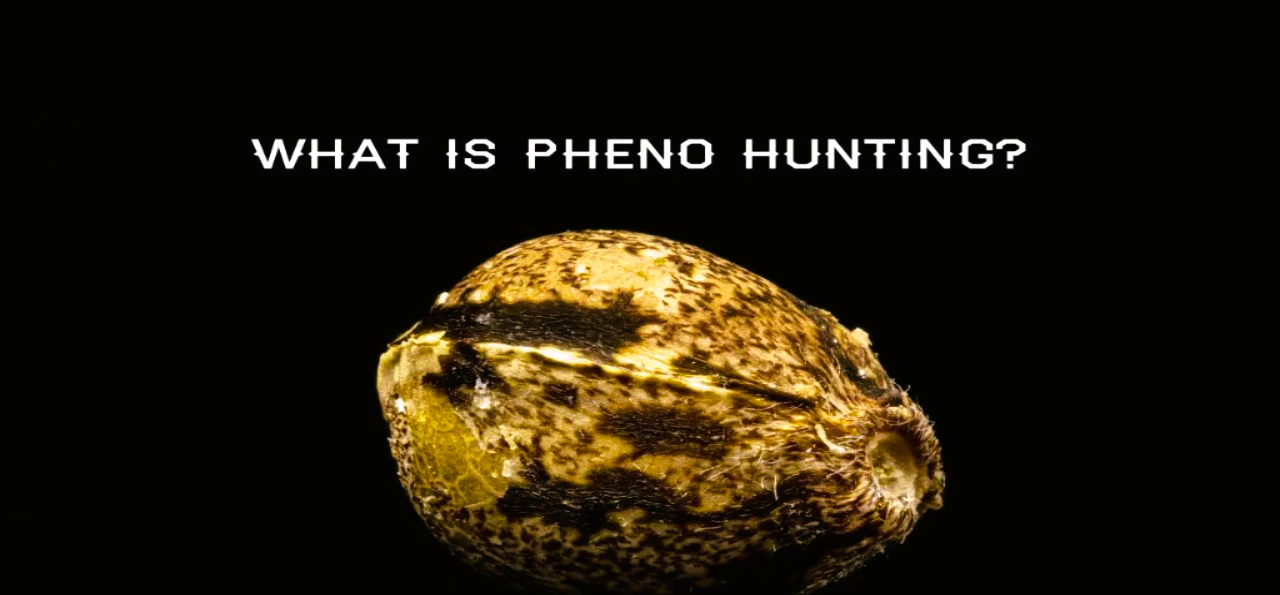
Pheno-Hunting for Medical Cannabis
Pheno-hunting, or phenotypic selection, is a critical process in the cultivation and development of medical cannabis. This meticulous approach is driven by the need to discover and cultivate strains of cannabis that deliver consistent, specific therapeutic benefits. Unlike recreational cannabis, where the focus may lean toward high THC levels or novel sensory experiences, medical cannabis requires a focus on cannabinoids, terpenes, and other compounds that can provide targeted relief for various medical conditions. By carefully selecting, cross-breeding, and evaluating plants, growers work to develop strains that meet these therapeutic demands with precision and reliability.
To provide an in-depth understanding of pheno-hunting for medical cannabis, it’s essential to explore both the cultivation strategies used and the medical implications of various phenotypic traits. This page will provide a comprehensive overview of pheno-hunting for medical cannabis, examining the genetics, growing techniques, and specific applications of phenotypes tailored for medical use, while excluding recreational applications and consumption methods.
1. Understanding Pheno-Hunting in Medical Cannabis

Pheno-hunting in cannabis cultivation refers to the process of selecting specific phenotypes—observable traits—within a plant population. Each cannabis plant can express a variety of phenotypes based on its genetic makeup (genotype) and environmental influences. Phenotypic traits of interest to medical cannabis growers often include cannabinoid profile, terpene content, yield potential, growth morphology, resistance to pests and diseases, and flowering time.
The objective in pheno-hunting for medical cannabis is to identify and propagate plants that exhibit the desired medicinal properties, such as a high concentration of cannabidiol (CBD) for pain relief or specific terpene profiles for anxiety reduction. These efforts aim to produce a stable strain that can be consistently cultivated to meet patients’ medical needs.
2. The Role of Genetics in Medical Pheno-Hunting
The genetic foundation of a cannabis plant influences its potential medicinal properties. Genotypes, the plants’ genetic code, are the blueprint for potential phenotypes. Breeding practices and genetic selection help shape the resulting phenotypic traits. Medical cannabis pheno-hunters typically begin with seeds or clones that offer genetic diversity, aiming to increase the likelihood of discovering a plant that meets their medical criteria.
- Genetic Diversity and Hybridization: A wide genetic pool is essential for pheno-hunting. Cross-breeding different cannabis strains—often a combination of indica, sativa, and ruderalis varieties—enables breeders to combine beneficial traits, such as therapeutic cannabinoid content from one parent and pest resistance from another. Hybrids can yield a unique balance of properties, offering benefits like high CBD and specific terpene profiles useful for treating conditions like chronic pain, insomnia, or inflammation.
- Stabilizing Genetics for Consistency: After identifying a plant with favorable traits, stabilizing the genetics through selective breeding is essential to ensure that the plant’s characteristics remain consistent across multiple generations. Stabilization involves backcrossing (breeding a plant with one of its parents) and inbreeding to reinforce the expression of the desired traits in future generations. A stable strain provides reliability for medical applications, ensuring that patients receive consistent therapeutic effects.
3. Cultivation Techniques in Medical Cannabis Pheno-Hunting
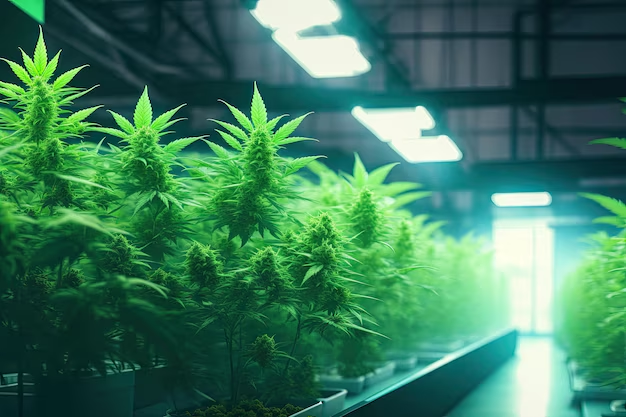
The cultivation environment plays a significant role in shaping a cannabis plant’s phenotype. While genetics determine a plant’s potential, the growing conditions influence the extent to which certain traits are expressed. Environmental factors such as light, temperature, humidity, nutrient levels, and watering schedules affect the plant’s overall growth, cannabinoid levels, and terpene profile.
A. Indoor vs. Outdoor Cultivation
Indoor cultivation offers the highest degree of control over environmental factors, allowing pheno-hunters to test plants under consistent conditions. This is particularly beneficial for medical cannabis, as growers can precisely manage the variables to enhance therapeutic compounds while minimizing stress that might alter the plant’s chemistry.
- Indoor Cultivation: Indoor setups allow pheno-hunters to experiment with various light spectrums, intensities, and photoperiods, which can significantly impact cannabinoid and terpene production. For example, adjusting light spectrums during flowering can influence CBD and THC levels, while photoperiod adjustments can affect flowering time.
- Outdoor Cultivation: Some pheno-hunters prefer outdoor environments for the potential to cultivate plants with a broader range of terpenes, which may be influenced by natural sunlight, soil microbiomes, and seasonal changes. Outdoor-grown plants, however, are more susceptible to environmental stressors, which may lead to inconsistent phenotypic expression, posing challenges for medical use.
B. Nutrient and Soil Management
Nutrient management is a key component of pheno-hunting, especially when aiming to enhance specific medical properties. For cannabis plants to flourish, they need a balance of nitrogen, phosphorus, potassium, and trace minerals; the right ratio can affect the creation of terpenes and cannabinoids.
- Organic Nutrients: Many medical cannabis growers prioritize organic nutrients to avoid introducing pesticides or synthetic chemicals that may be harmful to patients. Organic nutrients, such as compost and fish emulsion, enrich the soil and promote a healthy root environment, which can lead to more robust cannabinoid production.
- Soil Microbiome: The soil’s microbial content is known to impact the plant’s health and chemical composition. Specific soil microbes can influence how plants absorb nutrients, thus impacting their chemical profiles. This is particularly relevant in medical cannabis, where organic, microbe-rich soils can enhance terpene production beneficial for medical treatments like anti-inflammatory or analgesic effects.
C. Pest and Disease Resistance
Growing healthy cannabis plants free from pests and diseases is critical for medical purposes. Cannabis pheno-hunters often select plants that show natural resistance to common pathogens such as powdery mildew, spider mites, and root rot. This trait minimizes the need for pesticides, which could compromise the plant’s safety for medical use.
4. Key Cannabinoid Profiles and Their Medical Benefits
Pheno-hunting for medical cannabis involves targeting specific cannabinoid profiles. The chemical substances in cannabis known as cannabinoids work with the body’s endocannabinoid system (ECS) to produce medicinal effects. Here are some key cannabinoids that medical cannabis pheno-hunters often seek to optimize:
A. Cannabidiol (CBD)
CBD is non-psychoactive and has gained prominence for its range of therapeutic benefits. Medical strains with high CBD content are particularly sought after for conditions such as epilepsy, chronic pain, anxiety, and inflammation.
- High-CBD Strains: CBD-dominant strains can be selected through pheno-hunting, especially when seeking plants that provide relief without psychoactive effects, making them suitable for a wider range of patients, including children and the elderly.
B. Tetrahydrocannabinol (THC)
THC has psychoactive properties, but it also offers therapeutic benefits for conditions such as pain relief, nausea, and muscle spasms.
- THC to CBD Ratios: For medical applications, pheno-hunters often explore various THC to CBD ratios. Strains with balanced ratios (1:1 THC to CBD) are beneficial for patients who require pain relief with minimal psychoactive effects, while strains with higher THC may be selected for patients needing stronger relief from symptoms like severe pain or chemotherapy-induced nausea.
C. Minor Cannabinoids: CBG, CBN, and THCV
Due to their distinct therapeutic properties, minor cannabinoids such as tetrahydrocannabivarin (THCV), cannabigerol (CBG), and cannabinol (CBN) are of interest in medical pheno-hunting.
- CBG: Known for its anti-inflammatory, antibacterial, and neuroprotective properties, CBG-rich strains are beneficial for conditions such as inflammatory bowel disease, glaucoma, and neurodegenerative disorders.
- CBN: CBN is often sought after for its sedative effects, making it valuable for treating insomnia and anxiety-related disorders.
- THCV: THCV is of interest for its potential as an appetite suppressant and its promising effects in managing diabetes and obesity.
5. Terpene Profiles and Their Medical Implications
Cannabis’s fragrant components, known as terpenes, have drawn interest due to its medical uses. The entourage effect is the term for how each terpene affects a plant’s overall medicinal profile and can intensify the effects of cannabis.
A. Common Terpenes in Medical Cannabis
- Myrcene: Known for its sedative and anti-inflammatory properties, myrcene-dominant strains are beneficial for pain relief, muscle relaxation, and sleep support.
- Limonene: With a citrus aroma, limonene has demonstrated mood-elevating and anti-anxiety effects, making it useful for patients with depression or chronic stress.
- Linalool: Commonly found in lavender, linalool offers calming and sedative effects and is beneficial for anxiety and insomnia.
- Beta-Caryophyllene: A unique terpene that binds directly to cannabinoid receptors, beta-caryophyllene has anti-inflammatory and analgesic properties, making it valuable for treating pain and inflammation.
6. Stability and Reproducibility in Medical Cannabis
Consistency is critical in medical cannabis, as patients rely on predictable results. Pheno-hunting aims to establish a stable plant profile that will yield consistent cannabinoid and terpene levels across cultivation cycles. Stability is achieved through careful genetic selection, controlled environmental conditions, and standardized cultivation practices.
- Cloning and Mother Plants: Cloning from a mother plant with the desired phenotype ensures that each new plant has the same genetic profile, making it easier to maintain consistency in cannabinoid and terpene levels.
- In Vitro Tissue Culture: Advanced growers may use tissue culture techniques to preserve plant genetics and maintain uniformity. This technique allows for the regeneration of plants in a controlled environment, reducing the likelihood of phenotypic variation.
7. Regulatory Considerations for Medical Cannabis Pheno-Hunting
Medical cannabis cultivation is subject to strict regulatory standards in many regions. Pheno-hunters working with medical strains must ensure that the plants meet regulatory requirements regarding cannabinoid levels, contaminants, and overall product quality. Testing protocols are implemented at multiple stages of growth and post-harvest to verify that the strains meet safety and efficacy standards.
- Lab Testing: To verify the cannabis content, terpene profile, and lack of pollutants like as pesticides, heavy metals, and microbiological infections, routine laboratory testing is carried out.
- Good Manufacturing Practices (GMP): Many medical cannabis operations adhere to GMP standards, ensuring that products are consistently produced and controlled according to quality standards.
Restrictions on Medical Cannabis Cultivation and Usage
The medical field is increasingly recognizing cannabis for its therapeutic potential, but stringent restrictions are in place to ensure its safe and appropriate use. These restrictions are designed to protect patients, prioritize medical efficacy over recreational interest, and minimize the risk of psychoactive effects. Key areas of restriction include cultivation practices, usage regulations, and the control of THC levels to prevent undesired psychoactive experiences. Furthermore, medical cannabis is often recommended as a last resort, used only when other treatments fail to provide relief.
Cultivation Restrictions for Medical Cannabis
In regions where medical cannabis is legal, cultivation is heavily regulated to ensure safety and quality. These restrictions mandate that medical cannabis cultivation meets high standards regarding contaminant-free production, secure growing environments, and consistent cannabinoid profiles.
- Licensed Facilities Only: Only licensed facilities with approval from governmental health agencies can legally grow cannabis for medical purposes. Licensing requirements typically include extensive background checks, site inspections, and regular compliance audits to ensure adherence to public safety standards.
- Contaminant Testing: Thorough testing is done on medical cannabis to check for pollutants such pesticides, heavy metals, and microbiological infections. This testing ensures that cannabis products are safe for consumption, particularly for patients with weakened immune systems who may be vulnerable to contaminants.
- GMP Standards: Good Manufacturing Practices (GMP) are enforced for medical cannabis production, ensuring that every step of cultivation, processing, and packaging follows strict safety protocols. By adhering to GMP, producers maintain a consistent product that patients can trust for medical efficacy.
- Traceability and Record-Keeping: Medical cannabis producers are required to keep detailed records of every batch, including origin, cultivation practices, and test results. Traceability enables regulators to track products back to their source, ensuring accountability and quality control throughout the supply chain.
Restricting Medical Cannabis as a Last Resort
To safeguard against potential misuse, medical cannabis is often recommended as a last-resort treatment. This restriction ensures that cannabis is only prescribed when other conventional treatments have proven ineffective.
- Physician Oversight: Physicians prescribing medical cannabis must typically demonstrate that the patient has exhausted other approved treatments. Medical documentation, including treatment history and diagnosis, is required to justify cannabis as a viable option.
- Patient Assessment and Monitoring: Before and after prescribing medical cannabis, healthcare providers assess and monitor patients to ensure that it is improving their condition without causing adverse effects. Regular follow-up appointments help physicians evaluate the efficacy of cannabis in managing symptoms and prevent dependence or misuse.
- Restricted Medical Conditions: Many jurisdictions restrict medical cannabis prescriptions to specific, documented conditions, such as chronic pain, epilepsy, multiple sclerosis, and certain forms of cancer. This targeted approach ensures that cannabis is only used for serious, chronic conditions where other therapies have limited effectiveness.
- Treatment Duration Limitations: To minimize potential dependency, medical cannabis prescriptions are often limited in duration, with regular re-evaluation. Patients may receive a cannabis prescription for a set number of weeks or months before requiring reassessment to determine if continued use is necessary.
Monitoring THC Levels in Medical Cannabis
One of the key concerns in medical cannabis is controlling THC (tetrahydrocannabinol) levels to prevent psychoactive effects. THC is the primary psychoactive compound in cannabis, and high concentrations can lead to euphoria, cognitive impairment, and, in some cases, anxiety or paranoia. By monitoring and controlling THC levels in medical cannabis products, healthcare providers aim to provide therapeutic relief without unintended psychoactive effects.
- Low-THC, High-CBD Formulations: For patients sensitive to THC’s psychoactive effects, low-THC and high-CBD (cannabidiol) formulations are often recommended. CBD, a non-psychoactive compound, can provide therapeutic benefits like pain relief, anti-inflammation, and anti-anxiety without the mind-altering effects of THC. Strains and products with a low THC-to-CBD ratio are preferred for medical purposes to maximize therapeutic effects while minimizing psychoactivity.
- THC Threshold Limits: Regulations in many regions set strict THC threshold limits for medical cannabis products, typically ranging between 0.2% and 1% for non-psychoactive products. Products exceeding these limits may require specific warnings and additional physician oversight to ensure safe patient use.
- Lab Testing for Potency: Medical cannabis must undergo potency testing to confirm THC and CBD levels, ensuring consistency and transparency in cannabinoid content. This lab testing is often required by law and must be conducted by accredited laboratories to verify cannabinoid profiles across every batch of product.
- Patient Education on THC Effects: Educating patients about THC’s psychoactive potential is essential to prevent unintended effects. Physicians and dispensaries provide guidance on THC dosage, ensuring patients understand how to use products safely and how to manage any mild psychoactive effects if they arise.
Conclusion
Pheno-hunting and cultivation of medical cannabis have become sophisticated processes aimed at providing targeted, consistent, and safe therapeutic options for patients. Unlike recreational cannabis, medical cannabis cultivation is carefully regulated, from the selection of phenotypes to the monitoring of THC levels, to ensure it meets the specific needs of patients without compromising safety. With the prioritization of cannabinoid and terpene profiles that cater to conditions such as chronic pain, epilepsy, anxiety, and inflammation, pheno-hunters and cultivators focus on developing strains that offer therapeutic effects with minimized psychoactive outcomes.
The strict regulatory framework governing the cultivation and use of medical cannabis highlights its role as a last-resort treatment, intended for patients who have exhausted conventional therapies. Through rigorous lab testing, licensed cultivation standards, and adherence to GMP, medical cannabis providers maintain product quality and accountability. Additionally, the practice of prescribing cannabis as a last-resort measure ensures it is used responsibly, preventing misuse and focusing on cases where traditional treatments fall short.
Controlling THC levels in medical cannabis remains a top priority to ensure patient safety and prevent psychoactive side effects. Low-THC, high-CBD formulations and precise potency testing allow healthcare providers to offer non-intoxicating options that prioritize therapeutic efficacy. Through patient education on the effects of THC, healthcare professionals empower patients to use cannabis responsibly and in alignment with their medical needs.
Together, these practices shape a safe, reliable, and credible medical cannabis industry. By implementing restrictions, advancing cultivation techniques, and emphasizing patient care, medical cannabis continues to evolve as a legitimate therapeutic resource, benefiting patients in a controlled and thoughtful manner.
