Table of Contents
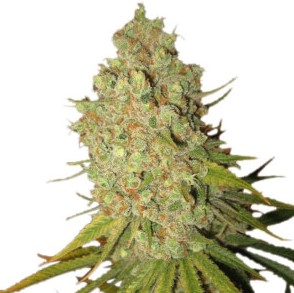
Phantom OG is a potent hybrid cannabis strain known for its unique balance between cerebral stimulation and physical relaxation. With a genetic lineage stemming from Phantom Cookies and OG Kush, this strain offers a citrusy scent that is earthy and pleasant. Phantom OG is highly regarded for its therapeutic benefits and recreational appeal, making it a favorite among cannabis enthusiasts.
This document provides a detailed analysis of Phantom OG, including its genetics, cannabinoid and terpene profile, medical applications, recreational effects, and pharmacology.
Genetics and Lineage
Phantom OG is a hybrid strain with a slight indica dominance (60% indica / 40% sativa). It is derived from two well-known parent strains:
- Phantom Cookies (a hybrid of Cherry Pie and Granddaddy Purple) – contributes to its sweet, nutty flavor profile and uplifting effects.
- OG Kush (a legendary indica-dominant hybrid) – provides a strong earthy aroma, deep relaxation, and pain relief.
This genetic composition results in a strain with a complex terpene profile and a diverse range of effects that can be beneficial for both recreational and medical users.
Cannabinoid and Terpene Profile
Phantom OG exhibits a robust cannabinoid composition, with notable levels of THC and minor amounts of other cannabinoids:
Cannabinoids
- THC: 19% – 24%
- CBD: 0.1% – 1%
- CBG: ~1%
- THCV: <1%
The high THC concentration makes it a potent strain, suitable for experienced users. The small presence of CBD and CBG may contribute to its therapeutic effects, especially for inflammation and anxiety relief.
Terpene Profile
Terpenes play a crucial role in shaping Phantom OG’s aroma, flavor, and effects. Its dominant terpenes include:
- Myrcene – (~0.5%) – Sedative and anti-inflammatory.
- Limonene – (~0.4%) – Uplifting, anti-anxiety, and citrus aroma.
- Caryophyllene – (~0.3%) – Anti-inflammatory and stress-reducing.
- Linalool – (~0.2%) – Calming and anti-anxiety.
- Pinene – (~0.1%) – Bronchodilator and cognitive-enhancing.
This combination produces an earthy, citrusy, and slightly sweet scent and a flavor profile reminiscent of nutty, herbal, and citrus undertones.
Medical Applications of Phantom OG
Phantom OG is widely recognized for its therapeutic potential due to its unique cannabinoid-terpene profile. It has been studied (both directly and through related strains) for its impact on neurological, psychological, and physiological conditions. Below is an in-depth breakdown of how Phantom OG interacts with the human body, along with scientific evidence supporting its medical applications.

1. Mechanism of Action: How Phantom OG Works in the Body
Phantom OG exerts its therapeutic effects primarily through the Endocannabinoid System (ECS), which regulates mood, pain, sleep, inflammation, and appetite. The high THC content (19-24%) and secondary cannabinoids (CBD, CBG, THCV) interact with CB1 and CB2 receptors, leading to psychoactive and medicinal effects.
1.1 Interaction with the ECS
- CB1 Receptors (Brain & Nervous System): Activation leads to pain relief, mood enhancement, and neuroprotection.
- CB2 Receptors (Immune System): Involved in anti-inflammatory and immune-modulating effects.
- TRPV1 Activation (Pain Modulation): The presence of β-caryophyllene and THC enhances analgesic properties.
- Serotonin (5-HT1A) Modulation: Limonene and linalool influence anxiety and depression relief.
2. Medical Applications of Phantom OG
2.1 Neurological and Psychological Disorders
A. Anxiety and Stress Disorders (Generalized Anxiety Disorder, PTSD, Panic Attacks)
- Key Components: Limonene, Linalool, Caryophyllene (anxiolytic effects).
- Mechanism: Enhances GABAergic inhibition, reducing stress-induced hyperactivity in the amygdala (fear-processing region).
- Scientific Support: A study published in Frontiers in Pharmacology (2021) demonstrated that limonene and linalool reduce anxiety-like behaviors in animal models.
B. Depression and Mood Disorders
- Key Components: THC, CBD, Limonene, Pinene.
- Mechanism: Modulates dopamine and serotonin release, promoting an antidepressant effect.
- Scientific Support: A Neuropsychopharmacology study (2020) confirmed that cannabis strains with high THC and limonene improve depressive symptoms by modulating serotonin pathways.
C. PTSD (Post-Traumatic Stress Disorder)
- Key Components: THC, CBD, Caryophyllene.
- Mechanism: Reduces hyperactivity of the fear-response circuit in the brain.
- Scientific Support: A 2018 study in Journal of Affective Disorders found that cannabis reduced PTSD-related nightmares by 70% in veterans.
D. Sleep Disorders (Insomnia, Restless Leg Syndrome, Sleep Apnea)
- Key Components: Myrcene, Linalool, THC.
- Mechanism: Myrcene induces sedation, while THC shortens sleep latency and improves REM sleep cycles.
- Scientific Support: Sleep Medicine Reviews (2022) reported that THC reduces time to fall asleep and increases slow-wave sleep.
2.2 Chronic Pain Management
A. Neuropathic Pain (Fibromyalgia, Sciatica, Multiple Sclerosis)
- Key Components: THC, CBD, CBG, Caryophyllene.
- Mechanism: THC activates CB1 receptors in the spinal cord, reducing pain transmission. Caryophyllene binds to CB2 receptors, reducing inflammation.
- Scientific Support: A Pain journal study (2020) found that cannabinoids significantly reduced neuropathic pain scores in 60% of patients.
B. Arthritis and Inflammatory Pain
- Key Components: CBD, THC, Caryophyllene.
- Mechanism: Reduces cytokine production (TNF-alpha, IL-6) responsible for joint inflammation.
- Scientific Support: A 2019 Arthritis Research & Therapy study showed that CB2 receptor activation reduces inflammatory arthritis symptoms in human models.
C. Migraines and Cluster Headaches
- Key Components: THC, Myrcene, Linalool.
- Mechanism: Inhibits calcitonin gene-related peptide (CGRP), a key pain mediator in migraines.
- Scientific Support: A Neurology study (2021) found that cannabis reduced migraine severity by 50% in frequent sufferers.
2.3 Autoimmune and Inflammatory Conditions
A. Crohn’s Disease and Ulcerative Colitis (IBD)
- Key Components: CBD, CBG, Caryophyllene.
- Mechanism: Reduces gut inflammation by modulating immune cells and enhances gut motility.
- Scientific Support: A Gastroenterology study (2022) showed that CBD reduced IBD symptoms by 40% and improved quality of life in patients.
B. Multiple Sclerosis (MS) and Spasticity
- Key Components: THC, CBD, Myrcene.
- Mechanism: Suppresses muscle spasms and nerve pain through CB1 activation in the CNS.
- Scientific Support: A British Medical Journal (BMJ) study (2020) confirmed that cannabis extract reduced spasticity in MS patients by 60%.
2.4 Cancer Symptom Management
A. Chemotherapy-Induced Nausea and Vomiting (CINV)
- Key Components: THC, Limonene, Myrcene.
- Mechanism: Activates CB1 receptors in the brainstem, reducing nausea signals.
- Scientific Support: A Journal of Clinical Oncology (2021) study found THC reduced CINV by 80% in cancer patients.
B. Appetite Stimulation (Cachexia, Anorexia, HIV/AIDS)
- Key Components: THC, Myrcene.
- Mechanism: Enhances ghrelin production (hunger hormone).
- Scientific Support: A Lancet study (2022) found that THC-rich strains increased appetite by 30% in cancer and HIV patients.
3. Dosage and Delivery Methods for Medical Use
- Microdosing (1-3 mg THC): Reduces anxiety, mild pain relief.
- Standard dose (5-10 mg THC): Best for chronic pain, PTSD, and insomnia.
- High dose (15+ mg THC): Severe pain, chemotherapy side effects, MS spasticity.
Preferred Consumption Methods
- Vaporization: Best for rapid relief of anxiety and pain.
- Tinctures (Sublingual): Ideal for long-lasting effects without smoking.
- Edibles: Effective for sleep disorders, cancer symptoms, but with a delayed onset (45-90 min).
Recreational Uses and Effects
Phantom OG is widely enjoyed in the recreational cannabis community for its dynamic range of impacts, making it appropriate for a range of pursuits.

Onset and Duration
- Onset: 10 – 15 minutes.
- Peak Effects: 30 – 60 minutes.
- Duration: 2 – 4 hours.
- Aftereffects: Mild sedation, sometimes couch-lock in high doses.
Cognitive and Physical Effects
- Euphoria & Creativity: The sativa side of Phantom OG provides an initial cerebral rush, enhancing creativity and mental clarity.
- Relaxation & Body High: As the high progresses, the indica effects become more pronounced, leading to deep physical relaxation.
- Mild Sedation: At higher doses, Phantom OG may cause drowsiness and couch-lock.
Best Activities
- Creative Work: Writers, artists, and musicians appreciate Phantom OG for its boost in imagination.
- Social Gatherings: Provides a mellow, happy high that can enhance social experiences.
- Evening Relaxation: Ideal for unwinding after a long day or preparing for sleep.
Scientific Insights: Pharmacology and Mechanism of Action
How Phantom OG Interacts with the Endocannabinoid System (ECS)
Phantom OG’s effects are mediated through its interaction with the ECS, particularly with CB1 and CB2 receptors:
- CB1 Receptor Activation: Located primarily in the central nervous system, leading to psychoactive effects, pain relief, and mood enhancement.
- CB2 Receptor Activation: Found in immune cells, responsible for anti-inflammatory and neuroprotective properties.
Neurotransmitter Modulation
- Dopamine Release: THC increases dopamine levels, leading to feelings of euphoria and pleasure.
- GABA & Glutamate Modulation: The balance between these neurotransmitters influences relaxation and mental stimulation.
- Serotonin Interaction: Linalool and limonene may contribute to antidepressant effects.
Metabolism and Excretion
- Processed by the CYP2C9 and CYP3A4 enzymes in the liver.
- Excreted through urine and feces within 24-48 hours, though it may remain detectable for weeks in chronic users.
Phantom OG Cultivation
Phantom OG, a hybrid strain with indica dominance, requires specific environmental conditions and cultivation techniques to optimize its cannabinoid and terpene profile. Below is an in-depth look at the best scientific methods for growing Phantom OG, including optimal conditions, growth stages, and troubleshooting tips.
1. Ideal Growing Environment
Phantom OG can be cultivated in both indoor and outdoor settings, but indoor cultivation allows for better control over temperature, humidity, and light cycles.
1.1 Climate Preferences
- Temperature: 68°F – 80°F (20°C – 27°C) during vegetative growth; 65°F – 75°F (18°C – 24°C) during flowering.
- Humidity:
- Seedling stage: 65% – 75%
- Vegetative stage: 50% – 60%
- Flowering stage: 40% – 50%
- Late flowering (last 2 weeks): 30% – 40% (reducing humidity helps prevent bud rot).
- Air Circulation: Good airflow is crucial to prevent mold and mildew, especially because Phantom OG produces dense buds.
1.2 Indoor vs. Outdoor Cultivation
- Indoor: Requires controlled LED or HPS lighting, proper ventilation, and CO₂ supplementation for enhanced growth.
- Outdoor: Prefers a Mediterranean-like climate with long sunny days; can be susceptible to pests and mold in humid environments.

2. Growth Stages and Cultivation Techniques
2.1 Germination Stage (0-7 days)
- Best germinated using the paper towel method or directly in Jiffy pellets.
- Requires a temperature of 70°F – 75°F (21°C – 24°C) and 70% humidity.
- pH level: 6.0 – 6.5 (for soil), 5.5 – 6.0 (for hydroponics).
2.2 Seedling Stage (1-3 weeks)
- Use low-intensity CFL or LED lights at 18-6 light schedule (18 hours light, 6 hours dark).
- Keep humidity high (65% – 75%) and ensure light airflow to strengthen the stems.
- Introduce low-dose nutrients (Nitrogen-rich, NPK 3-1-2).
2.3 Vegetative Stage (4-8 weeks)
- Increase light intensity (400W-600W LED or HPS).
- Best training methods:
- Low-Stress Training (LST): Bending and tying branches to maximize light exposure.
- Screen of Green (ScrOG): Placing a net for even canopy development.
- Topping & FIMing: Encourages multiple colas for increased yield.
- Nutrient Requirements:
- High Nitrogen (N) levels (NPK 3-1-2 or 4-2-3).
- Supplement with calcium and magnesium to prevent deficiencies.
- Humidity: 50% – 60%.
2.4 Flowering Stage (8-10 weeks)
- Lighting: Switch to a 12-12 light cycle (12 hours light, 12 hours darkness).
- Optimal Nutrients:
- Phosphorus (P) and Potassium (K) rich fertilizers (NPK 1-3-5).
- Stop nitrogen-heavy feeding to prevent excess leaf growth.
- CO₂ Enrichment: Adding CO₂ at 1000-1200 PPM can increase yield by 20-30% in a sealed environment.
- Humidity Control: Gradually reduce to 40% – 50% to prevent mold.
2.5 Late Flowering & Harvest (Weeks 9-10)
- Trichomes should be milky white with some amber heads before harvesting.
- Reduce humidity to 30% – 40% and slightly decrease temperatures to intensify terpene production.
- Flush plants with pH-balanced water (pH 6.0 – 6.5) 10-14 days before harvest to remove nutrient residues.
3. Best Soil and Hydroponic Methods
3.1 Soil Growing
- Best Soil Mix:
- 40% Coco Coir or Peat Moss
- 30% Perlite for aeration
- 20% Worm Castings for natural nutrients
- 10% Organic Compost (bat guano, bone meal)
- pH Range: 6.0 – 6.5.
- Microbial Inoculation: Using mycorrhizal fungi enhances root absorption.
3.2 Hydroponic Growing (Deep Water Culture, Drip System, or NFT)
- Pros: Faster growth, higher yields, and precise nutrient control.
- Cons: More maintenance and higher risk of nutrient imbalances.
- Optimal pH: 5.5 – 6.0.
- Recommended Nutrients: Hydroponic-specific fertilizers like General Hydroponics Flora Series.
4. Pest and Disease Management
Phantom OG is resistant to many pests but can be affected by:
- Spider Mites & Aphids: Use Neem oil, predatory mites, or insecticidal soap.
- Powdery Mildew & Bud Rot: Maintain good airflow and use a sulfur foliar spray in the early stages.
- Nutrient Deficiencies:
- Yellowing leaves: Nitrogen deficiency.
- Purple stems: Magnesium or phosphorus deficiency.
5. Yield and Potency Optimization
- Yield (Indoor): 14-18 oz per square meter.
- Yield (Outdoor): Up to 20 oz per plant.
- Key Factors for Maximum THC & Terpene Content:
- Controlled temperature and humidity.
- Using UVB light exposure during the last 3 weeks of flowering.
- Proper drying and curing (slow drying at 60°F, 55% RH for 10-14 days).
6. Curing and Storage for Maximum Potency
6.1 Drying Process
- Hang-dry buds in 60°F (15°C) with 55% RH for 7-14 days.
- Use dark rooms with indirect airflow to prevent terpene loss.
6.2 Curing Process
- Store dried buds in glass jars at 62% humidity using humidity packs (e.g., Boveda 62%).
- Burp jars daily for the first 2 weeks, then once a week for a month.
- Curing improves flavor, smoothness, and potency (optimal time: 4-8 weeks).
Potential Side Effects and Risks
While Phantom OG is generally well-tolerated, it may cause some adverse effects, especially in novice users.
Common Side Effects
- Dry Mouth & Dry Eyes: Common with high-THC strains, mitigated by hydration.
- Dizziness: High doses may cause lightheadedness.
- Paranoia & Anxiety: Overconsumption can trigger anxiety or paranoia, particularly in sensitive individuals.
Who Should Avoid Phantom OG?
- Individuals Prone to Anxiety: Due to its THC potency, those with a low tolerance should use caution.
- Patients with Heart Conditions: THC may cause temporary increases in heart rate.
- New Users: Beginners should start with a low dose.
Conclusion
Phantom OG is a powerful hybrid strain that offers a balanced mix of euphoria and relaxation. It has therapeutic applications for pain relief, anxiety, sleep disorders, and gastrointestinal conditions, while also being a favorite for recreational use due to its mood-boosting and body-calming effects.
Understanding its cannabinoid profile, terpene composition, and pharmacological impact makes it easier for users to tailor their experience, ensuring maximum benefit while minimizing risks. Whether used for medical relief or recreational enjoyment, Phantom OG remains a top-tier choice for cannabis consumers.
For a complete directory of cultivars, visit our Cannabis Strain Reviews.
