pH Levels and Water Retention in Different Growing Mediums for Medical Cannabis Cultivation
Cannabis cultivation, particularly for medical purposes, has gained substantial attention due to the therapeutic benefits derived from its compounds, especially cannabinoids like cannabidiol (CBD) and tetrahydrocannabinol (THC). The successful growth of medical cannabis plants hinges on various factors, including light, nutrients, and water. However, two fundamental aspects that often go unnoticed, yet play critical roles, are the pH levels and water retention characteristics of the growing medium. These factors are particularly important because they influence nutrient availability, plant health, and overall yield quality, which is of paramount importance in medical cannabis cultivation, where consistency and potency are essential.
This document explores in detail the significance of pH levels and water retention in different growing mediums, with a specific focus on medical cannabis. The unique requirements of cannabis grown for medical purposes necessitate an understanding of how to optimize these factors to ensure high-quality yields that meet the standards required for therapeutic applications.
1. The Importance of pH Levels in Medical Cannabis Cultivation
1.1 What is pH?
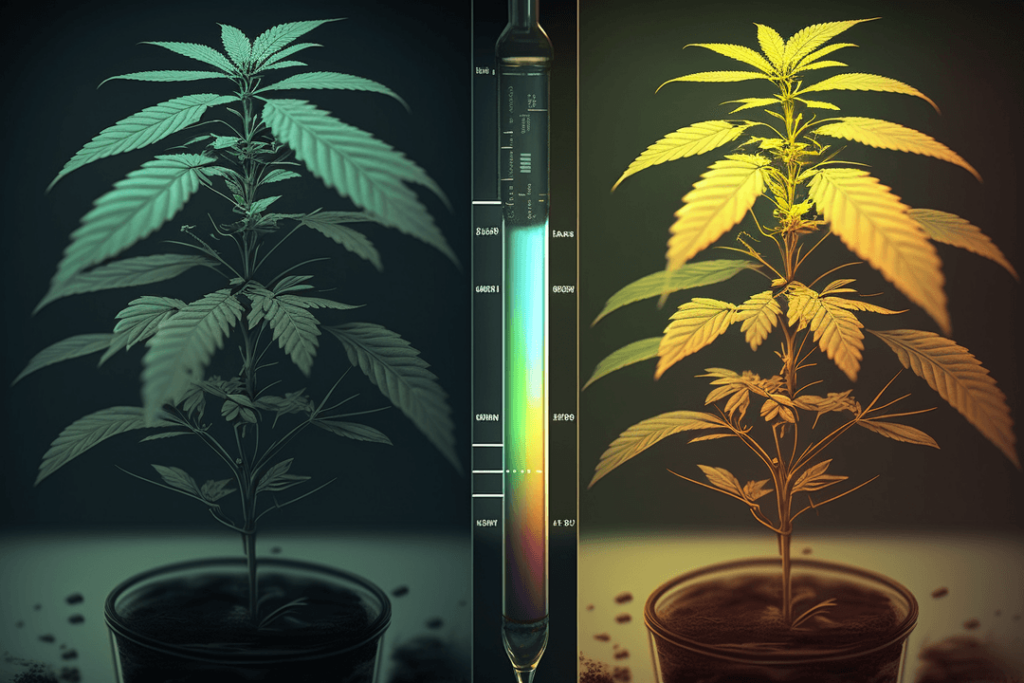
Potential hydrogen, or pH, is a scale that goes from 0 (very acidic) to 14 (very alkaline), with 7 being neutral, to indicate how acidic or alkaline a solution is. In cannabis cultivation, the pH of the growing medium and nutrient solutions plays a pivotal role in the plant’s ability to absorb essential nutrients.
1.2 pH and Nutrient Uptake
Medical cannabis plants, like all plants, require a range of macro- and micronutrients for growth, such as nitrogen (N), phosphorus (P), potassium (K), calcium (Ca), magnesium (Mg), and trace elements like iron (Fe), manganese (Mn), and zinc (Zn). However, the plant’s ability to uptake these nutrients depends on the pH of the growing medium.
- Acidic conditions (pH < 6.0): Certain nutrients, like iron and manganese, become more soluble and thus more available at low pH values. However, essential nutrients like phosphorus, calcium, and magnesium become less available. Excessive acidity can lead to toxicities, particularly from manganese or aluminum, which can damage root systems.
- Alkaline conditions (pH > 7.0): In alkaline conditions, nutrients like phosphorus, iron, and manganese become less available, leading to deficiencies. Calcium and magnesium are more available, but an overly alkaline medium can result in nutrient lockout, where plants are unable to absorb critical nutrients.
For medical cannabis, it is essential to maintain the pH in an optimal range (typically between 5.8 and 6.5 in soil-less systems and 6.0 to 7.0 in soil-based systems) to ensure balanced nutrient uptake. Consistent nutrient availability ensures the production of high-quality cannabinoids and terpenes, which are crucial for the plant’s medical efficacy.
1.3 pH Adjustments in Different Growing Mediums
Different growing mediums have varying buffer capacities, meaning some are more resistant to changes in pH than others. Understanding the buffering capacity of the medium used is vital for maintaining consistent pH levels.
- Soil: Soil tends to buffer pH more effectively than inert media due to the presence of organic matter and microorganisms. However, over time, nutrient salts can accumulate, causing the pH to drift. Regular pH testing and adjusting with substances like lime (to raise pH) or sulfur (to lower pH) is necessary to maintain balance.
- Coco Coir: Coco coir is a popular choice for medical cannabis cultivation because of its ability to retain water while providing excellent aeration. However, coco coir tends to have a naturally lower pH (around 5.8 to 6.2). It is critical to frequently check and regulate pH in order to avoid nutritional deficiencies.
- Rockwool: Rockwool is commonly used in hydroponic systems and provides excellent root aeration, but it has a high pH (around 7.8). Pre-soaking rockwool in a pH-adjusted solution before planting is necessary, and regular pH monitoring is critical as this medium does not buffer well.
- Peat Moss: Peat-based soils are naturally acidic, often requiring amendments to raise the pH to optimal levels for cannabis growth. Peat is a good water retainer but can become compacted, leading to poor root aeration if not properly managed.
1.4 Measuring and Adjusting pH
To ensure optimal pH levels in cannabis cultivation, it is crucial to regularly measure the pH of both the nutrient solution and the runoff from the growing medium. A simple digital pH meter is the most effective tool for this purpose. If adjustments are needed:
- To raise pH: Potassium bicarbonate, calcium carbonate, or potassium hydroxide can be used.
- To lower pH: Phosphoric acid or citric acid is commonly used.
Maintaining the correct pH is essential for producing cannabis plants with high medicinal value, as improper pH can lead to nutrient deficiencies, toxicity, and ultimately lower yields and cannabinoid concentrations.
2. Water Retention in Different Growing Mediums
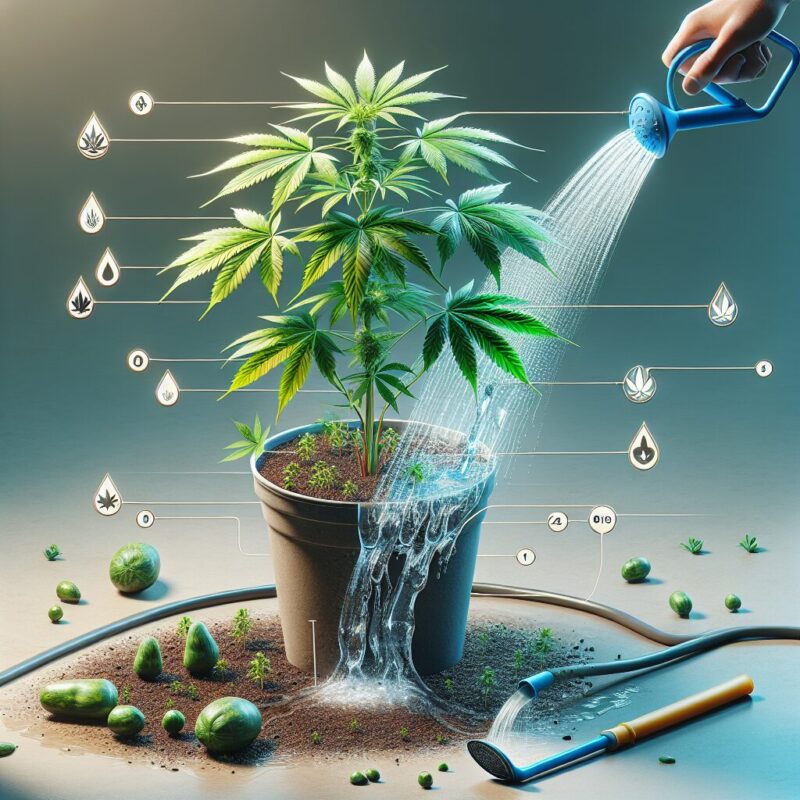
Water retention refers to the ability of a growing medium to hold water, which is crucial for maintaining moisture availability for the plant roots. Different growing mediums exhibit varying degrees of water retention, and understanding these characteristics is key to developing an effective irrigation strategy for medical cannabis cultivation.
2.1 The Role of Water in Plant Growth
Water is critical to cannabis growth for several reasons:
- Nutrient transportation: Water serves as the medium through which nutrients are transported to the plant roots.
- Photosynthesis: In order for plants to transform light energy into chemical energy, a process known as photosynthesis, water is necessary.
- Turgor pressure: Water helps maintain cell turgidity, keeping the plant upright and supporting its structure.
In medical cannabis cultivation, where consistency in cannabinoid production is critical, maintaining optimal water levels is essential to prevent stress that could alter the plant’s growth patterns or chemical profile.
2.2 Water Retention in Different Growing Mediums
Different growing mediums retain water at varying rates. For cannabis cultivation, it is important to balance water retention with aeration to ensure that the plant roots are neither over-watered (leading to root rot and anaerobic conditions) nor under-watered (leading to dehydration and nutrient deficiencies).
Soil
- Water retention: Soil retains water well, especially when organic matter like compost or humus is added. The water retention capacity of soil is largely dependent on its texture and composition. Sandy soils drain quickly and hold less water, while clay soils retain more water but risk poor drainage.
- Aeration: Soil can become compacted over time, reducing aeration and leading to poor root health. This can be mitigated by adding perlite or vermiculite to improve drainage and oxygen flow.
- Considerations for medical cannabis: Soil’s high water retention makes it a forgiving medium, but over-watering can still be an issue. Consistent monitoring of moisture levels, either through manual checks or using a moisture meter, can prevent over-saturation and ensure healthy root systems.
Coco Coir
- Water retention: Coco coir is highly absorbent, holding large amounts of water while still allowing for excellent drainage and aeration. This makes it an ideal medium for maintaining consistent moisture levels without risking waterlogging.
- Aeration: Coco coir has a fibrous structure that promotes excellent aeration, preventing root suffocation.
- Considerations for medical cannabis: Coco coir’s water retention properties make it a preferred medium for medical cannabis growers, especially in hydroponic or soilless systems. It provides a stable environment for root growth, ensuring that plants have consistent access to both water and oxygen. However, coco coir requires regular flushing to prevent the build-up of salts, which can affect nutrient uptake and pH levels.
Rockwool
- Water retention: Rockwool retains water well but also drains freely, providing an ideal balance between moisture availability and aeration. It may, however, dry out rapidly and require more frequent watering under some situations.
- Aeration: Rockwool’s fibrous structure offers excellent root aeration, preventing root rot even when the medium is fully saturated with water.
- Considerations for medical cannabis: Rockwool’s ability to retain water while maintaining aeration makes it an excellent choice for hydroponic systems. However, due to its high pH, careful pre-treatment and monitoring are necessary to ensure nutrient uptake is not impaired. Additionally, the rapid drying of rockwool means that irrigation systems must be closely monitored to ensure consistent moisture levels.
Peat Moss
- Water retention: Peat moss has high water retention, which makes it ideal for holding moisture over long periods. However, its high retention can also result in over-saturation if not managed properly.
- Aeration: Peat moss compacts easily, reducing aeration over time. To lessen this, combine peat with other materials, like perlite or vermiculite, to enhance oxygen flow and drainage.
- Considerations for medical cannabis: Peat moss is often used in cannabis cultivation because of its excellent water retention capabilities. However, its tendency to compact and become waterlogged means that growers need to carefully monitor irrigation schedules and consider mixing peat with other, more aerated materials.
Perlite and Vermiculite
- Water retention: Perlite retains very little water and is primarily used to improve drainage in heavier soils. Vermiculite, on the other hand, retains water well and is often used to increase water retention in lighter soils or soilless mixes.
- Aeration: Both perlite and vermiculite provide excellent aeration, making them ideal additives to improve the structure of growing mediums that retain too much water.
- Considerations for medical cannabis: Perlite and vermiculite are often added to soil or coco coir mixes to optimize the balance between water retention and aeration. Their use ensures that cannabis plants have consistent access to both water and oxygen, preventing the risk of root rot while maintaining proper hydration.
3. Optimizing pH and Water Retention for Medical Cannabis Cultivation
In medical cannabis cultivation, where consistency, potency, and purity are critical, optimizing both pH levels and water retention in the growing medium is essential. A well-balanced environment ensures that plants can uptake the necessary nutrients, avoid stress, and produce high-quality cannabinoid and terpene profiles.
3.1 Monitoring and Managing pH
The key to successful pH management in medical cannabis cultivation is regular monitoring and timely adjustments. Most growers measure the pH of their nutrient solution before watering and the runoff from the growing medium afterward. This allows them to identify any pH drift and make adjustments as necessary.
Automated pH controllers can be particularly useful in larger grow operations, ensuring that pH levels remain consistent over time. In smaller setups, digital pH meters and manual adjustments with pH up/down solutions are typically sufficient.
3.2 Managing Water Retention
Water retention should be carefully balanced with aeration to avoid both under- and over-watering. Growers can monitor the water levels in the growing medium and modify irrigation schedules as needed with the use of tools such as moisture meters. In hydroponic systems, maintaining the correct balance of water and air in the root zone is crucial, and the use of well-draining mediums like coco coir or rockwool can help achieve this.
In soil-based systems, growers must ensure that the medium does not become compacted, as this can reduce aeration and lead to root problems. Adding perlite or vermiculite to soil can improve its structure, promoting both better drainage and water retention.
3.3 The Role of Nutrients
pH and water retention are closely linked to nutrient uptake, and growers must ensure that their nutrient schedules are optimized based on the growing medium. For instance, coco coir tends to bind calcium and magnesium, requiring additional supplementation, while soil-based systems may require less frequent feeding due to the medium’s nutrient-holding capacity.
Hydroponic systems using rockwool or other inert media often require more frequent nutrient applications, as these mediums do not retain nutrients as well as soil or coco coir. Monitoring the electrical conductivity (EC) of the nutrient solution can help growers ensure that nutrient concentrations are at optimal levels for the plant’s stage of growth.
Restrictions on Growing and Using Cannabis in the Medical Field (Only as a Last Resort)

In the medical field, cannabis use is often heavily regulated, and its cultivation and application are bound by stringent legal and medical guidelines to ensure patient safety and efficacy. These restrictions typically focus on the following key aspects:
1. Growing Restrictions
- Licensing and Permits: Only licensed facilities or growers can cultivate medical cannabis. These entities must comply with state or national laws that govern how and where cannabis can be grown for medical use.
- Quality Control: Growers must meet strict quality standards to ensure that cannabis plants are free from contaminants (like pesticides, molds, or heavy metals) and contain consistent levels of active compounds (THC, CBD, etc.).
- Tracking and Compliance: Many regions require seed-to-sale tracking systems to monitor every stage of cannabis production and distribution, ensuring transparency and preventing illegal diversion to recreational markets.
2. Medical Use as a Last Resort
- Eligibility: Cannabis for medical purposes is often prescribed only when other conventional treatments have failed. This indicates that, among other illnesses, it is considered a last resort for conditions like multiple sclerosis, epilepsy, and chronic pain.
- Doctor’s Prescription: Only qualified healthcare professionals can prescribe medical cannabis, and they must closely monitor the patient’s condition, adjusting the treatment as needed.
3. Monitoring THC Levels
- Limiting Psychoactive Effects: One of the biggest concerns in medical cannabis use is controlling THC levels to avoid unwanted psychoactive effects. Regulations often require that medical cannabis formulations have a low THC concentration, favoring high CBD strains, especially in treatments for vulnerable populations such as children or the elderly.
- THC Limits in Medications: Different countries and regions impose strict THC content limits, ensuring that products are therapeutic without inducing significant psychoactive effects. Monitoring THC levels is crucial to ensure that patients receive the medical benefits of cannabis without the psychoactive “high” associated with recreational use.
4. Ongoing Monitoring
- Patient Safety: Continuous monitoring of patient outcomes is required to assess both the efficacy of cannabis treatment and potential side effects. This ensures that THC does not accumulate in the system and cause psychoactive or unwanted effects.
Conclusion
In the cultivation and application of medical cannabis, understanding and controlling critical factors such as pH levels, water retention, and regulatory guidelines is essential for ensuring both plant health and patient safety. The pH levels of the growing medium directly influence nutrient availability, affecting the quality and consistency of cannabis grown for medical purposes. Water retention, on the other hand, plays a crucial role in maintaining optimal root health, preventing under- or over-watering, and ensuring consistent growth.
Each growing medium—whether soil, coco coir, rockwool, or peat moss—offers unique benefits and challenges in terms of pH management and water retention. By optimizing these factors, medical cannabis cultivators can produce high-quality, therapeutic plants that meet the strict standards required for patient use.
From a regulatory standpoint, the cultivation and use of cannabis for medical purposes are highly controlled. Growing operations must be licensed, and the entire process must adhere to strict quality controls. Medical cannabis is typically prescribed as a last resort when other conventional treatments fail, ensuring that it is used responsibly and only when necessary for patient care.
Monitoring THC levels in cannabis-based medications is a vital step to prevent the psychoactive effects associated with recreational use, maintaining a focus on therapeutic outcomes without inducing intoxication. Ensuring that THC levels remain within prescribed limits helps safeguard patients, particularly those in vulnerable populations.
Ultimately, the successful medical use of cannabis hinges on precise cultivation practices, regulatory adherence, and ongoing monitoring to ensure that cannabis remains a safe, effective, and consistent treatment option for patients.
