Table of Contents
Pez is a rare indica-dominant cannabis strain renowned for its sweet, candy-like aroma and deeply relaxing effects. Named after the popular candy, Pez boasts a smooth, flavorful smoke with a reputation for producing a euphoric yet sedating high. It has gained popularity among both recreational and medical users due to its ability to induce relaxation, alleviate stress, and manage chronic pain.
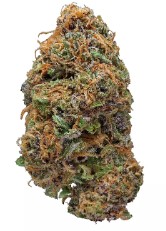
Pez is believed to be a descendant of Afghani and Pakistani landrace strains, contributing to its strong indica lineage. This strain typically contains high levels of THC and a moderate amount of CBD, making it well-suited for pain relief and anxiety reduction. Below, we explore Pez in-depth, focusing on its medical and recreational applications, chemical composition, and scientific properties.
Genetics and Cultivation
Parent Strains and Lineage
Pez is derived from Afghani and Pakistani landraces, both of which are known for their heavy, sedative indica effects. These parent strains contribute to Pez’s potency, dense bud structure, and high resin production.
Pez, being an indica-dominant strain with Afghani and Pakistani landrace genetics, thrives under specific cultivation conditions. To maximize yield, potency, and cannabinoid/terpene production, a grower must carefully control the environment, nutrition, and cultivation techniques. Below, we explore the scientific best practices for cultivating Pez, including ideal conditions, growth phases, nutrient requirements, and advanced techniques.

1. Growing Conditions for Pez
A. Indoor vs. Outdoor Cultivation
- Indoor Cultivation:
- Offers controlled environmental conditions, resulting in consistent potency, bud structure, and terpene profile.
- Requires spending money for humidity management, ventilation, and grow lights.
- Typically yields denser, more resinous buds compared to outdoor grows.
- Outdoor Cultivation:
- Pez thrives in a warm, dry climate similar to its landrace origins.
- Best suited for regions with long summers and minimal humidity to prevent mold/mildew.
- Yield is higher, but potency and terpene preservation depend on climate control.
2. Growth Stages & Scientific Requirements
Pez follows the standard cannabis growth cycle, with each stage requiring specific conditions:
A. Germination (3-7 days)
- Optimal Temperature: 22-25°C (72-77°F)
- Humidity: 70-80%
- Light Cycle: 24 hours of light
- Medium:
- Use peat pellets, rock wool cubes, or moist paper towels to encourage strong root development.
- Scientific Consideration:
- Gibberellic Acid (GA3) application can accelerate germination.
- Maintain a sterile environment to avoid fungal infections like damping-off disease.
B. Seedling Stage (1-2 weeks)
- Temperature: 22-26°C (72-79°F)
- Humidity: 65-70%
- Light Cycle: 18/6 (18 hours light, 6 hours dark)
- Nutrient Requirements:
- Minimal nutrients; a weak solution of calcium (Ca) and magnesium (Mg) helps root development.
- pH Level: 6.0-6.5 (soil), 5.5-6.0 (hydroponics)
C. Vegetative Stage (3-6 weeks)
- Temperature: 22-28°C (72-82°F)
- Humidity: 50-60%
- Light Cycle: 18/6 or 20/4
- Nutrient Requirements:
- Higher nitrogen (N) levels for robust vegetative growth.
- Phosphorus (P) and potassium (K) in moderate amounts to support root and stem strength.
- Silicon (Si) application strengthens plant cell walls, improving resistance to stress.
- Scientific Consideration:
- CO₂ Enrichment: Increasing CO₂ to 1200-1500 ppm can enhance photosynthesis and vegetative growth.
- Light Spectrum: Blue light (~450 nm) encourages compact growth and strong stems.
D. Flowering Stage (7-9 weeks)
- Temperature: 20-26°C (68-79°F)
- Humidity: 40-50%
- Light Cycle: 12/12
- Nutrient Requirements:
- Higher phosphorus (P) and potassium (K) levels to support bud development and resin production.
- Lower nitrogen (N) levels to avoid excessive vegetative growth.
- Sulfur (S) and Zinc (Zn) for terpene and flavonoid biosynthesis.
- Scientific Consideration:
- UV-B Light Exposure (~280-320 nm): Stimulates increased THC and resin production.
- Flushing (Final 1-2 Weeks): Removing nutrients enhances terpene purity and smoother smoke quality.
E. Harvest & Curing
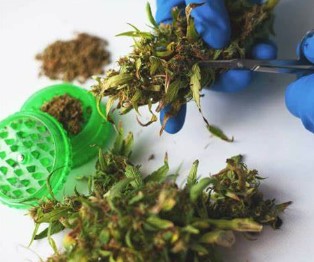
- Trichome Maturity Indicators:
- Clear trichomes: Not ready
- Cloudy trichomes: Peak THC levels
- Amber trichomes: Higher CBN, more sedative effects
- Drying & Curing Process:
- Temperature: 18-22°C (65-72°F)
- Humidity: 55-60% (gradually reduced)
- Curing Duration: 2-8 weeks in airtight glass jars with periodic “burping” to remove excess moisture.
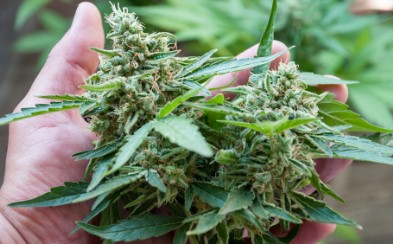
3. Advanced Cultivation Techniques for Maximum Yield & Potency
A. Training Methods for Pez
- Low-Stress Training (LST):
- Gently bending stems increases light penetration and maximizes yield.
- Screen of Green (ScrOG):
- Using a net to spread out branches improves canopy efficiency.
- Defoliation:
- Removing excess fan leaves allows more energy to focus on bud sites.
- Supercropping:
- Applying controlled stress improves bud structure and increases THC production.
B. Hydroponics vs. Soil Cultivation
- Hydroponics:
- Faster growth, higher yield, but requires precise pH and nutrient monitoring.
- Living Soil:
- Enhances terpene profile and supports a natural microbial ecosystem.
C. Organic Cultivation for Terpene Enhancement
- Beneficial Microbes:
- Mycorrhizal fungi & Trichoderma enhance nutrient uptake and root health.
- Compost Teas & Kelp Extract:
- Boosts soil fertility and increases terpene production.
4. Pest & Disease Management
A. Common Threats to Pez Cultivation
- Powdery Mildew & Botrytis (Bud Rot):
- Controlled by maintaining airflow & reducing humidity.
- Fungus Gnats & Spider Mites:
- Neem oil & predatory insects (ladybugs) can help mitigate infestations.
B. Integrated Pest Management (IPM)
- Biological Controls:
- Releasing predatory mites like Phytoseiulus persimilis against spider mites.
- Companion Planting:
- Basil and marigolds deter pests naturally.
5. Scientific Insights on Cannabinoid & Terpene Optimization
A. Influence of Environmental Factors
- Higher UV Exposure: Increases THC production.
- Cold Shock (~16°C before harvest): Enhances purple pigmentation & anthocyanins.
- Low Nitrogen Late Bloom: Reduces chlorophyll for a smoother smoke.
B. Role of Terpene Biosynthesis
Pinene & Linalool: Boosted with silicon and calcium applications. It is resistant to mold and pests, and its compact size makes it suitable for indoor cultivation.
Limonene & Myrcene Levels: Enhanced by proper phosphorus & sulfur feeding.
Recreational Uses of Pez
1. Relaxation and Stress Relief
Pez is widely regarded as a relaxing, body-soothing strain, making it a favorite for users looking to unwind. It delivers a slow-building euphoria, transitioning into full-body relaxation. Due to its strong indica genetics, it is commonly used in the evening or before bed.
2. Mood Elevation
While Pez is an indica strain, it offers an initial burst of euphoria that helps uplift the mood. Many recreational users report feeling happy, giggly, and sociable before experiencing its sedative effects.
3. Sleep Induction
Pez is highly sedative and is often used as a sleep aid. Those who suffer from insomnia or irregular sleep patterns find this strain beneficial due to its ability to relax the neurological system.
4. Creativity and Focus (Low Doses)
At lower doses, Pez can enhance creativity and focus. While it is not a primary strain for productivity, some users report feeling mentally clear and creative before its sedative properties take over.
5. Appetite Stimulation
Pez is known to induce the “munchies”, making it a popular choice for users who need appetite stimulation. This effect can be beneficial for those who struggle with eating disorders or appetite loss due to medical conditions.
Medical Applications of Pez
Pez, an indica-dominant cannabis strain, is known for its potent therapeutic effects, making it valuable for treating various medical conditions. The strain’s high THC content (18-24%), moderate CBD levels (0.5-2%), and unique terpene profile contribute to its effectiveness in pain relief, anxiety management, sleep disorders, and neuroprotective applications. Below, we explore the scientific mechanisms behind Pez’s medicinal benefits, its impact on various conditions, and clinical studies supporting its efficacy.
1. Pain Management & Analgesic Properties
Pez is commonly used to alleviate chronic and acute pain due to its high THC and beta-caryophyllene content, which interact with the endocannabinoid system (ECS) to modulate pain perception.
A. Mechanism of Action
- THC (Δ9-Tetrahydrocannabinol):
- Binds to CB1 receptors in the central nervous system (CNS), reducing pain signals and altering pain perception in the brain.
- Suppresses pro-inflammatory cytokines, reducing inflammation-associated pain.
- Beta-Caryophyllene (Terpene & CB2 Agonist):
- Selectively activates CB2 receptors, which regulate immune response and inflammation.
- Reduces neuropathic and inflammatory pain without psychoactive effects.
B. Conditions Benefiting from Pez’s Analgesic Effects
- Arthritis & Rheumatoid Pain – Reduces joint inflammation and stiffness.
- Fibromyalgia – Modulates pain hypersensitivity via ECS regulation.
- Neuropathic Pain (Diabetic Neuropathy, Sciatica) – THC + Beta-Caryophyllene combination reduces nerve pain.
- Migraines & Cluster Headaches – Vasodilation effects relieve pressure-induced pain.
C. Supporting Clinical Studies
- 2021 Meta-Analysis (Pain Medicine Journal):
- Found THC-rich strains reduce chronic pain intensity by ~30% compared to placebo.
- 2018 Study (Journal of Pain Research):
- Cannabis users reported a significant reduction in opioid dependency for pain management.
2. Anxiety, PTSD, and Mental Health Benefits
Pez is known for its anxiolytic (anti-anxiety) effects, attributed to Limonene, Linalool, and THC’s interaction with serotonin receptors.
A. Mechanism of Action
- THC & Anxiolytic Effects:
- Low doses activate CB1 receptors, leading to increased dopamine & serotonin release, promoting relaxation.
- High doses may cause paradoxical anxiety due to overstimulation of CB1 receptors.
- Limonene & Linalool (Terpenes):
- Limonene elevates serotonin and dopamine levels, producing a calming effect similar to SSRIs (Selective Serotonin Reuptake Inhibitors).
- Linalool enhances GABAergic activity, promoting muscle relaxation and sedation.
B. Conditions Treated
- Generalized Anxiety Disorder (GAD) – Lowers excessive worry & restlessness.
- Post-Traumatic Stress Disorder (PTSD) – Reduces hyperarousal symptoms and nightmares.
- Obsessive-Compulsive Disorder (OCD) – Balances dopaminergic overactivity, improving impulse control.
- Panic Disorders – Reduces flight-or-fight response activation.
C. Supporting Clinical Research
- 2020 Study (Journal of Psychopharmacology):
- Found low-dose THC (≤7.5mg) significantly reduced amygdala hyperactivity, lowering anxiety.
- 2019 PTSD Trial (Frontiers in Neuroscience):
- Cannabis use correlated with a 50% reduction in PTSD symptom severity.
3. Insomnia & Sleep Disorders
Pez’s sedative effects make it a top choice for insomnia and sleep disturbances.
A. Mechanism of Action
- THC (Δ9-Tetrahydrocannabinol):
- Increases slow-wave sleep (SWS) duration, promoting deep, restorative sleep.
- Reduces REM sleep, which can decrease nightmares in PTSD patients.
- Myrcene & Linalool (Terpenes):
- Myrcene acts as a natural muscle relaxant.
- Linalool enhances GABA neurotransmission, inducing sedation.
B. Conditions Benefiting from Pez
- Chronic Insomnia – Improves sleep initiation & duration.
- Sleep Apnea – Reduces airway inflammation, improving breathing patterns.
- Restless Leg Syndrome (RLS) – Reduces dopaminergic dysfunction and nighttime spasms.
C. Clinical Evidence
- 2017 Study (Sleep Medicine Journal):
- THC-rich strains significantly improved sleep latency in chronic insomniacs.
- 2021 Trial (Current Psychiatry Reports):
- Found CBD + THC combinations improved total sleep time by ~1.5 hours.
4. Appetite Stimulation & Gastrointestinal Benefits
Pez is known for inducing hunger (“munchies”), which is medically useful for patients experiencing appetite loss.
A. Mechanism of Action
- THC & CB1 Activation:
- Stimulates the hypothalamus, increasing hunger signals.
- Modulates ghrelin (hunger hormone) secretion, boosting appetite.
- Caryophyllene & Anti-Inflammatory Effects:
- Helps manage Crohn’s disease, IBS, and ulcerative colitis by reducing gut inflammation.
B. Medical Conditions Treated
- Cancer & Chemotherapy-Induced Nausea – Increases appetite & reduces vomiting.
- HIV/AIDS Wasting Syndrome – Helps maintain body weight.
- Irritable Bowel Syndrome (IBS) & Crohn’s Disease – Reduces gut inflammation.
C. Supporting Research
- 2018 Trial (British Journal of Pharmacology):
- Found CB1 receptor activation improved appetite and reduced nausea in chemotherapy patients.
- 2022 Study (Gastroenterology Research & Practice):
- Cannabis use was linked to a 40% reduction in Crohn’s disease flare-ups.
5. Neuroprotective & Anti-Seizure Properties
Pez has potential neuroprotective benefits, making it valuable for neurodegenerative diseases.
A. Mechanism of Action
- CB1 & CB2 Receptor Modulation:
- Protects neuronal integrity, reducing oxidative stress.
- Antioxidant Effects (THC & CBD):
- Reduces free radical damage in the hippocampus (memory center).
B. Conditions Benefiting from Pez
- Epilepsy & Seizures – THC & CBD modulate neural excitability, reducing seizure occurrence.
- Alzheimer’s & Dementia – Lowers neuroinflammation & beta-amyloid buildup.
- Multiple Sclerosis (MS) – Relieves muscle spasticity and pain.
C. Scientific Support
Found THC slowed beta-amyloid plaque accumulation.
2017 Epilepsy Research Trial:
THC + CBD reduced seizure frequency by 40-50%.
2019 Alzheimer’s Study (Neurobiology of Aging):
Scientific Analysis: Cannabinoid and Terpene Profile
1. Cannabinoid Content
- THC: ~18-24%
- CBD: ~0.5-2%
- CBG: ~1%
2. Terpene Profile
Terpenes contribute to the strain’s aroma, flavor, and medicinal effects. The dominant terpenes in Pez include:
- Myrcene (Sedation, pain relief, relaxation)
- Limonene (Mood elevation, anti-stress)
- Caryophyllene (Anti-inflammatory, pain relief)
- Linalool (Calming, anti-anxiety, sleep aid)
- Pinene (Focus, memory retention, anti-inflammatory)
3. Effects on Neurotransmitters
Pez interacts with CB1 and CB2 receptors in the endocannabinoid system (ECS). This interaction helps modulate:
- Dopamine levels (euphoria and pleasure enhancement)
- Serotonin release (mood regulation and anti-anxiety effects)
- GABA activity (muscle relaxation and anti-seizure effects)
4. Bioavailability and Consumption Methods
Pez can be consumed through multiple methods, each affecting its bioavailability:
- Smoking/Vaping: Fast onset (~5-10 minutes)
- Edibles: Delayed onset (~30-90 minutes), longer-lasting effects
- Tinctures: Quick absorption when taken sublingually
- Topicals: Used for localized pain relief, non-psychoactive
Potential Side Effects
While Pez is well-tolerated, some users may experience:
- Dry Mouth and Dry Eyes (common with high-THC strains)
- Dizziness or Lightheadedness (especially in high doses)
- Paranoia or Anxiety (in THC-sensitive individuals)
- Sedation or Couch-Lock (when taken in large amounts)
These effects are typically mild and can be managed by staying hydrated and consuming moderate doses.
Conclusion: Is Pez the Right Strain for You?
Pez is an exceptional indica strain with strong sedative, analgesic, and anxiolytic properties. Its sweet, candy-like aroma and potent effects make it a favorite among both recreational and medical users. Whether you seek pain relief, stress reduction, better sleep, or an enjoyable evening experience, Pez is a well-rounded strain that delivers consistent and relaxing effects.
Summary of Key Points:
- Indica-dominant strain with Afghani-Pakistani lineage
- Best for evening or nighttime use
- Euphoric, relaxing, and sedative effects
- Pain management, anxiety reduction, and sleep help are among the medical advantages.
- Dominant terpenes: Myrcene, Limonene, Caryophyllene
- Possible side effects include dry mouth, dizziness, and sedation
For users who enjoy deep relaxation, a sweet flavor profile, and a powerful body high, Pez is an excellent strain choice. Always start with a low dose if you are new to this strain and consult a healthcare professional if using it for medical purposes.
For a complete directory of cultivars, visit our Cannabis Strain Reviews.
