Pest and Disease Management in Medical Cannabis: A Comprehensive Guide for Medical Cannabis Cultivators
Introduction
Pest and disease management is an essential part of cultivating medical cannabis, ensuring plants maintain their health and potency while meeting the rigorous standards expected for medical use. Unlike recreational cannabis, medical cannabis cultivation must adhere to stringent quality control measures to ensure that patients receive safe, contaminant-free products. Pests and diseases can significantly impact the quality and yield of medical cannabis crops, and improper management can result in crops unsuitable for medical purposes. This detailed guide delves into various pest and disease challenges, offering targeted strategies to prevent, identify, and manage these threats while emphasizing medical cannabis growing and usage.
1. Understanding the Importance of Pest and Disease Management in Medical Cannabis
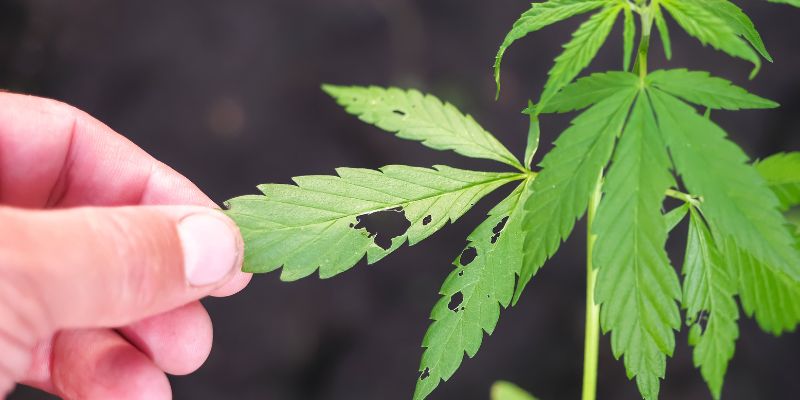
Medical cannabis requires a level of purity and quality that surpasses recreational standards. Patients use it to manage chronic conditions, pain, anxiety, and other health concerns. To ensure its efficacy and safety, growers must minimize any potential contamination from pests, diseases, and the chemicals used to manage them. Regulatory bodies in many countries enforce limits on pesticide residues and microbial contaminants in medical cannabis products, making integrated pest management (IPM) crucial for medical cannabis cultivators.
Key concerns for medical cannabis include:
- Contaminants from pests, including feces or mold, can pose health risks for patients.
- The use of chemical pesticides or fungicides can leave harmful residues, which could lead to product recalls or failed quality tests.
- Individuals receiving chemotherapy or having impaired immune systems are more susceptible to the toxins found in cannabis.
2. Common Pests in Medical Cannabis Cultivation
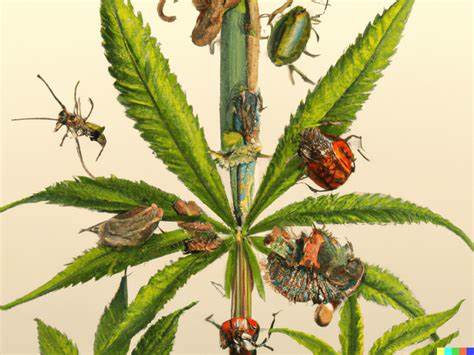
Pests are a persistent challenge in cannabis cultivation, and their presence can severely affect the plants’ health and yield. Medical cannabis, in particular, is vulnerable to pest infestations, and the use of harsh chemical pesticides is often restricted to maintain product purity. The following lists some typical pests associated with cannabis growing, along with natural and eco-friendly ways to control them.
a) Spider Mites
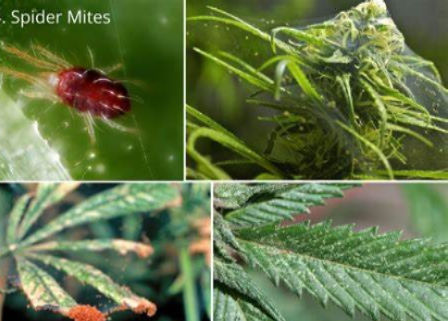
Spider mites are among the most common pests in cannabis cultivation. These small arachnids cause yellowing and death of leaves by feeding on the sap of the plant. They multiply quickly, making early detection critical.
Symptoms:
- Small yellow or white spots on leaves.
- Webbing on the undersides of leaves.
- Stunted growth.
Management:
- Introduce beneficial insects such as ladybugs or predatory mites (e.g., Phytoseiulus persimilis) to control spider mite populations.
- Spray neem oil or insecticidal soap as a preventive measure.
- Maintain proper humidity levels since spider mites thrive in dry environments.
b) Aphids
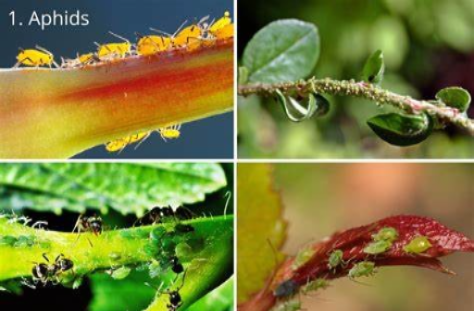
Aphids feed on plant sap and excrete a sticky substance called honeydew, which can lead to mold growth on cannabis plants.
Symptoms:
- Curling or yellowing of leaves.
- Sticky residue (honeydew) on leaves and stems.
- Presence of small, soft-bodied insects.
Management:
- Spray plants with a diluted neem oil solution to suffocate aphids.
- Introduce helpful insects like ladybugs and lacewings.
- Regularly inspect plants and prune any heavily infested areas.
c) Fungus Gnats
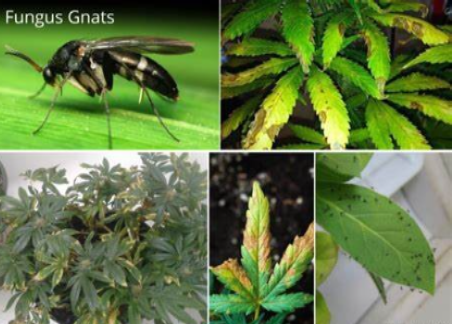
Fungus gnats thrive in moist soil and can damage cannabis plants by feeding on the plant’s root system. Larvae can also spread diseases like pythium (root rot).
Symptoms:
- Wilting plants despite adequate water.
- Stunted growth.
- Presence of small black flies around the soil surface.
Management:
- Allow the soil to dry between waterings to disrupt the fungus gnat life cycle.
- Use sticky traps to catch adult gnats.
- Apply biological controls like Bacillus thuringiensis (Bt) or predatory nematodes to eliminate larvae.
d) Thrips
Tiny insects called thrips pierce the leaves of cannabis plants and extract their contents, resulting in streaks or areas that may turn silver.
Symptoms:
- Silvery or bronze streaks on leaves.
- Deformed leaves and flowers.
- Black dots (thrip excrement) on leaves.
Management:
- Spray plants with insecticidal soap or neem oil.
- Release predatory insects like pirate bugs or predatory mites.
- Remove heavily infested leaves to prevent the spread.
e) Whiteflies
Whiteflies are tiny, white, flying insects that weaken and increase the susceptibility of cannabis plants to disease by feeding on them.
Symptoms:
- Yellowing or curling leaves.
- Presence of white, moth-like insects.
- Sticky residue on leaves (honeydew).
Management:
- Use yellow sticky traps to catch adult whiteflies.
- Spray plants with a diluted insecticidal soap or neem oil solution.
- Bring in natural predators such as ladybugs or parasitic wasps.
3. Common Diseases in Medical Cannabis Cultivation
Diseases in cannabis can spread rapidly and devastate crops, especially in large-scale medical operations. Fungal, bacterial, and viral infections can severely compromise the quality and safety of medical cannabis.
a) Powdery Mildew
Cannabis plants are susceptible to a fungal disease called powdery mildew, which causes leaves to develop a powdery, white coating. It spreads quickly in humid environments and can weaken plants over time.
Symptoms:
- Buds, stems, and leaves with white, powdery spots.
- Yellowing or browning leaves.
- Premature leaf drop.
Management:
- Maintain proper air circulation to reduce humidity levels.
- Apply sulfur-based fungicides or organic fungicides like potassium bicarbonate.
- Remove and destroy infected plant material.
b) Botrytis (Bud Rot)
Botrytis, or bud rot, is a fungal disease that attacks the dense buds of cannabis plants, causing them to turn gray and rot from the inside out.
Symptoms:
- Brown or gray mold developing inside buds.
- Wilting or dying buds.
- Mushy, discolored areas on stems.
Management:
- Make sure there is enough airflow, and keep plants from becoming crowded.
- Remove and destroy affected buds immediately.
- Apply biological fungicides like Trichoderma or Bacillus subtilis.
c) Root Rot (Pythium)
Root rot is caused by waterborne fungi like pythium, which thrive in poorly drained or overwatered soil. This disease causes roots to decay, leading to the plant’s eventual death.
Symptoms:
- Wilting plants despite adequate water.
- Dark, mushy roots with a foul smell.
- Stunted growth.
Management:
- Ensure proper drainage in containers and avoid overwatering.
- Apply beneficial microbes like mycorrhizal fungi to enhance root health.
- Treat with hydrogen peroxide or organic fungicides if detected early.
d) Leaf Septoria
Leaf septoria is a fungal disease that affects cannabis leaves, causing yellow spots that can turn brown and eventually kill the leaves.
Symptoms:
- Yellow or brown spots on leaves.
- Premature leaf drop.
- Slowed growth.
Management:
- Remove and destroy affected leaves.
- Keep appropriate plant spacing and enough air circulation.
- Apply organic fungicides such as copper-based solutions or neem oil.
e) Damping-Off
Damping-off is a disease that primarily affects cannabis seedlings, causing them to rot at the base and collapse. It’s usually caused by overly moist conditions and fungal pathogens.
Symptoms:
- Seedlings wilting or collapsing.
- Soft, mushy stems at the soil line.
- Failure of seeds to germinate.
Management:
- Avoid overwatering seedlings and use well-draining soil.
- Sterilize planting containers and tools to prevent contamination.
- Apply beneficial fungi like Trichoderma to protect seedlings.
4. Preventive Measures for Pest and Disease Management
Preventing pest infestations and diseases is always more effective than treating them after the fact. Medical cannabis farmers may maintain a robust and healthy crop by putting in place an integrated pest management (IPM) system.
a) Soil Health and Sanitation
Maintaining clean and healthy growing conditions is the first step in preventing pest and disease problems. Contaminated soil or unclean tools can introduce harmful pathogens and pests into a grow environment.
Best Practices:
- Use sterile, high-quality soil and clean tools regularly.
- Rotate crops to prevent soil-borne diseases.
- Dispose of plant debris promptly to avoid attracting pests.
b) Environmental Control
Maintaining an optimal environment can deter many pests and diseases. Proper humidity, temperature, and ventilation levels are critical for healthy cannabis growth.
Environmental Controls:
- Use fans and dehumidifiers to maintain proper airflow and humidity levels.
- Make sure plants are spaced sufficiently apart to lower the chance of mildew and mold growth.
- Monitor temperature levels, keeping them in the ideal range for cannabis growth (typically 70-85°F during the day and 60-70°F at night).
c) Biological Controls
Harmful chemicals are not always necessary to control pest populations when beneficial species are present. Introducing natural predators can help maintain a balanced ecosystem in the grow environment.
Common Biological Controls:
- Ladybugs and lacewings for aphids.
- Predatory mites for spider mites.
- Nematodes for soil-borne pests like fungus gnats.
d) Organic Pesticides and Fungicides
When chemical intervention is necessary, organic pesticides and fungicides offer a safer alternative for medical cannabis cultivators. These products are typically less toxic and break down more quickly, reducing the risk of contamination.
Common Organic Solutions:
- Neem oil for insect control.
- Insecticidal soap for soft-bodied insects.
- Copper-based fungicides for fungal infections.
e) Regular Monitoring and Early Detection
Routine inspections of plants can help growers catch pests or diseases early before they become unmanageable. Inspecting leaves (especially the undersides), stems, and roots regularly allows for timely intervention.
Monitoring Techniques:
- Use sticky traps to monitor flying insect populations.
- Inspect leaves and stems weekly for signs of damage or disease.
- Keep detailed records of any pest or disease activity.
5. Complying with Medical Standards for Pesticide Use
One of the unique challenges in medical cannabis cultivation is adhering to strict regulations regarding pesticide use. Many jurisdictions have set limits on which pesticides can be used in medical cannabis cultivation and what levels of pesticide residues are acceptable.
a) Pesticide Regulations
Medical cannabis cultivators must be aware of local regulations that limit or prohibit the use of certain pesticides. In most cases, synthetic chemicals are banned in favor of organic alternatives, and growers are often required to have their products tested for pesticide residues before they can be sold.
b) Safe Application of Approved Pesticides
Even when using approved pesticides, it’s essential to apply them safely to avoid contamination of the final product. Following label instructions, using protective equipment, and applying treatments during non-flowering stages can help reduce risks.
Best Practices:
- Only use pesticides approved for medical cannabis.
- Apply treatments early in the plant’s life cycle to reduce residue on buds.
- Use personal protective equipment (PPE) when applying pesticides to avoid exposure.
Restrictions on Growing and Using Cannabis in the Medical Field as a Last Resort
Cannabis use is frequently taken into consideration in the medical sector only in cases when traditional treatments have failed or are not appropriate for the patient. This strategy guarantees responsible cannabis use under close medical supervision. Here are key restrictions:
- Prescribed as a Last Resort: Medical cannabis is typically prescribed only when other treatments, such as pharmaceuticals, have not provided sufficient relief. Physicians must document that alternative treatments were tried first before resorting to cannabis.
- Regulatory Oversight: Growing and using cannabis for medical purposes is tightly regulated by government bodies. In most jurisdictions, growers must obtain specific licenses, and the cultivation process is monitored to ensure quality, safety, and compliance with medical-grade standards.
- THC Level Monitoring: Medical cannabis must have controlled levels of THC, the psychoactive compound, to prevent any unwanted psychoactive effects on patients, especially those with conditions that may make them more vulnerable to these effects (e.g., mental health issues, elderly patients).
- Non-Psychoactive Alternatives: Many medical cannabis products emphasize high-CBD, low-THC formulations to maximize therapeutic benefits without causing intoxication. Monitoring and testing of THC levels are mandatory, especially for patients sensitive to psychoactive effects.
- Dosage Control: Physicians and medical practitioners must ensure the proper dosing of THC to avoid overexposure to its psychoactive properties. Strict guidelines on THC content and patient monitoring help mitigate the risk of psychoactive effects.
Conclusion
The medical cannabis industry stands at the intersection of healthcare, legal regulations, and agricultural innovation. It requires a balance between providing patients with safe, high-quality cannabis products and adhering to stringent medical and regulatory standards. As more patients turn to cannabis for managing chronic conditions, pain relief, and other health issues, the importance of maintaining purity, efficacy, and safety cannot be overstated. This conclusion will encapsulate the discussed topics of pest and disease management, restrictions on medical cannabis use, THC monitoring, and its growing as a last resort.
1. Pest and Disease Management in Medical Cannabis
Managing pests and diseases is a critical part of ensuring that medical cannabis meets the high standards expected in the medical field. Pests such as spider mites, aphids, and fungus gnats, along with diseases like powdery mildew, root rot, and bud rot, can wreak havoc on cannabis crops, significantly reducing their quality and yield. For medical cannabis, the impact of pests and diseases extends beyond just yield loss; it affects the safety and efficacy of the product. Contaminated cannabis poses a health risk to patients, particularly those with compromised immune systems or chronic conditions.
An integrated pest management (IPM) system is essential for maintaining the health of medical cannabis crops. IPM emphasizes preventive measures, such as environmental controls, biological methods, and regular monitoring, to reduce the need for chemical interventions. When treatments are necessary, the use of organic and approved pesticides is encouraged to avoid chemical residues that could compromise the safety of the product.
In addition to preventive measures, cultivators must adhere to strict sanitation protocols and environmental controls to mitigate disease risks. Effective ventilation, proper humidity levels, and appropriate plant spacing are all critical to preventing mold, mildew, and other fungal diseases. Regular inspections of plants help in early detection and treatment of pest or disease outbreaks, preventing them from spreading across entire crops.
2. Restrictions on Medical Cannabis Use
In the medical field, the use of cannabis is typically reserved as a last resort when conventional treatments fail or are unsuitable. This ensures that patients receive cannabis only when it is deemed medically necessary and under strict supervision. Medical cannabis differs from recreational use in that it is prescribed to address specific health conditions, such as chronic pain, epilepsy, or anxiety, and must comply with regulations that prioritize patient safety.
Governments and medical regulatory bodies impose restrictions on growing and using medical cannabis to ensure that it meets safety standards and is administered appropriately. Licensed growers are subject to regular inspections and must comply with guidelines related to pesticide use, sanitation, and overall product quality. Cannabis grown for medical use must be free of contaminants, including mold, pesticides, and harmful pathogens, ensuring that patients receive pure, effective medicine.
Moreover, medical cannabis use is often restricted to patients who have exhausted other treatment options. Physicians are typically required to document that conventional therapies have failed to provide adequate relief or are not appropriate for the patient before prescribing cannabis. This last-resort approach ensures that cannabis is used judiciously and responsibly within the medical community.
3. Monitoring THC Levels to Prevent Psychoactive Effects
A critical concern in medical cannabis use is the monitoring of THC levels to prevent the psychoactive effects that could impair a patient’s cognitive or motor functions. THC, the primary psychoactive compound in cannabis, can be beneficial for certain conditions, such as pain relief, but it must be carefully managed to avoid unwanted intoxication, particularly for patients who may be vulnerable to its effects.
In medical cannabis cultivation, monitoring THC levels is an essential part of the growing and production process. Many medical cannabis strains are bred to contain higher CBD (cannabidiol) levels and lower THC concentrations, as CBD offers many therapeutic benefits without the psychoactive effects. This makes high-CBD, low-THC strains especially appealing for patients seeking relief from conditions like anxiety, epilepsy, and chronic pain, where psychoactive effects could be detrimental.
Medical professionals are responsible for ensuring that the dosage and formulation of cannabis products align with the therapeutic needs of patients while minimizing the risk of psychoactive effects. Testing and monitoring THC levels in both raw cannabis and derived products (oils, capsules, tinctures) are mandated by regulatory authorities to ensure compliance and patient safety.
4. Medical Cannabis Cultivation as a Last Resort
The cultivation of cannabis for medical use is also tightly regulated, with growing operations subject to strict oversight to ensure that the product is safe, free from contaminants, and medically effective. Many jurisdictions only allow cannabis to be grown for medical purposes under specific licenses, and cultivators must meet rigorous standards for cleanliness, environmental control, and pest management.
In cases where medical cannabis is used as a last resort, growers must produce a product that is of the highest quality and potency, free from contaminants that could harm patients. This requires not only effective pest and disease management but also precise control over the cannabinoid content of the plant, ensuring that the final product provides therapeutic benefits without unintended side effects.
Conclusion Summary
In conclusion, the growing and use of medical cannabis demand a high level of responsibility and adherence to regulations that safeguard both the product’s integrity and the patients who rely on it. From pest and disease management to the careful monitoring of THC levels, every aspect of medical cannabis cultivation and use is subject to strict oversight. These measures are crucial in ensuring that medical cannabis is used safely, effectively, and only when other treatments have proven inadequate.
The focus on using cannabis as a last resort, combined with careful attention to growing practices and cannabinoid content, reflects the serious commitment to patient care in the medical cannabis industry. This rigorous approach ensures that medical cannabis remains a reliable and valuable option for patients with conditions that resist conventional therapies, offering relief while minimizing risks.
