Table of Contents
Pennywise is a hybrid cannabis strain renowned for its unique composition of cannabinoids, offering a balanced 1:1 ratio of THC to CBD. Created by TGA Subcool Seeds, this strain is a cross between Harlequin and Jack the Ripper, two parent strains known for their potent therapeutic properties. Pennywise has gained popularity among medical cannabis users for its high CBD content and relatively mild psychoactive effects due to its moderate THC levels.
Appearance and Aroma
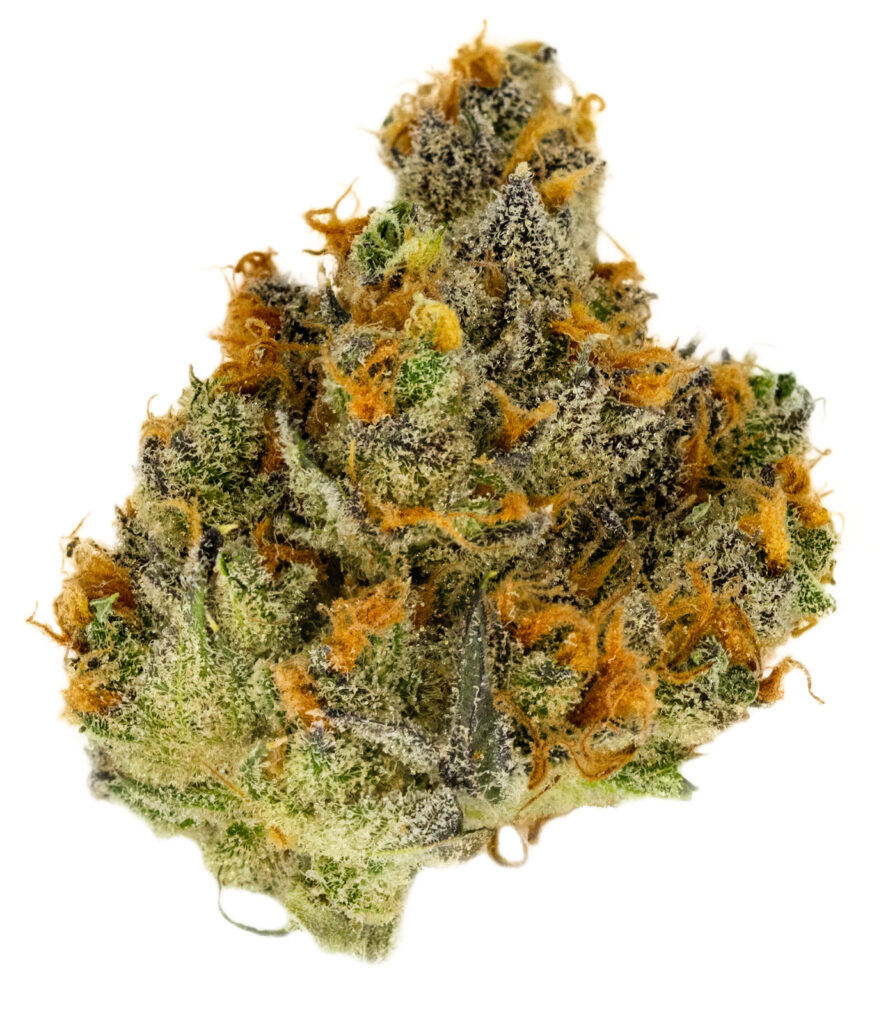
Pennywise is visually striking, with dense buds that exhibit hues of green, purple, and orange, complemented by a generous coating of trichomes. The strain’s aroma is a blend of earthy, woody, and coffee-like undertones, with subtle hints of citrus and spice. When smoked or vaporized, Pennywise delivers a smooth, flavorful experience that mirrors its aromatic profile.
Cannabinoid Profile
Pennywise stands out due to its balanced cannabinoid profile:
- THC: Typically ranges from 6% to 15%, offering mild psychoactive effects.
- CBD: Also ranges from 6% to 15%, making it ideal for therapeutic applications.
- Terpenes: Dominant terpenes include myrcene, pinene, and limonene, which contribute to its calming and uplifting effects.
Scientific Insights on Pennywise
Pennywise’s balanced THC-to-CBD ratio has been a subject of interest among researchers studying the therapeutic potential of cannabis. CBD’s non-intoxicating properties counterbalance THC’s psychoactivity, resulting in a synergistic effect often referred to as the “entourage effect.” This interaction enhances the strain’s therapeutic potential while minimizing unwanted side effects such as anxiety or paranoia.
Pharmacological Properties
1. Cannabidiol (CBD)
- Anti-inflammatory: CBD has been shown to reduce inflammation by interacting with the CB2 receptors in the endocannabinoid system.
- Neuroprotective: Studies suggest CBD may protect neurons from degeneration, making it beneficial for conditions like Alzheimer’s disease and multiple sclerosis.
- Anxiolytic: CBD’s calming effects make it a suitable option for managing anxiety disorders.
2. Tetrahydrocannabinol (THC)
- Analgesic: THC binds to CB1 receptors in the brain, reducing pain perception.
- Appetite Stimulant: THC stimulates appetite by interacting with the hypothalamus.
- Mood Enhancer: At low doses, THC can elevate mood and reduce stress.
3. Terpenes
- Myrcene: Known for its sedative effects, myrcene contributes to Pennywise’s calming properties.
- Pinene: Enhances focus and memory retention while offering anti-inflammatory benefits.
- Limonene: Uplifting and mood-enhancing, limonene adds a citrusy flavor and aroma.
Medical Uses of Pennywise
Pennywise has gained a strong reputation in the medical cannabis community due to its diverse therapeutic applications:
Neurological Disorders
- Epilepsy: The high CBD content in Pennywise helps reduce seizure frequency and intensity, as demonstrated in clinical studies involving CBD-based treatments like Epidiolex.
- Multiple Sclerosis (MS): Patients report relief from muscle spasms and neuropathic pain.
- Parkinson’s Disease: The strain’s neuroprotective properties may alleviate tremors and improve motor function.
Mental Health
- Anxiety and Depression: The balanced THC-CBD ratio offers mood stabilization without the heightened risk of paranoia associated with high-THC strains.
- Post-Traumatic Stress Disorder (PTSD): Pennywise’s calming effects help manage symptoms like insomnia, hypervigilance, and emotional distress.
- Sleep Disorders: Its sedative properties can aid those with insomnia or restless sleep patterns.
Pain Management
- Chronic Pain: Both THC and CBD work synergistically to alleviate various forms of pain, including arthritis, fibromyalgia, and migraines.
- Cancer-related Pain: Pennywise is often recommended for patients undergoing chemotherapy to manage pain, nausea, and loss of appetite.
Inflammatory Conditions
- Arthritis: The anti-inflammatory properties of CBD can reduce joint swelling and discomfort.
- Crohn’s Disease: Users have reported relief from abdominal pain and cramping.
- Autoimmune Disorders: By modulating the immune response, Pennywise may provide relief for lupus and other autoimmune conditions.
Recreational Uses of Pennywise
While primarily known for its medical benefits, Pennywise also appeals to recreational users seeking a mild, enjoyable experience. The strain’s effects are characterized by relaxation, mental clarity, and subtle euphoria, making it suitable for:
- Social Settings: Its uplifting properties enhance conversation and camaraderie without inducing couch-lock.
- Creative Pursuits: Pennywise’s balanced effects can stimulate creativity and focus.
- Relaxation: Ideal for unwinding after a long day without excessive intoxication.
Growing Pennywise
Methods of Cultivation
- Indoor Cultivation
- Control Over Environment: Growing indoors allows precise control over temperature, humidity, light cycles, and nutrient levels, critical for ensuring Pennywise’s balanced cannabinoid profile.
- Lighting: Use full-spectrum LED or HID (High-Intensity Discharge) lights to mimic natural sunlight. Maintain an 18/6 light cycle during the vegetative stage and 12/12 during flowering.
- Temperature and Humidity:
- Vegetative Stage: 70-85°F (21-29°C) with 50-70% humidity.
- Flowering Stage: 65-80°F (18-27°C) with 40-50% humidity to prevent mold and mildew.
- Ventilation: Ensure proper airflow to reduce mold risk, especially during the flowering stage.
- Grow Medium: Pennywise thrives in both soil and hydroponic systems. Soil rich in organic matter enhances terpene profiles, while hydroponics can promote faster growth and higher yields.
- Outdoor Cultivation
- Climate: Pennywise prefers a Mediterranean climate with warm, sunny days and cooler nights.
- Planting Season: Plant in early spring for harvest in late September to early October.
- Sunlight: Make sure the plants get six to eight hours of direct sunlight every day.
- Soil Requirements: Well-draining soil with a pH of 6.0-6.5. Amend with organic compost to provide essential nutrients.
- Watering: Maintain consistent soil moisture without overwatering to prevent root rot. Drip irrigation systems are ideal for efficient water delivery.
- Greenhouse Cultivation
- Benefits: Combines the natural light of outdoor cultivation with the environmental control of indoor setups. Perfect for areas where the weather is erratic.
- Temperature Control: Use shade cloths or ventilation systems to prevent overheating.
- Supplemental Lighting: During shorter daylight periods, supplement natural light with grow lights to maintain optimal light cycles.
Stages of Cultivation
- Germination
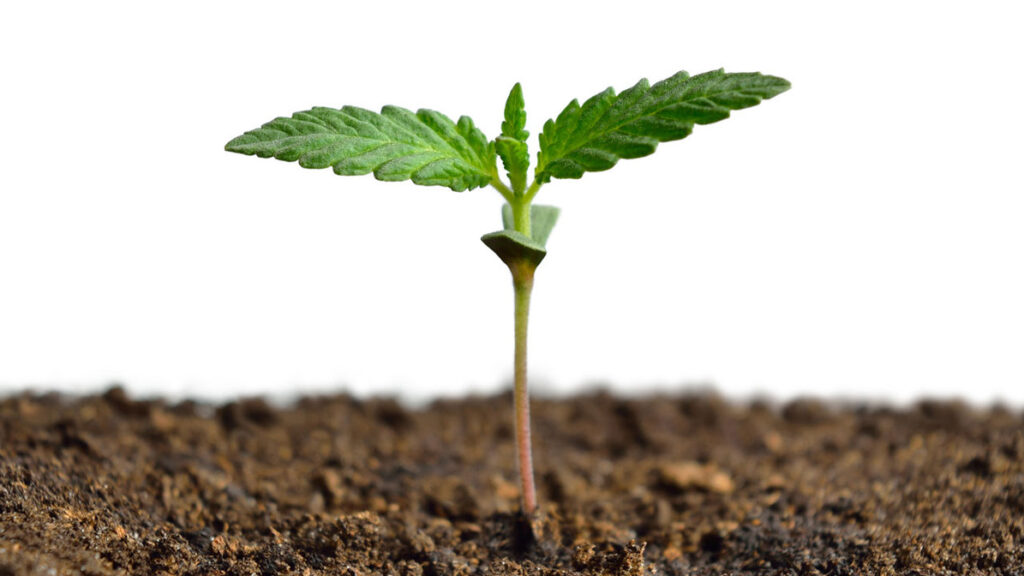
- Seeds: Use high-quality, feminized Pennywise seeds to ensure a high yield of cannabinoid-rich buds.
- Method: Germinate seeds using the paper towel method or directly in soil. Maintain temperatures of 70-85°F (21-29°C) and ensure the medium stays moist.
- Duration: Germination typically takes 3-7 days.
- Seedling Stage
- Light Requirements: Use low-intensity light (e.g., CFL or LED) for 18-24 hours daily.
- Humidity: Maintain 65-70% humidity with temperatures of 70-80°F (21-27°C).
- Watering: Keep the soil moist but avoid overwatering, as seedlings are prone to damping-off disease.
- Vegetative Stage
- Light Cycle: 18 hours of light and 6 hours of darkness.
- Nutrients: Focus on nitrogen-rich fertilizers during this stage to promote leaf and stem growth. Use a balanced N-P-K ratio of approximately 3:1:2.
- Training Techniques:
- Topping: Pinch off the main stem to encourage lateral growth and create a bushier plant.
- Low-Stress Training (LST): Gently bend and tie down branches to increase light penetration and airflow.
- Pruning: Remove lower leaves and underdeveloped branches to direct energy toward healthy growth.
- Flowering Stage
- Light Cycle: Change to a 12/12 light cycle, which consists of 12 hours of light and 12 hours of dark.
- Nutrient Adjustments: Reduce nitrogen levels and increase phosphorus and potassium (e.g., a 1:2:3 N-P-K ratio) to support bud development.
- Humidity: Lower humidity to 40-50% to prevent mold and mildew, especially as dense buds form.
- Support: Use stakes or trellises to support heavy branches.
- Harvesting
- Timing: Harvest when trichomes turn from clear to cloudy, with some turning amber, indicating peak potency and terpene preservation.
- Method: Use sharp, sterilized scissors to cut branches. Carefully handle buds to protect the trichomes.
- Curing: Dry buds in a dark, well-ventilated space at 60-70°F (15-21°C) with 50-60% humidity for 7-10 days. Cure in airtight jars, opening daily for the first week to release moisture and gases.
Key Cultivation Considerations
- Pest and Disease Resistance
- Pennywise is naturally resistant to mold and mildew, making it suitable for humid climates. However, growers should remain vigilant for pests such as spider mites, aphids, and whiteflies.
- Use organic pest control methods, such as neem oil or beneficial insects like ladybugs, to protect plants.
- pH Levels
- Soil or nutrient solution pH levels should remain within 6.0-6.5 for soil and 5.5-6.0 for hydroponics to ensure proper nutrient uptake.
- Nutrient Management
- Vegetative Stage: Healthy foliage is encouraged by high nitrogen levels.
- Flowering Stage: Reduce nitrogen and increase phosphorus and potassium to enhance bud formation.
- Over-fertilization can cause nutrient burn, so monitor plants closely for signs of stress (e.g., leaf discoloration or curling).
- Yield Expectations
- Indoor Cultivation: Yields typically range from 12-16 ounces per square meter
- Outdoor Cultivation: Yields can reach up to 18 ounces per plant, depending on conditions.
- Genetic Stability
- Pennywise’s stable genetics ensure consistent cannabinoid ratios (1:1 THC to CBD) across plants, making it a reliable choice for medical cannabis production.
Tips for Cultivators
- pH Balance: Maintain soil or hydroponic pH levels between 6.0 and 6.5 for optimal nutrient absorption.
- Training Techniques: Use low-stress training (LST) or the Screen of Green (ScrOG) method to maximize yields.
- Nutrient Requirements: Provide adequate nitrogen during the vegetative stage and phosphorus and potassium during flowering.
Scientific Studies and Clinical Research
Several studies underline the therapeutic potential of Pennywise due to its CBD-rich profile:
- Epilepsy: Research published in the “New England Journal of Medicine” highlights the efficacy of CBD in reducing seizures in treatment-resistant epilepsy.
- Chronic Pain: A review in “Pain Medicine” discusses the role of THC and CBD in managing neuropathic pain.
- Anxiety Disorders: A 2019 study published in “The Permanente Journal” discovered that patients’ anxiety scores were considerably lowered by CBD.
Methods of Ingestion
- Smoking
- Mechanism: Combustion of the flower releases cannabinoids, terpenes, and other compounds, which are absorbed via the lungs into the bloodstream.
- Onset: 1-5 minutes.
- Duration: Effects typically last 1.5 to 3 hours.
- Pros: Quick onset, high bioavailability (20-30%), precise dosing with incremental hits.
- Cons: Combustion may produce harmful byproducts like tar and irritants.
- Vaporization
- Mechanism: Heating the cannabis to a temperature that releases cannabinoids and terpenes without combustion.
- Onset: 1-5 minutes.
- Duration: Effects last 1.5 to 3 hours.
- Pros: Fewer harmful byproducts than smoking, better preservation of terpenes, smoother inhalation.
- Cons: Requires specialized equipment (vaporizers).
- Edibles
- Mechanism: Cannabinoids are metabolized by the liver, converting THC to 11-hydroxy-THC, a more potent compound.
- Onset: 30-90 minutes (varies with metabolism and whether consumed on an empty stomach).
- Duration: Effects last 4-8 hours, sometimes longer in sensitive users.
- Pros: Discreet, no inhalation required, long-lasting effects.
- Cons: Accurate dosage is challenging, and delayed onset may result in overconsumption.
- Tinctures (Sublingual)
- Mechanism: Cannabinoids are absorbed directly into the bloodstream through sublingual glands.
- Onset: 15-45 minutes.
- Duration: Effects last 2-6 hours.
- Pros: Faster onset than edibles, precise dosing with droppers, discreet.
- Cons: Some users may find taste unappealing.
- Topicals
- Mechanism: Applied directly to the skin, cannabinoids interact with localized CB2 receptors without entering the bloodstream.
- Onset: 15-30 minutes for localized effects.
- Duration: Effects last 2-4 hours.
- Pros: Ideal for targeted relief (e.g., arthritis, muscle pain), non-intoxicating.
- Cons: Not suitable for systemic effects.
- Capsules and Tablets
- Mechanism: Similar to edibles; cannabinoids are absorbed through the digestive system.
- Onset: 30-90 minutes.
- Duration: Effects last 4-8 hours.
- Pros: Precise dosing, convenient for daily use.
- Cons: Slower onset, similar challenges to edibles with delayed effects.
Onset, Duration, and Effects
- Onset
- The onset of effects varies significantly depending on the method of ingestion:
- Inhalation methods (smoking, vaporization): 1-5 minutes.
- Sublingual (tinctures): 15-45 minutes.
- Digestive methods (edibles, capsules): 30-90 minutes.
- Topicals: 15-30 minutes (localized effects only).
- The onset of effects varies significantly depending on the method of ingestion:
- Duration
- Pennywise offers effects that last longer in oral ingestion methods compared to inhalation:
- Inhalation: 1.5-3 hours.
- Oral (edibles, capsules): 4-8 hours or more.
- Topical: 2-4 hours.
- Sublingual: 2-6 hours.
- Pennywise offers effects that last longer in oral ingestion methods compared to inhalation:
- Effects
- Physical Effects:
- Relaxation and pain relief are dominant due to the balanced THC-CBD ratio.
- Anti-inflammatory effects from CBD help with swelling and localized pain.
- Mild sedation from the terpene myrcene contributes to its use for insomnia or relaxation.
- Mental Effects:
- Subtle euphoria with enhanced mental clarity, often reported due to the low-to-moderate THC levels.
- Anxiolytic properties from CBD and terpenes like limonene alleviate stress and anxiety.
- Therapeutic Effects:
- Neurological benefits, including reduced seizures, enhanced motor control, and anti-spasmodic properties.
- Anti-nausea effects, especially beneficial for chemotherapy patients.
- Recreational Effects:
- Uplifting and calming, making it ideal for social settings without overwhelming psychoactive effects.
- Creativity and focus can be enhanced in some users due to pinene’s properties.
- Physical Effects:
Factors Influencing Onset and Duration
- Individual Metabolism:
- Faster metabolisms lead to quicker onset and shorter duration, especially for edibles.
- Cannabinoid Tolerance:
- Regular users may experience delayed onset and reduced duration due to tolerance.
- Dosage:
- Higher doses result in more pronounced effects with longer duration but also increase the risk of side effects.
- Consumption Context:
- Consuming Pennywise on an empty stomach enhances the rapid onset of edibles, while food can delay absorption.
- Method-Specific Variables:
- Vaporization temperature impacts which cannabinoids and terpenes are released, altering the effects.
- Sublingual absorption efficiency depends on how long the tincture is held under the tongue.
Scientific Insights on Onset and Duration
- Bioavailability:
- Inhalation methods (smoking/vaping) have higher bioavailability (20-30%) compared to edibles (4-20%) due to first-pass metabolism in the liver.
- Sublingual administration avoids first-pass metabolism, resulting in higher and faster absorption than edibles.
- Entourage Effect:
- The interplay between cannabinoids and terpenes in Pennywise significantly influences its effects. For instance:
- Myrcene enhances sedation and relaxation.
- Pinene may counteract THC-induced short-term memory impairment.
- Limonene provides uplifting and anti-anxiety effects.
- The interplay between cannabinoids and terpenes in Pennywise significantly influences its effects. For instance:
- Pharmacokinetics:
- THC and CBD levels peak faster in inhalation methods but decline more quickly than in oral ingestion, where the effects are gradual and sustained.
Potential Side Effects
Although Pennywise is well-tolerated by most users, it may cause minor side effects, particularly at higher doses:
- Dry Mouth and Eyes: Side effects of cannabis use that are common.
- Dizziness: Occurs in some individuals, especially those new to cannabis.
- Mild Psychoactivity: Due to its THC content, Pennywise may induce slight intoxication in sensitive users.
Conclusion
Pennywise is a versatile cannabis strain offering a harmonious blend of therapeutic and recreational benefits. Its balanced THC-to-CBD ratio ensures a mild psychoactive experience while delivering potent medicinal effects. Whether you’re seeking relief from chronic pain, anxiety, or neurological disorders, or simply looking for a strain to enhance relaxation and creativity, Pennywise is an excellent choice. Cultivators also appreciate its resilience and rewarding yields. As research on cannabinoid-based therapies continues to expand, strains like Pennywise will undoubtedly remain at the forefront of medical cannabis innovation.
For a complete directory of cultivars, visit our Cannabis Strain Reviews.
