Peat Moss and Its Use in Medical Cannabis Cultivation
Peat moss, a spongy, organic material harvested from peat bogs, has long been recognized as an essential medium in horticulture due to its impressive water retention, light texture, and aeration properties. Its utilization in the cultivation of medical cannabis is particularly significant, offering unique benefits for this medicinally valuable plant. As the demand for medical cannabis has risen globally, cultivators have sought reliable, efficient, and eco-friendly growing mediums that support cannabis’s unique biological requirements. Peat moss has emerged as an ideal choice, offering a balanced environment for optimal root health, nutrient management, and moisture control—all essential for achieving the potency, purity, and consistent quality required in medicinal cannabis products.
1. Properties of Peat Moss in Medical Cannabis Cultivation
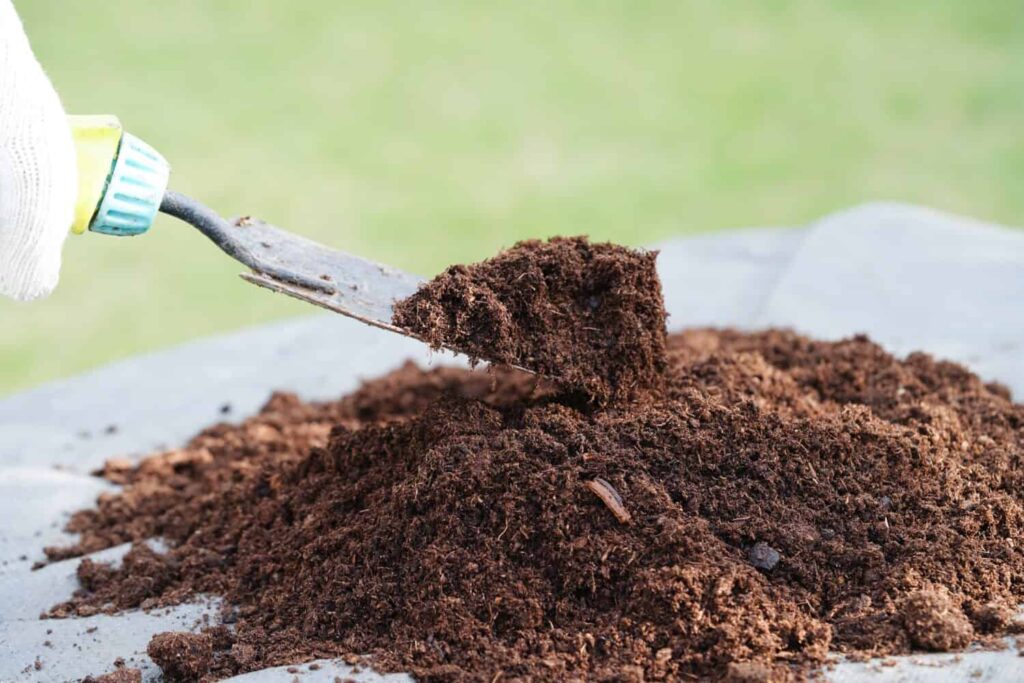
Peat moss is derived primarily from sphagnum moss, which undergoes a slow decomposition process in waterlogged, acidic conditions. The result is a medium rich in organic matter with low microbial activity, making it favorable for plant growth without the risk of harmful pathogens. Key properties of peat moss that make it particularly suitable for medical cannabis cultivation include:
- Water Retention: Peat moss can retain up to 20 times its dry weight in water. This characteristic ensures that roots have consistent access to moisture, minimizing the risks of dehydration stress that could affect cannabinoid production.
- Aeration and Porosity: Peat moss’s fibrous structure offers a well-aerated environment that prevents soil compaction. This quality promotes healthy root growth and oxygen exchange, essential for the robust root systems required for nutrient uptake in cannabis.
- Acidity Control: Cannabis grows optimally in slightly acidic environments (pH 5.8-6.3). Peat moss naturally falls within this range, supporting pH stability. This control is crucial for the bioavailability of nutrients, ensuring that plants have access to all essential nutrients without pH-related nutrient lockout.
- Low Microbial Load: Due to the anaerobic decomposition process in peat bogs, peat moss typically has low pathogenic microorganism levels. For medical cannabis, which requires stringent standards to avoid contamination, this property reduces the risk of fungal and bacterial infections.
The organic makeup of peat moss is highly suited to the medical cannabis cultivation environment, ensuring plants remain healthy and capable of developing high concentrations of therapeutic compounds, including cannabinoids and terpenes. Peat moss is often used in conjunction with other materials like perlite, coco coir, or vermiculite to achieve an ideal growth medium tailored to cannabis’s specific needs.
2. Peat Moss and Root Development in Cannabis
A fundamental aspect of growing high-quality medical cannabis is fostering a healthy root system. The root system acts as the plant’s primary interface with its growing environment, absorbing water, nutrients, and oxygen essential for metabolic processes. In medical cannabis cultivation, the health of the root zone is directly tied to the quality and consistency of cannabinoid and terpene profiles, which are critical for medicinal efficacy.
Peat moss’s structure supports excellent root development by providing:
- Air Pockets for Oxygenation: Cannabis roots require a consistent oxygen supply, particularly as they grow deeper into the medium. Peat moss naturally prevents compaction, creating air pockets that allow roots to expand without resistance. This feature promotes root branching and depth, creating a more extensive network to support the plant’s growth above ground.
- Moisture Control Without Saturation: Peat moss effectively retains moisture, lowering the possibility of root rot and overwatering. Cannabis plants are highly sensitive to waterlogged conditions, which can lead to poor oxygenation and fungal infections. The moisture-holding capacity of peat moss, balanced with adequate aeration, keeps roots moist but not overly wet, supporting active growth.
- Enhanced Nutrient Uptake: With a healthy root structure and balanced moisture levels, plants are better able to absorb nutrients. This is particularly important in medical cannabis, where nutrient levels must be managed precisely to avoid deficiencies or toxicities that can compromise medicinal quality.
3. Nutrient Management in Peat-Based Cannabis Cultivation
Peat moss does not contain significant nutrient levels, allowing cultivators to control nutrient input precisely according to the plants’ developmental stages. In medical cannabis cultivation, where potency and consistency are crucial, a peat-based medium allows cultivators to tailor nutrient programs to produce plants with predictable and consistent therapeutic profiles.
- Controlled Nutrient Delivery: Since peat moss lacks inherent fertility, cultivators can develop nutrient regimens specifically designed for cannabis. These programs typically vary by growth stage, with a focus on high nitrogen levels during the vegetative phase and increased phosphorus and potassium during flowering. The absence of “built-in” nutrients in peat moss means that nutrient availability is highly controllable, supporting precision agriculture for medical-grade cannabis.
- Buffering Capacity and Nutrient Availability: The modest cation exchange capacity (CEC) of peat moss affects the release and retention of nutrients. This CEC allows the medium to retain essential nutrients, such as potassium, calcium, and magnesium, making them available to plants over time. For cannabis, which requires a stable nutrient supply to support cannabinoid synthesis, this buffering capacity is crucial for maintaining plant health and potency.
- Compatibility with Fertilizers and Amendments: Peat moss works well with a range of organic and synthetic fertilizers, allowing cultivators flexibility in nutrient management. Organic fertilizers, such as compost teas, can introduce beneficial microorganisms that enhance nutrient uptake, while synthetic fertilizers can be used in controlled dosages for precise adjustments. This flexibility enables cultivators to optimize conditions for consistent cannabinoid production.
4. Disease Prevention and Sterility
Medical cannabis cultivation requires rigorous sterility to prevent contamination by molds, bacteria, or pests that could affect medicinal quality. Peat moss is inherently low in pathogens due to its acidic, anaerobic formation process, making it a cleaner starting material compared to other organic soils. This property is beneficial in the following ways:
- Reduced Pathogen Load: The low microbial activity in peat moss minimizes the risk of root diseases and fungal infections, which are major concerns in cannabis cultivation. Pathogens like Pythium and Fusarium thrive in other soil types but struggle in the acidic, low-microbe environment of peat moss. Reducing the pathogen load in the growth medium is essential in medical cultivation, as plants must meet stringent health standards.
- Compatibility with Biocontrols: Peat moss is also compatible with biocontrol agents that help maintain a healthy rhizosphere. For instance, introducing beneficial fungi or bacteria, such as mycorrhizae and Trichoderma, can further protect against pathogens while enhancing nutrient uptake. The addition of biocontrols works well with peat-based media, creating a balanced ecosystem around the cannabis roots.
- Consistency in Cultivation Environments: Unlike outdoor soil, which can vary significantly in microbial content, peat moss offers a predictable, pathogen-controlled environment. This predictability is critical for maintaining consistent medicinal qualities across harvests.
5. Environmental Considerations and Sustainability
One of the primary concerns with peat moss is its environmental impact, as it is harvested from delicate peat bog ecosystems. However, when used responsibly in medical cannabis cultivation, the benefits of peat moss can outweigh environmental concerns through sustainable practices:
- Responsible Sourcing: Sustainable peat harvesting, through careful extraction and bog restoration practices, can minimize environmental damage. Additionally, peat producers are working towards more eco-friendly approaches to ensure that peat moss remains a renewable resource.
- Reduction in Chemical Inputs: Since peat moss supports robust root health and disease prevention naturally, it can reduce the need for chemical fungicides and pesticides in cannabis cultivation. This reduction aligns with organic cultivation principles often favored in medical cannabis.
- Potential for Peat Alternatives and Blends: Some cultivators are exploring peat moss blends with renewable resources like coco coir. These combinations maintain peat moss’s beneficial properties while reducing the overall peat content, making the medium more sustainable. Coco coir, derived from coconut husks, complements peat moss by enhancing drainage and adding a renewable aspect to the medium.
6. The Impact of Peat Moss on Cannabinoid and Terpene Production
Medical cannabis is valued for its therapeutic compounds, specifically cannabinoids (like THC and CBD) and terpenes, which contribute to the plant’s medicinal effects. The medium in which cannabis is grown significantly influences the quality and concentration of these compounds.
- Root Health and Cannabinoid Potency: Healthy root systems, supported by peat moss, are essential for vigorous plant growth and high cannabinoid content. By creating a stable, aerated, and nutrient-balanced environment, peat moss enables plants to reach their genetic potential in terms of cannabinoid synthesis, ensuring high potency in the medicinal end product.
- Environmental Control and Terpene Profiles: Terpene profiles are sensitive to growing conditions, including moisture levels, temperature, and nutrient availability. Peat moss supports these environmental factors by stabilizing moisture and facilitating precise nutrient control, helping cultivators optimize terpene production. A well-maintained peat-based medium can lead to a more diverse and robust terpene profile, enhancing the therapeutic effects of medical cannabis.
- Consistency in Medicinal Quality: Medical cannabis must meet stringent quality standards for cannabinoid and terpene content, as these compounds determine the therapeutic value of the product. Peat moss’s consistent quality helps cultivators achieve uniform cannabinoid and terpene profiles across multiple harvests, ensuring reliable medicinal efficacy for patients.
7. Peat Moss in Hydroponic and Soilless Systems
While traditionally used as a soil amendment, peat moss is also compatible with hydroponic and soilless systems increasingly adopted in medical cannabis cultivation. These systems enable even greater control over growing conditions and nutrient management, which is essential for producing high-quality medical cannabis.
- Peat Moss in Soilless Mixes: Peat moss can be blended with other soilless substrates, such as perlite or coco coir, to create an ideal medium for hydroponic or drip-irrigated systems. These systems allow for precision in water and nutrient delivery, enhancing the reliability and medicinal quality of the cannabis produced.
- Suitability for Container Growing: In container-based hydroponic systems, peat moss-based mixes provide a stable medium that promotes root expansion and prevents nutrient imbalances. These containers offer a scalable solution for medical cannabis cultivators, ensuring uniformity in plant development.
- Compatibility with Organic Hydroponics: As the demand for organic medical cannabis grows, peat moss offers a viable medium for organic hydroponic systems. It can be used in systems that incorporate organic nutrient solutions and microbial inoculants, aligning with the principles of organic cultivation.
8. Challenges and Limitations of Using Peat Moss in Cannabis Cultivation
Despite its benefits, peat moss presents some challenges that cultivators must address, particularly concerning sustainability and pH management.
- Environmental Concerns: Peat bogs take centuries to develop, and harvesting peat moss can disrupt these ecosystems. As a result, cultivators are encouraged to consider responsible sourcing and alternative substrates that can supplement peat moss.
- pH Monitoring and Adjustments: Although peat moss is naturally acidic, cannabis requires a pH range of approximately 5.8-6.3. Regular pH monitoring is essential to prevent nutrient lockout. Buffering agents, like lime, are often added to peat moss-based mixes to maintain an optimal pH for cannabis.
- Compaction Over Time: Over multiple growth cycles, peat moss can become compacted, reducing its aeration capacity. Adding materials like perlite can alleviate this compaction and ensure consistent root oxygenation.
Restrictions on Growing and Using Cannabis in the Medical Field as a Last Resort

Cannabis use and cultivation are strictly regulated in the medical industry, particularly when it comes to last-resort treatments. Medical cannabis is employed primarily when other conventional treatments have proven ineffective, and it is heavily monitored to ensure patient safety and therapeutic efficacy without undesired psychoactive effects. These restrictions serve to control access, regulate dosage, and monitor cannabis’s active compounds, particularly THC, to maintain a safe medicinal profile.
Stringent Growing Regulations
Cultivation of medical cannabis is governed by rigorous standards, focusing on quality, consistency, and contamination prevention. Only licensed facilities are permitted to grow cannabis for medical purposes, and these facilities must adhere to Good Agricultural and Collection Practices (GACP) or similar regulatory frameworks. These standards are designed to ensure plants are free from pesticides, heavy metals, and other contaminants that could compromise patient safety. Additionally, in some jurisdictions, medical cannabis growers are restricted to cultivating specific strains with consistent cannabinoid profiles to deliver reliable therapeutic effects. Each batch of cannabis is subjected to quality control tests to verify cannabinoid levels and screen for impurities.
Controlled Use as a Last-Resort Treatment
Medical cannabis is typically prescribed only when all other treatment options have failed. This restriction ensures that cannabis is used only when the benefits significantly outweigh the risks. Physicians must document patients’ medical histories and treatment journeys before recommending cannabis as an option. This approach aims to prevent over-reliance on cannabis and ensure that patients are receiving the most suitable treatment for their conditions. Conditions commonly considered for last-resort cannabis treatments include chronic pain, severe epilepsy, and multiple sclerosis symptoms, for which traditional therapies have proven insufficient.
Monitoring THC Levels to Prevent Psychoactive Effects
A major concern in medical cannabis use is managing the psychoactive effects of THC (tetrahydrocannabinol), the compound responsible for cannabis’s “high.” Medical cannabis treatments are carefully formulated to maintain low THC levels or to balance THC with CBD (cannabidiol), a non-psychoactive compound that can mitigate THC’s effects. By regulating THC levels in medical cannabis products, healthcare providers aim to deliver therapeutic benefits without inducing unwanted psychoactive experiences, especially in patients who may be sensitive to THC’s effects.
In many regions, there are legally mandated THC concentration limits for medical cannabis products, particularly those intended for vulnerable populations, like children or elderly patients. Physicians and pharmacists closely monitor patients’ responses, adjusting dosages and cannabinoid ratios as needed to prevent adverse reactions. Advanced extraction and formulation techniques allow for precise control over THC content, enabling medical cannabis products to maintain a therapeutic focus without crossing into recreational or psychoactive usage.
Conclusion
Peat moss plays a significant role in medical cannabis cultivation, providing an ideal growing medium due to its excellent water retention, aeration, and low pathogen load, which together support healthy root development and consistent plant growth. This consistency is crucial for producing medical-grade cannabis with reliable cannabinoid and terpene profiles essential for therapeutic efficacy. Peat moss’s natural properties align well with the specific requirements of cannabis, fostering root oxygenation, controlled moisture, and balanced nutrient retention—all necessary to optimize the medicinal quality of the crop.
However, the use of peat moss also brings environmental considerations, as peat bogs are sensitive ecosystems with slow regeneration rates. Sustainable sourcing practices and the inclusion of renewable alternatives like coco coir are steps the industry is taking to reduce peat moss’s environmental impact. These methods ensure that peat moss can be a part of a sustainable approach to cannabis cultivation without compromising ecological health.
Furthermore, the medical application of cannabis is tightly regulated, especially when considered a last-resort treatment. Only licensed growers can cultivate cannabis for medicinal purposes, with strict controls on quality and cannabinoid content. Particularly, THC levels are carefully monitored to prevent psychoactive effects, ensuring that patients benefit from cannabis’s therapeutic potential without unwanted side effects. Dosage precision and cannabinoid ratios, supported by advancements in extraction and formulation, allow healthcare providers to tailor treatments to individual patient needs, reinforcing the responsible use of cannabis in medicine.
In summary, peat moss offers significant advantages for cultivating high-quality medical cannabis, while regulatory restrictions ensure its safe and responsible application in healthcare. These combined efforts support the safe, consistent, and ecologically mindful use of cannabis as a therapeutic agent, balancing medicinal benefits with environmental and regulatory responsibilities.
